


As the days shorten and temperatures drop, many of us find our usual exercise routines shrinking right along with the daylight. That crisp morning run gives way to a snooze button, and the thought of an evening walk through the chilly air loses its appeal. It’s a common scenario, whether you’re dealing with the biting winds of Chicago, the persistent grey of a European winter, or even the cooler, wetter season in parts of South America that might keep you indoors.
But the truth is, staying active during long winters doesn’t have to be a monumental effort or an expensive gym membership. It’s about making smart, sustainable choices that fit into your real life, without overcomplicating it. The goal isn’t to become an Olympic athlete; it’s to maintain a baseline of movement and well-being that sees you through until spring.
This guide will cut through the noise and offer practical, actionable advice, drawing on real-world examples to help you navigate the colder months with energy and optimism.
The Real Impact of Winter on Your Well-being
It’s easy to dismiss winter sluggishness as just ‘part of the season,’ but the colder months can significantly impact both our physical and mental health. Less natural light often means a dip in vitamin D, which plays a role in mood regulation. The instinct to hibernate can lead to reduced physical activity, which in turn affects metabolism, sleep quality, and even our immune system. For many city residents, especially those in densely populated areas like New York City, Paris, or Buenos Aires, the lack of accessible green spaces during winter can amplify these challenges.
Beyond the physical, there’s a clear mental health component. Seasonal Affective Disorder (SAD) is a recognized condition, but even without a formal diagnosis, many experience ‘winter blues.’ Feeling cooped up, isolated, and less energized can contribute to anxiety and low mood. A proactive approach to physical activity is one of the most effective non-pharmacological tools we have to combat these effects, helping us to stay active during long winters and preserve our mental equilibrium.

Practical Strategies to Stay Active During Long Winters Without Overcomplicating It
Forget the intimidating workout plans. The key here is consistency and finding what genuinely works for you. Here’s how to build sustainable habits:
1. Embrace the Power of Walking—Indoors and Out
Walking is perhaps the most underrated exercise. For those in colder climates, a mall in cities like Toronto or Stockholm can offer a fantastic, climate-controlled environment for brisk walking. Many large grocery stores or IKEA branches in Europe also provide ample space. If you’re fortunate enough to have a mild day, bundle up and hit the streets or a local park. A 30-minute walk, even at a moderate pace, makes a huge difference. In cities like Santiago or Lima, where winter might mean more rain, covered markets or arcades can be surprisingly good for getting steps in.
2. Home Workouts: Your Living Room is Your Gym
No special equipment needed. YouTube is a treasure trove of free workout videos. Search for ‘no-equipment cardio,’ ‘winter yoga flow,’ or ‘bodyweight strength training.’ Brands like Nike Training Club offer excellent free apps with guided workouts. Pick something that’s 20-30 minutes long, and commit to it 3-4 times a week. The consistency is more important than the intensity.
What Travelers Should Know About Food Safety Abroad and Why It Matters
3. Harness Technology: Fitness Trackers and Virtual Classes
A simple fitness tracker, like a Fitbit or an Apple Watch, can be incredibly motivating. Seeing your step count or active minutes can encourage you to move more. Many gyms now offer virtual classes you can stream from home, covering everything from Zumba to Pilates. This is particularly useful in places where social gatherings are restricted or outdoor conditions are harsh.
4. Make it Social: Find an Accountability Buddy
It’s much harder to skip a workout when someone else is counting on you. Text a friend to do a virtual workout together, or commit to regular outdoor walks if conditions allow. Joining a local recreational sports league (like indoor soccer or basketball) can also be a fantastic way to combine exercise with social interaction.
5. Focus on Mobility and Flexibility
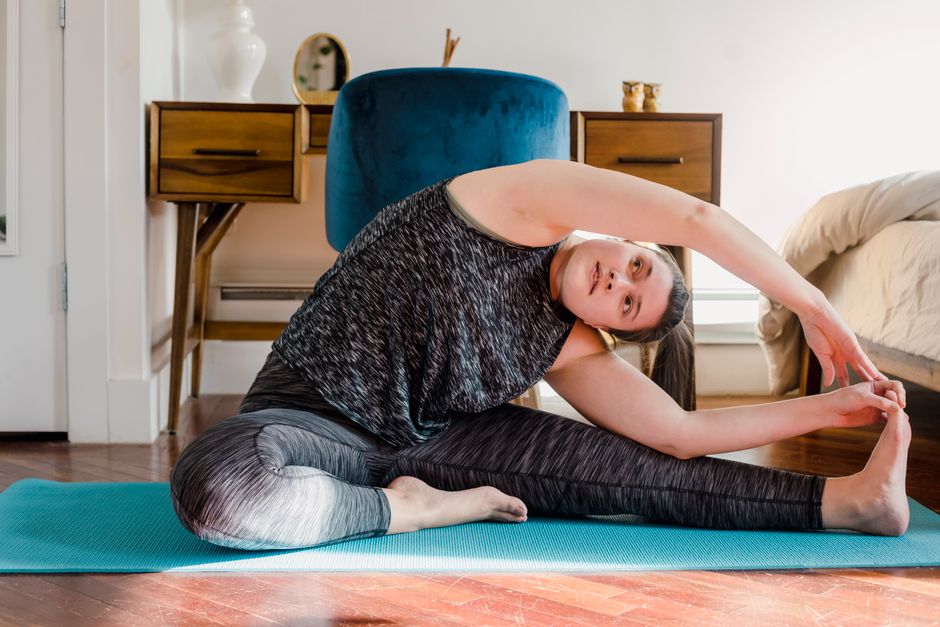
Winter often brings stiffness. Incorporate daily stretching or a short yoga routine. This improves circulation, reduces muscle soreness, and can prevent injuries when you do engage in more vigorous activity. Apps like Down Dog offer customizable yoga practices, perfect for all levels.
6. Prioritize Indoor Air Quality
While often overlooked, indoor air quality is paramount when you’re spending more time inside. Poor ventilation, dust, and pet dander can irritate respiratory systems, making exercise feel harder and potentially impacting overall health. Regular vacuuming (especially with a HEPA filter), opening windows for short bursts when outdoor air quality permits, and using air purifiers can make a significant difference in your home environment, making it more conducive to indoor activity.
Comparing Winter Activity Options
Choosing the right winter activity often comes down to personal preference, accessibility, and local climate. Here’s a quick comparison of popular options:
| Activity | Pros | Cons | Best For |
|---|---|---|---|
| Home Workouts (Bodyweight/Online Classes) | Free, flexible, no travel, privacy, easy to fit into schedule. | Can lack motivation without external push, limited equipment. | Anyone looking for convenience and cost-effectiveness. |
| Indoor Walking (Malls, Community Centers) | Climate-controlled, low impact, often free or low cost, social aspect. | Requires travel, can be crowded, limited scenery. | Elderly, those with joint issues, social exercisers. |
| Gym/Fitness Classes | Wide range of equipment, expert instruction, community, variety. | Costly memberships, travel time, can be intimidating for some. | Those needing structure, motivation, or specific equipment. |
| Outdoor Winter Sports (Skiing, Snowshoeing) | Fresh air, beautiful scenery, high calorie burn, exciting. | Weather dependent, expensive gear, requires specific climate/terrain. | Adventure seekers, those in snowy regions (e.g., Canadian Rockies, Swiss Alps). |
Common Mistakes to Avoid When Trying to Stay Active During Long Winters
Even with the best intentions, it’s easy to fall into traps that derail your winter fitness goals. Being aware of these common pitfalls can help you navigate them effectively.
A common mistake is trying to maintain the exact same routine you had in summer. The reality is, shorter daylight hours, colder temperatures, and potential icy conditions make outdoor activities more challenging and sometimes less safe. Instead of feeling guilty for not hitting your usual trail runs, adapt your expectations and embrace indoor alternatives or shorter, more frequent outdoor bursts. Flexibility is your friend here.
Another pitfall is neglecting proper nutrition. While it’s tempting to reach for comfort food, fueling your body with nutrient-dense meals is crucial for energy and mood. Consider incorporating elements of the Mediterranean diet, known for its emphasis on fruits, vegetables, whole grains, and healthy fats. This eating pattern supports overall health and can help maintain energy levels, making it easier to find the motivation to move. Think fresh salads, whole-wheat pasta with roasted vegetables, or lentil soup rather than heavy, processed meals.
How to Stay Healthy While Traveling Across Different Climates
Many people also underestimate the importance of dressing correctly for outdoor activities. Layering is key, allowing you to remove or add clothing as your body temperature fluctuates. Investing in good quality, moisture-wicking base layers, insulating mid-layers, and a waterproof/windproof outer shell is crucial, especially in places like Northern Europe or the U.S. Midwest where winter can be particularly harsh. Don’t let being cold be an excuse to stay indoors when a bit of fresh air could do wonders.
Finally, avoid the all-or-nothing mindset. Missing one workout doesn’t mean you’ve failed the entire season. Forgive yourself, adjust, and get back to it. Even 10 minutes of movement is better than none. The goal is continuous effort, not perfect execution.
FAQ: Answering Your Winter Wellness Questions
What are the best indoor exercises to stay active during long winters?
The best indoor exercises are those you enjoy and can do consistently. Bodyweight exercises like squats, push-ups, and planks are effective. Yoga, Pilates, and dance-based workouts from online videos or apps are also excellent. Consider jumping rope for cardio or using stairs in your building for a quick workout.
How can the Mediterranean diet help with winter activity?
The Mediterranean diet provides sustained energy through whole grains, lean proteins, and healthy fats, which can combat winter sluggishness. Its rich antioxidant content from fruits and vegetables supports overall health and immunity, helping you stay well enough to remain active. It also reduces inflammation, promoting quicker recovery from exercise.
Is walking still beneficial when it’s cold outside?
Absolutely! Walking remains incredibly beneficial even in cold weather. It boosts circulation, improves mood, and burns calories. Just ensure you dress in layers, wear appropriate footwear for traction, and be mindful of icy conditions. A brisk 20-30 minute walk can significantly improve your day.
How does indoor air quality affect my ability to stay active in winter?
Poor indoor air quality can lead to respiratory irritation, fatigue, and reduced exercise capacity. Dust, allergens, and pollutants can make breathing harder and diminish motivation. Improving air quality through ventilation, cleaning, and air purifiers creates a healthier environment that supports consistent indoor activity.
What if I have limited space for indoor workouts?
Even small spaces can accommodate effective workouts. Focus on exercises that require minimal movement, such as planks, wall sits, mat-based yoga, or resistance band routines. Many online workouts are designed specifically for small spaces, demonstrating how to maximize your area efficiently.
Staying active during long winters doesn’t require a radical lifestyle overhaul. It’s about smart adjustments, consistent effort, and a willingness to embrace new routines. By focusing on practical, low-barrier activities and paying attention to your overall well-being, you can not only endure the colder months but thrive through them. For more insights and tips on maintaining your health, be sure to read more health and wellness guides on Le Daily Post.