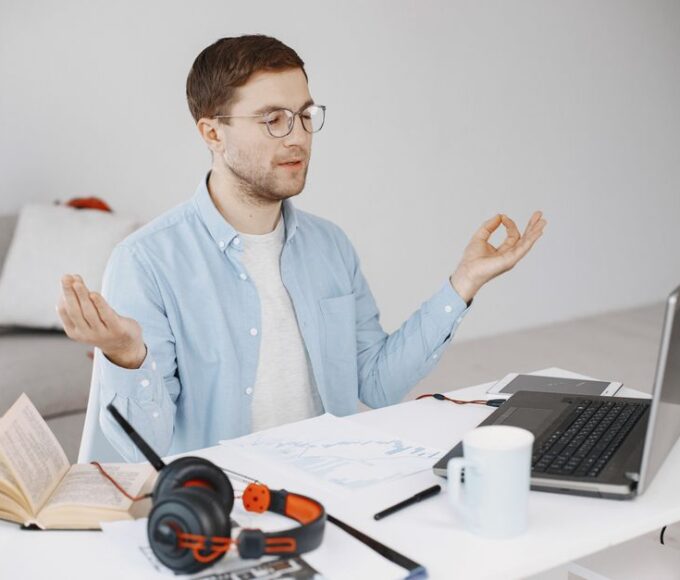

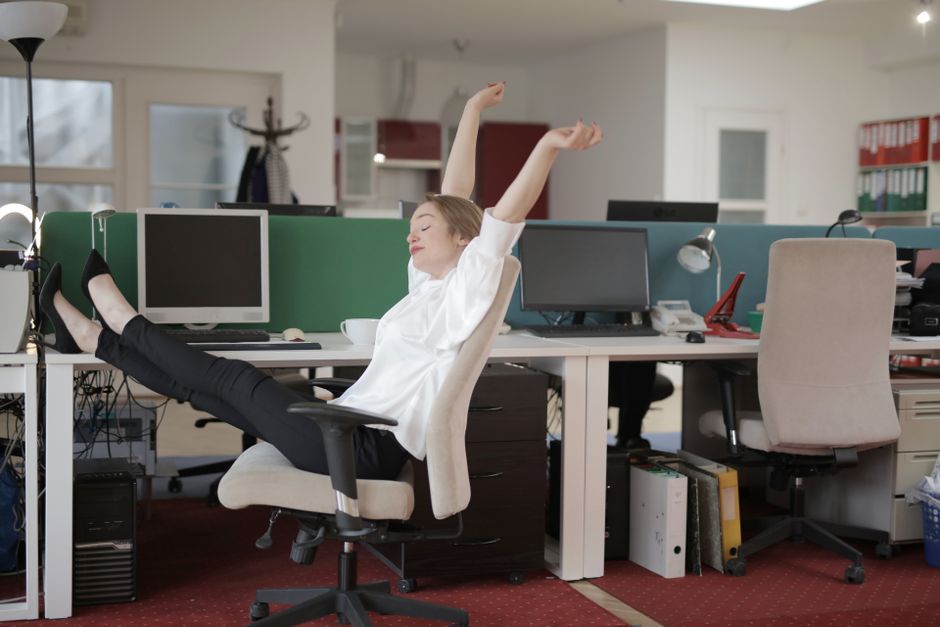
We’ve all been there: that moment you finally stand up after a long stretch at your computer, only to feel like a rusty robot creaking to life. The neck stiffness, the tight shoulders, the dull ache in the lower back – it’s an all-too-familiar reality for anyone whose daily grind involves extensive screen time. Whether you’re a parent juggling work and family life, or an individual navigating the demands of a modern office job, the physical toll of prolonged sitting is undeniable.
It’s not just about discomfort; consistent poor posture and lack of movement can lead to more significant issues over time. Think reduced mobility, increased risk of injury, and even a dip in overall energy levels. The good news is that you don’t need a gym membership or an hour-long yoga session to make a difference. Simple, targeted stretches throughout your day can be incredibly powerful.
This guide isn’t about becoming a contortionist; it’s about practical, achievable steps to integrate movement into your workday. We’ll explore why A Practical Guide to Stretching for Desk Workers is essential, what stretches offer the most bang for your buck, and how to make these small changes stick for lasting benefits, helping you feel better from North America to Europe and across South America.
Understanding the Impact of Desk Work on Your Body
Sitting for extended periods, as many desk workers do, puts unique stresses on the body. Our bodies are designed for movement, not for static positions. When we sit, certain muscles shorten and tighten (like hip flexors and chest muscles), while others lengthen and weaken (like glutes and upper back muscles). This imbalance is a primary driver of poor posture and the common aches associated with desk work.
Consider the typical desk setup: shoulders hunched forward, head jutting out, lower back rounded. This posture, often dubbed ‘tech neck’ or ‘desk slump,’ compresses the spine, strains neck muscles, and restricts blood flow. Over time, this can lead to chronic pain, headaches, and even impact nerve function. The NHS, for instance, frequently highlights the importance of regular movement and ergonomic setups to combat these issues, emphasizing that prevention is always better than cure. Beyond the physical, the sedentary nature can subtly impact mental health, creating a cycle of low energy and increased stress.
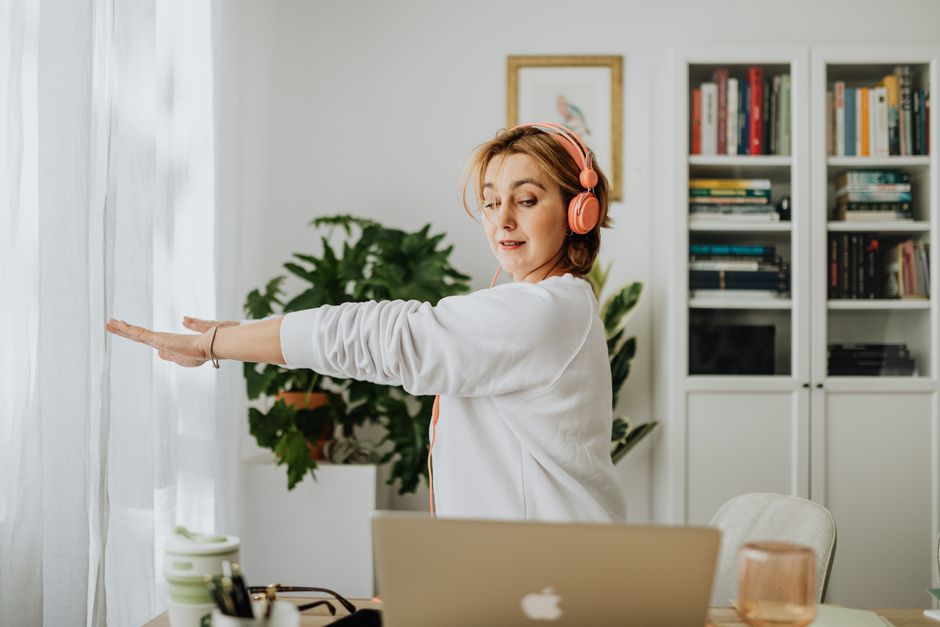
A Practical Guide to Stretching for Desk Workers: Your Daily Movement Plan
Integrating stretching doesn’t mean interrupting your flow for long periods. It’s about taking short, deliberate breaks. Aim for 2-5 minutes every hour or two. Here are some effective stretches, keeping in mind the specific areas most affected by prolonged sitting:
1. Neck Tilts & Rotations
Gently tilt your head to one side, bringing your ear towards your shoulder. Hold for 15-20 seconds. Repeat on the other side. Then, slowly turn your head to look over one shoulder, holding for 15-20 seconds, and repeat on the other. This helps release tension in the upper trapezius and sternocleidomastoid muscles, common culprits for desk-related neck pain.
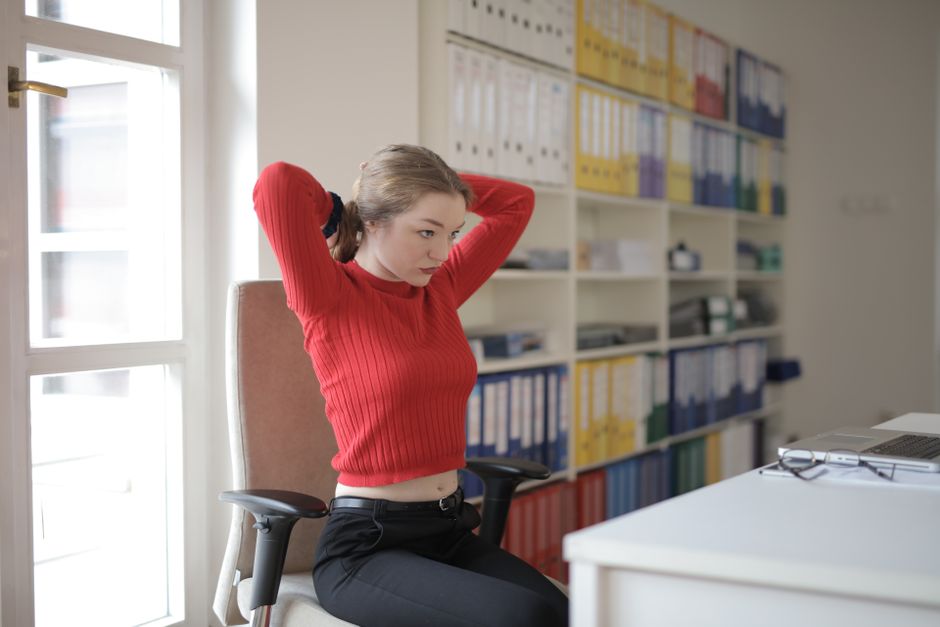
2. Chest Opener (Doorway Stretch or Hands Behind Head)
Stand in a doorway, place your forearms on either side of the frame, and gently lean forward until you feel a stretch across your chest. Or, interlace your fingers behind your head, gently pull your elbows back, and lift your chest. Hold for 20-30 seconds. This combats the rounded shoulders and tight chest muscles that develop from keyboard use, helping to improve posture.
3. Hip Flexor Stretch (Kneeling or Seated)
If you can, kneel on one knee, with the other foot flat on the floor in front of you (like a lunge). Gently push your hips forward until you feel a stretch in the front of the hip of the kneeling leg. If kneeling isn’t an option, sit on the edge of your chair, scoot one leg back slightly, and lean forward. Hold for 20-30 seconds per side. Tight hip flexors from prolonged sitting are a major contributor to lower back pain.
4. Figure-Four Glute Stretch
While seated, cross one ankle over the opposite knee. Gently press down on the crossed knee while leaning slightly forward, feeling the stretch in your glute and outer hip. Hold for 20-30 seconds per side. This helps release tension in the piriformis and gluteal muscles, which can get tight from sitting and contribute to sciatic nerve discomfort.
5. Wrist & Forearm Stretches
Extend one arm straight out with your palm facing down. Use your other hand to gently pull your fingers back towards your body, stretching the forearm. Then, flip your hand so your palm faces up and gently pull your fingers down. Hold each for 15-20 seconds per arm. Crucial for anyone typing extensively, preventing issues like carpal tunnel syndrome and general wrist stiffness.
6. Upper Back & Shoulder Blade Squeeze
Sit tall, gently pull your shoulder blades together as if you’re trying to pinch a pencil between them. Hold for 5-10 seconds, release, and repeat 5-10 times. This strengthens the often-weakened upper back muscles and helps counteract the forward-hunching posture.
7. Spinal Twist (Seated)
Sit tall in your chair. Place your right hand on your left knee and gently twist your torso to the left, looking over your left shoulder. Use the chair back for leverage if comfortable. Hold for 20-30 seconds and repeat on the other side. This promotes spinal mobility and can relieve lower back stiffness.
Stretching vs. Other Movement Interventions: What’s the Difference?
While stretching is a fantastic tool, it’s part of a broader spectrum of movement interventions. Understanding the distinctions can help you build a comprehensive strategy for your well-being.
| Intervention Type | Primary Goal | Example Activities | Benefit for Desk Workers |
|---|---|---|---|
| Stretching | Increase flexibility, improve range of motion, relieve muscle tension | Neck tilts, chest openers, hip flexor stretches | Directly combats stiffness, improves posture, reduces specific aches |
| Mobility Work | Improve joint range of motion with active control and strength | Controlled Articular Rotations (CARs), cat-cow, dynamic warm-ups | Enhances functional movement, prepares joints for activity, broader than just muscle length |
| Strength Training | Build muscle mass, improve endurance, strengthen supporting muscles | Bodyweight squats, planks, resistance band rows | Supports posture long-term, prevents injury, improves metabolism |
| Cardio Exercise | Improve cardiovascular health, burn calories, boost mood | Brisk walking, cycling, jumping jacks | Overall health benefits, stress reduction, can improve sleep hygiene |
For most desk workers, a combination is ideal. Stretching addresses immediate stiffness and flexibility, while mobility work offers more active joint health. Strength training provides the foundational support for good posture and injury prevention. And cardiovascular exercise ensures overall health and energy. Think of A Practical Guide to Stretching for Desk Workers as your first line of defense, easily integrated into your workday without needing special equipment.
Common Mistakes to Avoid When Stretching for Desk Work
Even with the best intentions, it’s easy to make mistakes that can diminish the effectiveness of your stretching or even lead to injury. Being mindful of these pitfalls is crucial.
A common mistake is
Create a Simple Weekly Wellness Check-In: A Realistic Checklist for Busy Parents
Another pitfall is
Many people also tend to
Finally,
Frequently Asked Questions About Stretching for Desk Workers
Q: How often should I stretch if I work at a desk?
For desk workers, aiming for short stretching breaks every 60-90 minutes is highly effective. Even 2-5 minutes of targeted stretches can significantly counteract the negative effects of prolonged sitting. Consistency is more important than duration.
Q: Can stretching help with sleep hygiene for desk workers?
Yes, regular stretching can definitely improve sleep hygiene. By reducing muscle tension and promoting relaxation, especially in the neck, shoulders, and back, stretching can ease the body into a more comfortable state conducive to falling asleep and staying asleep. It’s a great evening wind-down activity.
Q: Does stretching impact mental health for people with desk jobs?
Absolutely. Taking short stretching breaks serves as a mindful pause, breaking the concentration cycle and reducing stress. This brief mental reset can improve focus, reduce feelings of overwhelm, and contribute positively to overall mental well-being throughout the workday.
Q: What role does the NHS play in recommending stretches for sedentary work?
The NHS consistently advocates for regular physical activity and proper ergonomics to mitigate health risks associated with sedentary work. They provide guidelines and resources emphasizing the importance of movement breaks, stretching, and maintaining good posture to prevent musculoskeletal issues and promote overall health.
Q: Are there any stretches I should avoid if I have a pre-existing back condition?
If you have a pre-existing back condition, it’s crucial to consult with a healthcare professional, like a physical therapist, before starting any new stretching routine. While many stretches are beneficial, some might exacerbate specific conditions. Listen to your body and avoid any movement that causes pain.
Q: Can stretching replace ergonomic adjustments to my desk setup?
No, stretching complements but does not replace proper ergonomic adjustments. An optimized desk setup (correct chair height, monitor position, keyboard/mouse placement) reduces strain throughout the day, making your stretches more effective and preventing problems from recurring. Both are vital for long-term health.
Embracing A Practical Guide to Stretching for Desk Workers is a powerful step towards a healthier, more comfortable workday. By weaving these simple movements into your routine, you’re not just alleviating immediate discomfort; you’re investing in your long-term mobility, posture, and overall well-being. Start today, and feel the difference. For more insights and resources on staying healthy, read more health and wellness guides on Le Daily Post.