

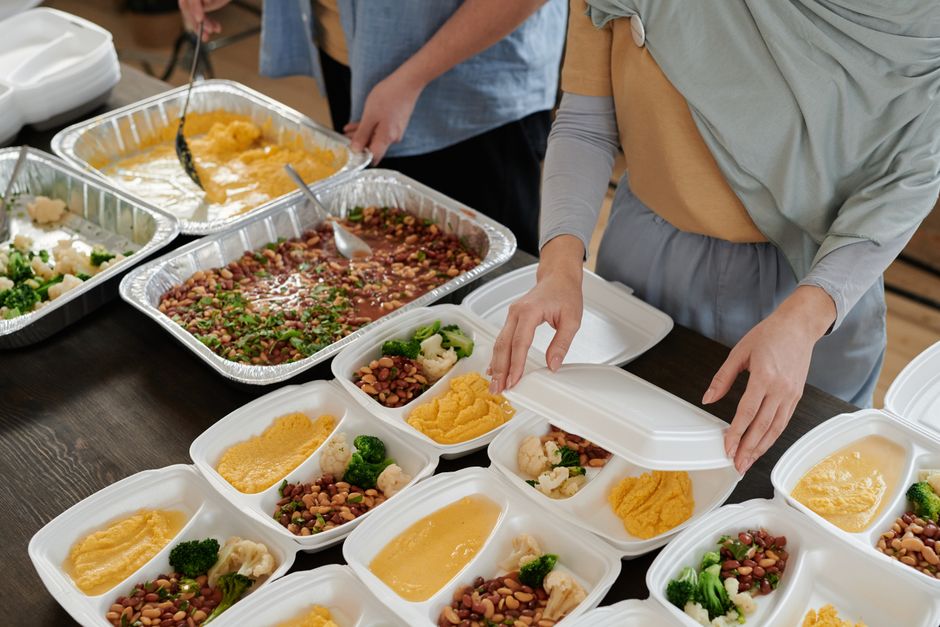
Juggling work and wellness can feel like a high-wire act, especially when it comes to healthy eating. Between demanding schedules, client meetings, and the sheer mental load of daily tasks, it’s easy to fall back on convenience foods or skip meals altogether. But ignoring your midday meal can have a significant impact on your energy levels, focus, and long-term health. The good news? You absolutely can build a healthier lunch routine at work without overcomplicating it.
This isn’t about rigid diets or spending hours in the kitchen every night. It’s about practical, sustainable shifts that make nutritious eating an accessible part of your workday, whether you’re anchored to an office in London, working remotely from a café in Bogotá, or constantly on the move between time zones. The principles remain the same: smart planning, simple ingredients, and a dash of foresight.
The Foundations of a Healthy Work Lunch Routine
Before diving into specific meal ideas, let’s lay some groundwork. A truly healthy lunch isn’t just about what’s in your container; it’s about the habits that support it. Think about the big picture: how does this meal fit into your day, and what does your body actually need?
Prioritizing Balance and Nutrient Density
When you’re trying to build a healthier lunch routine at work without overcomplicating it, focus on three key components: protein, fiber, and healthy fats. Protein keeps you full and helps stabilize blood sugar, preventing that dreaded mid-afternoon slump. Fiber, found in fruits, vegetables, and whole grains, aids digestion and also contributes to satiety. Healthy fats, from sources like avocado, nuts, or olive oil, are essential for nutrient absorption and sustained energy.
- Protein Powerhouses: Think chicken breast, fish (like salmon or tuna), lentils, chickpeas, tofu, tempeh, hard-boiled eggs, or Greek yogurt.
- Fiber Fixers: Load up on leafy greens, bell peppers, broccoli, carrots, berries, apples, quinoa, brown rice, or whole-wheat bread.
- Healthy Fats: A few slices of avocado, a sprinkle of nuts (almonds, walnuts), seeds (chia, flax, pumpkin), or a drizzle of olive oil.
Understanding Your Work Environment and Travel Needs
Your physical location profoundly impacts your lunch choices. Are you in an office with a full kitchen, a small breakroom with just a microwave, or do you eat at your desk? For travelers, this becomes even more critical. If you’re frequently flying across North America for meetings, or taking trains through Europe for conferences, your options might be limited to what you can pack without refrigeration, or what’s available at airport kiosks or train stations.
In South America, for example, a vibrant culture of ‘almuerzos’ (lunches) means many cities offer affordable, fresh lunch options from local ‘comedores’ or ‘loncherías’. However, reliance on these can sometimes lead to less control over ingredients or portion sizes. Knowing your environment helps tailor your approach.
Practical Strategies to Simplify Your Healthy Lunch
The goal is efficiency and consistency. Here’s how to make it happen without adding stress to your already busy life.
The Art of Batch Cooking and Meal Prep
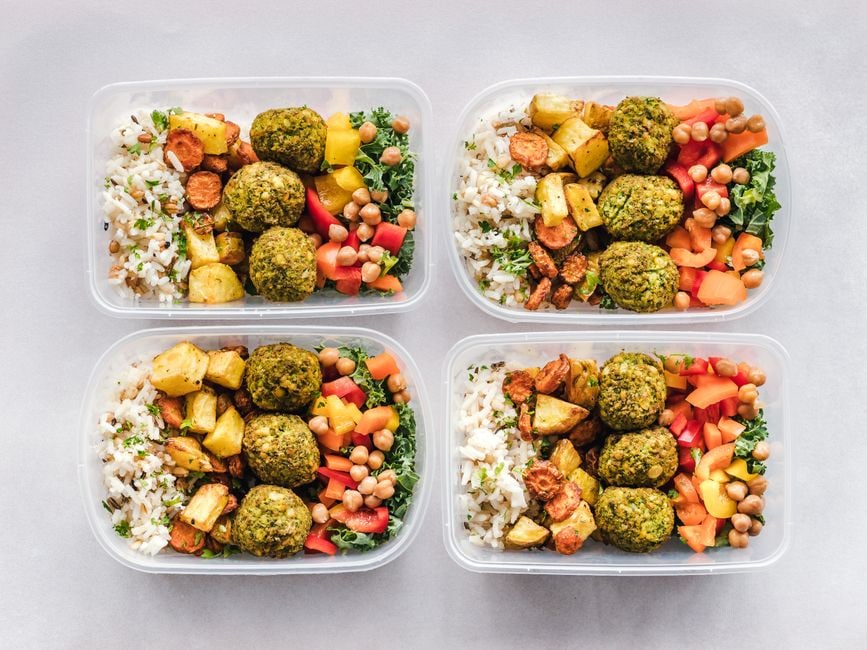
This is arguably the most impactful strategy. Dedicate an hour or two on a Sunday to prep components for the week. This isn’t about cooking five different elaborate meals. It’s about preparing foundational ingredients that can be mixed and matched.
- Roast a Big Batch of Veggies: Broccoli, sweet potatoes, bell peppers, and zucchini can be roasted with olive oil and herbs. Store them in airtight containers.
- Cook a Grain: Quinoa, brown rice, or farro are versatile bases for salads or bowls.
- Prep Your Protein: Grill or bake chicken breasts, hard-boil a dozen eggs, or cook a big pot of lentils.
- Chop Salad Greens: Wash and chop your favorite greens, keeping them dry with a paper towel in a container to prevent wilting. Add dressing separately right before eating.
Consider the example of a professional often traveling between New York City and Toronto. Batch cooking chicken or lentils on Sunday means they can easily assemble a hearty salad or a grain bowl at their hotel kitchenette or pack it for a flight, avoiding unhealthy airport food.
Leveraging Leftovers
Don’t underestimate the power of dinner leftovers. Cooking slightly more than you need for dinner means you have an instant, ready-made lunch for the next day. This is a brilliant way to build a healthier lunch routine at work without overcomplicating it because it requires zero extra cooking effort for lunch itself.
If you’re making a chili or a lentil soup, make enough for an extra serving or two. Leftover salmon and roasted asparagus from dinner can become a gourmet lunch in minutes. Just ensure you store them properly in airtight containers and reheat safely.
Smart Shopping and Pantry Staples
Having the right ingredients on hand makes all the difference. When you’re grocery shopping, think about your work lunches specifically.
- Canned Goods: Chickpeas, black beans, tuna (in water or olive oil), and diced tomatoes are excellent, non-perishable protein and fiber sources.
- Whole Grains: Quinoa, oats, whole-wheat pasta, or whole-grain crackers.
- Frozen Produce: Frozen berries for smoothies, or frozen mixed vegetables that can be quickly steamed or microwaved.
- Healthy Sauces/Dressings: Olive oil, vinegar, salsa, hummus, or a simple vinaigrette.
For someone traveling through Europe, stocking up on local fresh produce at a market in Paris or Rome can complement your packed staples, offering variety and local flavor without heavy cooking.
Addressing Common Hurdles and Integrating Wellness
Even with the best intentions, challenges arise. Here’s how to navigate them.
Eating Out Smartly (When You Have No Choice)
Sometimes, packing isn’t an option. Whether it’s a client lunch in Mexico City or a quick grab-and-go between flights at Frankfurt Airport, you can still make healthy choices.
The Practical Guide to Meal Timing for Busy Schedules
- Look for Salads with Lean Protein: Ask for dressing on the side.
- Opt for Grilled Over Fried: Chicken, fish, or vegetable dishes.
- Choose Whole Grains: If available, like brown rice or whole-wheat bread.
- Portion Control: Don’t be afraid to take half home or share.
Many fast-casual chains now offer customizable bowls or salads. Think about places like Pret A Manger in the UK or Panera Bread in the US – they often have transparent nutritional information and fresh ingredients. Even in smaller towns in South America, looking for ‘comida casera’ (homemade food) often points to healthier, less processed options.
Connecting Lunch to Overall Wellness: Sleep Hygiene and Mental Health
Your lunch isn’t an isolated event; it’s part of a larger wellness ecosystem. The World Health Organization (WHO) consistently highlights the interconnectedness of diet, exercise, and mental well-being. Poor food choices can exacerbate stress and negatively impact sleep hygiene.
- Steady Energy for Better Focus: A balanced lunch prevents blood sugar spikes and crashes, maintaining cognitive function and reducing irritability. This directly supports mental clarity throughout the afternoon.
- Nutrient Intake for Mood: Foods rich in B vitamins, omega-3 fatty acids, and magnesium can positively influence mood and reduce anxiety. Think leafy greens, nuts, seeds, and fatty fish in your lunch.
- Avoiding Heavy, Sugary Foods: These can lead to a post-lunch slump, making you feel sluggish and impacting sleep quality later. A lighter, nutrient-dense lunch can contribute to better energy regulation, aiding in a smoother wind-down in the evening and improving sleep hygiene.
By making conscious choices at lunchtime, you’re not just feeding your body; you’re nourishing your brain and supporting a healthy sleep cycle.
Frequently Asked Questions About Healthy Work Lunches
How do I keep my lunch fresh, especially if I’m traveling?
For office workers, a good insulated lunch bag with an ice pack is usually sufficient. For travelers, consider non-perishable options like whole-grain crackers with tuna packets or nut butter, fruit, and hard cheese. Vacuum-sealed meals or dehydrated options can also work for longer trips where refrigeration is uncertain. Always check airline regulations for liquids and gels.
What are some quick, no-cook lunch ideas for busy days?
Think ‘assembly required.’ A whole-wheat wrap with hummus, pre-cooked chicken slices, and spinach. A salad kit elevated with a can of chickpeas and some chopped bell peppers. Greek yogurt with berries and a sprinkle of nuts. Cottage cheese with sliced tomatoes and a sprinkle of everything bagel seasoning. These options are perfect for when you need to build a healthier lunch routine at work without overcomplicating it, especially if you have minimal kitchen access.
How can I avoid getting bored with my healthy lunches?
Variety is key! Rotate your proteins (chicken, fish, legumes), change up your grains (quinoa, farro, brown rice), and experiment with different vegetables and healthy dressings. Adding herbs, spices, or a squeeze of fresh lemon or lime can dramatically change the flavor profile of a simple meal. Explore global cuisines for inspiration – a Mediterranean bowl one day, a Mexican-inspired salad the next.
Is it okay to skip lunch if I’m not hungry?
While occasional fasting can have benefits for some, consistently skipping meals, especially lunch, can lead to energy dips, poor concentration, and overeating later in the day. It’s generally better to eat a smaller, balanced meal if you’re not very hungry, rather than skipping entirely, to maintain stable blood sugar and energy levels throughout your workday.
How does a healthy lunch impact my sleep hygiene?
A balanced lunch helps stabilize blood sugar and provides sustained energy, preventing the energy crashes that can lead to unhealthy snacking later or affect your evening routine. Avoiding heavy, sugary, or highly processed foods at lunch reduces inflammation and digestive discomfort, both of which can disrupt sleep. A steady energy supply from a good lunch also reduces the likelihood of relying on caffeine or sugar to power through the afternoon, which can interfere with sleep onset.
Building a healthier lunch routine at work doesn’t require a complete overhaul of your life. It’s about small, consistent choices that add up to significant benefits for your energy, focus, and overall health. By embracing simple meal prep, smart shopping, and mindful eating, you can nourish yourself effectively, no matter where your work takes you. To learn more practical tips and guides for your well-being, read more health and wellness guides on Le Daily Post.