


For building health habits, wearables often have an edge over standalone fitness apps due to their continuous, passive data collection and direct, real-time feedback. Devices like Apple Watch or Garmin integrate seamlessly into daily life, providing a constant stream of information on activity, sleep, and heart rate without requiring active manual input. This consistent, low-friction interaction can foster a stronger feedback loop and a more ingrained sense of accountability, which is crucial for habit formation. While apps are valuable for structured workouts or nutrition tracking, wearables excel at making health data an ever-present part of your routine.
You’ve decided it’s time to get serious about your health. Maybe you want to move more, sleep better, or simply understand your body’s signals. The modern wellness market bombards us with options, and two categories stand out: fitness apps and health wearables. On one hand, you have powerful apps that promise personalized workouts, nutrition plans, and guided meditations. On the other, sleek devices strapped to your wrist or finger that track every step, beat, and wink. It’s easy to feel overwhelmed, wondering which investment will genuinely help you stick to your goals rather than becoming another forgotten gadget or subscription.
For busy adults, wearable users, and beginners alike, the core question isn’t just about features, but about efficacy. Which tool truly helps you embed healthy behaviors into your daily routine? Is it the actionable insights from a well-designed app, or the constant, subtle nudges from a fitness tracker? Understanding the strengths and weaknesses of each can guide you to make a choice that supports your long-term success in building better habits, whether you’re in Berlin, Buenos Aires, or Boston.
Ultimately, when it comes to building enduring health habits, wearables often provide a more consistent and impactful advantage. Their continuous, passive data collection and real-time feedback create a powerful, low-friction loop that keeps health top of mind, facilitating habit formation more effectively than apps alone, which typically require more active user engagement.

Fitness Apps vs. Wearables: A Quick Overview
- Fitness Apps: Software on smartphones/tablets, offering structured programs, tracking, and community features (e.g., Strava, MyFitnessPal).
- Health Wearables: Physical devices worn on the body, passively collecting biometric data (e.g., Apple Watch, Fitbit, Garmin, Oura Ring).
- Data Collection: Apps rely on manual input or smartphone sensors; wearables collect data continuously and automatically.
- Interactivity: Apps often require active engagement for logging, planning, or guided sessions; wearables provide passive monitoring and alert-based feedback.
- Habit Formation: Wearables offer persistent, subtle nudges and awareness; apps excel at structured program adherence and specific skill development.
- Cost: Many apps have free tiers, with subscriptions for advanced features; wearables are an upfront hardware cost, sometimes with optional subscriptions.
- Integration: Both can integrate with each other, with wearables often feeding data into companion apps.
The Uninterrupted Data Stream: Wearables’ Core Advantage
One of the most significant differences between fitness apps and wearables lies in their approach to data collection. A dedicated fitness tracker or smartwatch, like an Apple Watch, a Garmin device, or a Fitbit, passively collects data throughout your day and night. It’s always on your wrist, tracking steps, heart rate, sleep patterns, and even stress levels, often without you needing to do anything. This continuous, low-effort data stream builds a comprehensive picture of your health.
The Power of Passive Tracking for Habit Building
Think about walking. Most wearables automatically count your steps, distance, and even estimate calories burned. You don’t have to open an app, press ‘start,’ or manually log your activity. This passive tracking is incredibly powerful for habit formation because it lowers the barrier to entry. If your goal is to hit the WHO-recommended 150 minutes of moderate activity per week, seeing your daily steps accumulate in real-time, or getting a gentle nudge to stand up after a period of inactivity, can be a potent motivator. This is where fitness apps alone often fall short; they typically require you to actively initiate a tracking session or manually log an activity.
Real-Time Feedback and Nudges
Wearables excel at providing immediate feedback. Your Apple Watch might vibrate to tell you to complete your stand goal, or your Garmin could alert you that your heart rate is elevated during a stressful meeting. These small, constant reminders are crucial for reinforcing new habits. They act as an external cue, helping you remember to act in line with your health goals. For someone in São Paulo trying to incorporate more movement into their workday, these nudges can be a practical advantage, breaking up long periods of sitting that might otherwise go unnoticed.
Structured Programs and Guided Experiences: Where Apps Shine
While wearables are masters of passive monitoring, fitness apps truly shine when it comes to structured programs, guided experiences, and deep dives into specific aspects of wellness. If your goal is to follow a specific strength training routine, master a yoga sequence, or meticulously track your macronutrient intake, an app is often the superior tool.
A Practical Guide to Stretching for Desk Workers: Boost Mobility & Posture
Personalized Workouts and Nutrition Planning
Apps like Nike Training Club, Peloton, or MyFitnessPal offer vast libraries of workouts, from beginner to advanced, often with video demonstrations and progress tracking. They can create personalized training plans, adapting as you get fitter. Similarly, nutrition apps allow you to log every meal, analyze nutrient intake, and identify patterns that might be hindering your progress. For someone in London aiming to train for a marathon or reduce sugar intake, these structured frameworks provided by apps are invaluable. They offer the ‘how-to’ and the detailed accountability that raw wearable data alone can’t.
Community and Motivation
Many fitness apps integrate social features, allowing you to connect with friends, join challenges, and share your progress. This sense of community can be a powerful motivator, especially for those who thrive on external encouragement. Platforms like Strava, popular among runners and cyclists from Vancouver to Venice, turn individual efforts into a shared experience, fostering friendly competition and mutual support. This social element is often less pronounced in the core wearable experience, which tends to be more personal.
The Synergistic Approach: Combining the Best of Both Worlds
For most people looking to build sustainable health habits, the most effective strategy isn’t choosing between fitness apps vs. wearables, but rather leveraging the strengths of both. Many modern wearables smoothly integrate with popular fitness and health apps, creating a powerful ecosystem for habit tracking and improvement.
How Integration Enhances Habit Building
Imagine using your Apple Watch or Garmin to track your run, and then having that data automatically sync with Strava to share with your running club. Or using your Oura Ring to monitor your sleep quality, then using a meditation app like Calm or Headspace to improve it based on the insights the Oura Ring provides. This synergy means you get the best of both worlds: the passive, continuous data collection and real-time nudges from your wearable, combined with the structured guidance, detailed analytics, and community support of your favorite apps.
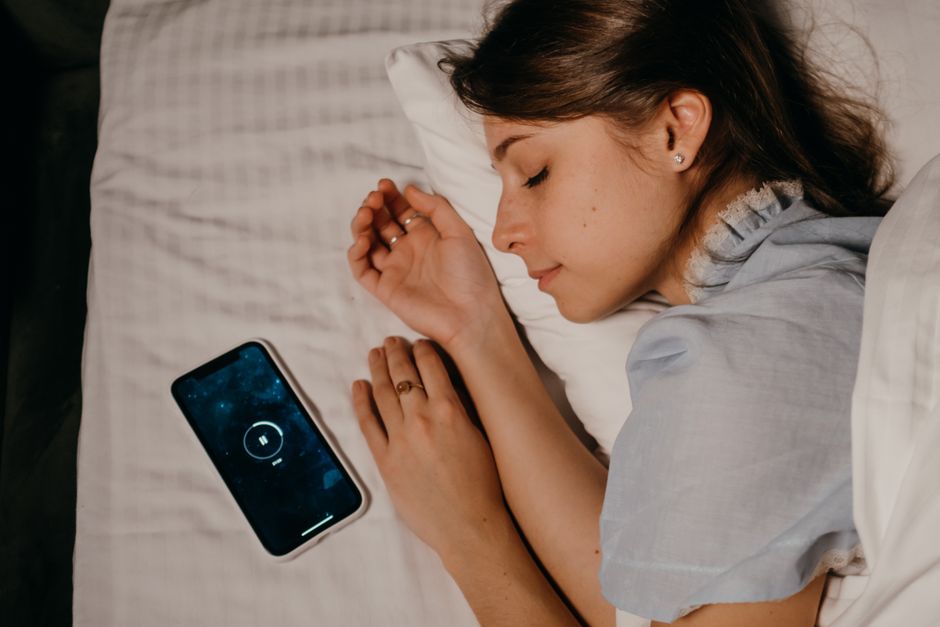
For a busy professional in Mexico City, a setup like this means their wearable tracks daily activity and sleep without them thinking about it, while a specific fitness app might guide them through a 30-minute high-intensity interval training (HIIT) session twice a week. The data from the HIIT session then flows back to the wearable’s companion app, giving a holistic view of progress.
Considering Your Lifestyle and Goals: Making the Right Choice
The ‘better’ choice between fitness apps vs. wearables largely depends on your specific goals, current habits, and how you prefer to interact with technology. It’s not a one-size-fits-all answer, and understanding your own preferences is key.
Who Benefits Most from Wearables?
- Beginners: Wearables provide simple, unintrusive entry points into health tracking (e.g., step counting, heart rate monitoring).
- Habit-Oriented Individuals: Those who respond well to consistent, subtle nudges and passive awareness of their metrics.
- Data Enthusiasts: People who enjoy seeing a broad range of biometric data over time (sleep, activity, stress).
- Busy Adults: Individuals with limited time for manual logging appreciate automatic tracking.
Who Benefits Most from Fitness Apps?
- Goal-Specific Exercisers: Those training for a particular event (e.g., marathon, weightlifting competition) or following a structured program.
- Detailed Trackers: Individuals who want to log specific workouts, nutrition, or mood with high granularity.
- Community Seekers: People motivated by social interaction, leaderboards, and shared challenges.
- Budget-Conscious Users: Many apps offer solid free versions before requiring a paid subscription.
FAQ: Fitness Apps vs. Wearables
Below are some frequently asked questions about fitness apps vs. wearables and their role in building better habits.
Are fitness apps or wearables better for building health habits?
Wearables generally offer a stronger foundation for building health habits due to their continuous, passive data collection and real-time feedback. This consistent, low-effort interaction fosters greater awareness and accountability, which are crucial for embedding new routines. Apps excel for structured programs but often require more active user engagement.
How to Stay Healthy While Traveling Across Different Climates
Can I use a fitness app without a wearable device?
Yes, many fitness apps function perfectly well without a dedicated wearable device. They can utilize your smartphone’s built-in sensors (for steps), allow manual logging of workouts and nutrition, or provide guided exercise videos. However, the data collected will be less comprehensive than what a specialized wearable offers.
How accurate are fitness wearables for tracking activity and sleep?
Modern fitness wearables from reputable brands like Apple, Garmin, and Fitbit are generally quite accurate for tracking steps, heart rate, and approximate sleep stages. While not medical devices, they provide valuable trends and insights for personal health management. GPS-enabled devices are also very accurate for tracking outdoor activities like running or cycling.
Which fitness wearable is best for a beginner?
For beginners, a user-friendly and affordable option like a Fitbit Charge or a basic Garmin Vívofit is often a good start. These devices focus on core metrics like steps, heart rate, and sleep, providing accessible data without overwhelming features. An Apple Watch SE is also an excellent choice for iPhone users seeking more smart features.
Are fitness app subscriptions worth the cost?
Whether a fitness app subscription is worth it depends on your needs. If you benefit from personalized coaching, advanced workout programs, detailed analytics, or a strong community, a subscription can be very valuable. Many apps offer free trials, allowing you to assess if the features justify the recurring cost for your habit-building journey.
Key Takeaways for Building Better Habits
Navigating the world of fitness apps vs. wearables doesn’t have to be complicated. The critical takeaway is that both tools have distinct strengths, and understanding these can help you choose the right path for your health journey. For foundational habit building and consistent awareness, wearables often hold the advantage due to their seamless, passive data collection and real-time nudges. They integrate health metrics into your daily life without demanding constant attention.
However, when it comes to structured training, detailed program adherence, or specific skill development, fitness apps become indispensable. They provide the ‘how-to’ guidance, extensive content libraries, and often, a supportive community that can be a huge motivator. The best strategy for many is a synergistic approach, allowing your wearable to feed data into your favorite apps, creating a holistic view of your progress.
Ultimately, the most effective tool is the one you’ll actually use consistently. Whether you opt for a sleek Apple Watch, a solid Garmin, a simple Fitbit, or a subscription to a top-tier fitness app, choose what resonates with your lifestyle and helps you stay engaged. Consistency, after all, is the true engine of habit formation.
Ready to dive deeper into smart wellness choices? Read more health and wellness guides on Le Daily Post.