
The aroma of spices from a bustling market in Marrakech, the vibrant colors of fresh ceviche in Lima, or the comforting scent of a baguette in Paris – food is an integral part of experiencing a new culture. It’s often the first thing we seek out, a sensory gateway to understanding a place. However, alongside this culinary delight often comes a nagging worry: what travelers should know about food safety abroad and why it matters. Will that delicious street taco lead to an unforgettable experience, or an unforgettable few days in the bathroom?
It’s a common dilemma. You’ve spent months planning, saving, and dreaming about this trip, whether it’s an archaeological adventure in Peru, a scenic road trip through the Italian countryside, or exploring the urban sprawl of Mexico City. The last thing you want is for a preventable foodborne illness to cut your adventures short, leaving you feeling miserable, dehydrated, and missing out on precious vacation time. This isn’t just about discomfort; it can be a serious health concern, especially if you’re far from familiar medical facilities.
Understanding the risks and how to mitigate them isn’t about fear-mongering; it’s about empowering you to make informed decisions so you can enjoy every bite without regret. It’s about striking that balance between adventurous eating and practical self-preservation. Let’s dig into some practical steps that can make all the difference between a trip full of delicious memories and one marred by stomach woes.
Quick Guide to Staying Healthy: Food Safety While Traveling
Navigating the culinary landscape of a new country requires a bit of savvy. Here’s a quick overview of key practices for food safety while traveling:
- Eat where locals eat: Busy establishments often have high turnover, meaning fresh food.
- Look for visible hygiene: Cleanliness of premises, staff appearance, and food handling.
- Choose cooked foods: Hot, freshly prepared dishes are generally safer than raw or lukewarm items.
- Peel it, boil it, cook it, or forget it: A classic adage for good reason, especially for fruits and vegetables.
- Be wary of tap water: Stick to bottled water, especially for drinking, brushing teeth, and making ice.
- Hand hygiene is paramount: Always wash or sanitize hands before eating.
- Understand regional differences: Food safety standards vary greatly across continents and even within countries.
- Travel with a basic first-aid kit: Include rehydration salts and anti-diarrheal medication.
The Unseen Risks: Why Food Hygiene Matters So Much Abroad
When you’re far from home, the familiar safeguards of your local health department aren’t always in place. Food safety standards, water treatment processes, and even common pathogens can differ significantly. This is precisely what travelers should know about food safety abroad and why it matters – the ‘why’ is often about unfamiliar bacteria, viruses, and parasites that your immune system isn’t prepared for.
Understanding Local Food Handling Practices
In many parts of the world, especially in developing regions of South America or bustling markets in parts of Asia, refrigeration might be less consistent, and food preparation techniques might not align with Western standards. For instance, in some open-air markets, meat might be displayed for hours without proper cooling. Ice, a common contaminant, can be made from unsafe tap water. Even seemingly innocuous items like unpasteurized dairy or fresh juices can harbor risks if not handled correctly. A good rule of thumb: if it looks suspicious, trust your gut and pass.
The Water Factor: Beyond Just Drinking
It’s not just about the water you drink; it’s also about the water used to wash produce, make ice, or even brush your teeth. In many countries, even within Europe (think rural areas or older infrastructure), tap water might not be potable for visitors. Always opt for sealed bottled water. If bottled water isn’t available, boil water vigorously for at least one minute or use a reliable purification method like a Lifestraw or purification tablets. Even seemingly safe drinks like a chilled beer can pose a risk if the glass was rinsed with unsafe water.
Street Food: A Culinary Adventure or a Health Hazard?
Street food is often the heart and soul of a local culinary scene. From delicious empanadas in Argentina to savory crêpes in France, it offers authentic flavors and a glimpse into daily life. But how do you enjoy it without risking your health?
Create a Simple Weekly Wellness Check-In: A Realistic Checklist for Busy Parents
Choosing Wisely: Tips for Safe Street Food Experiences
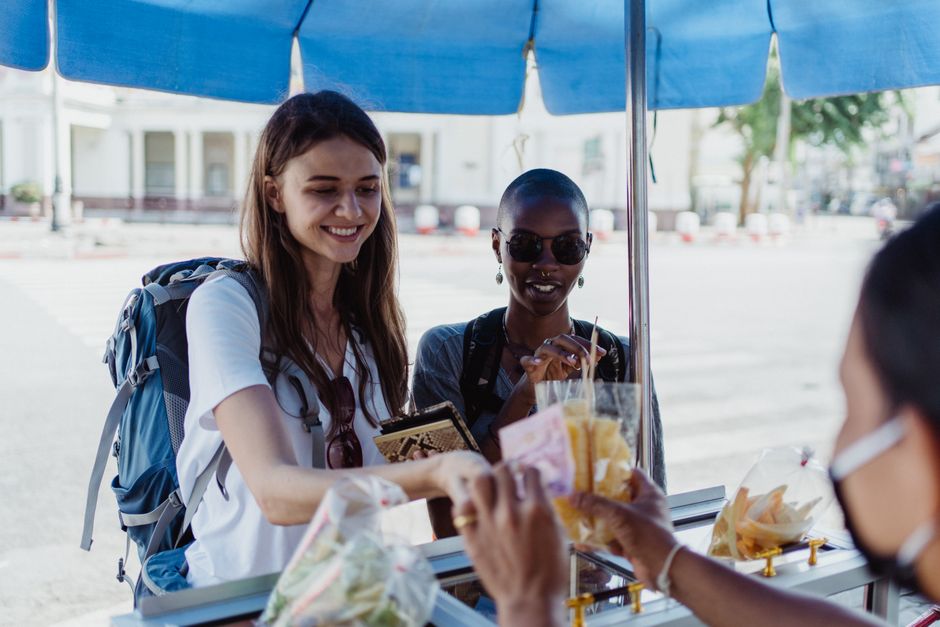
The key here is observation and common sense. Look for vendors with a high turnover of customers – this usually means the food is fresh and not sitting around. Watch how they handle food: do they use separate utensils for raw and cooked items? Are they wearing gloves? Is the cooking surface clean? If you see a grill constantly sizzling and fresh ingredients being added, that’s generally a good sign. Avoid anything that looks like it’s been sitting out for too long, especially if it’s warm but not piping hot, as this is a prime breeding ground for bacteria.
Practical Examples: Europe vs. South America
In many parts of Europe, particularly in well-regulated cities like London or Berlin, street food vendors are often subject to stringent health and safety checks, similar to restaurants. You can generally feel more confident trying a döner kebab or a pretzel. However, even within Europe, local regulations can vary. In some smaller towns or seasonal markets, hygiene might be less rigorously enforced. In South America, the street food scene is often more informal. While incredibly delicious, you’ll need to be more discerning. A freshly fried pastel in Brazil might be a safer bet than a ceviche from a vendor with dubious refrigeration. Always prioritize food that is cooked to order and served hot.
Proactive Measures: Preparing Your Body for Travel
Beyond choosing your meals carefully, there are steps you can take before and during your trip to bolster your defenses.
Pre-Travel Consultations and Vaccinations
Before any international trip, especially to regions known for higher health risks, consult your doctor. Organizations like the WHO (World Health Organization) and national health services like the NHS in the UK offer comprehensive guidelines on recommended vaccinations and preventative medications. This might include vaccines for Hepatitis A, Typhoid, or even discussions about traveler’s diarrhea prevention (e.g., specific antibiotics for emergencies). Your doctor can provide tailored advice based on your destination, duration, and personal health history.
The Role of Probiotics and Digestive Health
Some travelers swear by probiotics, starting a course a few weeks before their trip and continuing throughout. While scientific evidence on their effectiveness specifically for traveler’s diarrhea is mixed, maintaining a healthy gut microbiome can generally support your digestive system. Look for strains like Lactobacillus and Bifidobacterium. Also, practice good sleep hygiene before and during your trip; a well-rested body is better equipped to fight off infections. Dehydration can also exacerbate digestive issues, so staying well-hydrated with safe water is crucial.
When Things Go Wrong: Dealing with Traveler’s Diarrhea
Even with the best precautions, sometimes stomach issues happen. Knowing how to react can minimize discomfort and prevent more serious complications.
Recognizing Symptoms and Seeking Help
Traveler’s diarrhea is characterized by loose stools, often accompanied by abdominal cramps, nausea, and sometimes fever. The primary concern is dehydration. Symptoms usually appear within a few days of arrival. For mild cases, over-the-counter anti-diarrheal medications (like Loperamide, brand name Imodium) can provide relief, but should be used sparingly, as they can prolong the presence of bacteria. The most important step is rehydration. Oral rehydration salts (ORS), readily available at pharmacies worldwide, are excellent for replacing lost fluids and electrolytes. If symptoms are severe, include high fever, bloody stools, or persistent vomiting, seek medical attention immediately. Most major cities, from Buenos Aires to Toronto, have reputable clinics catering to travelers.
Deciding What to Know About Heat Waves and Urban Health: A Practical Guide
Hydration and Recovery: The Cornerstone of Treatment
Focus on clear fluids: bottled water, clear broths, and ORS solutions. Avoid sugary drinks, alcohol, and caffeine, which can worsen dehydration. Gradually reintroduce bland foods like crackers, rice, bananas, and toast. Give your digestive system time to recover. Don’t rush back to adventurous eating; ease into your regular diet once you feel better. Remember, prevention is ideal, but knowing how to manage issues effectively is your best second line of defense.
FAQ: Food Safety Abroad
What are the biggest food safety risks for travelers?
The biggest risks include consuming contaminated water or ice, raw or undercooked meats, unwashed fruits and vegetables, and food left at unsafe temperatures. These can introduce bacteria, viruses, or parasites not commonly encountered in your home country, leading to traveler’s diarrhea and other illnesses.
How can I safely enjoy street food while traveling?
To safely enjoy street food, choose vendors with high customer turnover, ensuring fresh food. Observe their hygiene practices: look for clean cooking surfaces, proper food handling (e.g., gloves, separate utensils), and food that is cooked to order and served piping hot. Avoid anything that appears to have been sitting out for too long.
Should I avoid ice in drinks when traveling?
Generally, yes, especially in regions where tap water quality is questionable. Ice made from unsafe water can be a major source of contamination. Stick to bottled beverages or drinks without ice. In establishments catering to tourists, ice might be made from purified water, but it’s often safer to assume caution.
What should I do if I get traveler’s diarrhea?
If you get traveler’s diarrhea, the priority is rehydration. Drink plenty of safe fluids, preferably oral rehydration salts (ORS), which replace lost electrolytes. Over-the-counter anti-diarrheal medications can offer temporary relief. If symptoms are severe, persistent, or include fever or bloody stools, seek immediate medical attention.
Is it safe to eat fresh fruits and vegetables abroad?
The safest approach with fresh fruits and vegetables is to follow the ‘peel it, boil it, cook it, or forget it’ rule. If you can peel it yourself (like a banana or orange), it’s generally safer. Avoid salads or pre-cut fruits that may have been washed with unsafe water or handled improperly. Thoroughly cooked vegetables are usually safe.
Does alcohol kill germs in contaminated food or water?
No, alcohol does not reliably kill germs in contaminated food or water. While high-proof alcohol has some antiseptic properties, the concentration in most alcoholic beverages is insufficient to sterilize food or water effectively. Relying on alcohol for purification is a dangerous misconception; always use safe water and food handling practices.
Key Takeaways for a Healthy Trip
Navigating food safety while traveling doesn’t have to be a source of constant anxiety. Instead, consider it a vital part of your trip preparation, akin to packing your passport or booking your flights. By understanding what travelers should know about food safety abroad and why it matters, you equip yourself with the knowledge to make smart choices that protect your health and your precious vacation time.
Remember that proactive prevention is your best defense. This means being mindful of what you eat and drink, practicing excellent hand hygiene, and researching your destination’s specific risks. A little planning, like a pre-travel medical consultation or packing a basic medical kit, can go a long way in ensuring a smoother journey.
Ultimately, the goal is to fully immerse yourself in the local culture, savoring every authentic flavor without fear. With these practical tips and a dose of common sense, you can minimize the risks and maximize your enjoyment, ensuring your trip is memorable for all the right reasons. For more health and wellness guides, explore Le Daily Post.