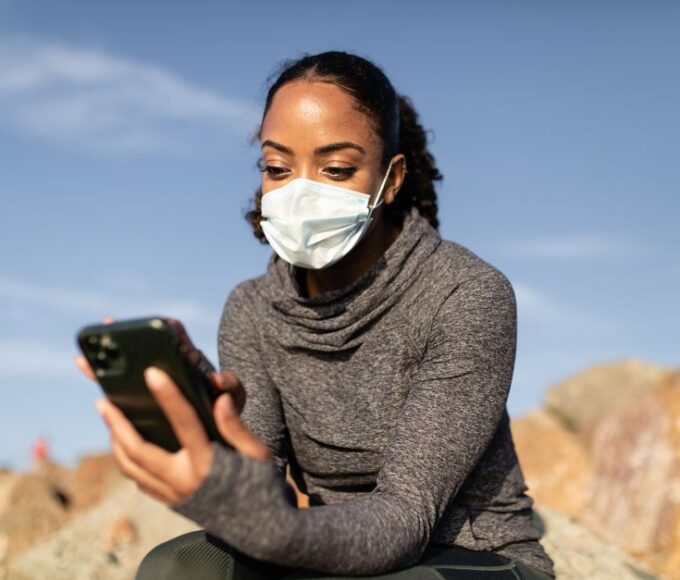

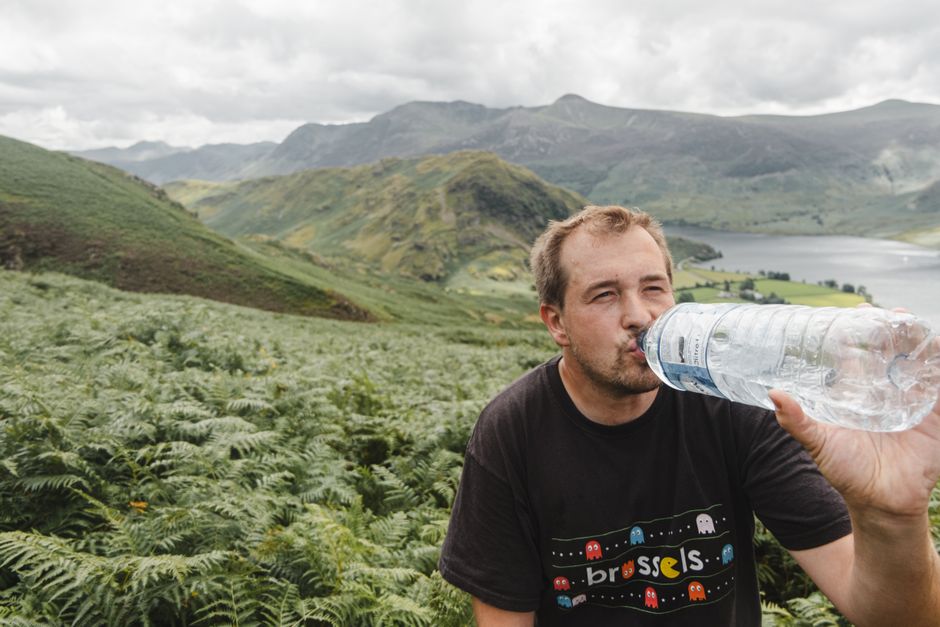
To stay healthy when traveling between climates, the key is proactive adaptation. Your body needs time and support to adjust to new temperatures, humidity levels, and altitudes. Prioritize consistent hydration, especially when flying or moving to warmer regions. Support your immune system with adequate sleep, balanced nutrition, and consider specific supplements like Vitamin C or zinc. Gradual exposure to new environments, proper clothing layering, and understanding local health risks are also crucial steps to minimize stress on your system and maintain your well-being on the go.
There’s a unique thrill to planning a trip that takes you from the bustling warmth of a European summer, perhaps through the dry heat of the Mediterranean, straight into the crisp, cool air of a Canadian autumn, or even up to the dizzying heights of the Andes. The thought of experiencing such diverse environments in a relatively short timeframe is exhilarating. Yet, for many seasoned travelers and families alike, the reality of these swift environmental changes often comes with a hidden challenge: how to effectively manage your body’s response and stay healthy while traveling.
It’s not just about packing the right clothes; it’s about preparing your entire system for the physiological demands of shifting from humidity to aridness, or from sea level to significant altitude. A common mistake is underestimating the cumulative stress these transitions place on your immune system and overall energy levels. Suddenly, that exciting adventure can turn into a battle against fatigue, sniffles, or digestive upset, simply because your body is struggling to keep up with the new environmental cues.
The good news? With a little foresight and some practical strategies, you can navigate these transitions much more smoothly. Our aim here is to equip you with the knowledge to actively support your well-being, ensuring your journey remains enjoyable and your health remains solid, no matter where your itinerary takes you.

Quick Strategies for Climate Adaptation on the Go
- Hydration is Non-Negotiable: Drink water constantly, even if you don’t feel thirsty, especially on flights and in dry or hot climates.
- Prioritize Sleep: Your body repairs and adapts best when well-rested. Aim for consistent sleep patterns.
- Layer Your Clothing: Be prepared for immediate temperature shifts. Think versatile pieces.
- Boost Your Immunity: Focus on nutrient-rich foods and consider immune-supporting supplements.
- Acclimatize Gradually: If possible, allow your body a day or two to adjust to extreme changes before strenuous activity.
- Mindful Eating: Pay attention to local food safety and introduce new cuisines slowly.
- Protect Your Skin: Sunscreen in heat, moisturizer in dry cold – don’t overlook skin health.
- Stay Active (Sensibly): Gentle exercise can help circulation and mood, but avoid overexertion during initial adaptation.
The Cornerstone of Well-Being: Hydration and Nutrition
When you’re constantly on the move, especially across continents like from North America to South America, your body’s fluid balance can easily get out of whack. Air travel, for instance, exposes you to incredibly dry cabin air, which is a major contributor to dehydration. Once you land, moving from, say, a humid coastal city to the dry desert or a high-altitude location like the Andes, continues to challenge your fluid levels.
Combatting Dehydration Proactively
The simple truth is, you need to drink more water than you think. While flying, aim to drink a glass of water for every hour in the air, avoiding excessive caffeine and alcohol which are diuretics. Once on the ground, especially in warmer climates similar to the Mediterranean heat, carry a reusable water bottle and refill it frequently. In places where tap water quality is uncertain, stick to bottled water or use a portable water filter.
Nourishing Your Body for Resilience
Your immune system works overtime when adjusting to new environments. Supporting it with nutrient-dense foods is crucial to stay healthy while traveling. Focus on fresh fruits and vegetables, which provide essential vitamins and antioxidants. Look for local options rich in Vitamin C, like citrus fruits in South America or berries in North America. When dining out, opt for cooked dishes over raw foods where hygiene might be a concern, and always trust your gut feeling about food vendors.
Adapting Your Wardrobe: The Power of Layering
Effective clothing choices are arguably the most immediate and impactful way to manage climate shifts. Moving from the warmth of a city like Miami to the distinct chill of a Canadian winter requires more than just a thicker jacket; it requires a strategic approach to dressing.
Mastering the Art of Layers
The key to staying comfortable across varied temperatures is layering. This isn’t just about throwing on extra clothes; it’s about having a system. Think three primary layers:
- Base Layer: Wicks moisture away from your skin. Think merino wool or synthetic fabrics.
- Mid Layer: Provides insulation. Fleece or down jackets work well.
- Outer Layer: Protects against wind and rain. A waterproof and windproof shell is invaluable.
This system allows you to add or remove items easily throughout the day as temperatures fluctuate. For example, exploring cities in Europe in spring often means cool mornings, warm afternoons, and chilly evenings. Layers give you the flexibility to adapt without having to return to your accommodation for a wardrobe change.
Altitude Sickness: Navigating High-Elevation Destinations
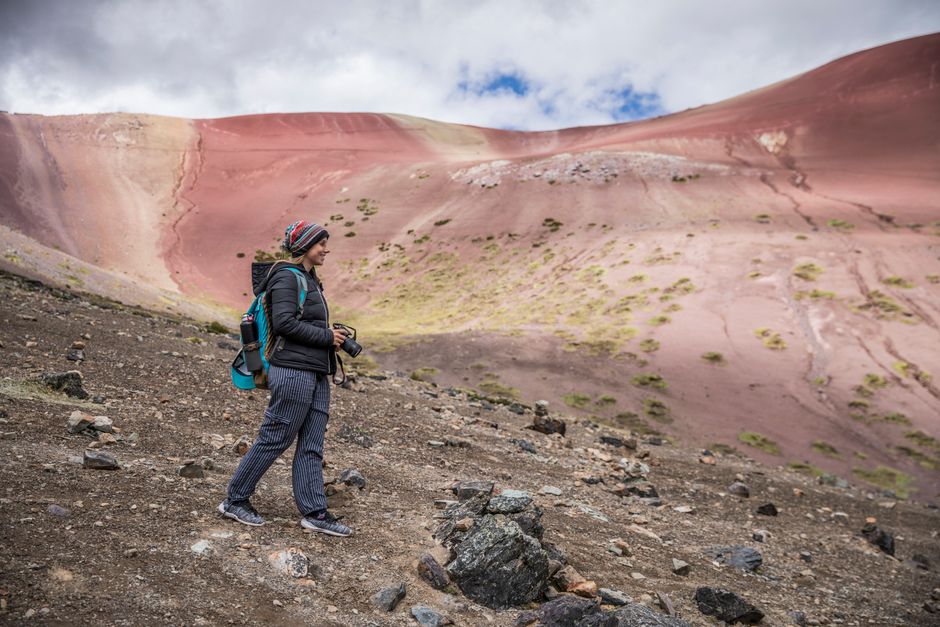
Traveling to high-altitude destinations, particularly in regions like the Andes mountains in South America, presents a unique set of challenges that can significantly impact your health. Altitude sickness, or Acute Mountain Sickness (AMS), is a real concern and requires careful management to stay healthy while traveling.
Gradual Ascent and Hydration at Altitude
The most important piece of advice for high altitudes is to ascend gradually. If possible, spend a day or two at a moderate elevation before heading to very high altitudes. For example, if you’re planning to visit Cusco, Peru, consider spending a day or two in Arequipa first. Hydration becomes even more critical at altitude; the thinner air and increased respiration mean you lose fluids faster. Herbal teas, like coca tea often offered locally, can also help mitigate symptoms, but water is your primary defense. Avoid alcohol and heavy meals during your first few days at elevation.
Recognizing and Responding to Symptoms
Symptoms of AMS can range from headaches and nausea to dizziness and fatigue. Listen to your body. If symptoms worsen, descend to a lower elevation. It’s not a sign of weakness; it’s a smart health decision. Over-the-counter pain relievers can help with headaches, and some travelers consult their doctor about prescription medication like acetazolamide (Diamox) before their trip, especially for rapid ascents.
Immune Support: Fortifying Your Defenses
The stress of travel itself, combined with significant climate shifts, can put a strain on your immune system. Moving from a tropical climate to a cold one, or even just dealing with different allergens and germs, means your body is constantly working to adjust. Proactive immune support is key to helping you stay healthy while traveling.
Nutritional Boosts and Proactive Measures
Beyond general healthy eating, consider specific immune-boosting strategies. Many travelers find a daily dose of Vitamin C and zinc beneficial before and during their trips. Probiotics can also be helpful for maintaining gut health, which is closely linked to immune function, especially when trying new foods. Good hygiene, like frequent hand washing, is simple but incredibly effective at preventing the spread of germs, particularly in crowded airports or public transport.
Rest and Stress Management
Adequate sleep is one of the most powerful immune boosters. While it can be tough with jet lag and busy itineraries, prioritize getting quality rest whenever possible. Consider eye masks and earplugs. Managing stress through mindfulness, light exercise, or simply enjoying the moment can also prevent your immune system from becoming overtaxed. Remember, your body needs downtime to recover and adapt.
Managing Jet Lag and Sleep Patterns
Crossing multiple time zones, whether flying from Europe to North America or within different parts of South America, inevitably leads to jet lag. This disruption to your circadian rhythm can significantly impact your ability to function and adapt to new climates, making it harder to stay healthy while traveling.
Pre-empting and Recovering from Jet Lag
Start adjusting your sleep schedule a few days before you depart by shifting your bedtime closer to your destination’s time zone. Upon arrival, try to get into the local rhythm as quickly as possible. Expose yourself to natural light during the day and avoid heavy meals or excessive screen time close to bedtime. Short naps (20-30 minutes) can be helpful, but avoid long naps that might further disrupt your night sleep. Melatonin supplements, used judiciously, can also assist in resetting your sleep cycle, but it’s always wise to consult a healthcare professional before starting any new supplement regimen.
FAQ: Staying Healthy While Traveling
Q: How do you stay healthy when traveling between climates?
A: To stay healthy, focus on proactive hydration, consistent sleep, and immune-supporting nutrition. Layer your clothing for adaptability, and gradually expose your body to extreme new environments. Good hygiene, like frequent hand washing, also plays a crucial role in preventing illness and ensuring your body can cope with the changes.
Q: What are the best tips for immune support while traveling?
A: Prioritize nutrient-rich foods, especially fruits and vegetables high in Vitamin C. Consider daily supplements like Vitamin C and zinc, and probiotics for gut health. Crucially, ensure you get adequate sleep and manage stress, as these significantly impact your immune system’s ability to protect you.
Q: How can I prevent altitude sickness when traveling to places like the Andes?
A: Prevent altitude sickness by ascending gradually, allowing your body time to acclimatize. Stay exceptionally hydrated with water, and avoid alcohol and strenuous activity on your first few days at high elevation. Listen to your body and descend if symptoms worsen.
Q: Is hydration more important in specific climates?
A: Hydration is crucial in all climates, but it becomes even more critical in very hot and humid environments (like the Mediterranean heat), dry climates, and high altitudes. These conditions accelerate fluid loss, making consistent water intake non-negotiable for maintaining energy and preventing heat-related illnesses or altitude sickness.
Q: What clothing strategies work best for diverse climate travel?
A: The best strategy is layering. Use a moisture-wicking base layer, an insulating mid-layer (like fleece), and a waterproof/windproof outer shell. This allows you to easily add or remove clothing to adapt to rapidly changing temperatures, from a chilly Canadian winter morning to a warmer afternoon.
Key Takeaways for Your Healthy Journey
Navigating the world’s diverse climates doesn’t have to mean compromising your health. The strategies outlined here are not just theoretical; they are practical, tried-and-true methods that empower you to proactively manage your well-being. Remember, the goal is to enjoy every moment of your adventure, and a healthy body is your best companion.
Focus on the fundamentals: stay consistently hydrated, prioritize good quality sleep, and nourish your body with wholesome foods to support your immune system. Strategic layering of your clothing provides immediate flexibility for temperature changes, while a gradual approach to high altitudes can prevent discomfort and more serious health issues.
Ultimately, a mindful approach to travel health means listening to your body, making informed choices, and being prepared for the changes that come with exploring our incredible planet. By adopting these habits, you’ll be much better equipped to stay healthy while traveling, ensuring your memories are filled with joy, not illness.
For more detailed insights into maintaining your well-being on the go, be sure to read more health and wellness guides on Le Daily Post.