
To sleep better in noisy apartments and hotels, focus on a multi-pronged approach that combines sound blocking, sound masking, and personal adjustments. This often involves using high-quality earplugs or noise-canceling headphones, incorporating white noise machines (like the Hatch Rest+ or LectroFan) or apps, and optimizing your sleep environment by minimizing light and regulating temperature. Simple behavioral changes, such as avoiding caffeine before bed and establishing a consistent sleep schedule, also play a crucial role in improving sleep quality despite external noise.
For many of us, the promise of a good night’s sleep often collides with the reality of our environment. Whether you live in a bustling city apartment in New York or Paris, or find yourself in a hotel room in Buenos Aires with paper-thin walls, external noise is a relentless adversary. It’s not just the blare of sirens or late-night chatter; even subtle hums and creaks can fragment your sleep, leaving you feeling groggy and less productive.
This isn’t merely an annoyance; it has significant health implications. Chronic sleep deprivation, often exacerbated by noise, impacts everything from cognitive function and mood to long-term physical health. For busy professionals constantly on the move across North America, Europe, or South America, mastering the art of sleeping soundly despite surrounding din isn’t a luxury—it’s a necessity for maintaining performance and well-being.
The good news is that you’re not powerless. There are tangible, effective strategies you can employ to reclaim your quiet, restorative sleep. This guide cuts through the noise (pun intended) to offer practical, actionable advice that actually works.
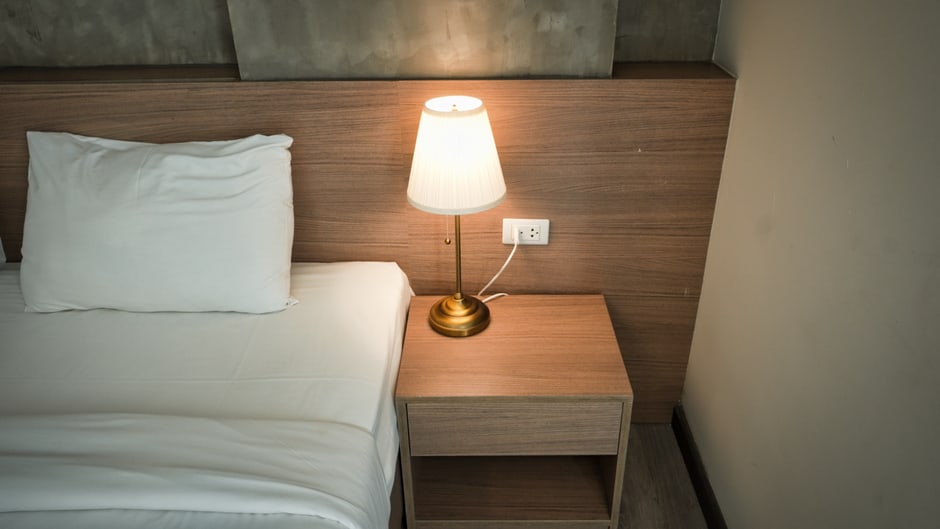
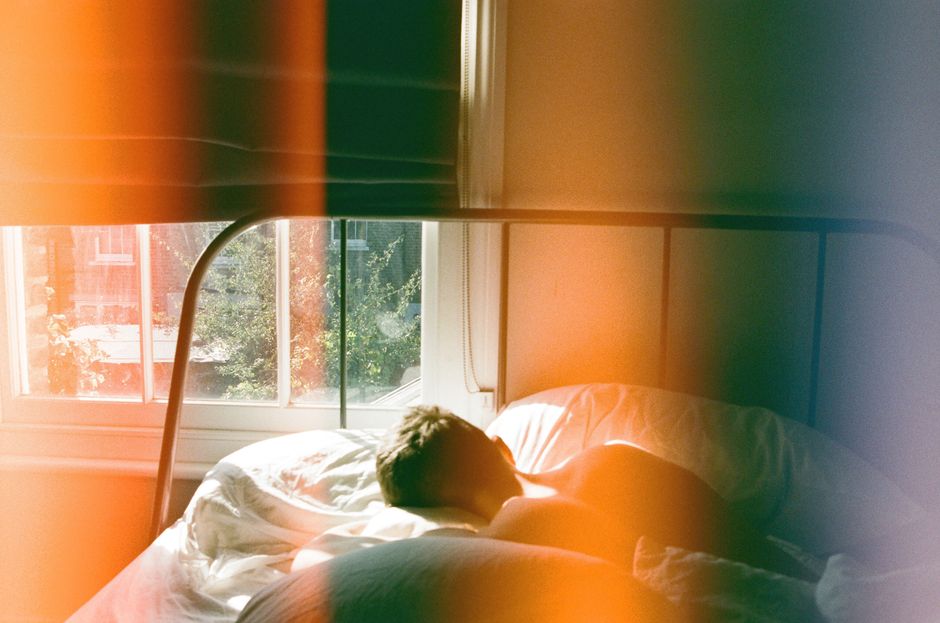
Image Caption: A serene bedroom, despite its urban setting, hints at successful noise mitigation strategies for better sleep.
Your Quick Toolkit for Quieter Sleep
Conquering noise pollution for better sleep requires a strategic mix of defense and offense. Here’s a snapshot of what actually works:
- High-Fidelity Earplugs: Not all earplugs are created equal. Invest in comfortable, effective ones.
- Noise-Canceling Headphones: A lifesaver for travel and temporary noise.
- White Noise Machines/Apps: Masking sounds is often more effective than trying to block them all.
- Soundproofing Tactics: Simple fixes for windows and doors can make a big difference.
- Environmental Optimization: Beyond noise, light and temperature are critical.
- Pre-Sleep Rituals: Preparing your body and mind for rest, regardless of the environment.
- Understanding Your Personal Triggers: Knowing what keeps you awake helps you combat it.
The First Line of Defense: Earplugs and Headphones
When it comes to blocking out immediate noise, personal sound protection is your fastest and often most effective solution, especially for those trying to sleep better in a noisy apartment or hotel.
Choosing the Right Earplugs: Beyond Foam
Forget those cheap, brightly colored foam earplugs you get at the pharmacy. While they offer some sound reduction, they often aren’t comfortable enough for prolonged use and don’t provide consistent attenuation. For most readers, the best options fall into a few categories:
- Wax or Silicone Earplugs: Brands like Mack’s Pillow Soft Silicone Earplugs are fantastic. You mold them to your ear canal, creating a custom seal that blocks a surprising amount of sound. They’re comfortable for side sleepers and excellent for travel.
- High-Fidelity Reusable Earplugs: These are designed more for concerts to preserve sound quality, but brands like Loop Quiet or Flare Audio Calmer can also reduce general ambient noise to a more tolerable level without completely isolating you, which some people prefer.
- Custom-Molded Earplugs: If you’re serious about long-term noise reduction in a consistently noisy home environment, consider investing in custom-molded earplugs from an audiologist. They offer superior comfort and sound blocking, though they are a significant investment.
A common mistake is inserting foam earplugs incorrectly. Make sure to roll them into a tight cylinder, pull your ear up and back, insert deep into the ear canal, and hold until it expands. An improper seal dramatically reduces their effectiveness.
The Power of Noise-Canceling Headphones
For airplane travel, hotel stays, or even just drowning out a particularly loud neighbor, good noise-canceling headphones are invaluable. Brands like Sony (e.g., WH-1000XM5) and Bose (e.g., QuietComfort series) are industry leaders for a reason. They use active noise cancellation (ANC) to electronically counteract external low-frequency sounds. While they won’t block everything (high-pitched voices can still cut through), they create a noticeable zone of quiet.
Travel Vaccines and Health Prep: What to Check Before Visiting the Americas
The main drawback for sleeping is comfort. Over-ear headphones can be bulky for side sleepers. In-ear noise-canceling earbuds (like Sony WF-1000XM5 or Bose QuietComfort Earbuds II) are a better option for sleep, though still not as unobtrusive as earplugs. Many people pair them with white noise played quietly to enhance the masking effect.
Masking the Unavoidable: White Noise and Beyond
Sometimes, blocking noise entirely is impossible. This is where sound masking comes in. Instead of trying to eliminate noise, you introduce a consistent, soothing sound that covers up intermittent or jarring disturbances.
White Noise Machines and Apps: Your New Best Friend
A dedicated white noise machine is often superior to a phone app, primarily because it’s designed for continuous, high-quality audio without interruptions from notifications. Popular brands include the LectroFan (known for its wide range of fan sounds and white noise options) and the Hatch Rest+ (which also offers night light and alarm features, great for kids but also adults). These devices generate a consistent, broadband sound that effectively masks sudden noises like car horns, distant conversations, or plumbing sounds in an old building.
If you prefer an app, try ‘White Noise Lite’ or ‘Sleep Cycle’ (which also tracks sleep). The key is to find a sound you find genuinely relaxing—white noise, pink noise (deeper, like rainfall), brown noise (even deeper, like a strong waterfall), or natural sounds like rain or ocean waves. Experiment to find what helps you sleep better in a noisy apartment or hotel.
The Role of Fan Noise
Many people find the consistent hum of a simple fan to be excellent for masking noise. This also serves a dual purpose by improving air circulation. While not as sophisticated as a dedicated white noise machine, a good quality fan can be a cost-effective solution, especially in warmer climates common in parts of South America.
Image Caption: A white noise machine on a nightstand, emitting a soft glow and consistent sound to aid sleep in a noisy environment.
Optimizing Your Sleep Environment: Beyond Sound
While sound is the primary focus, a holistic approach to your sleep environment significantly boosts your chances of sleeping soundly.
Air Quality and Temperature: The Unsung Heroes
Air quality: The CDC emphasizes that indoor air quality can impact respiratory health and sleep. In urban environments, apartments and hotels can suffer from stale air, dust, and even pollutants. Consider a HEPA air purifier for your bedroom. Brands like Coway or Levoit can significantly reduce allergens and improve air freshness, contributing to easier breathing and a more comfortable sleep environment. Regular ventilation, even for a few minutes before bed, also helps.
Temperature: Your body naturally cools down to initiate sleep. The ideal room temperature for most adults is between 18-20°C (65-68°F). If your hotel room or apartment is too warm, especially in summer, it will be harder to fall and stay asleep. Use air conditioning, fans, or even opening a window (if noise permits) to regulate temperature. Breathable bedding (cotton, linen) also helps manage body temperature.
Light Management: Blackout Curtains and Eye Masks
Even small amounts of light can disrupt melatonin production. Blackout curtains are a must for sleeping better in noisy apartments and hotels, particularly in places like Europe where streetlights can be pervasive. For travelers, a comfortable eye mask is indispensable. Look for contoured masks that don’t put pressure on your eyes and block 100% of light.
Fitness Apps vs. Wearables: Which Helps People Build Better Habits?
Behavioral Adjustments and Pre-Sleep Rituals
Your habits before bed are just as important as your external environment.
Wind-Down Routines and Digital Detox
Establish a consistent pre-sleep ritual. This tells your body it’s time to prepare for rest. This could involve reading a physical book, taking a warm bath, or gentle stretching. Crucially, avoid screens (phones, tablets, laptops) for at least an hour before bed. The blue light emitted by these devices suppresses melatonin, making it harder to fall asleep, regardless of noise levels.
Walking and Exercise: Timing is Everything
Regular physical activity is vital for good sleep. The CDC recommends at least 150 minutes of moderate-intensity aerobic activity per week. This includes activities like brisk walking. However, timing matters. Exercising too close to bedtime, especially high-intensity workouts, can raise your core body temperature and stimulate your nervous system, making sleep difficult. Aim to finish vigorous exercise at least 3-4 hours before you plan to sleep. A gentle evening walk, however, can be relaxing and promote sleep.
FAQ: Answering Your Pressing Sleep Questions
Does playing music help you sleep in a noisy environment?
For some, soft, instrumental music or ambient soundscapes can help mask noise and promote relaxation. However, music with lyrics or a strong beat can be distracting. The key is consistency and predictability; sudden changes in volume or rhythm can be disruptive rather than helpful.
Can essential oils really help with noisy sleep?
Essential oils like lavender, chamomile, or frankincense are known for their calming properties. While they won’t block noise, diffusing them in your sleep space or applying a diluted version to pulse points can help create a relaxing atmosphere that makes it easier to fall asleep and potentially tune out minor disturbances.
Is it bad to always sleep with earplugs or white noise?
No, it is generally not bad. Many people safely use earplugs or white noise nightly without issues. The primary concern with earplugs is proper hygiene to prevent ear infections, and with white noise, ensuring the volume isn’t excessively loud to avoid potential hearing damage over time. Listen to your body and keep volumes at a comfortable level.
How do hotels manage noise for guests?
High-end hotels often invest in soundproofing (thicker walls, double-pane windows, solid doors) during construction or renovation. They may also use carpets, heavy draperies, and strategically placed furniture to absorb sound. Some provide white noise machines or earplugs as amenities, especially in rooms facing noisy streets or located near elevators.
What should I do if my neighbors are consistently loud?
If you’re in an apartment, start by politely communicating with your neighbors. If that fails, check your building’s noise policies or local ordinances. Many cities (e.g., London, São Paulo) have specific noise regulations. Document incidents and, if necessary, escalate to your landlord or building management. Legal action is a last resort.
Does alcohol help you sleep better in a noisy place?
While alcohol might make you feel drowsy initially, it actually disrupts sleep architecture, leading to more fragmented and less restorative sleep later in the night. It also makes you more susceptible to waking from noise. For quality sleep, especially in a noisy environment, it’s best to avoid alcohol before bed.
Key Takeaways for Restorative Sleep Anywhere
Sleeping better in noisy apartments and hotels isn’t about finding a single magic bullet; it’s about building a solid strategy. Prioritize personal sound barriers like high-quality earplugs or noise-canceling headphones as your immediate defense. Then, master the art of sound masking with a white noise machine or app to create a consistent, soothing sonic environment.
Don’t overlook the broader sleep environment. Optimize air quality with purifiers and ensure your room temperature is cool and comfortable. Finally, remember that your daily habits profoundly impact your ability to sleep. Establish a calming pre-sleep routine and time your physical activity wisely. By combining these practical steps, you can significantly improve your chances of achieving deep, restorative sleep, no matter how much noise the world throws at you.
For more insights and guides on enhancing your well-being, read more health and wellness guides on Le Daily Post.