

Before visiting the Americas, travelers should prioritize several key health checks to ensure a safe journey. This includes consulting a healthcare provider or a travel clinic at least 4-6 weeks before departure to discuss necessary travel vaccines, such as those for yellow fever, measles, and tetanus. It’s also crucial to research common regional health risks like dengue fever, malaria, and Zika virus, especially in tropical areas of South and Central America. Furthermore, review your general health insurance, pack a basic first-aid kit, and understand local medical facilities. Proper planning helps mitigate risks and ensures a healthier travel experience across the Americas.
Anticipation is a huge part of any international trip, especially when heading to dynamic and diverse destinations like those across the Americas. Whether you’re dreaming of hiking in Peru, exploring the vibrant cities of Brazil, or relaxing on a Caribbean beach, the excitement builds with every booking. But amidst the itinerary planning and packing, there’s a crucial, often overlooked, step: preparing your health. A common mistake is leaving this until the last minute, only to discover you needed a vaccine series that takes weeks to complete.
Ignoring health preparation can turn an incredible adventure into a regrettable experience. We’ve all heard stories of travelers getting sick abroad, and while some things are unavoidable, many health issues, particularly infectious diseases, can be prevented with proper foresight. This isn’t just about avoiding a spoiled vacation; it’s about protecting yourself and, by extension, those around you, both during and after your trip. Understanding the specific health risks and necessary travel vaccines Americas
requires a bit of research, but it’s an investment that pays dividends in peace of mind and well-being.
So, before you finalize that packing list or commit to another adventure, let’s talk about what truly matters for your health. What checks should travelers do before visiting the Americas? It boils down to a proactive approach, starting with a consultation with a healthcare professional or a dedicated travel clinic. They can offer tailored advice based on your itinerary, medical history, and current immunization status, guiding you through the essential travel vaccines Americas
might require.

Quick Overview: Essential Health Prep for the Americas
Getting ready for your trip to the Americas involves more than just booking flights. Here’s a quick checklist of health preparations:
- Consult a Travel Doctor: Schedule an appointment 4-6 weeks before your trip.
- Review Routine Vaccinations: Ensure you’re up-to-date on standard immunizations (MMR, DTaP, polio, flu).
- Research Destination-Specific Vaccines: Identify required or recommended shots like yellow fever, typhoid, or hepatitis A/B for your specific destinations.
- Understand Mosquito-Borne Illnesses: Be aware of risks like dengue, malaria, and Zika, and plan for solid mosquito protection.
- Pack a Basic Health Kit: Include essentials like pain relievers, anti-diarrhea medication, and any personal prescriptions.
- Check Travel Insurance: Verify coverage for medical emergencies and evacuations abroad.
- Stay Hydrated and Safe with Food/Water: Understand local water safety and food hygiene practices.
- Know Local Medical Resources: Research hospitals or clinics near your accommodations.
Vaccines for Travel: Understanding Your Immunization Needs
When we talk about travel vaccines Americas
, it’s not a one-size-fits-all situation. The specifics depend heavily on where you’re going, what you’ll be doing, and your own health history. Consulting with a travel health specialist is the gold standard here. Organizations like the CDC (Centers for Disease Control and Prevention) and the WHO (World Health Organization) offer country-specific recommendations, but a doctor can interpret these for your unique circumstances.
Routine Vaccinations: The Non-Negotiables
Even before considering exotic destinations, ensure your routine vaccinations are current. These are the shots you likely received as a child or throughout adulthood that protect against common diseases globally. Think measles, mumps, rubella (MMR), diphtheria, tetanus, and pertussis (DTaP), polio, and yearly flu shots. Many countries in the Americas, particularly in North America and more developed urban centers in South America, have high rates of these diseases if immunization isn’t widespread. Catching measles on your trip to Toronto or getting tetanus from a minor injury in Santiago is completely avoidable.
Destination-Specific Travel Vaccines: Americas Edition
This is where things get specific to your itinerary. Tropical regions, rural areas, and certain activities improve your risk for specific infections. Here are some of the most common travel vaccines Americas
might require:
- Yellow Fever: This is perhaps the most well-known mandatory travel vaccine for parts of South America. Countries like Brazil, Peru, and Colombia often require proof of yellow fever vaccination, especially if you’re traveling from or through an endemic area, or if you plan to visit specific jungle or Amazonian regions. The vaccine is highly effective, but it needs to be administered at least 10 days before travel to be valid and provide protection. Keep your International Certificate of Vaccination (the ‘yellow card’) safe!
- Typhoid: Recommended for most travelers to Central and South America, especially those venturing outside typical tourist resorts or staying for extended periods. Typhoid fever is contracted through contaminated food and water.
- Hepatitis A: Highly recommended for all travelers to Central and South America, as it’s easily transmitted through contaminated food and water, regardless of where you stay or eat.
- Hepatitis B: Recommended for travelers who might have close contact with locals (e.g., long-term stays, medical work), or who might receive medical care abroad.
- Rabies: Crucial for adventure travelers, those working with animals, or spending extended time in rural areas where rabies is present, especially in countries like Peru or Brazil. The pre-exposure series gives you a head start, but post-exposure treatment is still necessary if bitten.
Mosquito-Borne Illnesses and Proactive Protection
Beyond vaccines, managing insect-borne diseases is a huge part of health preparation for the Americas. Mosquitoes in particular are vectors for several serious illnesses prevalent in many parts of the continent, particularly in tropical and subtropical zones. A travel health checklist
for the Americas absolutely must include solid mosquito protection
strategies.
Dengue, Zika, and Chikungunya
These viral infections are transmitted by Aedes aegypti and Aedes albopictus mosquitoes, which bite during the day. Dengue is endemic throughout much of Central and South America, including popular destinations in Brazil, Colombia, and Mexico. There are no specific vaccines widely available for these for travelers, so prevention hinges entirely on avoiding mosquito bites.
How to Stay Healthy While Traveling Across Different Climates
Malaria
Malaria, transmitted by Anopheles mosquitoes, is found in specific regions of South America, Central America, and the Caribbean. While it’s not present everywhere, certain jungle or rural areas in countries like Peru, Colombia, or parts of the Amazon basin in Brazil do pose a risk. Your doctor might prescribe antimalarial medication depending on your specific itinerary. This isn’t a vaccine, but a prophylactic drug that you take before, during, and after your trip.
Effective Mosquito Protection Strategies
Regardless of where you go in the Americas, if mosquitoes are present, take these precautions:
- Use EPA-Registered Insect Repellents: Products containing DEET (30-50%), picaridin, oil of lemon eucalyptus (OLE), or IR3535 are effective. Apply according to package directions. For example, brands like OFF! or Sawyer offer good options.
- Wear Protective Clothing: Long-sleeved shirts, long pants, and socks, especially at dawn and dusk when mosquitoes are most active. Light-colored clothing can also make it easier to spot mosquitoes.
- Sleep Under a Mosquito Net: If your accommodation isn’t screened or air-conditioned, a permethrin-treated bed net can be a lifesaver.
- Treat Clothing with Permethrin: You can treat clothing, gear, and mosquito nets with permethrin for added protection. Do not apply permethrin directly to skin.
- Be Aware of Your Surroundings: Mosquitoes breed in standing water. Try to avoid areas with stagnant water, especially after rain.
Food and Water Safety: Staying Healthy From the Inside Out
Much like travel vaccines Americas
requires research, so does understanding local food and water safety. Traveler’s diarrhea is a common ailment, and while rarely life-threatening, it can certainly disrupt your plans. It’s often caused by consuming contaminated food or water.
The Golden Rules of Food Safety
When dining out or buying street food, especially in parts of Central and South America:
- Cook It, Peel It, or Forget It: This old adage holds true. Ensure food is thoroughly cooked and served hot. Avoid raw or undercooked meats, fish, and eggs.
- Wash Fresh Produce: If you’re eating fruits or vegetables with edible skins, wash them thoroughly with safe water or peel them yourself.
- Be Wary of Buffets: Food sitting out for extended periods can be a breeding ground for bacteria.
- Street Food: While often delicious, choose vendors who are busy, prepare food fresh in front of you, and maintain good hygiene. Observe how they handle food, especially raw ingredients.
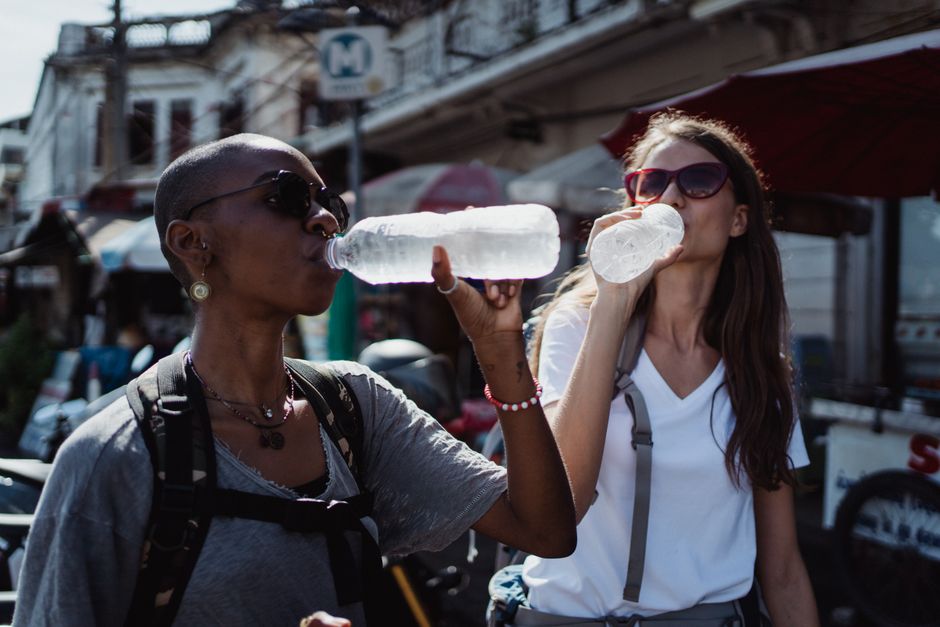
Ensuring Safe Drinking Water
Tap water in many parts of the Americas, particularly outside major North American cities, is not safe to drink without treatment.
- Stick to Bottled Water: Look for sealed bottles. Always check the seal.
- Boil Water: If bottled water isn’t available, bring water to a rolling boil for at least one minute.
- Use Water Filters/Purifiers: Portable water filters like LifeStraw or Sawyer products, or purification tablets, can be invaluable for adventurers in remote areas.
- Avoid Ice: Unless you’re certain it’s made from purified water, skip the ice in your drinks.
- Be Mindful of Brushing Teeth: Use bottled water even for brushing your teeth if tap water is suspect.
General Health and Safety: A Broader Travel Health Checklist
Beyond specific travel vaccines Americas
and food safety, a comprehensive travel health checklist
includes broader safety and wellness considerations.
Travel Insurance and Medical Access
This is non-negotiable. Your regular health insurance likely won’t cover you adequately (or at all) outside your home country. Purchase comprehensive travel insurance that covers medical emergencies, emergency evacuation, and repatriation. Brands like World Nomads or Allianz Travel often cater to international travelers.
Research medical facilities near your accommodation. Knowing where the nearest reputable hospital or clinic is, and how to get there, can save precious time in an emergency. In major cities across North and South America, you’ll find modern facilities, but quality can vary significantly in rural areas. For instance, while São Paulo, Brazil, boasts world-class hospitals, medical access in a remote Amazonian village will be very different.
Packing a Smart First-Aid Kit
Your personal health kit should be tailored to your trip but generally includes:
- Prescription medications (with a doctor’s note and in original packaging).
- Over-the-counter pain relievers (e.g., ibuprofen, acetaminophen).
- Antihistamines for allergies.
- Anti-diarrhea medication (e.g., Imodium).
- Band-Aids, antiseptic wipes, and wound care supplies.
- Hand sanitizer.
- Sunscreen and after-sun lotion.
- Any personal items for chronic conditions (e.g., asthma inhaler, EpiPen).
Sun Safety and Altitude Sickness
The sun in the Americas, especially near the equator and at higher altitudes (e.g., the Andes in Peru or Colombia), can be incredibly strong. Wear high-SPF sunscreen, sunglasses, and a wide-brimmed hat. Seek shade during peak hours.
Walking for Health: Why European City Habits Work Anywhere
If your itinerary takes you to high-altitude destinations like Cusco (Peru), La Paz (Bolivia), or Bogotá (Colombia), be prepared for altitude sickness. Ascend gradually, stay hydrated, avoid alcohol and heavy meals, and consider discussing prophylactic medication like acetazolamide with your doctor. Symptoms include headache, nausea, dizziness, and fatigue.
FAQ: Your Top Questions About Health Prep for the Americas
What is the most important vaccine for traveling to South America?
The yellow fever vaccine is often considered the most crucial for many parts of South America, especially if visiting jungle or rural areas of countries like Brazil, Peru, or Colombia. It’s often required for entry or recommended for specific regions, with proof needed via an International Certificate of Vaccination. Always check the latest requirements for your specific itinerary.
How far in advance should I get my travel vaccines for the Americas?
It is strongly recommended to schedule a consultation with a travel health specialist at least 4-6 weeks before your departure to the Americas. Some vaccines, like yellow fever, require 10 days to become effective, while others are given in a series over several weeks or months. Early planning ensures you receive full protection.
Do I need malaria pills for all of South America?
No, you do not need malaria pills for all of South America. Malaria risk varies significantly by region. For instance, there’s no malaria risk in major cities or high-altitude areas like the Andean plateaus. However, specific jungle and rural regions in countries like Brazil, Peru, and Colombia do pose a risk. Consult a doctor or travel clinic to determine if antimalarial medication is necessary for your exact itinerary.
What are the biggest health risks for travelers in the Americas?
Beyond needing specific travel vaccines Americas
might require, the biggest health risks for travelers often include mosquito-borne illnesses like dengue, Zika, and malaria, as well as food and waterborne diseases such as traveler’s diarrhea and hepatitis A. Injuries, accidents, and exposure to strong sun are also common concerns. Adhering to food and water safety and solid mosquito protection is key.
Is it safe to drink tap water in all North American countries?
While tap water is generally safe to drink in most of the United States and Canada, it’s not universally safe across all North American countries. In Mexico and Central American nations, it is often advisable to stick to bottled or purified water, even for brushing teeth, to avoid gastrointestinal issues. Always verify local recommendations for potable water.
Can I get my travel vaccines Americas at any clinic?
While many routine vaccinations can be administered by your regular doctor, specialized travel vaccines like yellow fever often require a certified travel clinic. These clinics have specific expertise in travel medicine and are authorized to administer certain vaccines and issue official certificates. It’s best to seek out a clinic specializing in travel health for comprehensive advice and immunization.
Key Takeaways for a Healthy Trip to the Americas
Preparing for a trip to the Americas involves a thoughtful and proactive approach to your health. The key is to understand that travel vaccines Americas
might require are just one piece of a larger puzzle. You’ll need to combine necessary immunizations with smart preventative measures against insect-borne diseases, and vigilant food and water hygiene.
Ultimately, a successful trip isn’t just about the sights you see, but also about the memories you make without interruption from illness. By taking the time to consult health professionals, research your specific destinations, and implement practical safeguards, you significantly increase your chances of a healthy and enjoyable adventure. Don’t underestimate the value of comprehensive travel insurance and a well-stocked personal first-aid kit; these are your safety nets.
Think of this preparation as an essential part of your travel budget and itinerary. A little planning goes a long way in ensuring your focus remains on experiencing the incredible cultures and landscapes that North and South America have to offer, rather than dealing with preventable health issues. Stay informed, stay prepared, and travel well!
For more health and wellness guides to help you navigate your next journey, explore other articles on Le Daily Post.