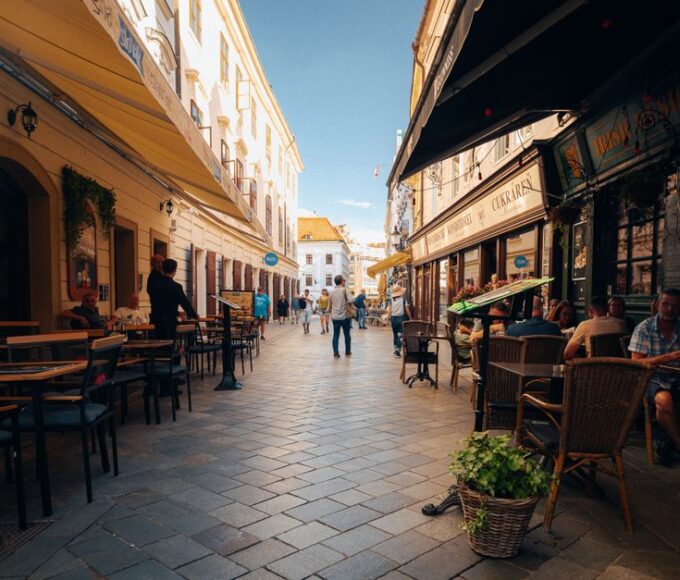

Summer heat can be glorious, but when it morphs into a prolonged heat wave, especially within the concrete jungle of a city, things change dramatically. What might feel like a pleasant warmth at a beach house transforms into a suffocating, energy-draining experience in an apartment with limited airflow. For those of us who work remotely, the lines between personal comfort and professional responsibility blur even further. Suddenly, a productive workday can be derailed by a creeping headache, fatigue, or simply the inability to focus amidst the oppressive heat radiating from every surface.
It’s not just about turning up the AC or sipping iced tea; it’s about understanding the specific challenges that urban environments pose during these extreme weather events. Heat waves in cities amplify risks due to the urban heat island effect, where dark surfaces absorb and re-emit heat, often making cities several degrees hotter than surrounding rural areas. This guide aims to cut through the noise, offering concrete advice on deciding what to know about heat wave urban health tips, tailored for remote workers navigating these increasingly common meteorological events across different continents.
Understanding the Urban Heat Island Effect and Your Exposure
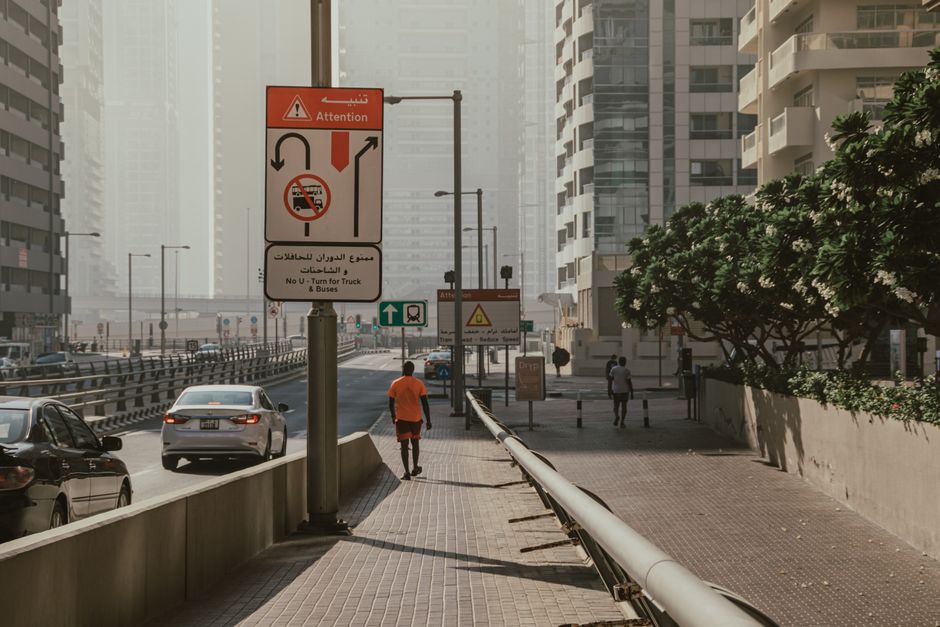
Before diving into solutions, it’s important to grasp why cities feel so much hotter. The urban heat island (UHI) effect is a phenomenon where urban and metropolitan areas are significantly warmer than their surrounding rural areas due to human activities. Buildings, roads, and other infrastructure absorb and store solar radiation, releasing it slowly, even at night. This isn’t just an inconvenience; it’s a significant health risk.
Consider a remote worker in Paris during a July heatwave, where temperatures might soar to 40°C (104°F). The ancient stone buildings, charming as they are, become heat sinks. Similarly, in Buenos Aires or New York City, the sheer density of concrete and asphalt prevents natural cooling. This sustained heat exposure, day and night, prevents bodies from recovering, leading to a higher incidence of heat-related illnesses. The World Health Organization (WHO) has repeatedly highlighted the growing public health threat posed by heat waves, particularly in urban settings where vulnerable populations often lack access to adequate cooling or information.
Practical Strategies for Mitigating Heat Wave Impacts on Your Health
When the mercury rises, a proactive approach is your best defense. These tips are designed to keep you safe and productive, whether you’re working from a home office in Europe, North America, or South America.
1. Prioritize Hydration Aggressively
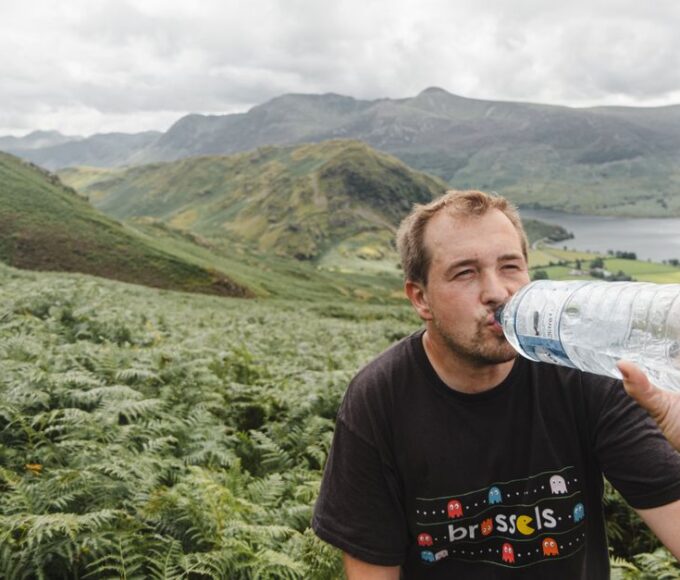
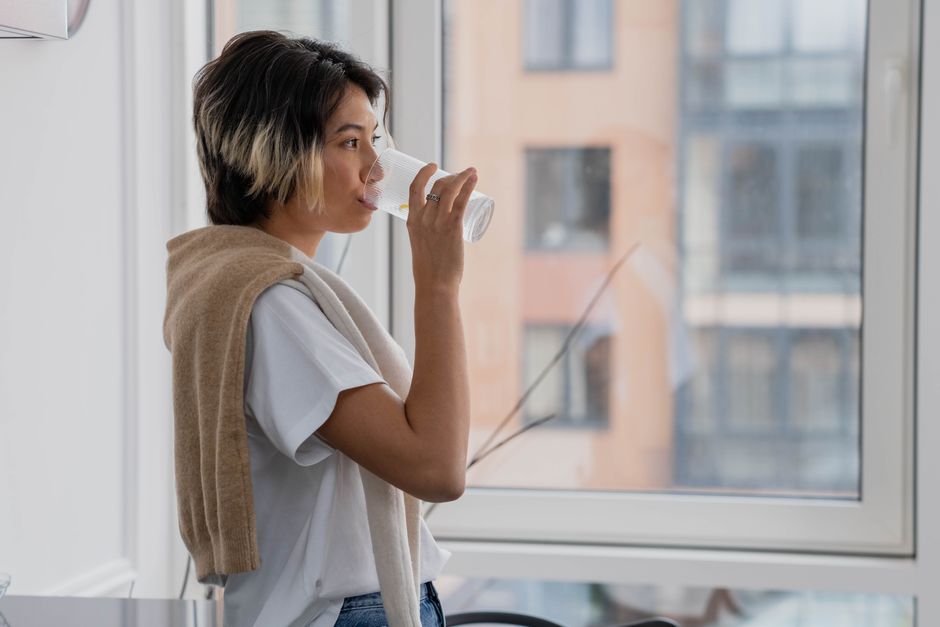
This isn’t just about drinking water when you’re thirsty. Thirst is often a sign you’re already mildly dehydrated. Aim for consistent, small sips throughout the day. Water is king, but electrolyte-rich drinks like coconut water or sports drinks (like Gatorade or Powerade, used sparingly) can replenish lost salts, especially if you’re sweating a lot. Avoid excessive caffeine and alcohol, which can contribute to dehydration. Keep a reusable water bottle, like a Stanley or Hydro Flask, on your desk at all times and make it a habit to refill it frequently.
2. Optimize Your Home Office Environment
If you have air conditioning, use it wisely. Set it to a comfortable but not excessively cold temperature – perhaps 24-26°C (75-79°F) – to avoid sky-high energy bills and sudden temperature shocks. If you don’t have AC, invest in a good quality fan. Ceiling fans are excellent, but even a portable oscillating fan can make a significant difference. Close blinds or curtains during the hottest parts of the day to block direct sunlight. Consider reflective window films, particularly for south-facing windows. The NHS in the UK often advises creating a ‘cool room’ within your home, closing doors and windows during the day and opening them at night when it’s cooler.
Manage Anxiety Before Flights and Big Travel Days Without Overcomplicating It
3. Adjust Your Work Schedule
One of the perks of remote work is flexibility. Take advantage of it. Shift your most demanding tasks to cooler parts of the day, typically early mornings or late evenings. Take more frequent, shorter breaks to cool down. If possible, consider taking a siesta-style break during the peak afternoon heat, common in many parts of Southern Europe and South America, and catch up on work later when temperatures subside.
4. Dress for the Heat, Even Indoors
Opt for loose-fitting, light-colored clothing made from breathable fabrics like cotton or linen. It might sound obvious, but many remote workers fall into the trap of wearing heavier clothes out of habit. Light colors reflect heat, while dark colors absorb it. This simple change can significantly improve your comfort.
5. Stay Cool Actively
Beyond passive cooling, actively cool your body. Take cool showers or baths. Apply cool, damp cloths to your pulse points (wrists, neck, temples). A spray bottle filled with water can offer quick relief. Some remote workers even keep a small bowl of iced water nearby to dip their feet into for a rapid cool-down.
6. Be Mindful of Mental Health
Heat stress isn’t just physical; it impacts mental health too. Irritability, difficulty concentrating, and fatigue are common. Acknowledging these feelings and practicing self-care is crucial. Stay connected with colleagues, take regular breaks, and ensure you’re getting adequate rest. If you feel overwhelmed, step away from the screen and focus on cooling down.
Comparing Urban Heat Mitigation Strategies: What Works Where?
Strategies for heat mitigation can vary significantly depending on where you are. What’s effective in a European city might differ from a bustling metropolis in South America or North America.
| Strategy | Europe (e.g., Madrid, Rome) | North America (e.g., NYC, Phoenix) | South America (e.g., Rio, Buenos Aires) |
|---|---|---|---|
| AC Access & Use | Less common in older residential buildings; often used in new builds/offices. | Widespread, often central AC. High reliance. | Varies; growing prevalence, but can be costly. |
| Public Cooling Centers | Increasingly available in larger cities (e.g., libraries, museums). | Common in major cities during declared heat emergencies. | Emerging concept, less formalized than NA/Europe. |
| Architecture Adaptations | Thick stone walls, shutters, siesta culture. Focus on passive cooling. | Modern buildings often rely on AC; some green roofs, urban forestry initiatives. | Older colonial buildings with high ceilings; newer builds mimic NA styles. |
| Hydration Sources | Public fountains common in many cities; bottled water readily available. | Bottled water prevalent; tap water generally safe. | Bottled water often preferred; tap water varies by region/city. |
| Urban Green Spaces | Historic parks (e.g., Hyde Park, Bois de Boulogne) offer shade. | Central Park, Golden Gate Park crucial for cooling. | Large parks (e.g., Parque Ibirapuera) provide respite. |
Common Mistakes to Avoid During a Heat Wave
Even with the best intentions, it’s easy to make missteps when temperatures climb. Avoiding these common errors can significantly enhance your safety and comfort.
A common mistake is underestimating the cumulative effect of heat. A single hot day is manageable, but several days of elevated temperatures, especially without nighttime relief, can lead to serious health issues. Your body’s ability to regulate temperature degrades over time. Don’t assume you’re ‘used to it’ just because you’ve lived in a hot climate; each heat wave presents unique challenges.
Create a Simple Weekly Wellness Check-In: A Realistic Checklist for Busy Parents
Another frequent oversight is neglecting proper sun protection, even when primarily indoors. If your workspace is near a window, UV rays can still penetrate, contributing to skin damage and additional heat load on your body. Use broad-spectrum sunscreen if you’re near a window, and wear light clothing that covers your skin when venturing outside, even for short periods. This is particularly relevant in places with strong sun, like parts of Brazil or the American Southwest.
Many people also mistakenly believe that a quick dip in a cold shower immediately after being very hot is the best approach. While cooling down is good, a sudden drastic temperature change can sometimes shock the system, especially for those with underlying health conditions. Opt for cool, rather than icy cold, water and allow your body to adjust gradually. The goal is to lower your core temperature slowly and safely.
Finally, ignoring the early signs of heat stress is a dangerous mistake. Symptoms like dizziness, nausea, headaches, or excessive sweating should be taken seriously. Don’t push through them, especially when you’re working remotely and might not have colleagues observing you. Step away from your work, move to a cooler area, hydrate, and rest. If symptoms worsen or persist, seek medical attention immediately. Remember, heatstroke is a medical emergency.
Frequently Asked Questions About Heat Waves and Urban Health
What are the primary health risks associated with urban heat waves?
The primary health risks include heat exhaustion, heatstroke, dehydration, and the exacerbation of pre-existing cardiovascular and respiratory conditions. The urban heat island effect intensifies these risks, leading to higher rates of heat-related hospitalizations and fatalities, especially among vulnerable populations such as the elderly, young children, and those with chronic illnesses.
How does remote work impact heat wave safety in cities?
Remote work offers flexibility to adapt schedules and control immediate environments, which can enhance safety. However, it can also lead to social isolation, delayed recognition of heat stress symptoms, and potential reliance on insufficient home cooling solutions. Employers should encourage flexible hours and provide resources for safe home office environments during heat waves.
Can mental health be affected by prolonged exposure to heat waves?
Yes, prolonged exposure to heat waves can significantly impact mental health. Studies show increased rates of anxiety, depression, irritability, and even aggression during heat waves. The discomfort, sleep disruption, and the physiological stress of heat can impair cognitive function, mood regulation, and overall psychological well-being.
What role do urban green spaces play in mitigating heat wave impacts?
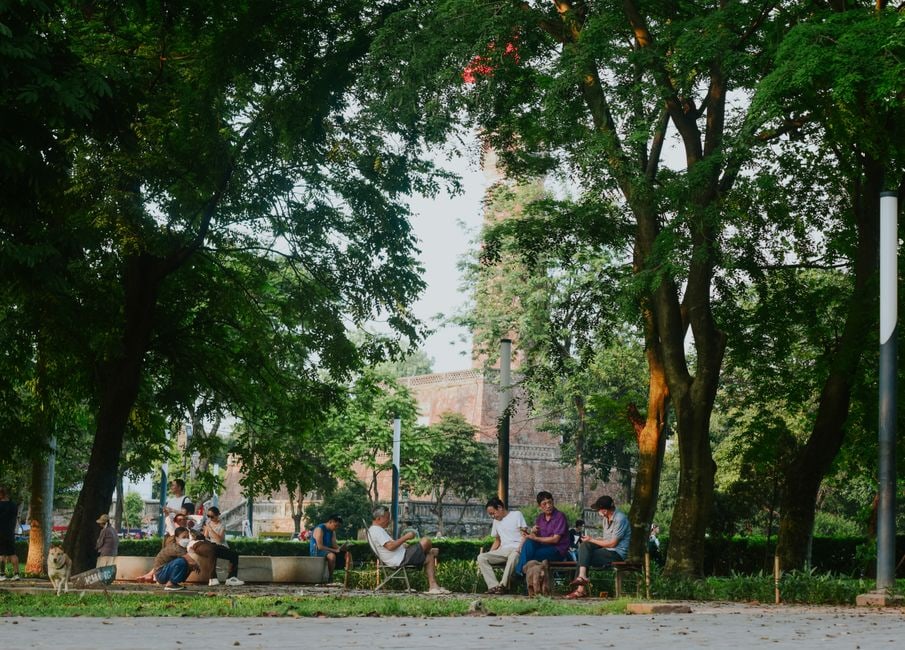
Urban green spaces, like parks and tree-lined streets, are crucial for mitigating the urban heat island effect. Trees provide shade, reduce ambient temperatures through evapotranspiration, and improve air quality. They offer vital cooling refuges for urban residents, creating microclimates that can be several degrees cooler than surrounding concrete areas.
What specific advice does the WHO offer for staying safe during heat waves?
The WHO advises staying hydrated, avoiding direct sun exposure during peak hours, wearing light and loose clothing, taking cool showers, and staying in the coolest room of your home. They also emphasize checking on vulnerable neighbors and knowing the signs of heat-related illness. Public health campaigns often echo these practical recommendations.
Understanding and proactively addressing the challenges of urban heat waves is no longer optional; it’s a critical part of maintaining health and productivity in a changing climate. By deciding what to know about heat wave urban health tips and implementing these practical strategies, remote workers can navigate the summer months more safely and comfortably, whether they are in Europe, North America, or South America. For more guides on staying healthy and well, read more health and wellness guides on Le Daily Post.