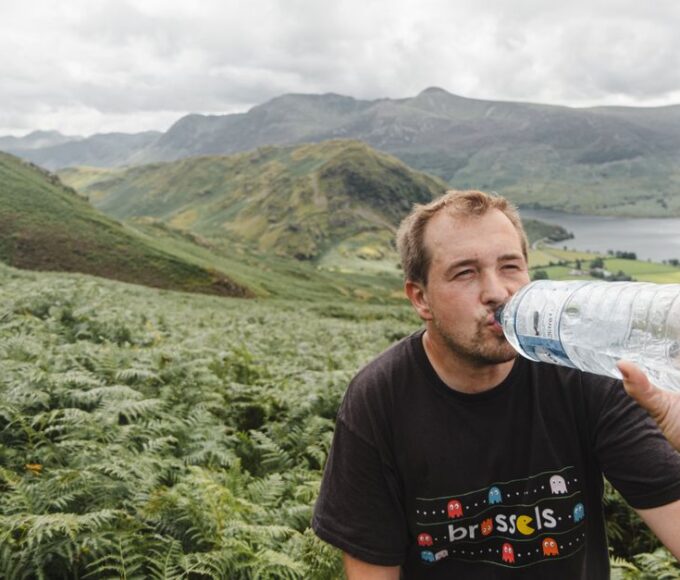

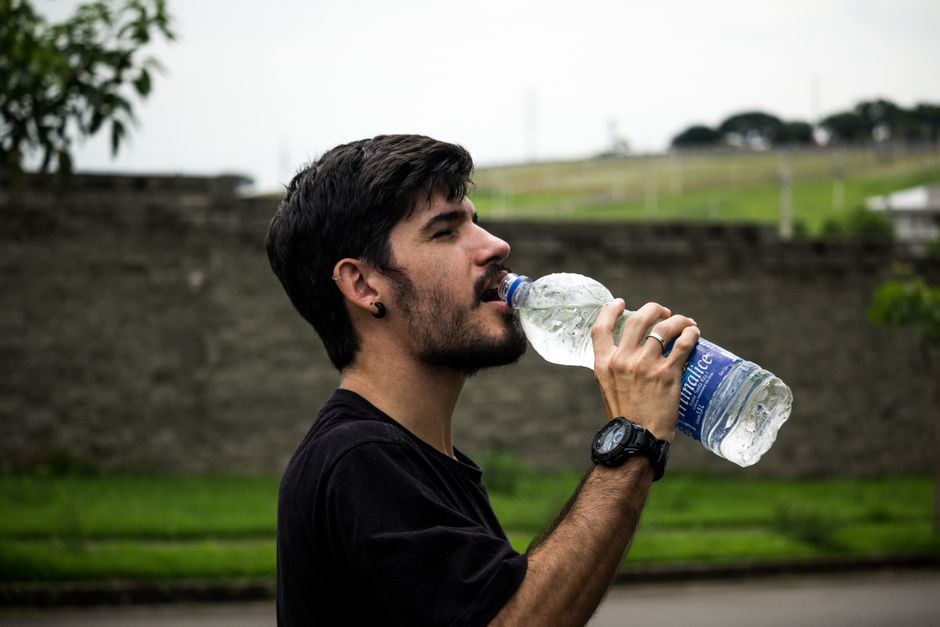
Maintaining optimal hydration is fundamental for overall health, particularly during hot weather, long flights, and extended commutes. These situations increase the risk of dehydration due to elevated temperatures, dry cabin air, and reduced opportunities for fluid intake. Effective hydration habits involve consistently drinking water and other electrolyte-rich fluids, being mindful of your body’s signals, and planning ahead with portable solutions. This ensures sustained energy levels, cognitive function, and proper bodily regulation, preventing issues like fatigue, headaches, and impaired performance.
We’ve all been there: stepping off a long-haul flight feeling fuzzy-headed and exhausted, or reaching the end of a scorching summer day with a pounding headache that no amount of coffee seems to touch. Often, the culprit isn’t just jet lag or sun exposure, but a simple lack of adequate hydration. It’s easy to overlook, especially when you’re busy navigating a new city in Europe, enduring a lengthy drive across North America, or just trying to get through your daily grind.
Consider the cumulative effect: a warm morning commute on public transport, followed by a few hours in an air-conditioned office, then perhaps a quick walk outside for lunch. Each small interaction with your environment pulls moisture from your body. Factor in the dry air of an airplane cabin, which can be drier than a desert, or the intense humidity of a summer day in South America, and you realize how quickly your body’s fluid balance can go awry. Good hydration isn’t just about quenching thirst; it’s about proactively supporting every physiological process.
This isn’t about rigid rules, but smart, sustainable practices. We’ll explore practical strategies and sensible choices to help you maintain optimal hydration habits for hot weather, flights, and long commutes, ensuring you feel your best no matter where you are or what you’re doing.
The Silent Drain: Why Hydration Matters More in Specific Scenarios
Dehydration isn’t just feeling thirsty; it’s a state where your body doesn’t have enough fluid to carry out its normal functions. This can lead to fatigue, headaches, dizziness, and even impaired cognitive function. In specific scenarios, the risks are amplified. Hot weather, for instance, dramatically increases fluid loss through sweat. A casual stroll or even light activity on a hot day in, say, Barcelona or Miami, can quickly deplete your reserves.
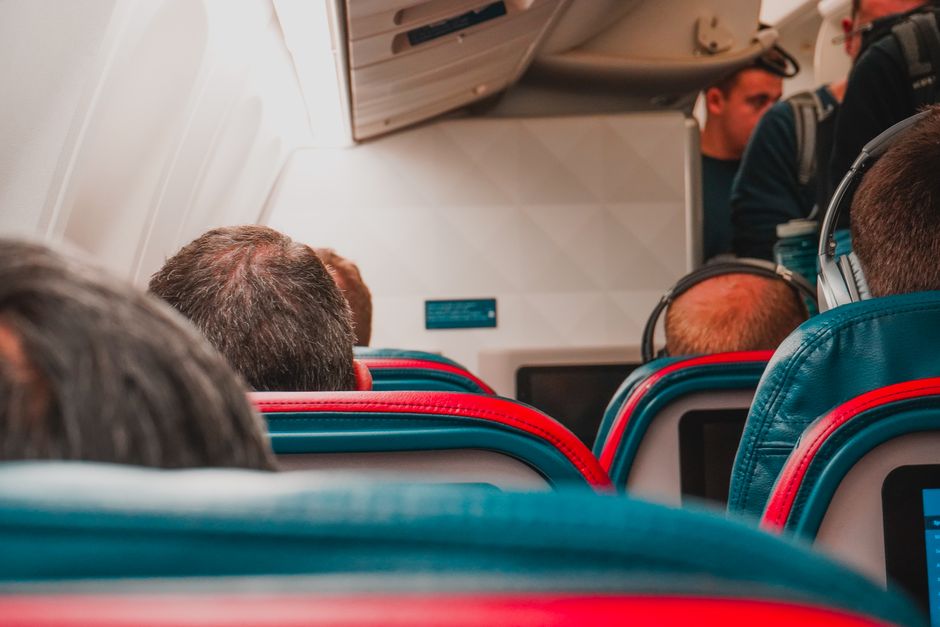
Flights pose a unique challenge. Airplane cabins are intentionally kept at very low humidity levels, often around 10-20%, compared to a comfortable indoor environment of 30-60%. This extremely dry air acts like a giant sponge, constantly pulling moisture from your skin and respiratory system. The longer the flight, the greater the cumulative effect, leaving many passengers feeling parched and sluggish upon landing. For those traveling from, say, New York to Buenos Aires, a 10-hour flight can be a significant dehydrating event.
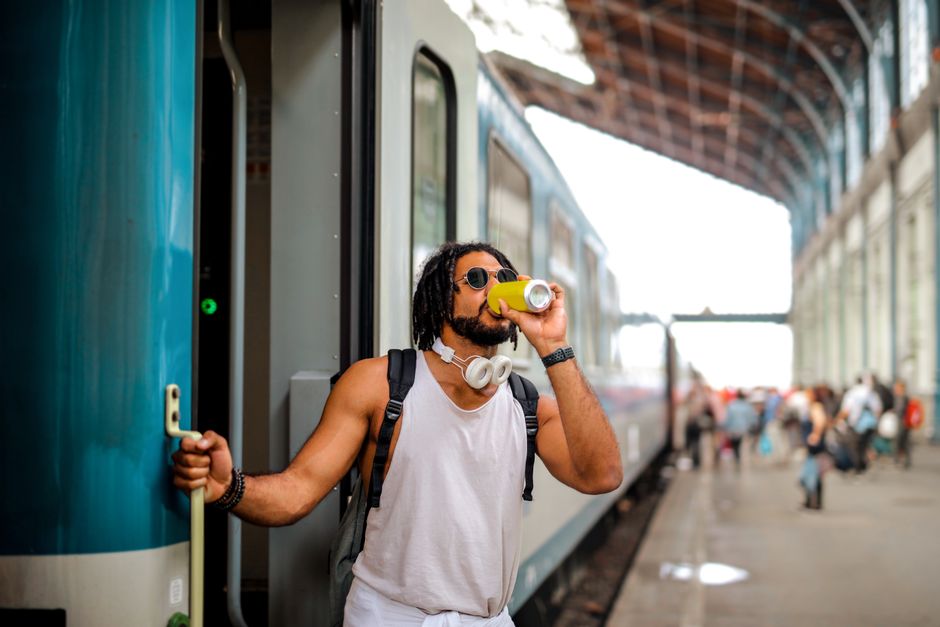
Long commutes, whether by car, train, or bus, also contribute to dehydration. You might be less inclined to drink water to avoid frequent bathroom breaks, or simply forget to sip throughout your journey. Additionally, stress, common during commuting, can also impact fluid balance. Understanding these specific pressures is the first step toward building resilient hydration habits.
Mastering Your Hydration Habits: Practical Tips for Every Situation
Building effective hydration habits for hot weather, flights, and long commutes isn’t complicated, but it does require mindfulness and planning. Here’s a breakdown of actionable strategies:
1. Prioritize Water, But Don’t Stop There
Water is always your best bet. Aim to sip water consistently throughout the day, rather than chugging large amounts all at once. For optimal fluid balance, especially in hot conditions or after strenuous activity, consider electrolyte-rich fluids. Brands like Gatorade or Pedialyte are readily available, but natural options like coconut water or a homemade solution of water, a pinch of salt, and a squeeze of citrus can be just as effective. The CDC (Centers for Disease Control and Prevention) often emphasizes the importance of electrolyte replenishment during illness or extreme heat.
Unpacking Healthy Eating Patterns: Lessons from the Mediterranean and Latin America
2. Front-Load Before Travel or Heat Exposure
Don’t wait until you’re already feeling parched. Before a long flight, particularly if you’re crossing time zones from, say, London to Rio de Janeiro, make an intentional effort to drink extra water in the 24 hours leading up to departure. Similarly, if you know you’ll be spending time outdoors in hot weather, start hydrating well in advance. This pre-emptive approach helps build a reservoir of fluid in your body.
3. Carry a Reusable Water Bottle Everywhere
This is perhaps the simplest yet most effective strategy. A reusable bottle, like those from Stanley or Hydro Flask, serves as a constant visual reminder to drink. Many airports, especially in Europe and North America, now have water refill stations past security, making it easier to stay hydrated during your journey without relying on expensive bottled water. On your commute, keep it within arm’s reach.
4. Mind Your Caffeine and Alcohol Intake
Both caffeine and alcohol are diuretics, meaning they increase urine production and can contribute to dehydration. While you don’t necessarily need to cut them out completely, be mindful of their dehydrating effects, especially when traveling or in hot environments. For every alcoholic beverage or large coffee, try to counteract it with an equal amount of water.
5. Eat Your Water: Hydrating Foods Are Your Friends
Hydration isn’t solely about liquids. Many fruits and vegetables have high water content and can significantly contribute to your daily fluid intake. Think cucumbers, watermelon, oranges, strawberries, and leafy greens. Incorporating these into your diet, perhaps following principles similar to the Mediterranean diet which emphasizes fresh produce, is a delicious way to stay hydrated.
6. Listen to Your Body and Monitor Urine Color
Thirst is a late indicator of dehydration. A better guide is your urine color. Ideally, it should be a pale yellow, similar to lemonade. If it’s darker, it’s a clear signal to drink more. Pay attention to other signs too: fatigue, headaches, or dry mouth are all cues that your body needs fluids. For active individuals, especially those engaging in walking tours or strenuous activity in hot climates, monitoring these signs is critical.
Comparing Hydration Strategies: What Works Best for You?
Different situations call for slightly different approaches. Here’s a quick comparison of common hydration strategies:
| Scenario | Best Practices | Considerations | Example Product/Approach |
|---|---|---|---|
| Hot Weather | Consistent water intake, prioritize electrolytes, eat hydrating foods, seek shade. | Increased sweat loss requires more fluid & salt. Avoid direct sun during peak hours. | Coconut water, electrolyte tablets (e.g., Nuun), large reusable water bottle. |
| Long Flights | Pre-hydrate, sip continuously, avoid alcohol/caffeine, bring an empty bottle for refills. | Extremely dry cabin air; limited access to water unless requested. | A 1L insulated water bottle, airline water service, hydrating snacks. |
| Long Commutes | Keep water accessible, schedule sips, plan bathroom breaks. | Potential for inconvenience, stress can increase dehydration. | Small, easily accessible water bottle in car/bag, water breaks at train stations. |
| General Daily Life | Establish a routine, use apps, infuse water for flavor. | Often overlooked; easy to forget amidst daily tasks. | Set reminders on phone, infuse water with cucumber & mint, morning glass of water. |
Common Mistakes to Avoid in Your Hydration Journey
Even with good intentions, it’s easy to fall into hydration traps. Knowing these common pitfalls can help you steer clear of them and maintain effective hydration habits for hot weather, flights, and long commutes.
A common mistake is relying solely on thirst. As mentioned, by the time you feel thirsty, you’re already mildly dehydrated. Make drinking water a proactive habit, not just a reactive response to dryness in your mouth. For example, if you’re planning a full day of sightseeing in a bustling city like Rome or São Paulo in the summer, don’t wait for thirst to hit before you look for water.
How to Stay Healthy While Traveling Across Different Climates
Another error is mistaking sugary drinks for effective hydration. Sodas, fruit juices with added sugars, and energy drinks often contain high levels of sugar, which can actually slow down water absorption and contribute to sugar crashes. While they provide some fluid, they’re not a substitute for plain water or balanced electrolyte drinks. Stick to water as your primary hydrator.
Ignoring environmental cues is also a frequent misstep. When the humidity is soaring, or you’re exercising, your body’s water needs increase significantly. Failing to adjust your intake accordingly means you’ll quickly fall behind. Similarly, if you’re engaging in any form of walking, from a short stroll to serious hiking, your fluid needs will be higher than if you were sedentary.
Finally, overlooking the importance of electrolytes is a mistake, especially in scenarios involving heavy sweating (hot weather) or prolonged periods without access to varied food (long flights). While water is fundamental, electrolytes like sodium and potassium help your body absorb and retain water more effectively. Simply drinking large volumes of plain water without electrolyte replenishment can, in extreme cases, lead to hyponatremia (low sodium levels), which can be dangerous.
Frequently Asked Questions About Hydration
How much water should I drink daily?
The general recommendation is around 8 glasses (2 liters or half a gallon) of water daily, but individual needs vary based on activity level, climate, and health. Factors like intense exercise, hot weather, or certain medical conditions will increase your fluid requirements. Listen to your body and monitor your urine color for the best guide.
Can I get enough hydration from food?
While food, especially fruits and vegetables, contributes significantly to your daily fluid intake, it’s generally not enough on its own to meet all your hydration needs. Foods like watermelon, cucumber, and leafy greens are excellent sources of water and nutrients, but they should complement, not replace, regular water consumption.
Are electrolyte drinks always necessary for hydration?
Electrolyte drinks are particularly beneficial for rehydration during and after intense physical activity, in very hot weather, or when experiencing illness that causes fluid loss. For typical daily activities and mild exercise, plain water is usually sufficient. Overuse of sugary electrolyte drinks when not needed can lead to excess sugar intake.
What are the signs of dehydration?
Common signs of dehydration include thirst, dry mouth, infrequent urination, dark urine color, fatigue, dizziness, and headaches. In more severe cases, symptoms can escalate to confusion, rapid heart rate, and low blood pressure. It’s crucial to address early signs to prevent progression.
How can I stay hydrated on a long flight without constant bathroom trips?
Strategically hydrate by drinking more in the 24 hours before your flight. During the flight, sip water consistently rather than chugging large amounts. Choose an aisle seat for easier bathroom access and minimize diuretic beverages like coffee and alcohol. Many airlines offer water regularly; take advantage of it.
Is walking a good way to stay hydrated?
Walking itself doesn’t directly hydrate you, but it’s important to increase your fluid intake when walking, especially if it’s hot or strenuous. Physical activity, even moderate walking, increases your body’s need for water due to increased metabolism and sweat loss. Always carry water when planning a walk, particularly in warm climates.
Adopting smart hydration habits is a simple yet powerful way to support your overall health and well-being, whether you’re embarking on a global adventure or navigating your everyday life. By being mindful of your fluid intake, especially in challenging environments, you empower your body to perform at its best. For more expert insights and practical advice on maintaining your health and wellness, read more health and wellness guides on Le Daily Post.