

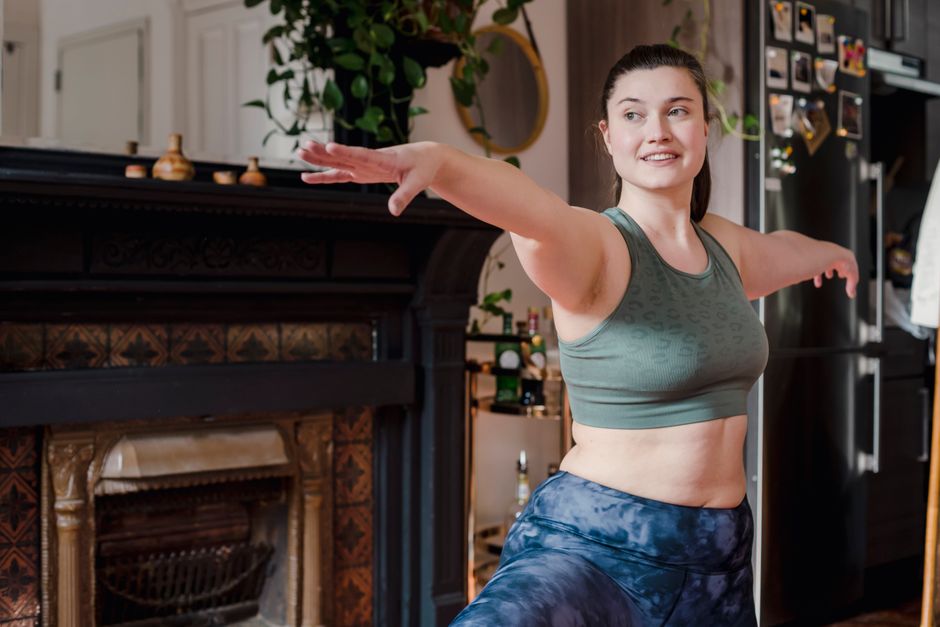
Life moves fast, whether you’re juggling deadlines in London, navigating family life in São Paulo, or managing a bustling career in New York City. The idea of adding a dedicated gym trip to an already packed schedule often feels like an impossible ask. For many, the mental hurdle of ‘fitting it all in’ is bigger than the physical challenge itself. But what if staying fit didn’t require a gym membership, a commute, or even much equipment? What if building a realistic fitness routine without a gym was simpler than you thought?
The good news is, it absolutely is. We’re going to dive into practical, no-nonsense strategies that work for real people with real lives. This isn’t about extreme transformations or Instagram-perfect workouts. This is about establishing sustainable habits that genuinely enhance your physical and mental well-being, leveraging your existing environment and schedule.
Many people assume a serious fitness regimen requires a dedicated facility. In practice, significant health benefits can be gained through consistent, thoughtful movement integrated into daily life. Think beyond the weights room and consider how everyday activities can become powerful tools in your fitness arsenal.
Rethinking Movement: Beyond the Traditional Workout
When we talk about fitness, our minds often jump to a gym. However, the World Health Organization (WHO) and public health bodies like the NHS consistently emphasize the importance of regular physical activity, not necessarily structured gym sessions. The goal is to move more and sit less. For busy professionals, this means looking for opportunities beyond the conventional.
The Power of Walking: Your Most Accessible Tool
Walking is perhaps the most underrated exercise. It’s free, requires no special equipment beyond comfortable shoes, and can be done almost anywhere. Whether you’re exploring the historic streets of Rome, navigating the vibrant markets of Lima, or strolling through a suburban park in Toronto, walking offers incredible benefits for cardiovascular health, stress reduction, and even creative thinking.
- Commute Smarter: Can you walk part or all of your commute? Even getting off one stop earlier on the metro or parking further away adds steps. In European cities like Paris or Amsterdam, this is often a built-in part of daily life.
- Lunch Break Walks: Instead of eating at your desk, take 20-30 minutes for a brisk walk. It clears your head, boosts energy, and contributes significantly to your daily step count.
- Weekend Explorations: Turn errands or leisure into active pursuits. Discover a new neighborhood on foot, or hike a local trail. Many cities in North America, like Vancouver, offer extensive green spaces perfect for this.
A common mistake is thinking a walk needs to be a specific speed or distance to count. Any walking is better than none. The key is consistency.
Strength Training Without the Bench Press
Cardio is important, but building and maintaining muscle mass is crucial for overall health, bone density, and metabolism. You absolutely don’t need a gym full of machines for effective strength training. Bodyweight exercises are incredibly versatile and can be scaled to various fitness levels.
Bodyweight Essentials for a Home Routine
For most readers, a foundational set of bodyweight exercises can create a comprehensive strength program. These target major muscle groups and require minimal space.
- Squats: Work your glutes, quads, and hamstrings. Start with chair squats if deep squats are challenging.
- Push-ups: Excellent for chest, shoulders, and triceps. Modify by doing them against a wall, on your knees, or with hands elevated on a sturdy surface (like a kitchen counter).
- Lunges: Fantastic for leg strength and balance. Alternate legs or perform stationary lunges.
- Planks: A core powerhouse. Hold for 30-60 seconds, focusing on keeping your body in a straight line from head to heels.
- Glute Bridges: Lie on your back, knees bent, feet flat. Lift your hips off the floor, squeezing your glutes at the top.
Aim for 3 sets of 10-15 repetitions for each exercise, 2-3 times per week. As you get stronger, you can increase reps, add sets, or try more challenging variations.
Healthy Morning Habits That Don’t Require a 5 AM Wake-Up
Leveraging Your Environment and Everyday Objects
Look around your home or office. A sturdy chair can be used for triceps dips or elevated push-ups. A backpack filled with books can add resistance to squats or lunges. Resistance bands, readily available online or at most sports stores, are a cost-effective way to add challenge without bulky equipment. This approach to building a realistic fitness routine without a gym is all about resourcefulness.

Integrating Flexibility and Mind-Body Practices
Fitness isn’t just about strength and cardio; flexibility and mental well-being play equally vital roles. Including practices that support mental health is critical for a truly holistic fitness routine, especially for those managing high-stress careers.
Yoga and Pilates at Home
There’s a wealth of free resources online – YouTube channels, fitness apps, and even TV programs – that offer guided yoga and Pilates sessions. These practices improve flexibility, core strength, balance, and offer significant mental health benefits through mindfulness and breathwork. Even 15-20 minutes a few times a week can make a difference. Many professionals in South America, for example, have embraced online yoga platforms as a way to de-stress after long workdays.
The Role of Mental Health in Your Fitness Journey
Physical activity is a powerful antidote to stress and anxiety. The NHS guidelines highlight exercise as a key component of managing conditions like depression. When you’re building a realistic fitness routine without a gym, remember that the mental boost from movement is just as valuable as the physical one. Setting achievable goals, celebrating small victories, and finding activities you genuinely enjoy are crucial for sustained motivation and a positive mindset.
Consistency Over Intensity: The Secret Sauce
One of the biggest pitfalls when starting a new fitness routine is going too hard, too fast. This often leads to burnout, injury, or simply giving up. For a sustainable, realistic fitness routine without a gym, consistency is paramount.
Start Small, Build Up
Don’t aim for an hour-long workout every day if you’re currently sedentary. Start with 10-15 minutes of movement, three times a week. Once that feels manageable, gradually increase duration or frequency. The goal is to make fitness a natural, ingrained part of your week, not a Herculean effort. Think of it like building a financial portfolio – small, regular contributions yield significant returns over time.
Scheduling and Accountability
Treat your home workouts like important appointments. Block out time in your calendar. Consider finding an accountability buddy – a friend or family member who also wants to build a realistic fitness routine without a gym. Sharing progress and challenges can be a powerful motivator. This is particularly effective in places like North America, where community-based challenges and shared fitness goals are very popular.
Navigating Regional Differences and Opportunities
While the core principles of a realistic fitness routine without a gym are universal, specific opportunities and considerations can vary geographically.
Walking for Health: Why European City Habits Work Anywhere
Europe: Embracing Active Lifestyles
Many European cities are designed for walking and cycling. Take advantage of public parks for bodyweight exercises or outdoor runs. Consider joining a local walking group or using applications that map scenic routes in your area. Regulations often support pedestrian zones and cycling infrastructure, making active transportation a natural choice.
North America: From Urban Parks to Home Gyms
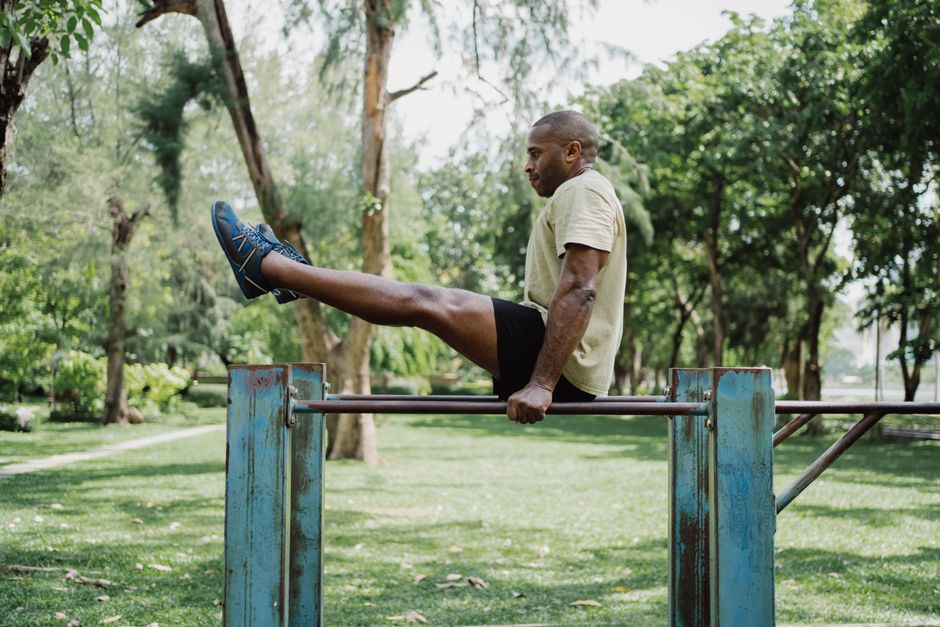
In North America, urban green spaces often feature outdoor fitness equipment, perfect for supplementing bodyweight routines. Suburbs may offer extensive sidewalks or trails. For those in colder climates, a dedicated corner in your home with a yoga mat and a couple of resistance bands can be an effective small-scale home gym. Online communities and virtual fitness classes are also highly prevalent here, offering structure and social connection.
South America: Vibrant Outdoor Culture
Many South American cities boast vibrant public spaces and coastal areas ideal for outdoor activity. Think beachfront walks in Rio de Janeiro or park workouts in Bogotá. The emphasis on outdoor social life can naturally encourage more movement. Look for community initiatives or free fitness events often hosted in public squares.
FAQ: Your Questions on Gym-Free Fitness Answered
What is the most effective bodyweight exercise for overall fitness?
For overall fitness, the squat is arguably the most effective bodyweight exercise. It’s a compound movement that engages multiple large muscle groups simultaneously – quads, glutes, hamstrings, and core – building strength, improving mobility, and burning a significant amount of calories. Mastering proper squat form sets a strong foundation for any fitness routine.
How can I stay motivated to work out at home without a gym?
Staying motivated for home workouts involves setting realistic goals, creating a dedicated workout space (even a small one), varying your routine to prevent boredom, and tracking your progress. Finding an online community or a virtual workout partner can also provide a sense of accountability and encouragement, making your efforts feel less isolated and more connected.
Is walking enough exercise to stay healthy?
Walking is an excellent form of exercise for maintaining health, especially when done briskly and consistently. The WHO recommends at least 150 minutes of moderate-intensity aerobic activity (like brisk walking) per week for adults. While walking alone might not build significant muscle mass, it vastly improves cardiovascular health, manages weight, and boosts mental well-being.
Can I build muscle without weights at home?
Yes, absolutely. You can build significant muscle without traditional weights by utilizing progressive overload with bodyweight exercises. This means making exercises harder over time by increasing repetitions, sets, reducing rest periods, improving technique, or performing more challenging variations (e.g., elevated push-ups to single-arm push-ups). Resistance bands can also effectively add external resistance.
How do I make sure my home workouts are safe and prevent injury?
To ensure safety, focus on proper form for every exercise, even if it means starting with easier modifications. Always warm up with light cardio and dynamic stretches before your workout and cool down with static stretches afterward. Listen to your body and don’t push through sharp pain. If you’re unsure about a movement, consult reliable online resources or a certified professional for guidance.
What’s the best way to track progress without a fitness tracker?
You don’t need a fancy fitness tracker to monitor progress. A simple notebook or a basic spreadsheet can work wonders. Log your workouts, noting the exercises performed, sets, reps, and how you felt. Over time, you’ll see improvements in strength, endurance, or even consistency, which are excellent motivators. You can also track non-scale victories like better sleep or increased energy levels.
The Bottom Line: Your Health, Your Terms
Building a realistic fitness routine without a gym isn’t just possible; for many busy professionals, it’s the most practical and sustainable path to better health. By embracing walking, leveraging bodyweight strength training, integrating mind-body practices, and prioritizing consistency, you can achieve significant physical and mental well-being benefits. Forget the excuses; your fitness journey can start right where you are, with what you have. For more practical insights into leading a healthier, more balanced life, read more health and wellness guides on Le Daily Post.