

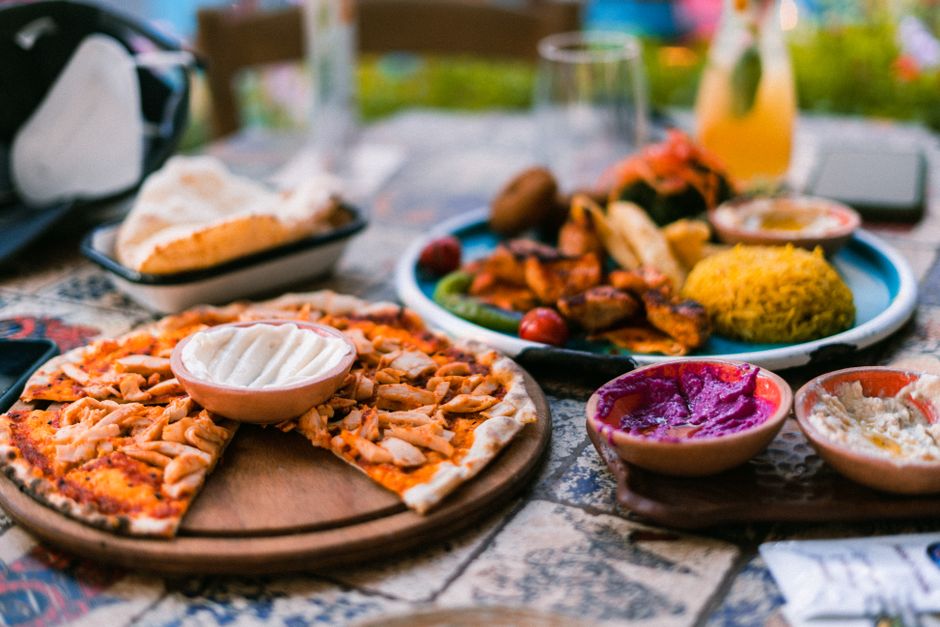
People can learn invaluable lessons from Mediterranean and Latin American eating habits, primarily focusing on the consumption of whole, unprocessed foods. Both regions prioritize fresh produce, lean proteins, healthy fats like olive oil, and complex carbohydrates such as beans and whole grains. These traditional approaches emphasize communal eating, mindful consumption, and a deep connection to local, seasonal ingredients, leading to robust health benefits including reduced risk of chronic diseases and improved longevity. It’s about a lifestyle, not just a diet plan.
When we talk about what it means to eat well, our minds often jump to specific diets or calorie counts. But for centuries, cultures around the world have demonstrated that truly healthy eating patterns are far more holistic. They’re about habits, community, and appreciating food in its most natural state. Two prime examples, offering a wealth of wisdom, come from the sun-drenched shores of the Mediterranean and the vibrant lands of Latin America.
These regions, while geographically distant, share common threads in their approach to food that champion well-being. They remind us that nourishing our bodies doesn’t have to be complicated or bland; it can be incredibly flavorful, deeply satisfying, and intrinsically linked to a healthy lifestyle. Let’s unpack some of these enduring lessons.
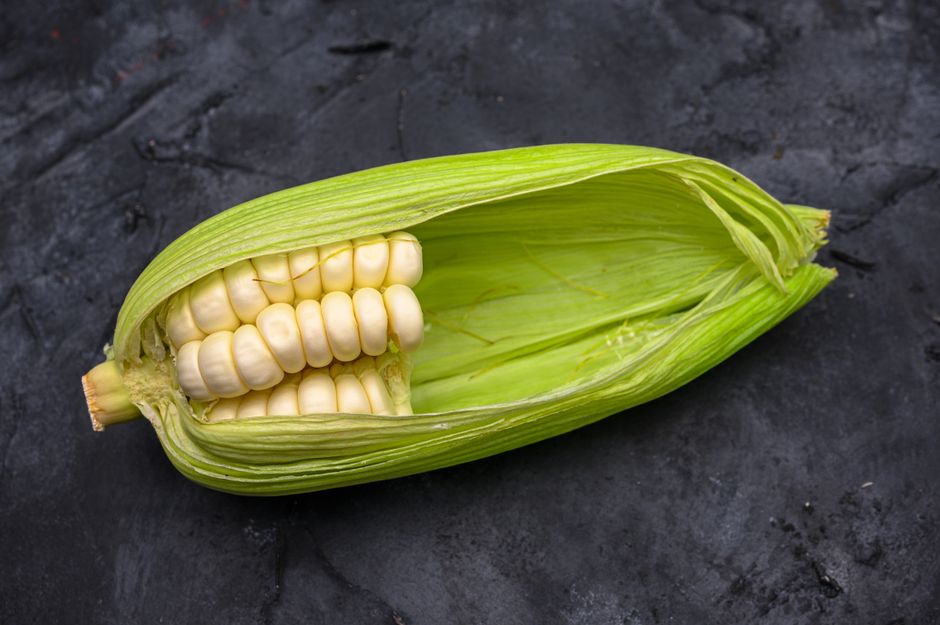
The Core Principles of Mediterranean Eating Patterns
The Mediterranean diet isn’t a strict meal plan with rigid rules, but rather a set of healthy eating patterns deeply rooted in the traditional diets of countries bordering the Mediterranean Sea, such as Greece, Italy, and Spain. Its emphasis on fresh, unprocessed foods has earned it widespread acclaim from nutritionists and medical professionals alike. In practice, this means prioritizing plant-based foods, healthy fats, and moderate consumption of other items.
Abundance of Plant-Based Foods
At the heart of the Mediterranean approach are fruits, vegetables, whole grains, nuts, and legumes. Think vibrant salads bursting with tomatoes, cucumbers, and bell peppers, or hearty lentil stews. These foods are rich in fiber, vitamins, and antioxidants, crucial for overall health and disease prevention. For most readers, incorporating more fresh produce into every meal is a simple but powerful step.
The Central Role of Olive Oil
Perhaps the most iconic ingredient in Mediterranean cuisine is extra virgin olive oil. It’s not just a cooking fat; it’s a fundamental flavor and a source of monounsaturated fats, known for their heart-healthy benefits. From drizzling over salads to sautéing vegetables, olive oil is used generously, replacing butter and other less healthy fats.
Fish and Lean Proteins
Fish, particularly fatty fish like salmon, sardines, and mackerel, are frequently consumed, providing essential omega-3 fatty acids. Poultry and eggs are eaten in moderation, while red meat is reserved for occasional consumption. Dairy, usually in the form of yogurt or cheese, is also consumed moderately.
How to Stay Healthy While Traveling Across Different Climates
Latin American Eating Habits: A Tapestry of Tradition and Flavor
Latin America is a vast continent, and its culinary traditions are incredibly diverse, stretching from Mexico down to Brazil and Argentina. However, common healthy eating patterns emerge when looking at traditional, pre-industrialized diets. These patterns emphasize staple foods that are both nutritious and culturally significant.
Beans and Grains: The Dynamic Duo
Across Latin America, beans (frijoles, feijão) are a cornerstone of the diet, often paired with rice or corn-based products like tortillas. This combination creates a complete protein, making it an excellent and affordable source of nutrition. Think of the ubiquitous gallo pinto in Costa Rica or the feijoada in Brazil – these dishes aren’t just delicious; they’re incredibly nourishing. They provide sustained energy and a wealth of fiber.
Fresh Produce and Local Flavors
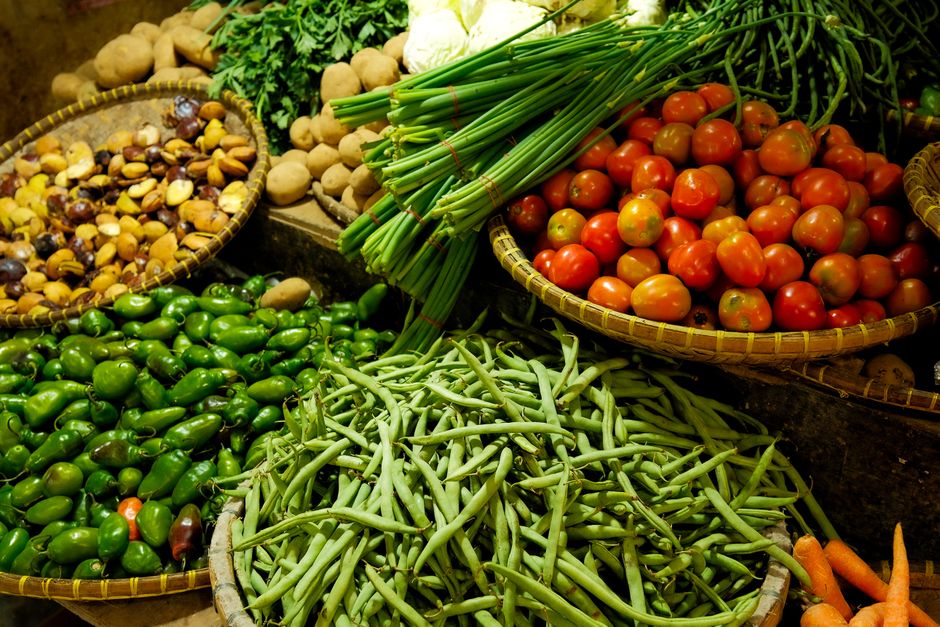
Just like in the Mediterranean, fresh produce is paramount. Tropical fruits like mangoes, papayas, and plantains, alongside vegetables like squash, peppers, and avocados, form the basis of many meals. Local markets overflow with seasonal offerings, encouraging a diet rich in variety and nutrients. This emphasis on fresh, often locally sourced ingredients, means less reliance on processed, pre-packaged foods.
Herbs and Spices for Flavor
Instead of relying on excessive salt or unhealthy fats, Latin American cooking frequently uses a vibrant array of herbs and spices – cilantro, cumin, oregano, chili peppers – to create deep, complex flavors. This approach allows for incredibly satisfying meals without compromising healthy eating patterns.
What Can People Learn from Mediterranean and Latin American Eating Habits?
The beauty of these traditional diets isn’t just in their individual components, but in the overall philosophy they represent. They offer practical lessons that can be adapted anywhere, regardless of where you live in Europe, North America, or South America.
- Prioritize Whole Foods: Both approaches champion real, unprocessed foods over packaged or highly refined options. Focus on ingredients you can recognize and that come from the earth or sea.
- Embrace Plant-Based Meals: Making vegetables, fruits, legumes, and whole grains the star of your plate, rather than just a side dish, is a powerful shift.
- Healthy Fats are Your Friends: Whether it’s olive oil in the Mediterranean or avocados and nuts in Latin America, incorporating beneficial fats is key for satiety and health.
- Cook at Home: Traditional diets inherently involve more home cooking, giving you control over ingredients and preparation methods.
- Eat Mindfully and Communally: These cultures often view meals as a social event, encouraging slower eating and connection, which aids digestion and satisfaction.
- Flavor Without Excess: Learn to use herbs, spices, and fresh ingredients to build flavor, reducing the need for added salt, sugar, and unhealthy fats.
A common mistake is trying to rigidly follow a “diet” rather than adopting a sustainable pattern. It’s not about being 100% perfect, but about making consistent, small choices that lead to healthier habits over time. Can you swap a sugary snack for a piece of fruit? Can you add a handful of beans to your next meal? These incremental changes accumulate.
Building Balanced Meals Inspired by Global Traditions
Integrating these healthy eating patterns into your daily life doesn’t mean you need to abandon your own culinary traditions. Instead, think about how you can incorporate the principles. For example, a family in North America might swap their usual side dish for a large, olive-oil-dressed salad, or make black bean burgers instead of beef. A European family could experiment with cooking fish more frequently, seasoned with herbs and fresh vegetables.
Breakfast Ideas
- Mediterranean: Greek yogurt with berries, nuts, and a drizzle of honey; whole-grain toast with mashed avocado and a sprinkle of za’atar.
- Latin American: Huevos rancheros with black beans and fresh salsa; oatmeal with tropical fruits and a dash of cinnamon.
Lunch and Dinner Inspiration
- Mediterranean: Lentil soup with whole-grain bread; grilled chicken or fish with roasted vegetables; a large fattoush salad.
- Latin American: Chicken and vegetable fajitas (use whole wheat tortillas); Brazilian-style black beans and rice with sautéed collard greens; fish tacos with fresh cabbage slaw.
The common thread is the emphasis on fresh, real ingredients forming the bulk of the meal. By focusing on these core elements, families across continents can find delicious ways to nurture their health and well-being.
Frequently Asked Questions About Healthy Eating Patterns
What defines a healthy eating pattern?
A healthy eating pattern emphasizes consuming a variety of whole, unprocessed foods. This includes plenty of fruits, vegetables, whole grains, lean proteins, and healthy fats, while limiting added sugars, unhealthy fats, and highly refined carbohydrates. It’s about a consistent way of eating that supports overall health, rather than a temporary diet.
How do Mediterranean and Latin American diets differ in their approach to protein?
Both diets prioritize lean proteins but with some differences. The Mediterranean diet heavily features fish and seafood, along with moderate poultry and dairy, and less red meat. Traditional Latin American diets often rely on legumes (like beans) and corn as primary protein sources, complemented by poultry, eggs, and occasionally fish or meat, varying by region.
Are these healthy eating patterns expensive to follow?
Not necessarily. While some specialty ingredients can be pricey, the foundation of both diets—beans, lentils, seasonal fruits and vegetables, whole grains—are generally affordable staples. Cooking at home and buying ingredients in bulk, especially legumes and grains, can make these healthy eating patterns very budget-friendly, often more so than relying on processed foods.
Can I combine elements from both Mediterranean and Latin American eating habits?
Absolutely! Many principles overlap, such as prioritizing fresh produce, whole grains, and legumes. You could enjoy a Mediterranean-style lentil salad one day and a Latin American-inspired black bean soup the next. The goal is to incorporate a diverse range of nutritious whole foods from various culinary traditions to keep your meals interesting and balanced.
What role does culture play in these healthy eating patterns?
Culture plays a huge role. Both the Mediterranean and Latin American eating patterns are deeply embedded in their respective cultures, emphasizing communal meals, appreciation for local ingredients, and often physical activity. Food is not just fuel; it’s a source of joy, connection, and tradition, which positively impacts overall well-being and mindful consumption.
Embracing a Healthier Future, One Meal at a Time
Adopting healthy eating patterns from the Mediterranean and Latin America isn’t about rigid rules or deprivation. It’s about reconnecting with food in a way that prioritizes freshness, flavor, and community. By learning from these time-tested traditions, we can build a foundation for long-term health and enjoy delicious, balanced meals every day. Ready to explore more ways to nurture your well-being? Read more health and wellness guides on Le Daily Post.