

Living in a city means navigating a different kind of environmental landscape, especially when it comes to your health and allergies. Urban air quality can significantly impact allergic reactions, making symptoms worse and sometimes even triggering new ones. Understanding the interplay between air quality and allergies is crucial for city dwellers, whether you’re in bustling Madrid, metropolitan Toronto, or the vibrant streets of Santiago.
It’s not just about the pollen count anymore. While that’s still a critical factor, the mix of pollutants in city air creates a complex challenge for allergy sufferers. This guide aims to help you understand what to track and how to proactively manage your symptoms in an urban setting.
Understanding the Urban Allergy Cocktail: Air Quality and Allergies
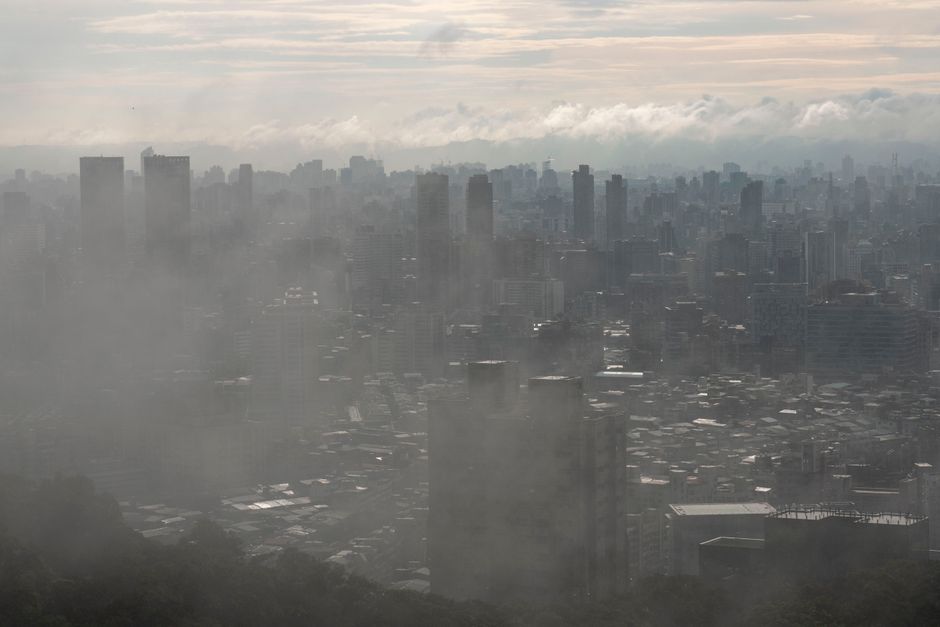
When we talk about air quality and allergies in cities, we’re really looking at a potent mix. It’s not just a single culprit but often a combination of factors that trigger or worsen symptoms. Think of it as an ‘urban allergy cocktail’ – a blend of natural allergens and human-made pollutants that can really get under your skin, or more accurately, into your airways.
The Double Whammy: Pollen Meets Pollution
Pollen, the age-old nemesis for many allergy sufferers, behaves differently in urban environments. Trees and grasses in cities, stressed by pollution and warmer temperatures, can sometimes produce more potent pollen. But here’s the kicker: urban air pollution, especially fine particulate matter (PM2.5) from vehicle exhaust and industrial activity, doesn’t just irritate your lungs; it can also make pollen more allergenic. These tiny particles can attach to pollen grains, essentially giving them a ride deeper into your respiratory system and potentially intensifying your allergic response.
Key Urban Air Pollutants to Watch
Beyond pollen, several other components of urban air quality are known to aggravate allergies. Knowing what they are is the first step in protecting yourself:
- Particulate Matter (PM2.5 and PM10): These microscopic particles come from various sources, including car exhaust, industrial emissions, and even dust from construction sites. PM2.5 is particularly concerning because it’s small enough to penetrate deep into your lungs, causing inflammation and making your airways more susceptible to allergens. During events like wildfire smoke, for example from fires in Canada affecting eastern North America, or forest fires common in drier parts of Spain and Chile, PM2.5 levels can skyrocket, turning outdoor air into a serious health hazard for everyone, especially those with allergies or asthma.
- Ground-level Ozone: Unlike the protective ozone layer high in the atmosphere, ground-level ozone is a harmful pollutant formed when pollutants from cars, power plants, and other sources react chemically in the presence of sunlight. It’s a powerful respiratory irritant that can inflame the lining of your lungs, making you more sensitive to allergens.
- Nitrogen Dioxide (NO2): Primarily from vehicle emissions, NO2 is another common urban pollutant that can irritate airways and increase susceptibility to respiratory infections and allergens.
Tracking Your Local Air Quality and Pollen Forecasts
The good news is that information is readily available. Modern technology makes it easier than ever for city residents to track air quality and pollen forecasts, allowing for proactive allergy prevention.
How to Stay Healthy While Traveling Across Different Climates
Reliable Sources for Air Quality Data
Many cities and regions now have solid systems for monitoring air quality. Look for official government environmental agencies or reputable non-profit organizations:
- Europe: The European Environment Agency (EEA) provides pan-European air quality data. Many national and city-level agencies also offer local data, such as the UK’s DEFRA or Spain’s Ministry for Ecological Transition and Demographic Challenge.
- North America: In the US, the EPA’s AirNow.gov is a primary resource. For Canada, Environment and Climate Change Canada provides air quality health advisories.
- South America: Countries like Chile have their own environmental ministries (e.g., Ministerio del Medio Ambiente) that provide air quality indices, especially in major cities like Santiago, where pollution can be a significant concern during certain seasons.
These platforms often use an Air Quality Index (AQI), a color-coded scale that makes it easy to understand current pollution levels and associated health risks.
Deciphering the Pollen Forecast
Pollen forecasts are just as crucial, if not more so, for allergy sufferers. Many weather apps and dedicated allergy apps (like AccuWeather, The Weather Channel, or regional specific apps) integrate pollen data. They often break down pollen types (tree, grass, weed) and provide a severity level (low, moderate, high, very high). A common mistake is to only check pollen in the morning; remember, pollen counts can fluctuate throughout the day.

Practical Strategies for Allergy Prevention in the City
With an understanding of how urban air quality affects allergies, you can implement practical strategies to minimize your exposure and manage your symptoms. These aren’t just for severe sufferers; even mild allergies can benefit from these common-sense approaches.
At Home: Creating an Allergy-Friendly Haven
- Keep Windows Closed: On high pollen or high pollution days, keep windows and doors shut, especially during peak pollen times (usually morning to early afternoon). Use air conditioning if possible, ensuring filters are clean.
- Air Purification: Consider a high-efficiency particulate air (HEPA) filter for your home. These can capture PM2.5, pollen, pet dander, and other airborne allergens, making a noticeable difference in indoor air quality.
- Regular Cleaning: Vacuum with a HEPA-filtered vacuum cleaner. Damp mop floors to trap dust and allergens rather than just spreading them around.
- Manage Humidity: Use a dehumidifier if your home is prone to dampness, as this can help control dust mites and mold, which are common indoor allergens.
Out and About: Navigating the Urban Environment
- Plan Your Day: Check the air quality and pollen forecast before heading out. If both are high, try to limit prolonged outdoor activities.
- Protective Gear: For very high pollution or pollen days, a good quality N95 or FFP2 mask can filter out a significant portion of particulate matter and pollen, offering a layer of protection. This is particularly relevant when wildfire smoke is an issue.
- Post-Outdoor Routine: After spending time outdoors, especially on high pollen days, change your clothes and consider showering to wash off any allergens that have settled on your skin and hair.
- Vehicle Filters: If you drive, ensure your car’s cabin air filter is regularly changed. Many modern cars have filters designed to block pollen and some pollutants.
When to Seek Professional Advice
While these practical steps can significantly help manage your air quality allergies, it’s important to know when to consult a healthcare professional. If your symptoms are severe, persistent, or interfere with your daily life, don’t hesitate to reach out to a doctor or an allergist. They can offer personalized advice, discuss medication options (antihistamines, nasal sprays), or explore other treatments like immunotherapy.
Remember, this information is for general guidance and not a substitute for professional medical advice. Always consult with a qualified healthcare provider for any health concerns.
FAQ: Your Questions About Air Quality and Allergies Answered
How does air quality affect allergies and daily health?
Air quality directly impacts allergies and daily health by exposing individuals to irritants and allergens that can exacerbate respiratory symptoms. High levels of urban air pollution, including particulate matter (PM2.5) from traffic and industrial emissions, can inflame airways, making them more sensitive to common allergens like pollen, dust mites, and pet dander. This combined exposure often leads to more severe sneezing, runny nose, itchy eyes, and asthma attacks, significantly affecting daily comfort, sleep, and overall well-being. Tracking local air quality forecasts alongside pollen counts is essential for effective allergy management in urban environments.
Can urban air pollution make my allergies worse even if I’m not allergic to pollution itself?
Yes, absolutely. Urban air pollution, like PM2.5 and ozone, acts as an irritant to your respiratory system. Even if you’re not directly allergic to these pollutants, their presence can inflame your airways and make them more reactive to the allergens you are sensitive to, such as pollen. This synergistic effect often results in more severe or prolonged allergic reactions.
Why do I sometimes feel my allergies are worse in the city than in the countryside?
While the countryside often has higher overall pollen counts, city allergies can feel worse due to the complex interplay of factors. Urban areas combine high pollen loads with significant air pollution (PM2.5, NO2). This pollution can make pollen more allergenic and irritate your airways, amplifying your body’s allergic response. Additionally, stressed urban plants may produce more allergenic pollen.
What is PM2.5 and why is it so important for allergy sufferers to track it?
PM2.5 refers to fine particulate matter, which are microscopic particles 2.5 micrometers or less in diameter. They are released from sources like vehicle exhaust, industrial processes, and wildfires. PM2.5 is crucial for allergy sufferers because its tiny size allows it to penetrate deep into the lungs, causing inflammation and irritation that can heighten sensitivity to allergens and worsen respiratory allergy symptoms and asthma.
Are there specific times of day or year when urban air quality allergies are worse?
Generally, air quality allergies can be worse during peak pollen seasons (spring for tree pollen, summer for grass pollen, late summer/fall for weed pollen). However, urban air pollution can fluctuate daily, with higher levels during rush hour traffic or still, warm days where ozone forms. Wildfire smoke can cause severe air quality issues at any time it occurs, as seen in Canada and parts of Europe and South America.
Do I need to track both air quality and pollen forecasts separately?
Yes, ideally you should track both. While some apps combine them, understanding both metrics gives you a complete picture. A low pollen count might still coincide with poor air quality due to pollution, which can still trigger symptoms. Conversely, high pollen with good air quality might mean your symptoms are purely pollen-related and you can adjust your prevention strategies accordingly.
Staying Informed and Healthy in the City
Navigating city life with allergies requires a bit more vigilance, but it’s entirely manageable. By staying informed about your local air quality and pollen forecast, and implementing some practical changes in your daily routine, you can significantly reduce the impact of environmental factors on your health and well-being. Empower yourself with knowledge, take proactive steps, and breathe a little easier in your urban environment. For more health and wellness guides, explore Le Daily Post.