


Yes, many North American cities offer fantastic car-free city breaks, allowing travelers to explore vibrant urban centers without the need for a personal vehicle. The key is choosing destinations known for their pedestrian-friendly layouts, extensive public transportation networks (subways, buses, streetcars), and easily accessible attractions. Cities like New York, Montreal, and San Francisco are prime examples where you can navigate easily by foot or transit, saving money and stress while experiencing the local culture more intimately.
For many seasoned travelers, the thought of navigating unfamiliar city streets, battling traffic, or wrestling with expensive parking fees can be a significant deterrent to exploring new places. While Europe has long been lauded for its walkable cities and solid public transport, and even some gems in South America like Buenos Aires boast fantastic public transit, North America often gets a bad rap for being car-dependent. It’s a common misconception that limits how people plan their urban adventures here.
But what if you could ditch the car keys entirely and still experience the best of what North American cities have to offer? The good news is, you absolutely can. Planning North America city breaks that work without a car is not only feasible but can often lead to a more authentic, enjoyable, and less stressful trip. It’s about smart planning, knowing which cities shine for their pedestrian infrastructure and transit options, and embracing a different pace of travel.
This guide will show you how to identify and enjoy those urban havens where public transport, your own two feet, and a little planning are all you need for an unforgettable getaway. Forget the rental car; let’s talk about truly experiencing a city.

Why Go Car-Free? The Advantages of Ditching the Wheels
Choosing a car-free city break offers a myriad of benefits that enhance the travel experience. It’s not just about convenience; it fundamentally changes how you interact with a destination. Here are some compelling reasons to leave the car at home:
- Cost Savings: Eliminate rental car fees, insurance, gas, and often exorbitant parking charges.
- Reduced Stress: No traffic jams, no searching for parking, no navigating complex road systems.
- Environmental Impact: A more sustainable way to travel, reducing your carbon footprint.
- Enhanced Local Experience: You’re more likely to walk through charming neighborhoods, discover hidden gems, and use local transport alongside residents.
- Physical Activity: Walking is built into your itinerary, keeping you active and energized.
- Immersion: Experience the city’s sights, sounds, and smells up close, not through a car window.
- Flexibility: Spontaneous detours on foot or by transit are much easier than repositioning a car.
Identifying Car-Friendly Cities: What to Look For
Not all cities are created equal when it comes to car-free travel. When planning North America city breaks that work without a car, you need to look for specific characteristics. Think of it like a checklist for urban walkability and transit efficiency.
solid Public Transportation Networks
This is arguably the most critical factor. A city with an extensive and reliable public transit system can get you almost anywhere you need to go. Look for:
- Subways/Metros: Efficient for covering long distances quickly. Cities like New York, Boston, Montreal, and Toronto excel here.
- Buses & Streetcars: Great for local hops, seeing the city at street level, and filling gaps where subways don’t reach. Many cities, including San Francisco with its historic streetcars, offer great bus networks.
- Commuter Rail: Useful if you plan to visit immediate suburbs or attractions just outside the city center.
- Ferry Services: In coastal or lake cities (e.g., Vancouver, Seattle, Toronto Islands), ferries can be both transport and a scenic experience.
Walkability & Pedestrian Infrastructure
Even with great transit, you’ll still be doing a lot of walking. A truly car-free friendly city prioritizes pedestrians.
- Compact Downtowns: Areas where major attractions, restaurants, and shops are clustered closely together.
- Safe Sidewalks & Crosswalks: Well-maintained infrastructure that makes walking pleasant and secure.
- Pedestrian Zones: Dedicated areas or streets where cars are restricted or prohibited, like many European cities.
- Good Lighting & Signage: Especially important for evening strolls and finding your way around.
Ride-Sharing & Bike-Sharing Options
While the goal is car-free, sometimes a short ride-share or a bike trip can complement your transit and walking plans perfectly.
Plan Family Travel Without Overloading the Schedule: Better Habits and Common Traps
- Uber/Lyft: Readily available in most major North American cities for those occasional longer distances or late-night trips.
- Bike Share Programs: Many cities offer rental bikes (e.g., Citi Bike in New York, Bixi in Montreal) that are great for exploring parks or specific neighborhoods on two wheels.
Top North American Cities for Car-Free Exploration
Let’s get specific. Here are some of the best North America city breaks that work without a car, complete with practical tips.
New York City, New York (USA)
Often considered the epitome of car-free travel in North America, New York City is incredibly well-suited for pedestrians and public transit users. The subway system is vast, running 24/7, and connects virtually every neighborhood you’d want to visit. Buses fill in the gaps and offer scenic routes. Most major attractions in Manhattan, like Times Square, Central Park, Broadway, and countless museums, are easily walkable or a short subway ride away. Even exploring different boroughs like Brooklyn (think Dumbo, Williamsburg) is simple via subway. Don’t forget the iconic Staten Island Ferry for free views of the Statue of Liberty and Manhattan skyline.
Pro Tip: Purchase a MetroCard for seamless travel across subways and buses. For those comparing this to car-free experiences elsewhere, navigating New York on foot and subway feels very similar to managing London or even Tokyo’s expansive transit networks.
Montreal, Quebec (Canada)
Montreal offers a distinct European charm, and its layout and excellent public transit make it a standout for car-free travel. The city’s clean and efficient Metro system, coupled with a solid bus network, covers the entire island. Old Montreal is a dream for walkers, with cobblestone streets and historic architecture. The Plateau Mont-Royal neighborhood is also highly walkable and bike-friendly. In winter, the RESO, or “Underground City,” offers miles of interconnected tunnels, shopping centers, and Metro access, allowing you to stay warm while exploring.
Pro Tip: Buy a daily or multi-day pass for the STM (Société de transport de Montréal) for unlimited rides. Montreal’s commitment to pedestrian zones and bike lanes makes it exceptionally easy to get around without a vehicle.
San Francisco, California (USA)
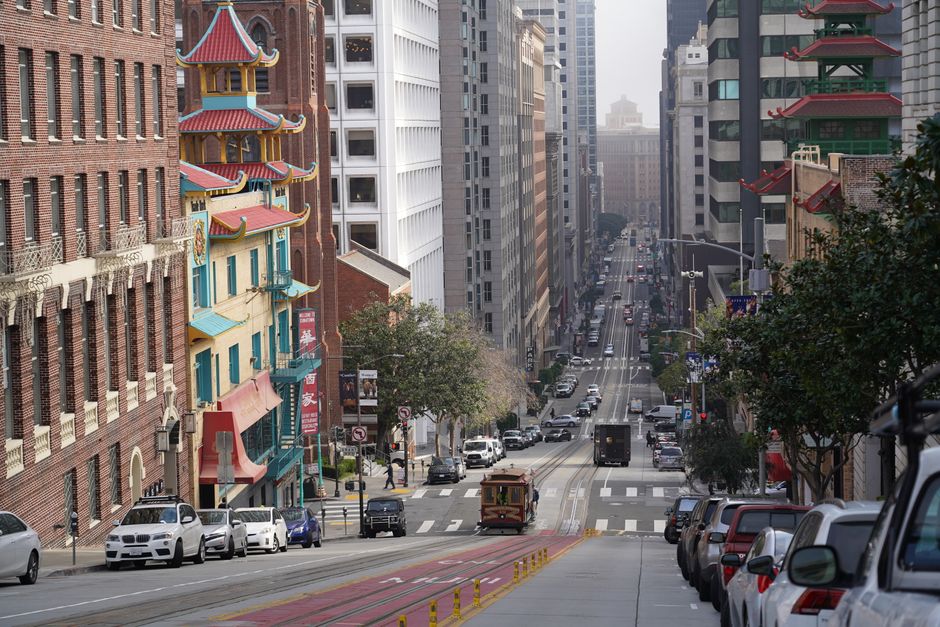
While known for its hills, San Francisco is surprisingly car-optional. The city boasts an extensive MUNI system (buses, streetcars, historic cable cars) that can get you almost anywhere. Neighborhoods like North Beach, the Mission District, and the Haight-Ashbury are incredibly walkable, each with its unique vibe. Even getting to iconic spots like Fisherman’s Wharf, the Golden Gate Bridge, or Alcatraz is well-served by public transport. The hilly terrain can be a workout, but that’s part of the charm, and those views are worth it.
Pro Tip: Consider the Clipper Card for easy fare payment across all transit options. Embrace walking up those hills – it’s part of the authentic San Francisco experience!
Boston, Massachusetts (USA)
Boston is a city steeped in history, and much of it is best explored on foot. The Freedom Trail, for instance, is a 2.5-mile walk that takes you past 16 historically significant sites. The MBTA, affectionately known as “the T,” is North America’s oldest subway system and covers the city and surrounding areas efficiently. Areas like Beacon Hill, the North End, and the Back Bay are incredibly charming and compact. Fenway Park, museums, and countless restaurants are all within easy reach by foot or subway.
Pro Tip: Pick up a CharlieCard or CharlieTicket for easy access to the T. Boston’s compact nature means many popular areas are just a short walk from each other, making it ideal for car-free weekend trips.
Finding Your Home Away From Home: Best Neighborhoods for Local Food, Transit, and Real-World Living
Vancouver, British Columbia (Canada)
Vancouver is a stunning city where urban life meets natural beauty, and it’s remarkably easy to navigate without a car. Its compact downtown core, surrounded by water and mountains, is highly walkable. The SkyTrain (an automated rapid transit system), SeaBus (passenger ferry across Burrard Inlet), and an extensive bus network make getting around a breeze. Stanley Park, Granville Island, Gastown, and Kitsilano Beach are all accessible by transit, walking, or bike. Plus, the city has an excellent network of bike lanes for exploring.
Pro Tip: Purchase a Compass Card for integrated fare payment across all transit modes. Enjoy the scenic journeys, whether on the SkyTrain with mountain views or the SeaBus across the harbor.
FAQ: Car-Free Travel in North America
Is it truly possible to have North America city breaks without a car?
Absolutely. While some North American cities are car-centric, many major urban centers like New York, Montreal, San Francisco, and Boston are perfectly set up for car-free travel thanks to extensive public transportation, walkable neighborhoods, and readily available ride-sharing or bike-sharing options. It just requires choosing the right destination.
How do North American cities compare to European cities for car-free travel?
Many European cities like Rome are often cited for their exceptional walkability and ancient, compact centers. While North American cities generally have a more modern infrastructure, places like New York or Montreal offer public transit on par with some of Europe’s best, and their older core areas rival European charm in terms of pedestrian experience. The biggest difference is often the sprawl outside the city center.
Can I explore diverse neighborhoods without a car in cities like New York or Buenos Aires?
Yes, definitely. Cities like New York, with its extensive subway system, make exploring diverse neighborhoods from Harlem to the Lower East Side incredibly easy. Similarly, Buenos Aires, known for its vibrant distinct barrios like Palermo, Recoleta, and San Telmo, is exceptionally well-served by its Subte (subway) and bus network, allowing for seamless, car-free exploration of its rich cultural tapestry.
What’s the best way to plan my accommodation for a car-free trip?
When planning North America city breaks that work without a car, choose accommodation in a central neighborhood that is either highly walkable or has direct access to a major public transit hub. Look at hotel reviews for mentions of nearby subway stations or bus stops. Being strategically located minimizes travel time and maximizes your car-free convenience.
Are there any safety considerations for using public transit in North America?
Public transit in major North American cities is generally safe, especially during the day and early evening. As with any large city worldwide, it’s wise to be aware of your surroundings, especially late at night or in less crowded areas. Keep valuables secure and avoid displaying expensive electronics. Stick to well-lit and populated stations and stops if traveling after dark.
Key Takeaways for Your Next Car-Free Adventure
Ditching the car for your next urban getaway in North America isn’t just possible; it’s often the superior way to experience a city. By focusing on destinations with strong public transit, compact and walkable neighborhoods, and a vibrant street life, you use a more authentic, less stressful, and often more affordable travel experience. Remember to plan your accommodation strategically near transit hubs, leverage multi-day transit passes, and simply embrace walking as your primary mode of discovery.
The joy of stumbling upon a hidden coffee shop, taking an unexpected streetcar ride through a new neighborhood, or simply soaking in the urban atmosphere without the constant hunt for parking is truly freeing. These North America city breaks that work without a car offer a different kind of freedom – the freedom to explore at your own pace, connect with local life, and make memories that aren’t overshadowed by road rage or fuel costs.
Ready to plan smarter, stress-free trips? Plan smarter trips with Le Daily Post.