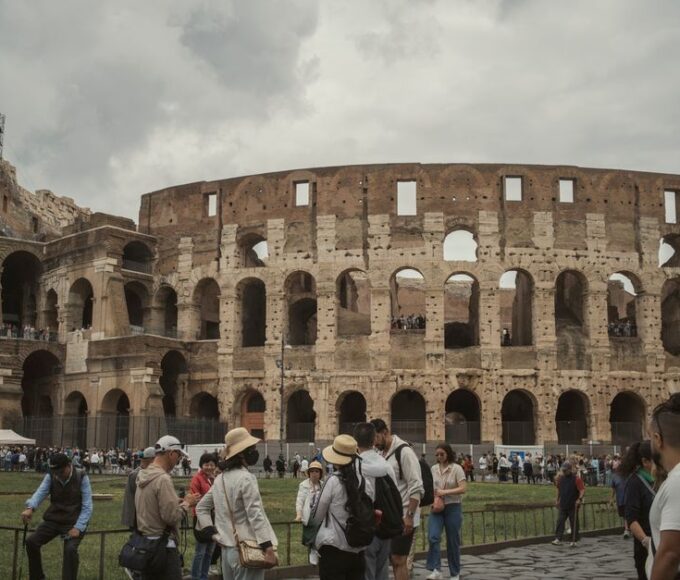


Choosing the right travel backpack size boils down to three core considerations: the length of your trip, the climate of your destination, and the specific carry-on requirements of the airlines you plan to use. For most international carry-on compliance, aiming for a 40-45 liter backpack is ideal. This size typically allows for 3-7 days’ worth of clothing, toiletries, and essential tech, making it perfect for efficient packing and avoiding checked baggage fees on flights to places like New York, Buenos Aires, or Rome.
Ah, the eternal traveler’s dilemma: what size backpack do I really need? If you’re planning a trip, especially as a digital nomad bouncing between continents, getting this wrong can quickly turn exciting anticipation into logistical headaches and unexpected costs. The right travel backpack size isn’t just a number; it’s the difference between breezing through security and fumbling with oversized luggage, between comfortable mobility and a literal pain in the neck.
Many experienced travelers will tell you that the sweet spot for a versatile travel backpack, especially for those aiming to avoid checked baggage, hovers around the 40-45 liter mark. This size often aligns with the carry-on dimensions of most major airlines across North America, Europe, and South America, allowing you to pack efficiently for anything from a week-long city break in Rome to a two-week workation in Buenos Aires, provided you’ve mastered the art of minimalist packing.
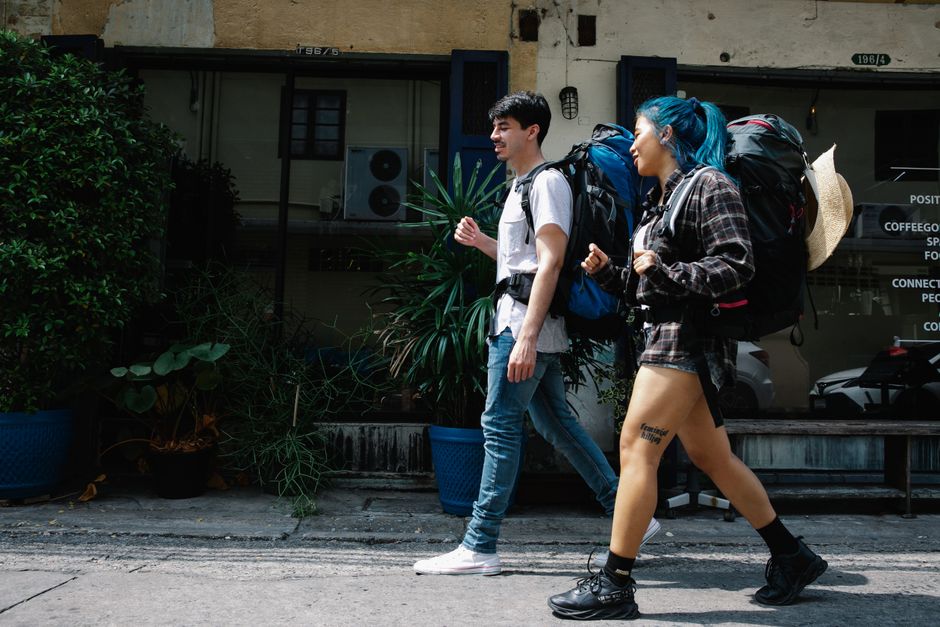
Understanding Airline Carry-On Rules: Your First Constraint
Before you even think about how many pairs of socks you need, you must understand the rules of the sky. Airline carry-on regulations are the primary constraint when you choose travel backpack size. These aren’t just suggestions; they’re strictly enforced, varying widely by airline and even by fare class. A backpack that sails through with one budget carrier in Europe might be deemed too large by another, costing you hefty gate-check fees.
Typical Carry-On Dimensions and Weight Limits
For most major airlines (think Delta, United, American Airlines in North America; Lufthansa, Air France, British Airways in Europe; LATAM, Aerolineas Argentinas in South America), the standard carry-on dimensions are roughly 22 x 14 x 9 inches (56 x 36 x 23 cm). This usually translates to a volume of about 40-45 liters. However, budget airlines like Ryanair or Spirit often have stricter limits, sometimes requiring a bag to fit under the seat in front of you (personal item only) or charging for any overhead bin access.
Weight limits are another crucial factor. While many US airlines don’t enforce strict weight limits for carry-on, often relying on a bag’s visual size, European and South American carriers frequently do. Expect limits anywhere from 7 kg (15 lbs) to 10 kg (22 lbs). This can significantly impact your packing choices, especially if you carry a lot of tech gear.
The Underseat Personal Item Strategy
Many travelers leverage the ‘personal item’ allowance in addition to their main carry-on. This is typically a smaller bag, like a daypack, laptop bag, or purse, that must fit under the seat in front of you. Combining a 40-liter backpack with a smaller 15-20 liter personal item can effectively give you 55-60 liters of capacity, all while avoiding checked bag fees. This strategy is particularly effective for digital nomads who need to carry laptops, cameras, and other work essentials.
Trip Duration and Destination: Tailoring Capacity to Your Journey
Once you’ve got a handle on airline rules, your trip’s nature dictates the appropriate backpack size. A weekend getaway to New York demands far less capacity than a month-long backpacking adventure through the Amazon rainforest.
Short Trips (1-7 Days)
For short trips, a 30-40 liter backpack is often more than enough. These bags are compact, easy to maneuver, and generally meet carry-on requirements without issue. Brands like Osprey (e.g., the Farpoint/Fairview 40) or Cotopaxi (e.g., Allpa 35L) are popular choices in this range, known for their travel-specific features like clamshell openings and organization. They allow you to pack a few outfits, essential toiletries, and a small amount of tech for a quick urban escape or a business trip.
Escape to Comfort and Adventure with Bookabach Holiday Rentals
Medium Trips (1-3 Weeks)
This is where the 40-50 liter range truly shines. For digital nomads spending a couple of weeks working remotely from a coworking space in Lisbon or exploring the ancient ruins near Rome, this size offers the best balance of capacity and portability. You can comfortably fit more clothing, an extra pair of shoes, and your complete digital toolkit. The key here is still thoughtful packing – leaning into versatile, quick-drying clothing and minimizing bulky items.
Longer Trips (3+ Weeks) and Indefinite Travel
For extended travel, especially if you’re a true perpetual nomad, the philosophy often shifts from ‘how much can I pack’ to ‘how little do I need?’ Experienced long-term travelers often stick to a 40-45 liter pack, recognizing that anything larger becomes a burden. The secret isn’t more space; it’s strategic packing, using packing cubes, choosing multi-functional items, and doing laundry regularly. However, if you genuinely need to carry specialized gear (e.g., extensive camera equipment, climbing gear), you might look at 55-65 liter bags, but these almost always require checking and are generally not suitable for carry-on.
Packing Style and Gear Loadout: What Are You Bringing?
Your personal packing style and the specific gear you intend to carry profoundly influence the right travel backpack size. Are you a minimalist who lives by the ‘one week of clothes’ rule, or do you prefer to have options for every occasion?
Minimalist vs. Prepared Traveler
- Minimalist: If you embrace packing cubes, capsule wardrobes, and travel-sized toiletries, you can make a 35-40 liter pack work wonders for extended periods. This approach prioritizes agility and convenience.
- Prepared Traveler: If you need specific gear (e.g., a full camera kit, climbing shoes, specific work tools), you’ll naturally lean towards the upper end of the carry-on spectrum (45L) or even consider checking a larger bag.
Tech Gear Considerations
For digital nomads, tech gear is non-negotiable. Laptops, tablets, chargers, external hard drives, and cameras add significant bulk and weight. Look for backpacks with dedicated, padded laptop sleeves that are easily accessible (TSA-friendly designs are a bonus). Some larger carry-on packs, like the Tortuga Outbreaker 45L or Nomatic Travel Bag, are designed with extensive tech organization in mind, often at the expense of pure clothing capacity.
Comfort and Fit: It’s Not Just About Liters
A backpack can have the perfect volume, but if it doesn’t fit your body comfortably, it’s the wrong bag. This is especially true for travel backpacks, which you might carry for hours through airports, train stations, and city streets from New York to Rome to Buenos Aires.
Torso Length and Hip Belts
Many quality travel backpacks offer adjustable torso lengths. This is crucial for distributing weight effectively to your hips, taking the strain off your shoulders. A padded hip belt that genuinely transfers weight to your hips (rather than just wrapping around your waist) is a hallmark of a comfortable pack, particularly for anything above 30 liters.
Shoulder Straps and Back Panel
Look for well-padded, breathable shoulder straps. Contoured straps that match your body’s shape prevent chafing and discomfort. A ventilated back panel is also key, especially when traveling in hot climates or during long walks, to prevent a sweaty back. Brands like Deuter and Gregory excel in ergonomic designs.
Front-Loading vs. Top-Loading: Access and Organization
The way a backpack opens significantly impacts its usability. Travel backpacks typically fall into two categories:
Create Memorable Vacations with Bookabach Holiday Home Rentals
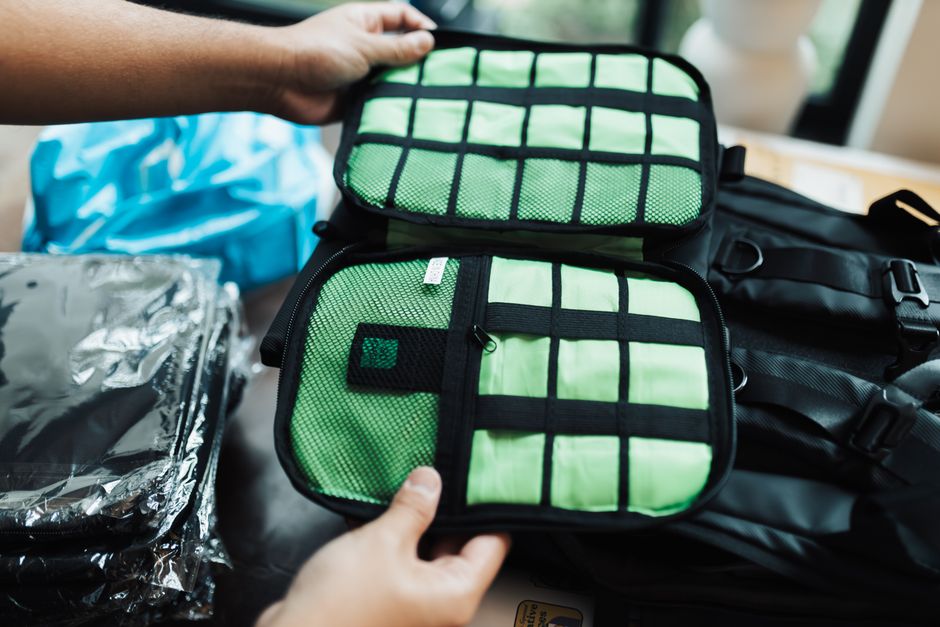
- Front-Loading (Clamshell): These open like a suitcase, offering full access to the main compartment. This is by far the most popular and practical design for travel, allowing you to easily organize and access items without unpacking everything. Most dedicated travel packs, like the Osprey Farpoint/Fairview or Aer Travel Pack, are clamshell designs.
- Top-Loading: Common in traditional hiking backpacks, these open from the top with a drawstring and lid. While durable and often better for weight distribution with very heavy loads, they make accessing items at the bottom of your bag a real hassle, forcing you to dig or remove everything. Generally not recommended as a primary travel backpack unless you specifically need it for combined hiking/travel.
Choosing Your Travel Backpack Size: A Decision Matrix
To choose travel backpack size effectively, consider these questions:
- How long is your trip? (Short, Medium, Long)
- What is the climate of your destination? (Hot/Light clothing, Cold/Bulky clothing)
- Which airlines are you flying? (Check their specific carry-on dimensions and weight limits)
- What essential gear must you carry? (Tech, specialized equipment)
- Do you prioritize carry-on only, or are you willing to check a bag?
- How important is comfort for long periods of carrying? (Consider torso length, hip belts)
For most digital nomads aiming for carry-on only, a 40-45 liter front-loading backpack with good organization and a comfortable fit will be your workhorse. It offers the best blend of capacity, airline compliance, and ease of use for diverse travel scenarios across Europe, North America, and South America.
FAQ: Common Questions About Travel Backpack Size
What is the biggest backpack size you can carry on a plane?
The biggest backpack size you can typically carry on a plane is around 40-45 liters. This volume generally fits within the common dimensions of 22 x 14 x 9 inches (56 x 36 x 23 cm) enforced by most major airlines worldwide. Always check your specific airline’s current regulations, as these can vary slightly and change.
Is a 50L backpack too big for carry-on?
Yes, a 50L backpack is often too big for carry-on, especially if it’s packed to capacity. While some very compressible 50L bags might squeeze into an overhead bin on less strict airlines, they usually exceed the standard dimension limits. Expect to be asked to check a 50L bag on most flights, particularly with budget carriers.
Can I travel for a month with a 40L backpack?
Yes, many experienced travelers and digital nomads successfully travel for a month or even indefinitely with a 40L backpack. The key is meticulous planning, minimalist packing, leveraging packing cubes, choosing versatile clothing, and being prepared to do laundry every 5-7 days. It’s about efficiency, not capacity.
What’s the best backpack size for a trip to Europe?
For a trip to Europe, especially if you plan to use budget airlines or move frequently between cities by train, a 35-45 liter backpack is ideal. This size typically meets strict European carry-on dimensions and weight limits, allowing you to avoid checked bag fees and navigate public transport easily in cities like Rome or Paris.
Is a 20L backpack enough for travel?
A 20L backpack is generally sufficient for very short trips (1-3 days), primarily as a personal item, or for extremely minimalist packers. It’s often too small for all but the most spartan of multi-day trips where you only need a change of clothes and basic essentials, making it better suited as a daypack than a primary travel bag.
What’s the difference between a travel backpack and a hiking backpack?
Travel backpacks are designed for easy packing and access, usually with a clamshell opening like a suitcase, minimal external straps, and features like laptop sleeves. Hiking backpacks, conversely, are typically top-loading, focus on weight distribution for trails, have numerous external straps for gear, and prioritize durability in rugged environments rather than urban convenience.
Ultimately, the right travel backpack size isn’t a universal constant. It’s a highly personal choice influenced by your travel style, destination, and the specific limitations imposed by airlines. By carefully comparing these factors before you decide, you’ll ensure your backpack is an asset, not a burden, on your next adventure.
Plan smarter trips with Le Daily Post.