
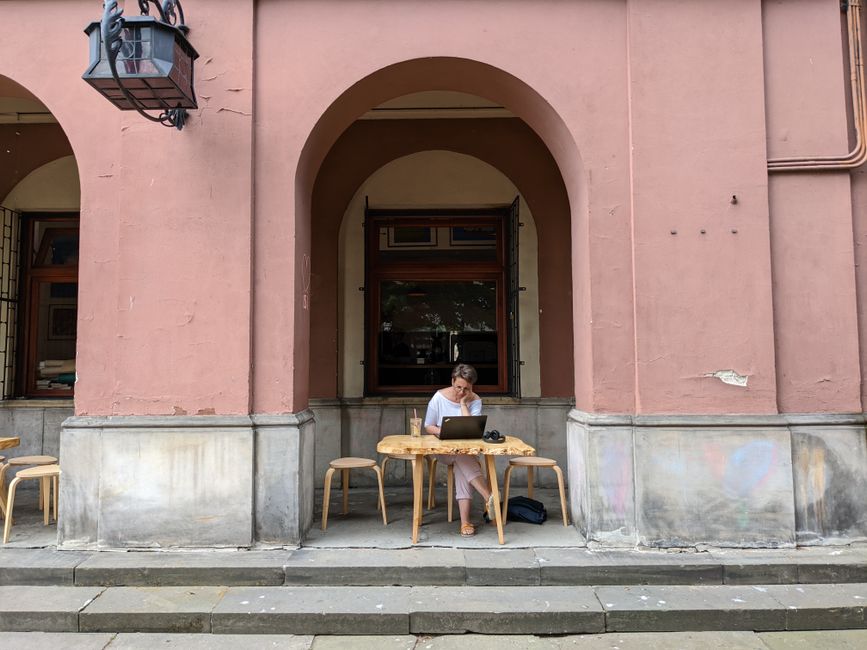
For remote work trips, destinations like Mexico City, Vancouver, and Lisbon stand out for their blend of reliable internet infrastructure, vibrant digital nomad communities, and appealing lifestyles. These cities generally offer strong fiber optic connections, numerous coworking spaces, and abundant cafes with Wi-Fi, making them excellent choices for first-time international remote workers. While internet speeds can vary by neighborhood and specific provider, these locations consistently rank high for overall connectivity, ensuring your work doesn’t grind to a halt due to poor signal.
So, you’ve decided to take the leap: packing your bags, grabbing your laptop, and setting off on remote work trips. The dream is alluring – working from a charming café in Lisbon, a bustling coworking space in Mexico City, or with a mountain view in Vancouver. But let’s be real: that dream quickly becomes a nightmare when your internet cuts out mid-client call or your critical files refuse to upload. The romanticized image of remote work often glosses over the fundamental truth that stable, fast internet isn’t a luxury; it’s the absolute backbone of your livelihood.
A common mistake first-time international remote workers make is assuming that ‘Wi-Fi available’ means ‘reliable internet for professional use.’ This couldn’t be further from the truth. In practice, you need more than just a connection; you need consistent speed, low latency, and a solid infrastructure that can handle multiple devices and demanding tasks. This guide cuts through the marketing fluff to give you a realistic look at places for remote work trips with reliable internet, helping you choose wisely and avoid connectivity headaches.

North America: Urban Comforts and Natural Escapes
North America offers a mix of tech-forward cities and scenic locales, making it a compelling region for remote workers. While generally reliable, internet quality can still vary significantly between urban cores and more rural or tourist-centric areas. Always do your homework on specific neighborhoods.
Mexico City: A Vibrant Hub with Surprising Connectivity
Mexico City, or CDMX, has exploded in popularity for remote workers, and for good reason. Beyond its incredible food, culture, and affordability, the internet infrastructure in key neighborhoods is remarkably solid. Areas like Roma Norte, Condesa, and Polanco boast widespread fiber optic networks. Providers like Telmex and Izzi are common, offering speeds that typically range from 50 Mbps to 200 Mbps, often more than enough for video conferencing and large file transfers. You’ll find countless cafes with good Wi-Fi and a growing number of dedicated coworking spaces such as WeWork and The Pool, which offer very stable connections. For most readers, CDMX hits a sweet spot: big city amenities, a lively expat scene, and internet that generally won’t let you down.
Vancouver: Coastal Beauty Meets Strong Infrastructure
Up north, Vancouver, Canada, presents a different kind of appeal. Known for its stunning natural beauty – mountains, ocean, and forests all within easy reach – it’s also a significant tech hub. This means the city has invested heavily in its digital infrastructure. Providers like Telus and Shaw offer excellent fiber internet, with speeds often exceeding 300 Mbps in residential and business areas. While the cost of living is higher than in Mexico City, the reliability of the internet is almost a given. Coworking spaces like Spaces and Regus are plentiful, offering professional environments with dependable connections. If your remote work trips involve a love for the outdoors coupled with a need for top-tier connectivity, Vancouver is a strong contender.
What Actually Helps When You Need to Compare Flights Beyond the Cheapest Fare
Europe: Old World Charm, New Age Connectivity
Europe has long been a favorite for digital nomads, blending historical richness with modern amenities. While some older infrastructure exists, many major cities have aggressively upgraded their networks, especially in Western and Southern Europe.
Lisbon: Sun, Culture, and Solid Internet
Lisbon, Portugal, has carved out a reputation as one of Europe’s premier digital nomad destinations. The city balances a relaxed pace of life with a thriving tech scene, and its internet infrastructure has kept pace. Fiber optic connections are widespread, with providers like MEO, NOS, and Vodafone offering competitive plans and speeds often reaching 1 Gbps in prime areas. This means buffer-free streaming and seamless video calls are the norm. Coworking spaces like Second Home and Impact Hub provide reliable alternatives to working from home or cafes. The cost of living is rising but still more accessible than many Western European capitals, making Lisbon an attractive option for those seeking good weather, vibrant culture, and dependable connectivity for their remote work travel destinations.

South America: Emerging Markets with Growing Options
South America offers incredible diversity and affordability, but internet reliability can be a bit more of a mixed bag. While major cities are catching up, it’s crucial to research specific areas and providers carefully.
Bogotá: High-Altitude Connectivity
Bogotá, Colombia, is a rapidly developing capital with a growing tech sector. While it might not have the same immediate reputation for digital nomadism as other cities, its internet infrastructure, especially in affluent areas like Usaquén and Chapinero, is quite solid. Providers like Claro and Tigo offer fiber optic services, with speeds that are generally sufficient for most remote work needs. You can find several modern coworking spaces, and the city’s café culture is booming. It’s a city for those who appreciate a cooler climate, a vibrant arts scene, and are looking for a South American base where remote work trips can thrive with increasingly reliable internet.
Buenos Aires: European Flair with Improving Speeds
Buenos Aires, Argentina, often feels more European than South American, with its grand boulevards and cafe culture. Internet here has historically been decent but is steadily improving. Fiber optic expansion is ongoing, particularly in neighborhoods like Palermo, Recoleta, and Belgrano. Providers like Fibertel and Telecentro offer good packages, and while outages can occasionally happen, overall speeds are generally satisfactory for remote work. The city is rich in coworking options and boasts an incredibly vibrant cultural scene, making it an appealing choice for those who prioritize a lively urban experience with increasingly reliable connectivity.
Choosing Your Next Remote Work Destination: What to Look For
When you’re sifting through potential places for remote work trips with reliable internet, a few key considerations should always be at the forefront of your mind. It’s not just about a city having ‘internet’; it’s about the specifics that enable your work without constant stress.
Create Memorable Vacations with Bookabach Holiday Home Rentals
- Fiber Optic Availability: This is your gold standard. Always prioritize destinations and accommodations with confirmed fiber optic connections. ADSL or older cable can be less stable and slower.
- Multiple Providers: A city with competition among internet service providers (ISPs) often means better service, more competitive pricing, and more solid infrastructure overall. It also gives you options if one provider isn’t cutting it.
- Coworking Spaces: Even if you plan to mostly work from your apartment, having access to reputable coworking spaces is a fantastic backup. They almost always have enterprise-grade internet, backup power, and a professional environment when you need it most. Check reviews specifically mentioning internet quality.
- Mobile Data Strength: A strong 4G or 5G network can be a lifesaver for tethering if your main Wi-Fi fails. Research local SIM card options and network coverage in your target areas.
- Local Recommendations: Nothing beats current, on-the-ground advice. Join local digital nomad Facebook groups or forums for real-time insights on internet providers and specific neighborhood reliability.
FAQ: Your Remote Work Internet Questions Answered
Is the internet in Mexico City reliable enough for constant video calls?
Yes, in popular remote work neighborhoods like Roma Norte and Condesa, Mexico City generally offers reliable fiber optic internet with speeds sufficient for constant video calls. Major providers like Telmex and Izzi deliver consistent service, and numerous coworking spaces provide even more stable connections, making it a strong choice for video-intensive work.
What internet speeds should I aim for when choosing a remote work destination?
For most remote work, aim for at least 50-100 Mbps download and 10-20 Mbps upload speeds. This allows for smooth video conferencing, cloud file transfers, and general browsing without significant lag. Higher speeds are always better, especially if you handle large files or stream high-definition content.
Are coworking spaces always better for internet than cafes?
Generally, yes. Coworking spaces invest in commercial-grade internet, often with redundant connections and IT support, making them far more reliable than cafes. Cafe Wi-Fi can be prone to congestion, lower speeds, and less secure networks, suitable for light browsing but often insufficient for demanding professional tasks.
How can I verify internet reliability before booking accommodation?
The best way to verify internet reliability is to check previous guest reviews on platforms like Airbnb, specifically looking for comments on Wi-Fi quality. You can also ask hosts for screenshots of recent speed tests or the name of their ISP and plan details, then research that provider’s local reputation.
Is it worth getting a local SIM card with a data plan for remote work trips?
Absolutely. A local SIM card with a generous data plan provides crucial backup internet for your phone, which you can often tether to your laptop. It’s invaluable for navigation, communication, and emergencies, acting as a critical fail-safe if your primary Wi-Fi connection goes down.
What’s the internet situation like in Lisbon for digital nomads?
Lisbon offers excellent internet infrastructure for digital nomads, particularly in the city center and popular neighborhoods. Widespread fiber optic coverage from providers like MEO and NOS means fast, reliable speeds (often 1 Gbps). The city also boasts many modern coworking spaces with top-tier connectivity, solidifying its reputation as a premier remote work hub.
The Realities of Remote Work Connectivity
The allure of remote work travel destinations is strong, but the practicalities of connectivity can make or break your experience. By focusing on places for remote work trips with reliable internet, you’re investing in your productivity and peace of mind. Cities like Mexico City, Vancouver, and Lisbon aren’t just great places to visit; they are proven environments where you can actually get your work done without constant technical headaches. Don’t leave your livelihood to chance; prioritize solid internet infrastructure. Ready to plan smarter trips? Explore more insights on Le Daily Post.