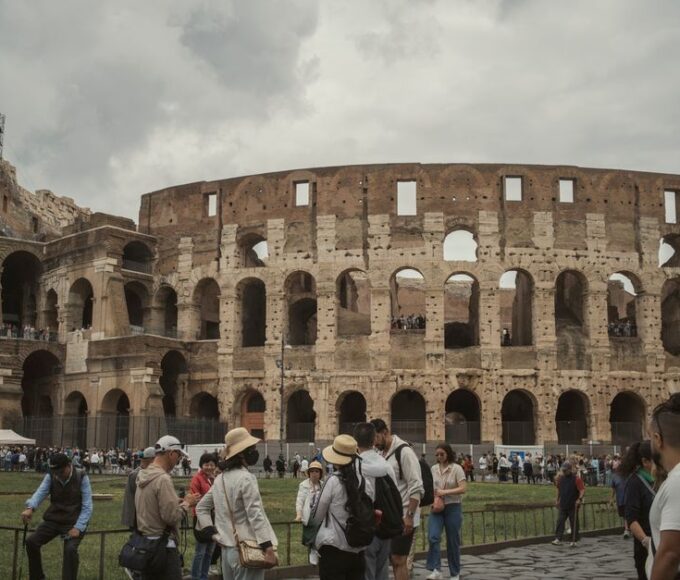

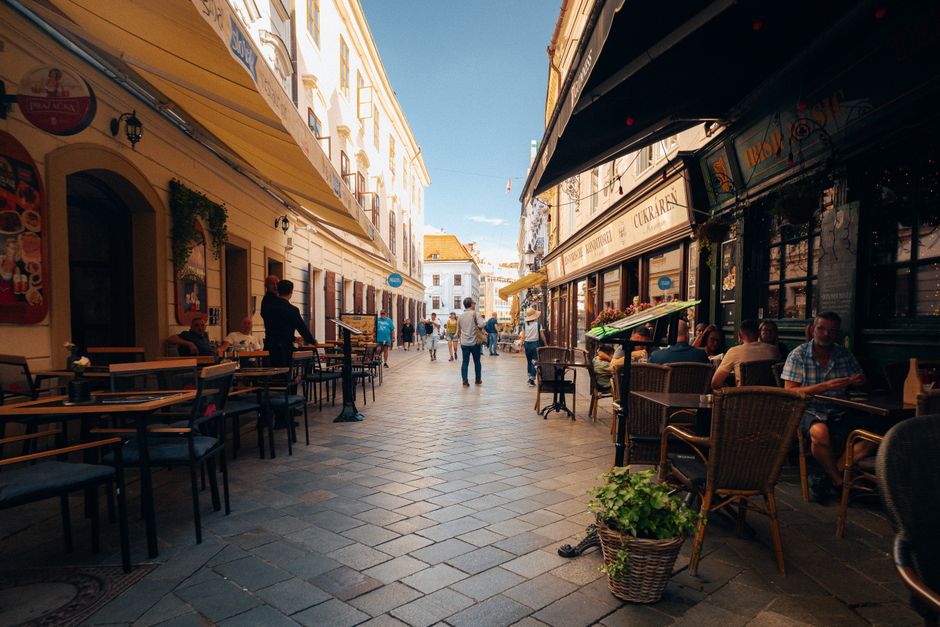
The best neighborhoods to stay in when you prioritize local food and easy transit for real-world use typically blend historical charm with modern infrastructure, offering a robust public transport network alongside a vibrant culinary scene. Look for areas slightly outside the main tourist drag but still well-connected. Examples include Lisbon’s Graca, Paris’s Le Marais, and Mexico City’s Roma Norte or Condesa. These spots provide immediate access to authentic eateries, markets, and convenient metro or bus lines, allowing travelers to experience the city genuinely without constant reliance on taxis or private cars, making daily life and exploration far more efficient and enjoyable.
When you’re planning a trip, especially if you’re aiming for more than just checking off landmarks, the biggest challenge often isn’t what to see, but where to base yourself. Staying in the heart of the tourist zone can mean overpaying for mediocre food and spending precious time stuck in traffic or waiting for expensive rideshares. You want to eat where the locals eat, experience the rhythm of daily life, and navigate a new city with confidence, not constantly consult a map wondering if that bus stop actually goes where you think it does.
The goal is to find a sweet spot: a neighborhood that feels authentic, bustling with local life, and, crucially, makes it easy to get around. This isn’t just about saving money on transport; it’s about saving time, reducing stress, and immersing yourself more deeply in the culture. Imagine stepping out your door to a bustling market, grabbing a coffee at a family-run café, and then hopping on a metro or tram that whisks you directly to your next adventure, all without feeling like you’re caught in a tourist conveyor belt. That’s the ideal.
We’re talking about finding the best neighborhoods to stay in when you want local food and easy transit for real-world use – places where convenience meets authenticity, and your travel experience feels less like a vacation and more like a temporary residency.

Navigating Cities: A Quick Overview for Discerning Travelers
- Prioritize Transit Hubs: Look for areas with multiple metro, tram, or bus lines converging.
- Walkability is Key: Can you reach daily essentials (groceries, cafes) on foot?
- Local Eateries vs. Tourist Traps: Seek out spots known for authentic, non-inflated local cuisine.
- Market Access: Proximity to local markets is a huge plus for fresh food and cultural immersion.
- Safety & Comfort: Research neighborhood safety, especially for walking at night.
- Beyond the Postcard: Be willing to venture slightly outside the absolute city center for better value and authenticity.
- Noise Levels: Consider if a vibrant, bustling area might be too noisy for your sleep preferences.
- Neighborhood Vibe: Each district has a distinct personality; choose one that resonates with your travel style.
Europe: Historic Charm Meets Modern Convenience
Europe often sets the gold standard for public transportation, making it relatively easy to find neighborhoods that tick all the boxes. The challenge here is balancing historic beauty with genuine local life, as many charming areas are also prime tourist real estate.
Lisbon: Graca and Beyond
Lisbon is a city built on hills, which means good transit isn’t just a convenience, it’s a necessity. While Baixa and Chiado are central, they can feel very tourist-centric. For a more local flavor, consider Graca. This historic neighborhood, perched high above the city, offers breathtaking views from Miradouro da Senhora do Monte and Miradouro da Graça. It’s residential, with a genuine neighborhood feel, complete with small, independent shops, bakeries, and incredibly affordable local restaurants serving traditional Portuguese fare like bacalhau à brás or grilled sardines.
Transit here is excellent. The iconic Tram 28 meanders through Graca, connecting you to Alfama, Baixa, and Estrela. Multiple bus lines also serve the area, and the Anjos metro station (green line) is a downhill walk away, providing direct access to the city center and the Cais do Sodré train station for day trips to Cascais. You can easily walk to the vibrant Feira da Ladra flea market on Tuesdays and Saturdays. In practice, Graca gives you that authentic Lisbon experience without feeling isolated or constantly needing a taxi.
Paris: Le Marais and Canal Saint-Martin
Paris has an unparalleled metro system, so finding transit isn’t hard. The trick is finding local food that isn’t overpriced or aimed squarely at visitors. Le Marais, particularly the northern parts closer to République or Arts et Métiers, strikes a fantastic balance. It’s historic and undeniably chic, but away from the Rue des Rosiers crowds, you’ll find genuine Parisian life. The area is packed with excellent boulangeries, fromageries, and hidden bistros where you can still grab a classic croque monsieur or steak frites without breaking the bank. There’s also a fantastic array of falafel joints and other international cuisines.
Transit is superb, with numerous metro lines (3, 4, 5, 8, 9, 11) intersecting around République and Arts et Métiers, connecting you to virtually anywhere in the city. The area is also incredibly walkable, perfect for strolling along the Seine or exploring the Place des Vosges. For a slightly grittier, more bohemian vibe with equally strong transit and fantastic food, consider the area around Canal Saint-Martin. It’s less polished than Le Marais but offers a wealth of trendy yet authentic eateries and bars, plus easy access to metro lines 2, 5, 7, and 11.
Create Memorable Vacations with Bookabach Holiday Home Rentals
North America: Urban Sprawl and Culinary Gems
North American cities present a different challenge. While some boast decent public transit, many are car-centric, making neighborhood choice even more critical for travelers prioritizing walkability and public transport.
Montreal: Le Plateau-Mont-Royal
Montreal is a shining example of a North American city with a fantastic, user-friendly metro system. For the perfect blend of local life, incredible food, and easy transit, look no further than Le Plateau-Mont-Royal. This iconic neighborhood, characterized by its colorful spiral staircases and tree-lined streets, is a culinary paradise. From classic Québécois poutine joints like La Banquise to upscale bistros, bakeries, and vibrant markets, the food scene is diverse and authentic.
The Plateau is highly walkable, with independent boutiques, art galleries, and cafes at every turn. Transit is excellent, with multiple metro stations (Mont-Royal, Sherbrooke, Laurier) on the orange line, connecting you quickly to downtown, Old Montreal, and other key areas. Numerous bus routes also crisscross the neighborhood. It’s a place where you can spend days exploring on foot and still easily connect to the wider city without needing a car.
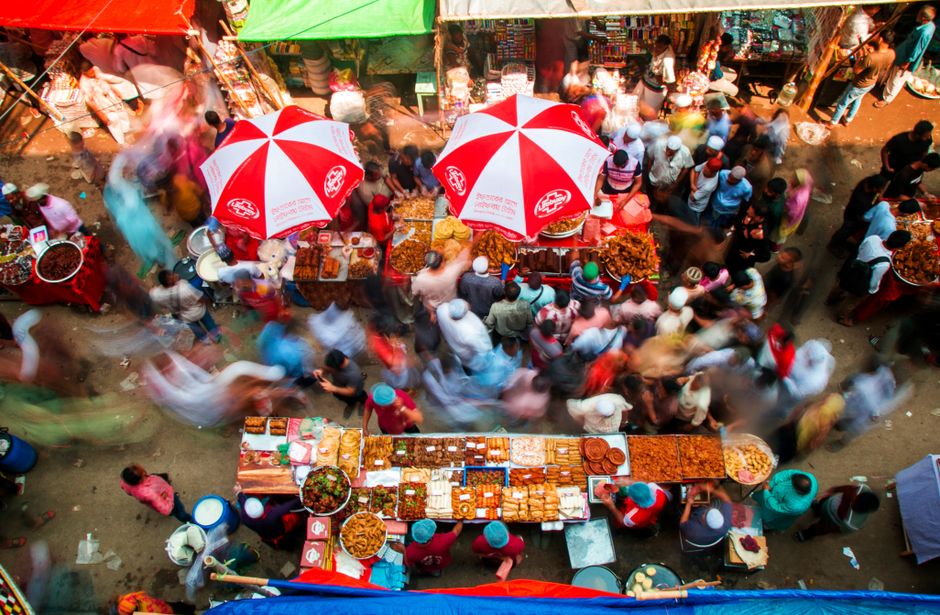
You’ll find fresh produce and local delights at markets like Jean-Talon, accessible via metro.
New York City: Astoria, Queens
Manhattan is iconic, but for local food and efficient transit without the crushing crowds and exorbitant prices, Astoria in Queens is a standout. Historically a Greek neighborhood, it has evolved into a melting pot offering an incredible array of cuisines – Greek, Italian, Middle Eastern, Latin American, and countless others. You can find everything from authentic gyros and baklava to craft breweries and Michelin-starred restaurants.
Transit is a major draw. The N and W subway lines run directly through Astoria, providing a quick, direct commute to Midtown Manhattan (Times Square, Rockefeller Center) in under 15-20 minutes. The R and M lines are also accessible from parts of the neighborhood. Astoria is very walkable, with a vibrant main commercial strip along Steinway Street and Ditmars Boulevard, and plenty of parks like Astoria Park with stunning views of the Manhattan skyline. It’s a perfect base for experiencing real New York life.
South America: Vibrant Markets and Seamless Mobility
South American cities often burst with energy, color, and flavor. Finding a neighborhood that balances this vibrancy with practical transit options is key to a smooth trip.
Mexico City: Roma Norte & Condesa
Mexico City is vast and bustling, but its public transport, particularly the metro and Metrobus, is remarkably efficient and affordable. For the ideal blend of incredible local food, beautiful surroundings, and easy transit, Roma Norte and its adjacent sister, Condesa, are consistently top choices. These tree-lined neighborhoods are known for their Art Deco architecture, lush parks (like Parque México and Parque España), and an astonishing culinary scene.
You’ll find everything from trendy fusion restaurants and charming cafes to some of the city’s best street food stalls (tacos al pastor, esquites, tamales) and traditional fondas serving authentic Mexican dishes. La Roma is also home to Mercado Roma, an upscale food hall. Transit is excellent: multiple metro stations (Insurgentes, Sevilla, Hospital General, Chilpancingo) are within easy reach, connecting you to the historic center, Coyoacán, and other key areas. The EcoBici bike-share system is also widely available and a fantastic way to explore these flat, picturesque areas. This combination truly makes them the best neighborhoods to stay in when you want local food and easy transit for real-world use in Mexico City.
Buenos Aires: Palermo Soho/Hollywood
Buenos Aires is a sprawling city, but certain neighborhoods excel in terms of food and transit. While San Telmo offers historic charm and Recoleta boasts elegance, Palermo Soho and Palermo Hollywood offer a more contemporary, yet still authentically porteño, experience with excellent connectivity. This large district is a culinary hotspot, renowned for its parrillas (steakhouses), artisanal ice cream shops, craft breweries, and trendy cafes. You’ll find a mix of traditional Argentine fare and innovative international cuisine.
Escape to Comfort and Adventure with Bookabach Holiday Rentals
Palermo is highly walkable, especially the Soho and Hollywood sections, with independent boutiques and street art. Transit options include multiple subte (subway) lines (D and B) that quickly connect you to the city center, and a comprehensive bus network (colectivos) that can take you almost anywhere. The area is also well-served by taxis and ride-sharing apps, but for daily commuting, the subte and colectivos are reliable and cost-effective. Weekend markets and the overall vibrant atmosphere make it a fantastic base for exploring.
FAQ
Q: What are the key factors to consider when choosing a neighborhood for local food and transit?
A: Prioritize areas with a high density of non-touristy restaurants, proximity to local markets, and immediate access to multiple public transit options like metro, tram, or bus lines. Walkability and local atmosphere are also crucial for an authentic experience.
Q: How can I verify a neighborhood’s food scene is genuinely local?
A: Look for packed establishments with mostly locals, often with menus only in the local language or very simple, traditional offerings. Online reviews that specifically mention “local favorite” or “hidden gem” can also be a good indicator, and avoid places with aggressively promotional staff outside.
Q: Is it always better to stay slightly outside the main tourist area?
A: Generally, yes. Staying just beyond the immediate tourist center often leads to better value accommodation, more authentic food options, and a quieter, more residential atmosphere, while still providing excellent public transit links to major attractions.
Q: How important is safety when choosing a transit-friendly neighborhood?
A: Safety is paramount. Always research current neighborhood safety conditions, especially for walking at night. Well-lit streets, active evening foot traffic, and readily available public transport are good indicators of a safer area. Trust your gut feeling upon arrival.
Q: What kind of public transit should I prioritize for real-world use?
A: A solid metro or subway system is usually ideal for speed and coverage. Complementary bus and tram networks are excellent for shorter distances and scenic routes. Look for areas served by at least two different modes of transport for maximum flexibility.
Q: Do these recommendations work for digital nomads looking for longer stays?
A: Absolutely. These neighborhoods often have a strong infrastructure for daily living, including co-working spaces, cafes with good Wi-Fi, and a community feel, making them ideal for digital nomads who need to balance work with local immersion.
Key Takeaways for Smart Travel Planning
Choosing the right base for your travels can truly make or break your trip. By prioritizing neighborhoods that blend authentic local food with excellent public transit, you’re not just saving money; you’re gaining invaluable time and a deeper, more enriching travel experience. Think beyond the main squares and look for areas where locals live, work, and eat – these are the places where genuine cultural immersion happens.
Whether you’re exploring the historic hills of Lisbon, the chic streets of Paris, the vibrant avenues of Mexico City, or the bustling districts of Montreal, the principle remains the same: seek out connectivity, culinary authenticity, and a true sense of place. This approach transforms a typical tourist visit into a more rewarding journey, allowing you to navigate like a local and savor every moment.
Ultimately, the best neighborhoods to stay in when you want local food and easy transit for real-world use are those that empower you to be an active participant in city life, not just an observer. Plan smarter trips with Le Daily Post.