

For digital nomads prioritizing value and quality of life over the well-trodden paths, cities like Buenos Aires, Mexico City, and Montreal offer compelling alternatives. These destinations provide significantly lower living costs compared to hubs like Lisbon or Medellin, alongside excellent internet, diverse cultural scenes, and established communities. You’ll find strong co-working options, varied cuisines, and often better long-term visa prospects, making them ideal for a productive and enjoyable remote work experience without the premium price tag.
When you picture the ‘best digital nomad cities,’ certain names probably spring to mind: Lisbon, Medellin, Chiang Mai. For good reason, too – they’ve earned their reputation as hubs for remote workers, offering community, decent internet, and a sense of adventure. But here’s the catch: that popularity often comes with a price tag. Rents rise, co-working spaces fill up, and what was once an affordable dream can start to feel a lot like home, but with more tourists.
Many remote workers are now looking for that sweet spot again: vibrant cities where their money stretches further, allowing for a higher quality of life without constant budget monitoring. It’s about finding places where a great apartment, excellent food, and a stimulating environment don’t cost an arm and a leg. This isn’t just about saving money; it’s about optimizing your entire experience as a remote professional.
So, if you’re ready to look beyond the usual suspects and discover the best digital nomad cities that genuinely offer more value, you’ve come to the right place. We’re talking about places where you can truly thrive, not just survive, on your remote income.
Beyond the Hype: Finding Real Value in Digital Nomad Destinations
The concept of ‘value’ for a digital nomad goes beyond just cheap rent. It encompasses a holistic view: the cost of living versus your income, the quality of internet infrastructure, the safety and walkability of a city, the cultural richness, and the ease of connecting with other remote professionals. A city might be incredibly cheap, but if the internet is unreliable and you feel isolated, it’s not truly valuable. Conversely, a slightly more expensive city with a thriving community and reliable services can be a far better investment.
A common mistake is chasing the lowest possible cost without considering these qualitative factors. This often leads to burnout, frustration, and ultimately, a premature departure. The goal should be to find a place where your money gives you access to an enriched life, not just basic amenities.
South America: A Continent of Unsung Gems
While Medellin has captured much of the remote work spotlight in South America, its popularity has driven up prices significantly. Excellent alternatives exist that offer similar energy, often with a richer cultural tapestry and a more favorable exchange rate.
Europe vs South America vs North America: Where to Travel First in 2026
Buenos Aires, Argentina: European Charm with South American Soul
Buenos Aires consistently ranks high for quality of life and affordability, making it one of the best digital nomad cities for those seeking a vibrant urban experience. The city boasts a stunning European architectural flair, world-class cuisine (hello, steak and Malbec!), and a lively arts scene. While Argentina’s economy can be volatile, this often works in favor of those earning in stronger currencies, making local costs incredibly low.
- Cost of Living: Expect a comfortable lifestyle for significantly less than in Europe or North America. Rent for a good apartment in areas like Palermo or Recoleta is very reasonable, and dining out is a pleasure rather than an indulgence.
- Internet & Infrastructure: Wi-Fi is generally good, and fiber optic is becoming more common. Co-working spaces like AreaTres offer reliable environments.
- Culture & Community: From tango classes to late-night parillas, the cultural immersion is deep. There’s a growing but less saturated digital nomad community than in Medellin.
- Visa: Argentina recently launched a specific digital nomad visa, simplifying longer stays.
Beyond Medellin: Exploring Other Colombian Cities
While not as cheap as Buenos Aires, cities like Cali offer a different flavor of Colombian life. Known as the salsa capital of the world, Cali provides a rich cultural experience, a warmer climate, and a more local feel than Medellin, often at a lower cost. The internet infrastructure is solid, and there’s a burgeoning co-working scene. It’s an excellent choice for those who want to experience authentic Colombian culture without the tourist crowds.
North America: Value Beyond Silicon Valley
Forget San Francisco or New York; for remote workers seeking the best digital nomad cities in North America that balance cost and quality, look north to Canada or south to Mexico. These countries offer diverse options, from bustling metropolises to charming cultural centers.
Mexico City, Mexico: A Cultural Powerhouse
Mexico City has exploded in popularity, but unlike some destinations, it still offers remarkable value for its size and offerings. It’s a colossal city with endless neighborhoods, each with its own character. From the bohemian Condesa and Roma Norte to the more traditional Coyoacán, there’s a place for everyone. The food scene is world-class, public transport is efficient, and the cultural calendar is packed.
- Cost of Living: While not dirt cheap, compared to major US cities, Mexico City offers incredible value. Rent for a spacious apartment in a desirable neighborhood is far more accessible, and local food is incredibly affordable and delicious.
- Internet & Infrastructure: Excellent fiber optic internet is widely available, and countless co-working spaces, like Centraal, cater to remote workers.
- Culture & Community: A massive, diverse city means endless exploration. The digital nomad community is large and well-established, offering plenty of networking opportunities.
- Visa: A standard tourist visa (FMM) allows for stays up to 180 days, and extending or applying for a temporary resident visa is an option for longer commitments.
Montreal, Canada: European Flair in North America
For those who love European charm but prefer to stay closer to home in North America, Montreal is a fantastic choice. As a bilingual city (French and English), it offers a unique cultural blend, incredible food, and a vibrant arts scene. While Canadian cities aren’t typically ‘cheap,’ Montreal stands out for its relatively lower cost of living compared to Toronto or Vancouver, especially when you factor in the quality of life.
- Cost of Living: Rent is significantly more affordable than other major Canadian or US cities. Public transport is excellent, reducing the need for a car, and groceries are reasonable.
- Internet & Infrastructure: Canada boasts some of the best internet infrastructure globally. Montreal has numerous co-working spaces and cafes with reliable Wi-Fi.
- Culture & Community: Festivals year-round, distinct neighborhoods, and a friendly local population. The digital nomad scene is growing, albeit smaller than in larger hubs.
- Visa: Canada offers various visitor and work permits, but a dedicated digital nomad visa is not yet in place, requiring some planning for longer stays.

Europe: Finding Affordability Beyond Lisbon and Berlin
Lisbon has become a poster child for digital nomad life, but its success has driven up prices and made it feel crowded. For remote workers seeking the best digital nomad cities in Europe that offer better value, there are many hidden gems that combine affordability with rich history, excellent food, and a solid infrastructure.
Porto, Portugal: Lisbon’s Charm Without the Price Tag
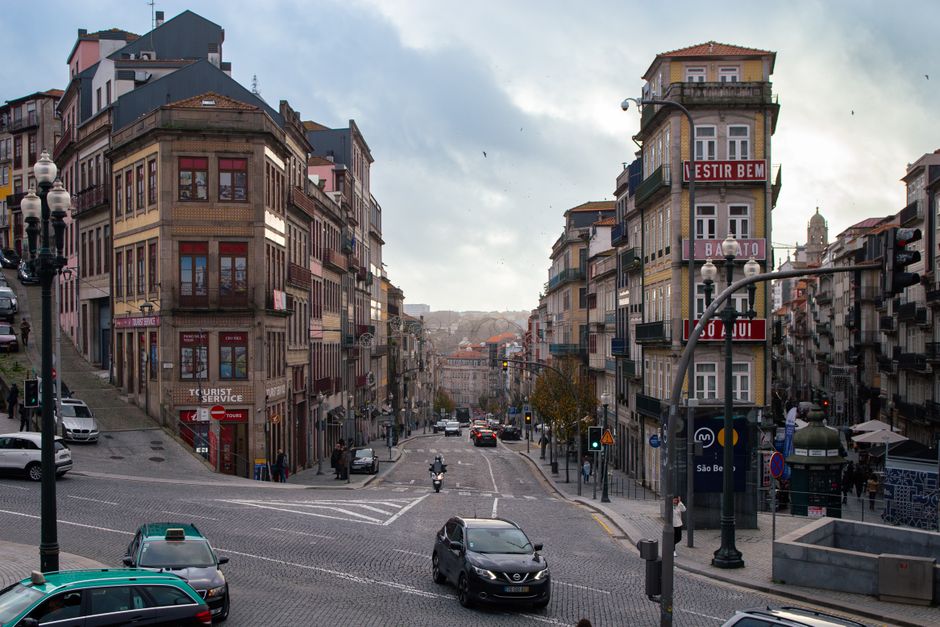
Often overshadowed by its southern counterpart, Porto offers a similar enchanting experience to Lisbon but generally at a lower cost. With its historic Ribeira district, delicious Port wine, and stunning bridges, Porto has a unique charm. It’s smaller and more walkable, offering a more laid-back pace of life.
Create Memorable Vacations with Bookabach Holiday Home Rentals
- Cost of Living: Significantly more affordable than Lisbon for rent, dining, and daily expenses.
- Internet & Infrastructure: Excellent internet speeds and a growing number of co-working spaces catering to the remote community.
- Culture & Community: Rich history, vibrant local culture, and a welcoming atmosphere. The digital nomad community is present and friendly, but less overwhelming than in Lisbon.
- Visa: Portugal’s digital nomad visa is accessible, covering both Porto and Lisbon, making it an excellent option for long-term stays.
Valencia, Spain: The Mediterranean Lifestyle at a Fair Price
While Barcelona and Madrid get a lot of attention, Valencia offers a fantastic Mediterranean lifestyle without the hefty price tag. It’s a city known for its stunning architecture, vibrant arts scene, delicious paella, and beautiful beaches. The pace of life is slower, yet it offers all the amenities of a modern European city.
- Cost of Living: Compared to Madrid or Barcelona, Valencia offers substantially better value for rent, groceries, and dining out.
- Internet & Infrastructure: Reliable fiber optic internet is standard, and co-working spaces are readily available.
- Culture & Community: A fantastic blend of historic charm and modern innovation, with a strong sense of local community. The digital nomad scene is growing steadily.
- Visa: Spain recently launched its digital nomad visa, making Valencia a very attractive option for non-EU citizens.
FAQ: Practical Answers for Your Next Remote Work Destination
Which cities are best for digital nomads who want value and quality of life?
Cities like Buenos Aires, Mexico City, Porto, and Valencia consistently offer exceptional value by balancing lower living costs with high quality of life. They provide reliable internet, diverse cultural experiences, good infrastructure, and growing remote work communities, allowing your income to stretch further for a more comfortable and fulfilling lifestyle.
Is it safer to be a digital nomad in smaller cities than large ones?
Not necessarily. Safety largely depends on the specific city and even the neighborhood, regardless of size. Large cities often have safer areas with more resources and better public transport, while some smaller towns might lack infrastructure. Always research specific neighborhoods and local safety tips for any destination.
How important is a dedicated digital nomad visa for choosing a city?
A dedicated digital nomad visa significantly simplifies longer stays, often providing legal residency and access to local services. While not strictly necessary for short-term visits (many use tourist visas), it’s highly important for anyone planning to stay for more than 3-6 months, offering peace of mind and formal recognition.
Can I find good co-working spaces in less popular digital nomad cities?
Yes, absolutely. Even in cities not traditionally branded as ‘digital nomad hubs,’ the global rise of remote work means co-working spaces are becoming increasingly common. Many cities are investing in infrastructure to attract remote workers. A quick online search for ‘co-working [city name]’ usually reveals several options.
What should I prioritize when looking for affordable digital nomad destinations?
Prioritize reliable internet, personal safety, a manageable cost of living relative to your income, and local transportation options. Beyond that, consider your personal preferences for climate, cultural activities, and the availability of a community that aligns with your interests for a truly fulfilling experience.
Your Next Chapter Awaits
Stepping away from the well-worn path of popular digital nomad destinations can use incredible opportunities for value, cultural immersion, and a higher quality of life. The best digital nomad cities aren’t always the ones plastered across Instagram; often, they’re the ones offering a quieter, richer, and more affordable experience. By looking at places like Buenos Aires, Mexico City, Montreal, Porto, and Valencia, you can find a city where your remote work lifestyle truly thrives.
Ready to discover more insights and plan smarter trips? Plan smarter trips with Le Daily Post.