
Simple cleaning routines for people who hate cleaning days focus on integrating small, consistent actions into daily life rather than relying on infrequent, exhausting deep-cleaning marathons. This method keeps your living space tidy with minimal effort by preventing dirt and clutter from accumulating significantly. For busy professionals in places like Berlin, New York, or Madrid, it means freeing up precious weekend time, reducing stress, and ensuring a comfortable home environment without feeling like cleaning is a second job. The goal is maintainability, not perfection.
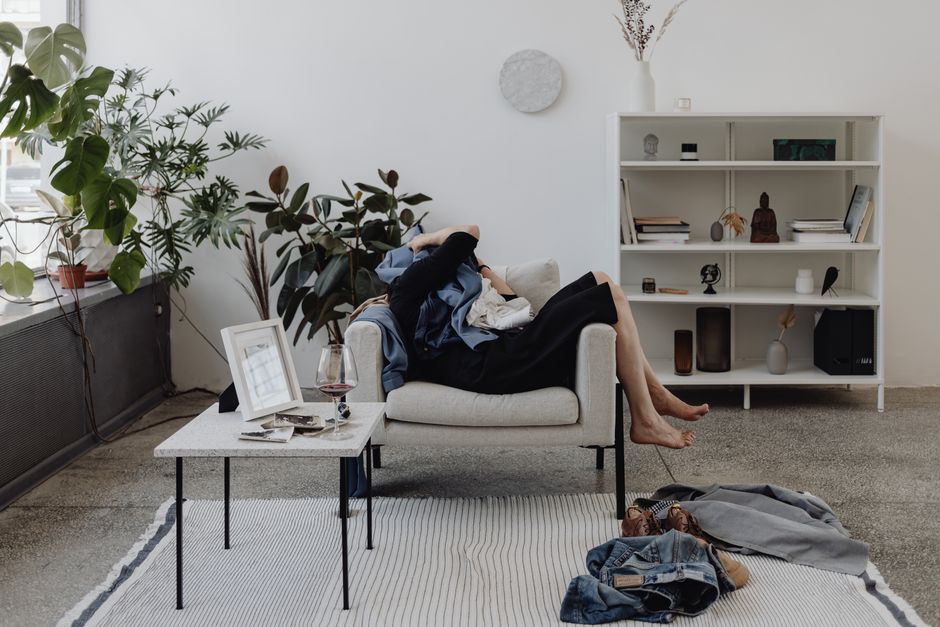
We’ve all been there: Sunday rolls around, and instead of relaxing or pursuing hobbies, a dark cloud descends. It’s ‘cleaning day.’ The thought alone is enough to zap your energy. You look around your apartment in New York, or perhaps your flat in Berlin, and the sheer volume of tasks feels insurmountable. Dust bunnies have staged a coup under the sofa, the kitchen counter is a landscape of crumbs, and the bathroom needs a serious intervention. The idea of dedicating hours, even an entire day, to scrubbing, wiping, and tidying fills you with dread, making you procrastinate until the mess feels even more overwhelming. This isn’t just about a preference; for many busy professionals, it’s a genuine aversion to the disruption and effort involved.
This is precisely where the concept of simple cleaning routines becomes not just helpful, but truly transformative. Instead of facing an uphill battle once a week or month, you integrate tiny, almost unnoticeable tasks into your daily rhythm. The goal isn’t to become a neat freak overnight, but to create a system that keeps your living space consistently comfortable and presentable without ever needing a dreaded ‘cleaning day’ again. Imagine coming home to a tidy space in Madrid, knowing you barely lifted a finger all week.
Why Traditional Cleaning Days Don’t Work for Most of Us
The traditional model of a weekly or bi-weekly ‘cleaning day’ often backfires for modern lifestyles. It creates a boom-and-bust cycle: a frantic push to clean, followed by a gradual decline into disarray until the next ‘day of reckoning.’ This approach is particularly challenging for anyone with a demanding schedule, from the fast-paced life in Manhattan to the demanding work culture in European capitals. Here’s a quick overview of why this old model is ripe for an upgrade:
- Overwhelm Factor: A huge list of chores at once feels daunting and leads to procrastination.
- Time Sink: Dedicating an entire day cuts into valuable leisure time, making cleaning feel like a punishment.
- Inconsistency: Spaces get truly dirty between deep cleans, requiring more effort each time.
- Mental Fatigue: The anticipation of cleaning day can be more exhausting than the cleaning itself.
- Lack of Routine: Without consistent habits, clutter and dirt gain momentum, making catch-up harder.
- Stress Inducer: A messy home can increase stress levels, but so can the pressure of a big clean.
- Inefficient: You often repeat tasks because things get too dirty too quickly.
- Missed Opportunities: Small, daily tasks are much quicker than dealing with accumulated grime.
Building Your Anti-Cleaning Day Toolkit: Essential Principles
The core philosophy behind simple cleaning routines is about prevention and consistency. Think of it as preventative medicine for your home. You’re aiming to stop the mess before it starts, or at least before it becomes a major problem. This isn’t about buying every gadget; it’s about strategic thinking.
The Power of Proximity: Keep Supplies Handy
A common mistake is having all your cleaning supplies tucked away in one cupboard. This adds friction. If you need to walk to the utility closet, grab a spray, and then walk back, you’re less likely to do a quick wipe-down. Instead, consider:
- Bathroom: Keep a small caddy with a quick-spray cleaner (like Method Daily Shower Spray or a simple vinegar solution), a microfibre cloth, and a toilet brush directly in the bathroom. This way, a 30-second wipe becomes a no-brainer after your morning routine.
- Kitchen: A dish soap dispenser, a multi-surface cleaner, and a sponge should be permanently visible and accessible by the sink. For spills, have a roll of paper towels or dedicated cloths nearby.
- Living Area: A duster or a small handheld vacuum (like a Dyson V8 for quick crumbs) can live discreetly in a console table drawer. This makes it easy to grab and do a quick pass before guests arrive.
The idea is to eliminate any barrier to a quick clean. If it’s right there, you’re more likely to use it.
The ‘One-Minute Rule’: If It Takes Less, Do It Now
This is perhaps the most powerful habit-forming tip. If a task takes less than a minute to complete, do it immediately. Don’t put it off. This includes:
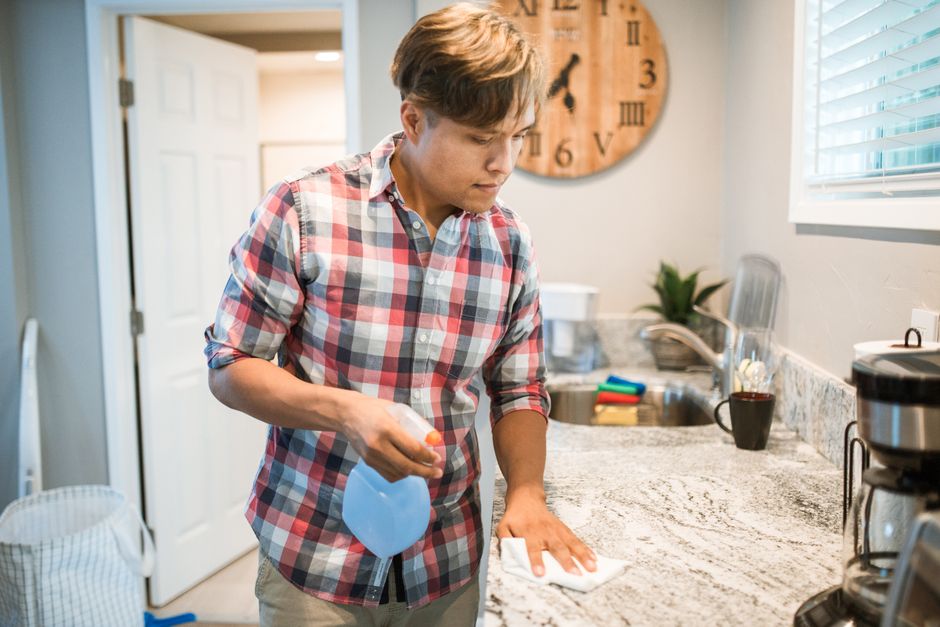
- Wiping down the kitchen counter after making coffee.
- Putting your shoes away as soon as you take them off.
- Hanging up your coat instead of throwing it over a chair.
- Putting your dirty laundry directly into the hamper.
- Wiping toothpaste splatters from the bathroom mirror.
These micro-tasks prevent accumulation. Think of it: 60 seconds is nothing, but letting 10 such tasks pile up means a 10-minute job later, which feels much more significant.
Daily 10-Minute Tidy-Up: The Reset Button
Even with the one-minute rule, things can drift. Designate a 10-minute window each evening to reset your space. This isn’t about deep cleaning; it’s about putting things back where they belong. Set a timer if you need to.
Smart Eating: Meal Planning for Busy People Using Local Markets, Not Delivery
- Kitchen: Load the dishwasher or wash any remaining dishes, wipe down the sink.
- Living Room: Fluff pillows, fold throws, put away magazines or remotes.
- Bedroom: Make the bed (this instantly makes a room feel tidier), put away clothes.
This daily reset prevents clutter from gaining a foothold and makes your space feel calmer before you start a new day. For those living in compact apartments in cities like Paris or Buenos Aires, where space is at a premium, this daily reset is crucial for maintaining sanity.
Strategic Zone Cleaning: Focus on High-Impact Areas
Instead of trying to clean everything at once, break your home into zones and give them dedicated, but brief, attention. This method is especially effective for preventing critical areas from becoming overwhelming. Think of it as a maintenance schedule rather than an overhaul schedule.
The Kitchen: The Heart of the Home’s Grime
The kitchen is often the busiest room and can get messy fast. Your simple routine should focus on daily upkeep to prevent caked-on food and grease.
- Daily: After dinner, clean as you cook. Wipe down all surfaces (counters, stovetop) with a multi-surface spray. Load the dishwasher or handwash dishes immediately. A quick sweep or vacuum of the floor. Empty the small trash can if it’s full.
- Weekly (10-15 mins): Clean the microwave interior. Wipe down appliance exteriors (fridge, oven, toaster). Quick scrub of the sink. Check and wipe down the inside of your fridge for spills.
This consistent attention means you never face a truly disgusting kitchen.
The Bathroom: Small Space, Big Impact
Bathrooms can quickly harbor grime and odors. A consistent routine makes all the difference.
- Daily (2-3 mins): Quick spray of the shower after use (e.g., Clorox Tilex Fresh Shower or similar no-scrub spray). Wipe down the sink and mirror after brushing teeth. Hang up towels.
- Weekly (10-15 mins): Spray down the toilet bowl with a cleaner and scrub with the brush. Wipe down the toilet exterior. Clean the sink and faucet thoroughly. Wipe down the counter. Quick mop or wipe of the floor.
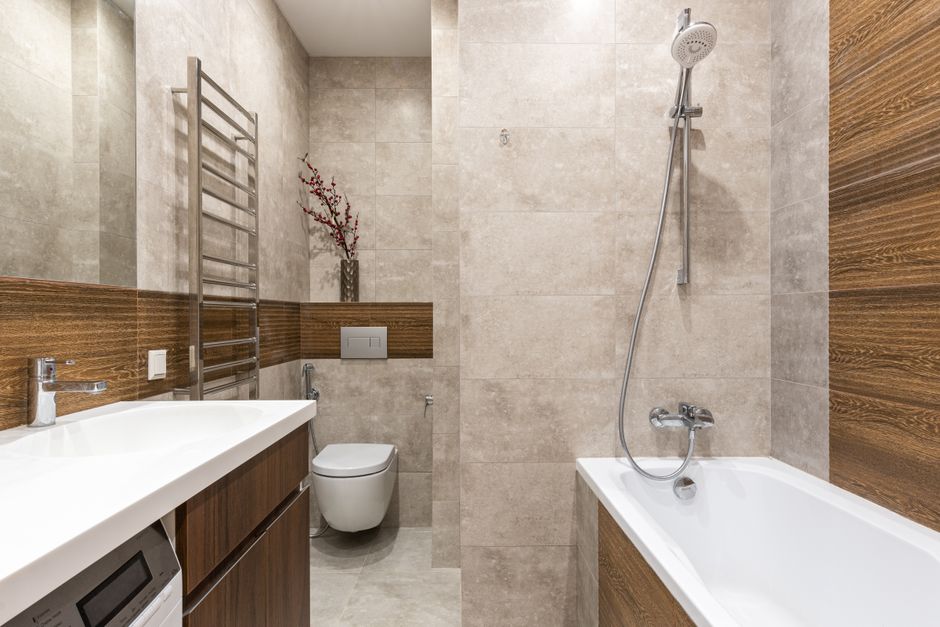
You’d be amazed how fresh a bathroom can stay with these small, consistent efforts. For smaller European bathrooms often found in older buildings in cities like Rome or Lisbon, this efficiency is invaluable.
Living Areas and Bedrooms: Taming the Clutter Beast
These areas are less about deep grime and more about clutter management and dust. The key is regular tidying and light dusting.
- Daily (5-10 mins): The 10-minute tidy-up applies here. Fluff pillows, fold blankets, put away any items that have accumulated (books, remote controls, clothes). Make your bed.
- Weekly (15-20 mins): Dust visible surfaces (coffee tables, shelves, nightstands). Vacuum or sweep floors. Empty small wastebaskets. Wipe down any smudges on glass surfaces. This can be easily done while listening to a podcast or music.
Regular vacuuming, even for a few minutes, makes a huge difference in controlling dust and pet hair, common in homes from Vancouver to Santiago.
Integrating Cleaning into Existing Routines
The real magic happens when you piggyback cleaning tasks onto habits you already have. This removes the need for extra motivation and makes the routine feel seamless.
- While Waiting: Waiting for your coffee to brew? Wipe down the counter. Waiting for water to boil? Unload a few dishes from the dishwasher.
- Before Leaving the House: As you grab your keys, do a quick visual scan of the main living area. Does anything need to be put away? Is the coffee cup in the sink?
- After Showering: Use a squeegee on the shower door or spray down the walls. It takes seconds and prevents soap scum build-up.
- Before Bed: A quick walk-through of the main rooms. Put away any stray items. This ensures you wake up to a tidier space.
This method doesn’t add ‘cleaning time’ to your schedule; it repurposes idle moments, turning them into productive opportunities.
Digital Minimalism: How to Reduce Screen Fatigue Without Going Offline
Maintaining Motivation & Preventing Burnout
Even with the simplest routines, it’s easy to lose momentum. Keeping yourself engaged and avoiding the dreaded ‘cleaning day’ relapse is crucial.
Celebrate Small Wins
Acknowledge your efforts! Did you wipe down the kitchen counter every day this week? Great! Did you make your bed even when you were exhausted? Fantastic! Small acknowledgements reinforce positive behavior.
Don’t Strive for Perfection
The goal is a consistently clean enough home, not a sterile, showroom-perfect one. There will be days when life gets in the way, and that’s okay. Don’t let one missed day derail your entire system. Just pick it up again the next day.
Invest in Good Tools (Within Reason)
While you don’t need every gadget, having effective tools makes tasks quicker and less frustrating. A good quality microfibre cloth, a reliable vacuum cleaner (like a Shark or Roomba for hands-off maintenance), and pleasant-smelling, effective cleaners can make the process more enjoyable. Consider local brands too; in Europe, products like Frosch offer effective, eco-friendly options. In South America, brands like Mr. Músculo are common for household cleaning.
Involve Others (If Applicable)
If you live with roommates, a partner, or family, ensure everyone contributes. Even young children can be taught the ‘one-minute rule’ for their toys. Shared responsibility lightens the load for everyone.
FAQ – Your Quick-Answer Cleaning Questions
What are simple cleaning routines?
Simple cleaning routines involve breaking down large cleaning tasks into small, daily, or weekly habits that take minimal time and effort. Instead of a single, overwhelming ‘cleaning day,’ you integrate quick tidying and wiping tasks into your regular schedule to maintain a consistently clean home with less stress and physical exertion.
How can I clean my apartment in New York City efficiently?
For an efficient apartment clean in NYC, focus on daily 5-10 minute tidy-ups to manage clutter, keep cleaning supplies localized in each room, and utilize multi-surface cleaners for quick wipe-downs. Small, powerful vacuums are excellent for quick floor maintenance in compact spaces. Prioritize high-traffic areas like the kitchen and bathroom with quick, consistent attention.
What is a good daily cleaning routine for a busy professional in Berlin?
A good daily routine for a busy professional in Berlin involves a morning bed-making habit, a quick 2-minute bathroom wipe-down after use, and a 10-minute evening reset in the kitchen and living area to put things away. Use readily available cleaning products like Sagrotan for hygiene. This prevents significant mess accumulation without demanding large time blocks.
What are effective ways to keep a home tidy in Madrid without much effort?
To keep a home tidy in Madrid with minimal effort, embrace the ‘one-minute rule’ for immediate task completion (e.g., putting shoes away). Keep cleaning cloths and sprays near common mess areas like the kitchen sink and bathroom vanity. A brief daily tidying session before bed significantly reduces overall cleaning time, ensuring your home feels welcoming without grand cleaning efforts.
What should readers know about simple cleaning routine?
Readers should know that a simple cleaning routine is about consistency, not perfection. It liberates you from dreaded cleaning days by distributing effort. The core idea is to prevent significant mess accumulation through small, regular actions, making your home feel perpetually ‘clean enough’ without major overhauls. It’s a shift from reactive deep-cleaning to proactive maintenance.
Key Takeaways: Embracing a Cleaner, Calmer Lifestyle
Ditching the traditional ‘cleaning day’ doesn’t mean living in a mess. Instead, it’s about adopting a smarter, more sustainable approach to home maintenance. By embracing simple cleaning routines, you can improve your living space into one that is consistently tidy, welcoming, and stress-free. The fundamental shift is from sporadic, intense cleaning to small, consistent actions that prevent mess from ever reaching overwhelming levels. This method empowers busy professionals, whether navigating the streets of Berlin, the bustling life in New York, or the vibrant energy of Madrid, to maintain a comfortable home without sacrificing precious leisure time.
Remember the principles: keep supplies handy, embrace the one-minute rule, commit to a daily 10-minute tidy, and focus on strategic zone cleaning. These habits, when integrated into your existing daily life, become almost second nature. You won’t be ‘cleaning’; you’ll just be ‘living’ in a way that naturally keeps your home in order. The result? More time for what you truly enjoy, less stress, and a perpetually pleasant environment.
For more practical lifestyle guides that make everyday living easier, read more practical lifestyle guides on Le Daily Post.