

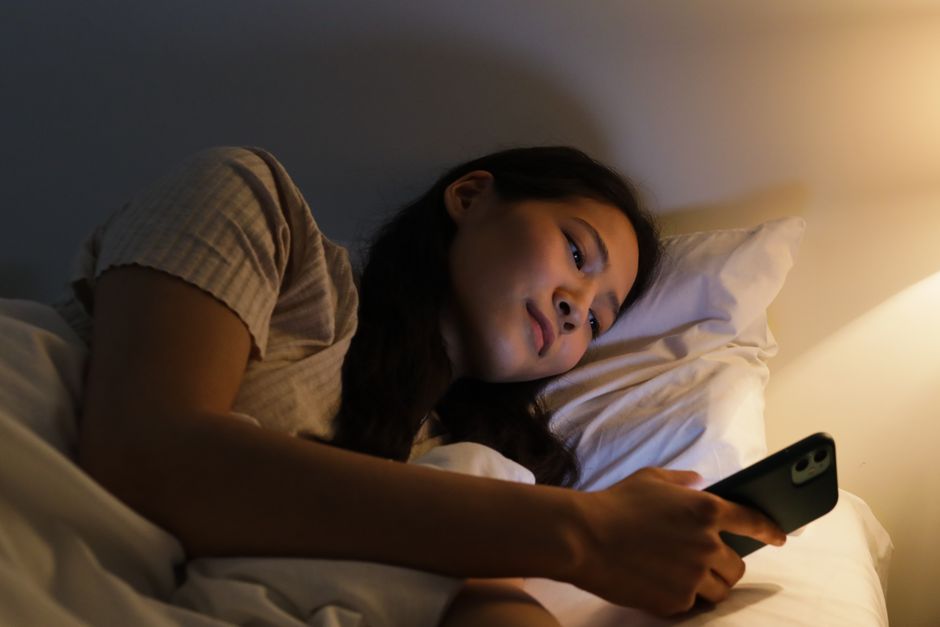
It’s a common scenario: you invest in a new wearable – perhaps a Garmin, an Apple Watch, or an Oura Ring – eager to use the secrets of your sleep. For the first few weeks, it’s fascinating. You pore over graphs, compare your “sleep score” with friends, and maybe even find yourself checking the app first thing in the morning. Then, slowly, the novelty fades. The data feels overwhelming, or worse, you start to feel anxious about a ‘bad’ night’s score, making you wonder if sleep tracking is actually doing more harm than good.
This feeling isn’t unique. As an editor, I’ve seen countless readers express similar sentiments. The truth is, sleep tracking, when used wisely, can be an incredibly powerful tool for understanding and improving your rest. But like any powerful tool, it requires a thoughtful approach. It’s not just about wearing the device; it’s about how you interpret the data, what you choose to act on, and how you integrate it into your daily life, especially for busy parents balancing responsibilities from Santiago to Toronto to Berlin.
Understanding the Landscape of Sleep Tracking
Before diving into how to use your tracker effectively, let’s get a lay of the land. Sleep tracking devices, from smartwatches to dedicated rings and under-mattress sensors, utilize various biometric inputs to estimate sleep stages (light, deep, REM), heart rate variability, blood oxygen, and movement. The algorithms then crunch these numbers to provide a “sleep score” or similar metric. It’s important to remember these are estimations.
While consumer-grade sleep trackers don’t offer the clinical accuracy of a polysomnography (PSG) in a sleep lab, they are increasingly sophisticated. For most people, particularly parents looking for practical insights into their nightly patterns, they offer a convenient and consistent way to observe trends. The World Health Organization (WHO) and even national health services like the NHS in the UK emphasize the importance of good sleep hygiene for overall well-being. Sleep tracking can be a fantastic way to personalize those general guidelines.
Building a Better Relationship With Sleep Tracking: Practical Steps
To truly make sleep tracking work for you, shift your mindset from a daily report card to a long-term feedback loop. Here’s how to cultivate sleep tracking healthy habits that stick:
1. Focus on Trends, Not Daily Scores
A single night’s poor sleep score might be due to a late dinner, a stressful meeting, or your child waking up unexpectedly. Don’t let it derail you. Instead, look at weekly or monthly averages. Are your deep sleep percentages consistently low? Is your bedtime fluctuating wildly? These longer-term patterns offer more meaningful insights than any single data point. For a parent in North America or South America, this might mean recognizing that weekend lie-ins, while tempting, are disrupting your overall sleep rhythm more than you realize.
2. Contextualize Your Data
Your sleep data means little in a vacuum. Jot down notes, either mentally or in the app itself, about factors that might influence your sleep. Did you exercise late? Have caffeine after noon? Drink alcohol? Deal with a particularly demanding day at work or with the kids? These external factors, common for parents everywhere, directly impact your sleep architecture. Understanding this context helps you connect cause and effect, enabling you to identify what truly helps or hinders your rest.
3. Prioritize Consistency Above All Else
One of the most powerful insights sleep tracking can provide is the impact of a consistent sleep schedule. Go to bed and wake up at roughly the same time every day, even on weekends. Your body’s circadian rhythm thrives on regularity. Devices like Whoop or Fitbit often highlight the variability in your sleep schedule. By aiming for a consistent routine, you’re actively building sleep tracking healthy habits that promote better quality rest, regardless of whether you’re in the bustling cities of Europe or the quiet suburbs of North America.
4. Experiment and Observe
Use your tracker as a personal sleep laboratory. Try adjusting one variable at a time: for example, reducing screen time before bed for a week, or moving your evening workout earlier. Observe the changes in your sleep metrics. Did your restless awakenings decrease? Did your heart rate variability improve? This trial-and-error approach, backed by data, is far more effective than guessing.
5. Understand Your Device’s Limitations
No consumer tracker is perfect. Some are better at estimating sleep stages than others. For instance, an Oura Ring worn on your finger might have different data points than a wrist-based Apple Watch. Rather than comparing your device’s accuracy to a medical standard, focus on its internal consistency. If it consistently shows a certain pattern, that pattern is likely real for you, even if the absolute numbers aren’t perfectly aligned with a lab test.
6. Integrate Sleep Hygiene Practices
Sleep tracking is a supplement, not a replacement, for good sleep hygiene. The NHS and countless health bodies globally advocate for practices like a cool, dark, quiet bedroom, avoiding large meals close to bedtime, and having a relaxing pre-sleep routine. Use your tracker to see if these practices are actually paying off. For example, if you implement a wind-down routine, does your sleep latency (time to fall asleep) decrease over a few weeks?
Comparing Popular Sleep Trackers for Parents
When it comes to choosing a device to aid in building a better relationship with sleep tracking, options abound. Here’s a quick comparison of some popular choices, keeping in mind the needs of busy parents:
| Device/Brand | Pros for Parents | Cons for Parents | Typical Price Range (USD/EUR) |
|---|---|---|---|
| Apple Watch (Series 8/9, Ultra) | Seamless integration with iPhone ecosystem; good for overall health tracking; comfortable for daily wear; excellent app interface. | Battery life might require daily charging; less detailed sleep stage analysis than dedicated trackers; cost. | $399 – $799+ |
| Garmin (various models like Forerunner, Fenix) | Excellent battery life (days to weeks); solid outdoor/fitness tracking; good sleep insights for athletes; highly durable. | Can be bulky for smaller wrists; app can be less intuitive for sleep-focused users; not as fashion-forward. | $299 – $1000+ |
| Oura Ring (Gen 3) | Comfortable, unobtrusive wear; highly accurate sleep staging & temperature tracking; strong focus on recovery. | Subscription required for full features; no screen for notifications; requires specific ring sizing; cost. | $299 – $349 + subscription |
| Whoop (4.0) | Focus on recovery and strain; no screen, very minimalist; strong community features; detailed physiological insights. | Subscription-based model only; can feel less actionable for general users (more athlete-focused); no time display. | Subscription $30/month (device included) |
Common Mistakes to Avoid When Tracking Your Sleep
While the goal is building a better relationship with sleep tracking, it’s easy to fall into traps that make the experience counterproductive. Here are a few to watch out for:
Obsessing Over Daily Scores
It’s tempting to treat your sleep score like a grade on an exam. A low score can lead to anxiety, which itself can negatively impact sleep. Remember, one night’s score is just a snapshot. It doesn’t define your overall health or potential. Instead of focusing on the number, try to understand *why* the score might be low based on your daily activities.
Ignoring Your Body’s Signals
Your tracker might say you had a ‘perfect’ night, but if you wake up feeling groggy and unrested, trust your body. Conversely, a ‘bad’ score might be overridden by how refreshed you actually feel. Sleep tracking is meant to complement your self-awareness, not replace it. Your perception of rest is crucial.
Making Too Many Changes at Once
Seeing a lot of red on your sleep graph can make you want to overhaul your entire routine. Resist this urge. Implementing too many changes simultaneously makes it impossible to know which adjustments are actually making a difference. Pick one or two small, sustainable changes at a time and observe their impact over a week or two.
Keep Your Back Healthy When Working From Small Spaces: A Practical Guide
Chasing an ‘Ideal’ Sleep Stage Percentage
Many trackers show percentages of light, deep, and REM sleep. While these are interesting, there isn’t a universally agreed-upon ‘ideal’ percentage for everyone. These proportions can vary significantly based on age, genetics, and individual needs. Focus on overall sleep duration and consistency, and how rested you feel, rather than trying to hit arbitrary percentage targets for each stage.
Comparing Your Data to Others
It’s natural to compare, especially when friends also use trackers. However, everyone’s sleep architecture is unique. What works for a parent in Europe might not work for someone in South America. Your sleep data is personal; use it for self-improvement, not for comparison with others who have different lifestyles, genetics, and stress levels.
Frequently Asked Questions About Sleep Tracking and Health
Does sleep tracking accurately detect sleep disorders?
While consumer sleep trackers can highlight patterns that *suggest* a sleep disorder (like frequent awakenings or low blood oxygen), they are not diagnostic tools. If you suspect a sleep disorder like sleep apnea or insomnia, consult a healthcare professional. Devices offer clues but a doctor can provide a definitive diagnosis and treatment plan.
What is ‘sleep hygiene’ and how does tracking help?
Sleep hygiene refers to practices and habits necessary for good quality sleep. This includes a consistent sleep schedule, a comfortable bedroom environment, avoiding caffeine/alcohol before bed, and regular exercise. Sleep tracking helps by showing you which of these practices positively impact your sleep metrics and which might need adjustment.
Can sleep tracking improve overall wellness for parents?
Yes, by providing objective data, sleep tracking can empower parents to make informed decisions about their sleep habits. Understanding how daily stressors, late-night childcare, or early morning routines affect their rest can lead to prioritizing sleep and establishing healthier routines, thereby improving overall physical and mental wellness.
Are there specific regulations for sleep trackers in Europe or North America?
Generally, consumer sleep trackers are considered wellness devices and are not subject to the same stringent medical device regulations as clinical equipment. However, some advanced features, if marketed for medical diagnosis, could fall under regulatory bodies like the FDA in North America or the CE marking in Europe. Always check product claims.
How much sleep does the WHO recommend?
The World Health Organization (WHO) generally aligns with other health bodies, recommending 7-9 hours of sleep per night for most adults. For children and adolescents, the recommendations are higher. Sleep tracking can help you monitor if you’re consistently meeting these duration guidelines, even amid the demands of parenthood.
By approaching sleep tracking with a realistic, data-driven mindset, you can move past the initial novelty and anxiety, turning your device into a powerful ally for better rest. Remember, the goal isn’t perfect scores every night, but rather sustainable improvements that contribute to your overall health and wellness. For more practical advice on living a healthier, more balanced life, read more health and wellness guides on Le Daily Post.