


For many of us, home has become the primary workplace, school, gym, and sanctuary. While we’re grateful for these spaces, the increased time spent indoors has brought a sharper focus on an often-overlooked aspect of our living environment: indoor air quality. It’s easy to assume the air inside is cleaner than the air outside, but that’s often not the case. From pet dander and dust mites to volatile organic compounds (VOCs) off-gassing from furniture and cleaning products, our homes can harbor a cocktail of pollutants.
The good news? You don’t need a massive budget or a team of contractors to make a real difference. This guide will walk you through practical, actionable steps to significantly improve indoor air at home without major renovations. We’ll explore strategies that are accessible, effective, and designed for real-world application, no matter where you live—be it a high-rise apartment in São Paulo, a cozy cottage in rural France, or a suburban home in North America.
Improving your indoor air quality is a journey, not a one-time fix. By integrating these simple habits and tools, you’ll create a healthier, more comfortable environment for yourself and your loved ones.
Understanding Your Indoor Air Environment
Before we dive into solutions, it helps to understand what we’re up against. Indoor air quality (IAQ) is a complex mix. Common culprits include:
- Particulates: Dust, pollen, pet dander, mold spores, and fine particles from cooking or burning candles.
- Volatile Organic Compounds (VOCs): Gases emitted from paints, varnishes, cleaning supplies, air fresheners, new furniture, and even some craft materials.
- Biological Pollutants: Mold, bacteria, viruses, and dust mites.
- Combustion Byproducts: Carbon monoxide, nitrogen dioxide from gas stoves, fireplaces, or poorly ventilated heaters.
The NHS, for instance, often highlights the impact of poor air quality on respiratory conditions like asthma and allergies. Long-term exposure to these pollutants can lead to issues ranging from minor irritations (headaches, fatigue, nasal congestion) to more serious health problems. For remote workers, who spend upwards of 8-10 hours a day in the same indoor environment, maintaining good IAQ isn’t just a nicety; it’s crucial for sustained health and productivity.

A simple visual guide to common indoor air pollutants and their sources.
Ventilation: Your First Line of Defense
The simplest, often most overlooked, way to improve indoor air at home is through better ventilation. Think of it as hitting a reset button for your home’s air. You don’t need to install an expensive HVAC system for this to be effective.
Embrace Natural Airflow
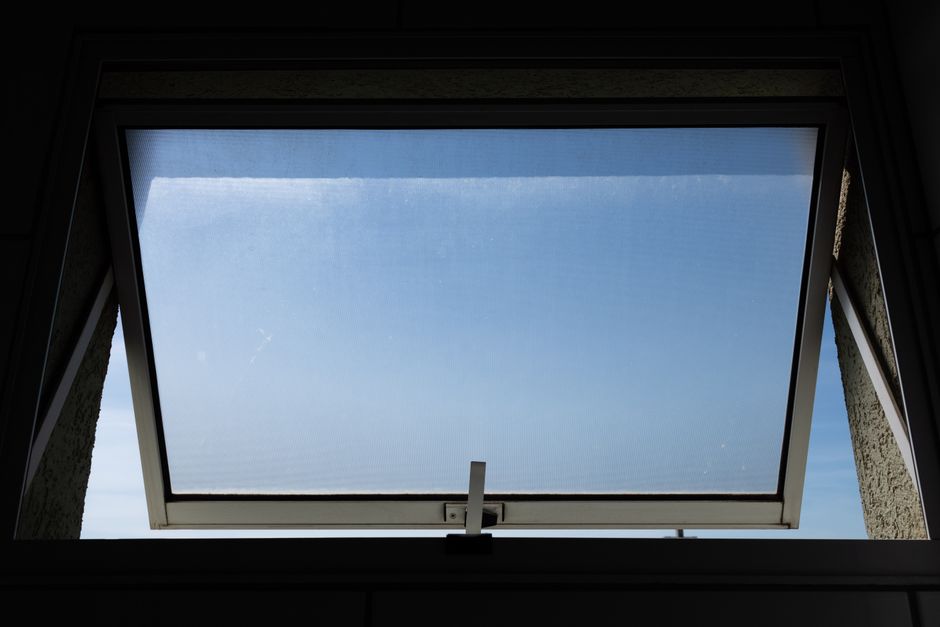
Regularly opening windows and doors, even for short periods, creates cross-ventilation that flushes out stale air and brings in fresh air. A common mistake is thinking you only need to do this when it’s warm outside. Even in colder climates, a 5-10 minute ‘airing out’ session once or twice a day can make a substantial difference. If you live in a city like Mexico City or London with high outdoor pollution, be strategic: open windows during off-peak traffic hours or when air quality alerts are lower.
Utilize Exhaust Fans Effectively
Your kitchen and bathroom exhaust fans aren’t just for smells or steam. They are critical for removing moisture, cooking fumes, and VOCs. Always use your kitchen exhaust fan when cooking, even if it’s just boiling water, as this prevents particulate matter and grease from lingering. In the bathroom, run the fan during and for at least 15-20 minutes after showering to prevent mold and mildew growth. This is particularly important in humid regions like much of South America or coastal Europe.
Targeted Air Purification Solutions
While ventilation is key, sometimes you need an extra layer of protection, especially for specific pollutants or if you live in an area with high outdoor pollution that makes opening windows problematic. This is where air purifiers come in.
Choosing the Right Air Purifier
Not all air purifiers are created equal. Look for models with:
- HEPA filters: Essential for capturing particulate matter like dust, pollen, pet dander, and mold spores. Brands like Coway, Levoit, and Blueair offer excellent options widely available in North America and Europe.
- Activated carbon filters: Crucial for adsorbing gases, odors, and VOCs from cleaning products, cooking, and off-gassing materials. This combination addresses a broader spectrum of indoor pollutants.
Avoid purifiers that generate ozone, as ozone itself is a lung irritant. While some models marketed as ‘ionizers’ or ‘UV purifiers’ can have benefits, ensure they also incorporate HEPA and carbon filtration for comprehensive purification without harmful byproducts.
Strategic Placement and Maintenance
Place air purifiers in the rooms where you spend the most time, such as your home office or bedroom. For optimal effect, keep them running consistently. Remember to replace filters according to the manufacturer’s recommendations; a clogged filter is an ineffective filter. This often means every 6-12 months for HEPA and carbon filters, but check your specific model.
Controlling Humidity and Preventing Mold
Excessive humidity creates a perfect breeding ground for mold and dust mites, both significant indoor allergens and irritants. This is particularly relevant in tropical climates or areas with consistently high ambient humidity, from the Amazon basin to coastal areas of Europe.
Dehumidifiers and Humidifiers
Aim to keep your indoor humidity levels between 30% and 50%. A hygrometer (a simple device to measure humidity) can help you monitor this. In humid environments, a dehumidifier can be invaluable. Brands like De’Longhi or Midea offer reliable units. Conversely, in very dry climates, a humidifier might be necessary, but use it sparingly and clean it regularly to prevent bacterial growth.
Address Leaks and Moisture Immediately
Any water leaks—from a dripping pipe to a leaky roof—must be addressed promptly. Even small, unnoticed leaks behind walls can lead to significant mold problems that severely degrade indoor air quality. Visually inspect areas prone to moisture, like bathrooms and basements.
Reduce Indoor Pollutant Sources
The best way to improve indoor air at home isn’t just to clean it, but to prevent it from getting polluted in the first place.
Choose Greener Cleaning Products
Many conventional cleaning products are loaded with VOCs. Look for ‘eco-friendly,’ ‘fragrance-free,’ or ‘green seal certified’ alternatives. Simple ingredients like vinegar, baking soda, and essential oils can often replace harsh chemical cleaners. Brands like Method or Ecover are widely available in many regions.
Rethink Fragrances and Candles
Air fresheners, scented candles, and incense often release VOCs and particulate matter. While they might make your home smell nice, they can actively worsen your air quality. Consider alternatives like diffusing natural essential oils, but even then, use sparingly and with good ventilation. Natural flowers or opening a window are always the best options for fresh scents.
A person cleaning their home using natural, eco-friendly cleaning products, showcasing a proactive approach to improving indoor air quality.
Building a Realistic Fitness Routine Without a Gym: What Actually Works
Mind Your Furnishings and Materials
New furniture, carpets, and paints can off-gas VOCs for weeks or even months. When buying new items, look for certifications like GREENGUARD or FSC, which indicate lower chemical emissions. If painting, opt for low-VOC or zero-VOC paints. Allow new items to air out in a well-ventilated space before bringing them fully into your living areas.
The Role of Cleaning and Maintenance
Regular cleaning plays a vital role in reducing the accumulation of dust, pet dander, and other allergens that settle on surfaces.
Vacuum with HEPA Filtration
Invest in a vacuum cleaner with a HEPA filter. This prevents fine particles from being recirculated back into the air as you clean. Dyson, Miele, and Shark offer models with effective HEPA filtration. Focus on vacuuming carpets, rugs, and upholstery frequently, as these are major dust and allergen traps.
Dust Smarter, Not Harder
Instead of dry dusting, which simply moves particles around, use a damp cloth. This effectively captures and removes dust from surfaces. Pay attention to often-forgotten spots like ceiling fan blades, tops of door frames, and blinds.
Sleep Hygiene, Mental Health, and Air Quality
The connection between indoor air quality and overall wellbeing is profound. Poor air quality can directly impact sleep hygiene by causing nasal congestion, coughing, and general discomfort, disrupting restorative sleep. Think about it: if you’re breathing irritants all night, your body isn’t fully resting. This, in turn, can negatively affect mental health, leading to increased stress, irritability, and reduced cognitive function, especially for remote workers who rely on sharp focus.
Improving indoor air at home isn’t just about avoiding illness; it’s about fostering an environment conducive to better sleep, clearer thinking, and a greater sense of calm. A fresh, clean indoor environment supports better mood and concentration, making your home a true sanctuary for both body and mind.
FAQ: Practical Questions on Indoor Air Quality
What is the most effective way to improve indoor air quality without major renovations?
The most effective strategy is a combination of consistent natural ventilation (opening windows daily) and strategic use of a high-quality air purifier with HEPA and activated carbon filters. Reducing indoor pollutant sources like scented products and chemical cleaners also makes a significant impact, often more than people realize.
How often should I open my windows to improve air quality?
Aim to open windows for at least 5-10 minutes, two to three times a day, especially after cooking, cleaning, or if multiple people have been in a room. Even in colder weather, a brief airing out can refresh the air and reduce pollutant concentrations without drastically impacting your home’s temperature.
Are houseplants truly effective for improving indoor air quality?
While houseplants can contribute to a pleasant aesthetic and have minor air-purifying qualities by absorbing some VOCs, their overall impact on significantly improving indoor air quality in a typical home setting is generally minimal compared to ventilation and air purifiers. You’d need a very large number of plants to rival mechanical filtration.
Can I use my central heating and cooling system to improve air quality?
Yes, to an extent. Ensure your HVAC system has a high-efficiency filter (MERV 11-13 or FPR 7-9) and change it regularly, usually every 1-3 months. While it will filter air circulating through the system, it’s not a substitute for dedicated air purifiers for targeted pollutant removal or direct ventilation.
How do I know if my indoor air quality is poor?
Common signs include persistent odors, unexplained allergy-like symptoms (sneezing, watery eyes, stuffy nose) that improve when you leave home, frequent headaches, fatigue, or visible mold growth. While professional testing is available, often addressing these symptoms with practical steps is enough to see an improvement.
Breathing Easier, Living Better
Improving indoor air at home doesn’t require a complete overhaul of your living space or your budget. By adopting these practical, often simple, strategies—from consistent ventilation and smart air purification choices to mindful cleaning and source reduction—you can significantly enhance the quality of the air you breathe every day. This isn’t just about cleanliness; it’s about investing in your respiratory health, sleep hygiene, and overall mental wellbeing, creating a home environment that truly supports a healthier, more focused you. Ready to make your home a sanctuary of fresh air? Read more health and wellness guides on Le Daily Post to continue your journey towards optimal living.