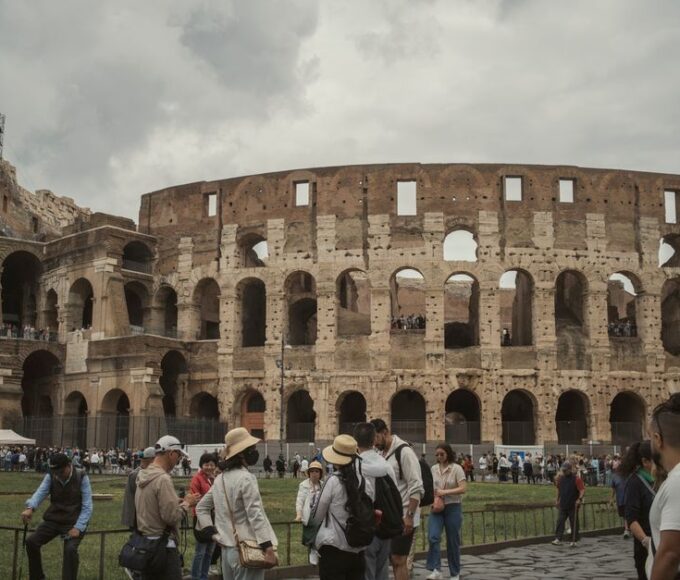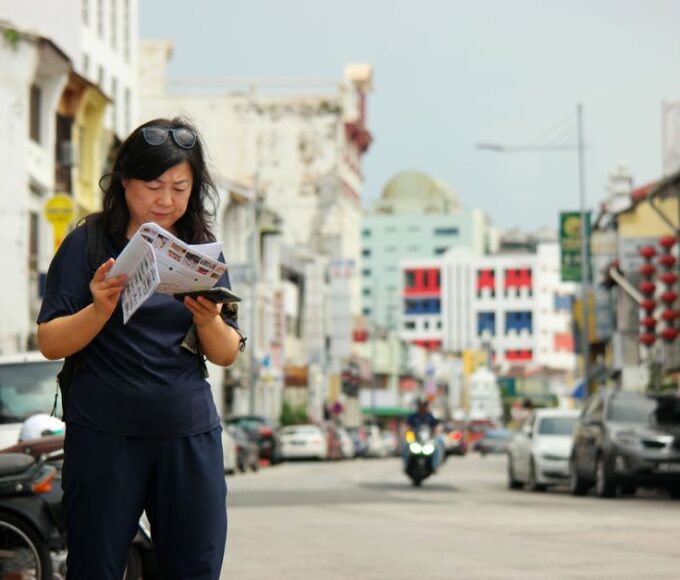

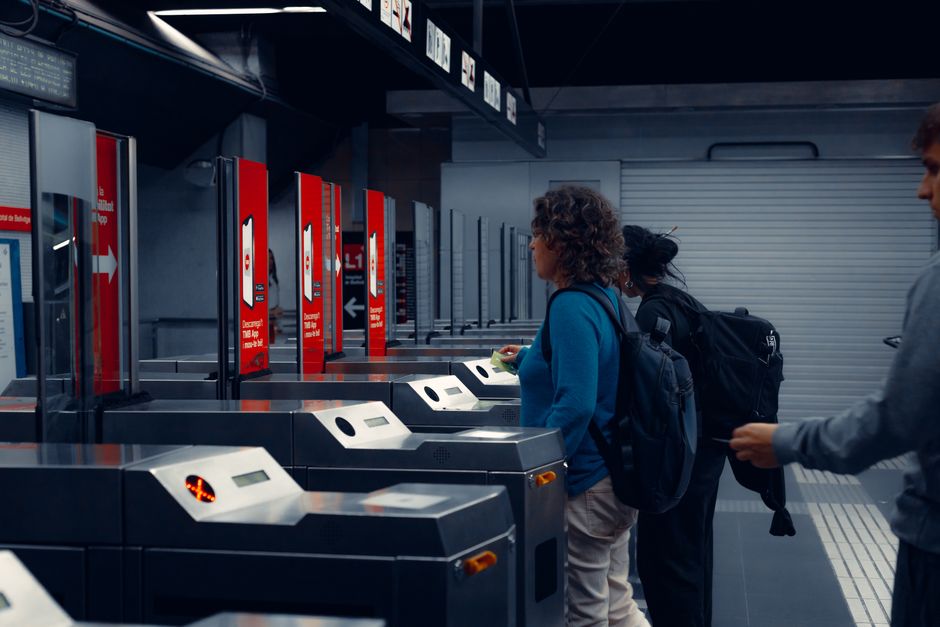
Many North Americans traveling to Europe often make common mistakes related to cultural expectations, public transportation understanding, and pre-trip planning. These include overlooking local etiquette regarding tipping and noise, assuming credit cards are universally accepted, underestimating travel times between cities, failing to validate train tickets, and overpacking. Additionally, travelers from places like Vancouver or even South America often forget to account for different electrical outlets, data roaming costs, and the subtle nuances of European service culture, which can differ significantly from experiences in North America.
So, you’re finally planning that dream trip to Europe. Maybe it’s your first time across the pond, or perhaps you’re a seasoned traveler from North America looking to explore new corners of the continent. Whatever your experience level, it’s easy to overlook subtle differences that can turn a smooth journey into a series of minor (or major) headaches. From the bustling streets of Lisbon to the quiet charm of a Tuscan village, Europe offers an incredible array of experiences, but navigating them requires a slightly different approach than you might be used to back home.
We’ve all heard stories, or maybe even lived them: the traveler from Vancouver struggling with a tiny rental car on ancient cobblestone streets, the tourist from Mexico City surprised by unexpected charges, or the solo adventurer missing a train because they didn’t understand the ticketing system. These aren’t just anecdotes; they highlight the common Europe travel mistakes Americans and Canadians often make, largely due to different expectations and habits formed in North America.
This guide aims to arm you with the insights you need to sidestep these pitfalls, ensuring your European adventure is memorable for all the right reasons. We’ll dive into everything from cultural quirks to practical transit tips, helping you plan smarter and travel with confidence.

Quick Overview: Common Missteps to Avoid
- Assuming universal English. While many speak English, learning basic phrases in the local language (hello, thank you, please, excuse me) goes a long way.
- Over-relying on credit cards. Many smaller establishments, especially outside major cities, prefer or only accept cash.
- Neglecting train ticket validation. An unvalidated ticket, even if purchased, is often considered invalid and can result in hefty fines.
- Ignoring cultural nuances. Tipping customs, noise levels, and personal space differ significantly from North America.
- Overpacking. Europe often means smaller hotel rooms, more walking, and navigating public transport, making lighter luggage essential.
- Underestimating travel times. Europe’s high-speed trains are fast, but getting to/from stations and security checks still takes time.
- Skipping travel insurance. Medical emergencies or trip cancellations can be incredibly expensive without coverage.
- Not checking phone compatibility/data plans. Roaming charges can be astronomical; look into local SIM cards or eSIMs.
Misconceptions About European Culture and Etiquette
One of the biggest hurdles for North American travelers is often the unspoken rules of engagement. What’s perfectly acceptable in New York or Toronto might be considered rude or odd in Rome or Berlin. Understanding these subtle differences can dramatically improve your interactions and overall experience.
Tipping and Service Expectations
Unlike North America, where a 15-20% tip is standard for good service, tipping in much of Europe is different. In many countries, a service charge is already included in the bill, or tipping is simply for exceptional service. For instance, in Italy, you might round up the bill to the nearest euro or leave a couple of euros for good service, but a large percentage tip isn’t expected. In places like Germany or France, a 5-10% tip or rounding up is more common. Over-tipping can sometimes even cause confusion. Always check if ‘servizio incluso’ (service included) is on the bill.
Noise Levels and Personal Space
Travelers from North America, particularly those from bustling cities like Mexico City or calmer suburbs, might notice a difference in public noise levels. While some European cities can be vibrant and loud, many cultures value quieter public discourse. Speaking loudly in restaurants, on public transport, or in museums can draw disapproving glances. Similarly, personal space varies. Queuing can be tighter, and jostling on a crowded bus might be more common than in North America. Be mindful of your surroundings and adjust your volume and proximity accordingly.
Dining Rituals and Pace
European dining is often a more leisurely affair. Expect meals to take longer, especially dinner. Waiters won’t rush you out the door, and splitting checks can sometimes be an inconvenience, especially in busy restaurants. In many places, like France or Spain, it’s considered rude to ask for the check immediately after finishing your meal. Instead, wait for a natural lull or make eye contact with your server. Similarly, don’t expect free water refills unless specifically requested, and even then, bottled water is often the norm.
Navigating Transportation Like a Pro
Europe’s public transport systems are generally excellent, but they operate differently from what many North Americans are used to. Missing these nuances is one of the most frequent Europe travel mistakes Americans and Canadians make.
Understanding Train and Metro Tickets
This is critical: many European train and metro systems require you to validate your ticket before boarding. This usually means finding a small machine, often green or yellow, on the platform or near the entrance, and inserting your ticket to get a timestamp. Failure to do so can result in hefty fines, even if you’ve legitimately purchased a ticket. I’ve seen solo travelers in Italy get fined hundreds of euros because they didn’t validate. Don’t let this be you! Always look for the validation machine.
Escape to Comfort and Adventure with Bookabach Holiday Rentals
Rental Cars and Driving Culture
While a rental car offers flexibility, especially in rural areas, consider if it’s truly necessary. Driving in European cities can be a nightmare: narrow streets, limited parking, and expensive tolls (like the congestion charge in London). Manual transmission is also far more common, and automatics are often more expensive to rent. If you do rent, ensure you have an International Driving Permit (IDP) as required by many countries, even if your North American license is technically accepted. And remember, fuel is significantly more expensive than in the U.S. or Canada.
Airport Transfers and City Connections
Don’t assume taxis are the best or only option from the airport. Most major European cities have excellent public transport links directly from the airport to the city center via train, metro, or bus. For example, getting from Lisbon Airport to downtown via the metro is incredibly efficient and affordable. Research your options in advance using Google Maps or the airport’s official website to save money and time. Uber and similar ride-sharing apps are available in many cities but can be more expensive than public transport.
Smart Planning: Financial and Tech Considerations
Preparation is key, especially when it comes to money and staying connected. These are areas where many North Americans often stumble.
Cash vs. Card Expectations
While major cities and chain stores widely accept credit cards, smaller shops, local markets, and even some independent restaurants, particularly in rural areas or parts of South America, might be cash-only or have minimum card spend limits. Always carry some local currency. ATMs are widely available, but be aware of foreign transaction fees from your bank and dynamic currency conversion (DCC) offered by the ATM operator – always choose to be charged in the local currency (e.g., Euros, not USD/CAD) for a better exchange rate.
Phone and Data Connectivity
Your North American phone plan’s international roaming can be shockingly expensive. A common and cost-effective solution is to purchase a local SIM card upon arrival or use an eSIM (like Airalo or Holafly) before you even leave. This gives you a local number and affordable data, essential for navigation, booking, and staying in touch. Ensure your phone is unlocked before you travel.
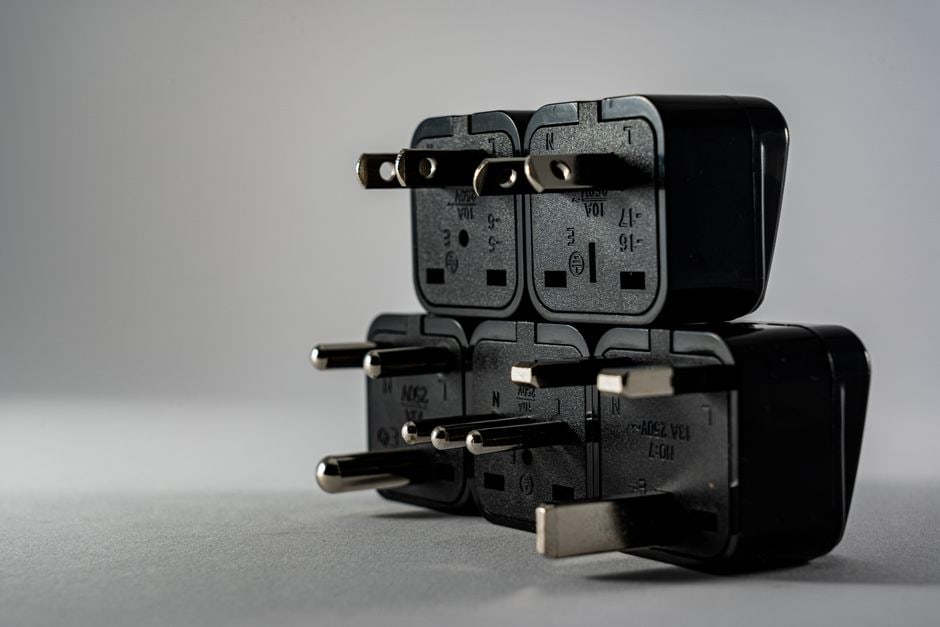
Electrical Adapters and Voltage
Europe uses different plugs and voltages (typically 220-240V) than North America (110-120V). You’ll need a plug adapter for your electronics and possibly a voltage converter for high-wattage items like hair dryers, though most modern phones and laptops are dual-voltage. Always check your device’s charger for its voltage input. A universal adapter with USB ports is a smart investment.
Packing Light and Smart
Overpacking is a classic among Europe travel mistakes Americans and Canadians make, especially for solo travelers. Less truly is more when navigating train stations and narrow hotel hallways.
The Carry-on Challenge
European budget airlines (like Ryanair or EasyJet) have very strict baggage allowances, often charging exorbitant fees for anything over their small carry-on limits. Even full-service airlines often have smaller carry-on dimensions than North American carriers. Learn to pack light. Opt for versatile clothing layers that can be mixed and matched. Consider a capsule wardrobe approach. You’ll thank yourself when you’re easily maneuvering through cobblestone streets or hopping on a crowded metro in places like Lisbon.
Practical Footwear and Attire
You’ll do a lot of walking. Leave the stilettos at home and pack comfortable, broken-in walking shoes. Cobblestone streets are charming but brutal on inappropriate footwear. Similarly, while fashion is important, prioritize comfort and practicality for sightseeing. Many cathedrals and religious sites require modest dress (shoulders and knees covered), so carrying a scarf or lightweight cover-up is always a good idea.
Health, Safety, and Unexpected Scenarios
Even the most meticulously planned trip can encounter unforeseen circumstances. Being prepared makes all the difference.
Create Memorable Vacations with Bookabach Holiday Home Rentals
Travel Insurance: A Non-Negotiable
Don’t skip travel insurance. A medical emergency, lost luggage, or trip cancellation can cost thousands. Your regular health insurance from North America likely offers minimal to no coverage overseas. Research reputable providers like Allianz Travel or World Nomads before you go. It’s peace of mind for unexpected hiccups, whether you’re solo exploring the markets of Lisbon or hiking in the Alps.
Staying Safe and Aware
Europe is generally very safe, but petty crime like pickpocketing is prevalent in crowded tourist areas, especially in major cities. Be vigilant, especially in train stations, metro cars, and bustling markets. Use a cross-body bag or money belt, keep valuables out of sight, and avoid flashing expensive electronics. Trust your gut; if a situation feels off, remove yourself from it.
Navigating Language Barriers
While many Europeans, especially in tourist hubs, speak English, assuming everyone does is a mistake. Learning a few basic phrases in the local language (hello, please, thank you, excuse me, where is the bathroom?) shows respect and can significantly enhance your interactions. Google Translate, with its offline download feature, can also be a lifesaver for more complex conversations or deciphering menus.
FAQ: Common Europe Travel Questions
Is it rude to speak English in Europe?
No, it’s generally not considered rude, especially in major tourist areas where English is widely spoken. However, making an effort to learn a few basic phrases in the local language (like “hello” and “thank you”) before immediately defaulting to English is always appreciated and shows respect for the local culture.
What is considered rude in Europe?
Several things can be considered rude, including speaking too loudly in public, not validating train tickets, failing to make eye contact when interacting, being overly demanding in service settings, and not acknowledging people when entering or leaving a shop. Punctuality is also often highly valued.
Should I carry cash in Europe?
Yes, absolutely. While credit cards are widely accepted, it’s wise to always carry some local currency for smaller purchases, markets, street vendors, or places where cards might not be accepted. It’s also useful for small tips or emergencies.
Do I need an International Driving Permit for Europe?
Many European countries require an International Driving Permit (IDP) if you plan to drive, even if your North American license is technically accepted. It’s a cheap and easy document to obtain from AAA or CAA before you leave and can prevent legal issues with rental agencies or police.
Can I drink tap water in Europe?
In most Western and Central European countries, tap water is safe and perfectly fine to drink. However, if you’re unsure, or in some specific regions (especially in Southern or Eastern Europe), it’s always best to ask or opt for bottled water. When in doubt, it’s safest to check local guidelines.
What is the biggest mistake North Americans make when traveling to Europe?
Perhaps the biggest mistake North Americans make is underestimating the cultural nuances and practical differences, leading to issues with public transport (e.g., unvalidated tickets), dining etiquette, or financial expectations (e.g., cash needs, tipping). Failing to research these key distinctions often causes preventable friction and stress.
Key Takeaways for a Smoother European Adventure
Navigating Europe as a solo traveler from North America doesn’t have to be fraught with challenges. The key is understanding that while the continents share many similarities, the devil is often in the details. By being aware of common Europe travel mistakes Americans and Canadians often make, you can sidestep the usual pitfalls and immerse yourself more fully in your destination.
Remember to pack smart and light, prioritizing comfortable shoes and versatile clothing. Be prepared for different financial realities by carrying cash and understanding tipping customs. Most importantly, embrace the differences in cultural etiquette and transportation systems; a little research into local customs and public transport rules goes a long way. This proactive approach will save you stress and money, allowing you to truly savor every moment.
Armed with this knowledge, you’re ready to explore Europe with confidence and ease, transforming potential frustrations into enriching experiences. Plan smarter trips with Le Daily Post and make your next European journey unforgettable.