

Successfully navigating border crossings for multi-country South America trips requires careful preparation, starting with valid passports and, depending on your nationality, necessary visas for each country. Always have proof of onward travel and sufficient funds. The process often involves a two-step stamp-out/stamp-in procedure, particularly when traveling by land via bus. Digital copies of documents are useful backups, but physical copies are often required. Research specific entry requirements for your nationality for each destination, as these can change frequently. This foresight ensures a smoother experience than spontaneous travel across European or North American borders.
Embarking on a multi-country adventure across South America sounds exhilarating – picture vibrant Buenos Aires, the stunning Andes, and the Amazon rainforest. But for many first-time international travelers, especially those accustomed to the open borders of Europe or the relatively straightforward crossings between the U.S. and Canada, the logistics of navigating multiple borders in South America can feel like a significant hurdle. It’s not like hopping a train from Rome to Barcelona, where your biggest concern is often just finding your seat.
Unlike some regions of the world, South America’s borders, while generally manageable, do require a bit more attention to detail. A common mistake is assuming uniform rules across all countries or underestimating the time required for land crossings. You wouldn’t want to get stuck at a remote checkpoint because you missed a crucial visa stamp or forgot a copy of your passport. Understanding these “Border Crossing Basics for Multi-Country South America Trips” is crucial for a stress-free journey.
Quick Overview: Navigating South American Borders
For most readers planning a South America trip, here are the essential points to keep in mind for border crossings:
- Valid Passport: Absolutely non-negotiable. Ensure it has at least six months’ validity beyond your intended departure date from your final country.
- Visas: Research visa requirements for EACH country based on YOUR nationality well in advance. Some countries offer visa-free entry, others require pre-application.
- Proof of Onward Travel: Often requested, especially when flying in. This could be a flight ticket out of the country or even a bus ticket to the next.
- Proof of Funds: Border officials may ask to see evidence you can support yourself. A credit card and some local currency usually suffice.
- Entry/Exit Stamps: Always ensure you receive both an exit stamp from the country you’re leaving and an entry stamp for the country you’re entering. Missing either can cause significant issues later.
- Photocopies & Digital Backups: Keep physical and digital copies of your passport, visa, and any other important documents separate from the originals.
- Yellow Fever Certificate: Required for entry into certain areas or countries if you’re coming from a region with risk of transmission. Check specific country requirements.
Essential Documents and Preparation
The foundation of any successful border crossing lies in meticulous document preparation. This isn’t just about having your passport; it’s about having the right documents, in the right format, and knowing what to expect.
Your Passport: The Golden Ticket
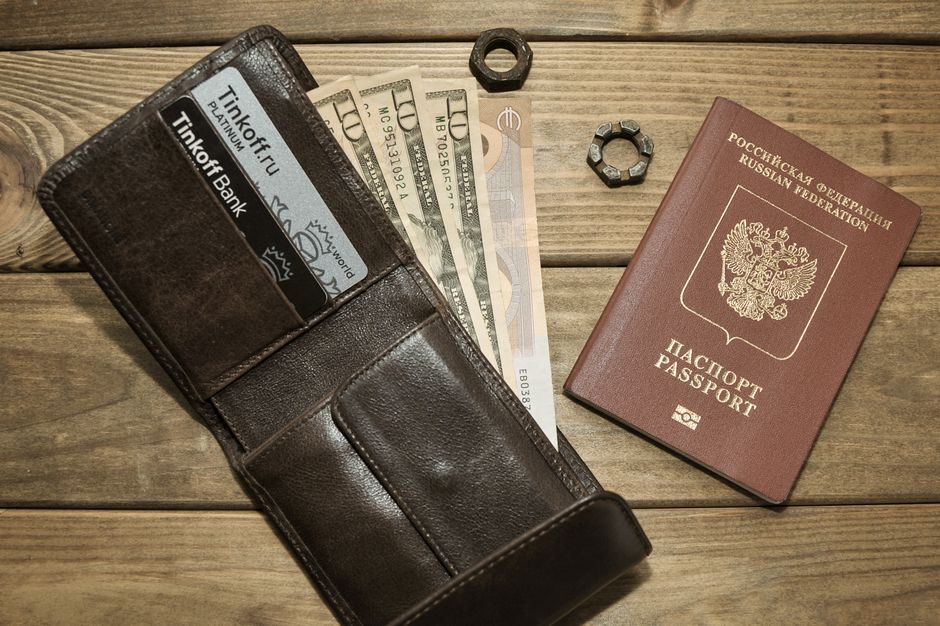
Beyond the obvious, check its expiry date. Many South American countries, like Peru and Colombia, strictly require your passport to be valid for at least six months beyond your planned departure. This isn’t a suggestion; it’s a rule. Also, ensure you have enough blank pages for stamps. A well-traveled passport might be a point of pride, but not if it means being denied entry because there’s no space left.
Visa Requirements: A Country-by-Country Check
This is where the differences between South America, Europe, and North America become most apparent. While a U.S. citizen can freely cross into Canada or Mexico with minimal fuss, or an EU citizen can traverse the Schengen Area with just an ID, South America is a patchwork of individual regulations. For example, U.S. citizens can typically enter most South American countries like Colombia, Peru, and Ecuador visa-free for tourism (usually up to 90 days), but Brazil has recently reimplemented visa requirements for U.S., Canadian, and Australian citizens (with an e-visa option available). Argentinians, on the other hand, can often enter neighboring countries like Uruguay or Chile with just their national ID card. Always check the official government websites of EACH country you plan to visit for the most up-to-date information for your specific nationality.
Proof of Onward Travel and Funds
Immigration officials, particularly when you fly into a country like Ecuador or Chile, often want assurance that you’re a genuine tourist and not an aspiring illegal immigrant. A confirmed flight or bus ticket out of their country is usually sufficient. This doesn’t have to be a flight back home; it could be a bus ticket from La Paz, Bolivia, to Cusco, Peru. Similarly, demonstrating you have sufficient funds (bank statements, credit cards, or even a reasonable amount of cash) can be requested, though it’s less common for tourist entries.
Create Memorable Vacations with Bookabach Holiday Home Rentals
Navigating Land Borders: Buses and Beyond
Land border crossings are a quintessential South American travel experience. They offer a unique glimpse into the region and are often more budget-friendly than flying between cities like Santiago and Mendoza.
The Bus Journey: Your Primary Mode
For many travelers, buses are the backbone of multi-country South America trips. When traveling by bus, the process is generally quite organized. The bus will typically drop you off at the immigration office of the country you’re leaving. You’ll exit the bus, present your passport for an exit stamp, and then re-board. The bus then drives to the immigration office of the next country, where you’ll disembark again, get your entry stamp, and then proceed. It’s a two-step dance. Be mindful of your belongings during this process; usually, your main luggage stays on the bus, but keep valuables with you.
Patience is a Virtue: Expect Delays
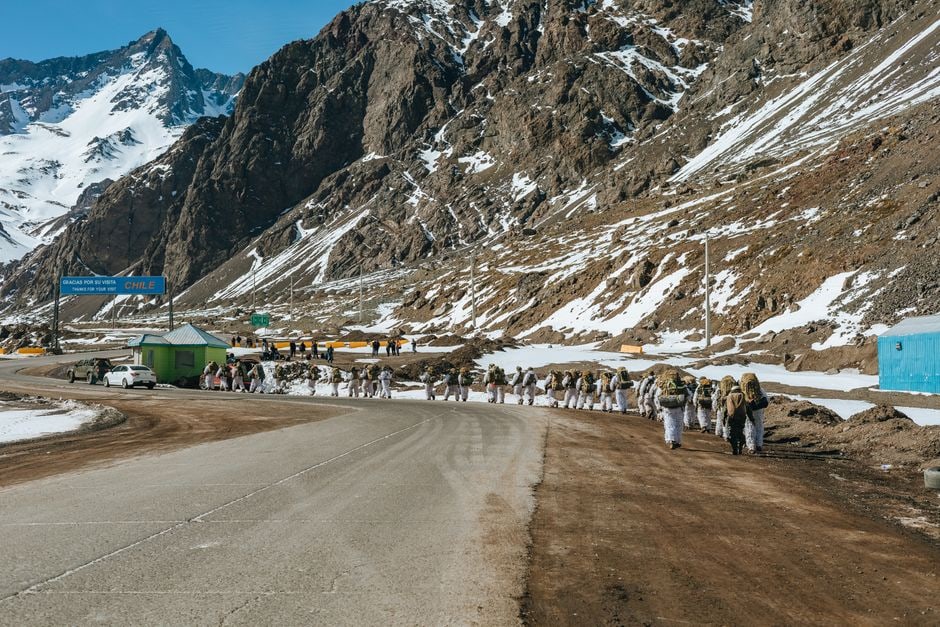
Unlike the high-speed trains between, say, London and Paris, South American border crossings can take time. From the Chile-Argentina crossing over the Andes to the Peru-Bolivia border near Lake Titicaca, allow anywhere from one to several hours. Factors like the number of people, the efficiency of officials, and even local holidays can affect wait times. Pack snacks, water, and something to read. Don’t schedule tight connections on the other side.
Common Pitfalls: What to Avoid
- Missing a Stamp: This is critical. Always double-check your passport for both an exit stamp from the previous country and an entry stamp for the new one. A missing stamp can lead to fines, deportation, or difficulty leaving the country later.
- Overstaying Your Visa: Know your allowed duration. Most tourist visas are for 90 days, but some can be shorter. Overstaying leads to fines and potential bans.
- Currency Exchange: Don’t exchange large sums with touts at the border. You’ll likely get a terrible rate. Exchange a small amount for immediate needs, or use an ATM in the nearest town.
- Unofficial Services: Stick to official immigration points. Avoid offers from individuals promising to expedite your crossing for a fee.
Flying Between Countries: The Airport Experience
While often faster, flying between South American countries still involves proper border protocols, though it usually feels more streamlined than land crossings.
Immigration and Customs at Airports
When you fly from, say, Santiago, Chile, to Lima, Peru, you’ll go through exit immigration at the departure airport in Chile and then entry immigration upon arrival at Lima’s Jorge Chávez International Airport. The process is similar to arriving on any international flight from North America or Europe. You’ll present your passport, any required visa, and sometimes your onward ticket. Customs declarations for goods are also standard.
Internal vs. International Flights
Be aware that some domestic flights within a country might feel like international travel if they serve remote or border regions. However, for true international flights, the process is clear: you’re leaving one sovereign nation and entering another, even if the flight is short.
Health Requirements and Safety Considerations
Beyond documents, health and safety are paramount when navigating multi-country South America trips.
Yellow Fever and Other Vaccinations
A Yellow Fever vaccination certificate is mandatory for entry into certain countries (e.g., Brazil, Bolivia, parts of Peru) if you’ve recently been in a country with a risk of transmission. For instance, if you’re traveling from parts of Brazil to Argentina, you might be asked for it. Always consult your doctor and check the WHO and destination country health advisories months before your trip. Keep the certificate with your passport.
Escape to Comfort and Adventure with Bookabach Holiday Rentals
Safety at Borders
Border areas, by their nature, can sometimes attract opportunists. Be vigilant, especially with your belongings. Don’t flash large sums of cash. Stick to main, well-trafficked immigration points. If you’re on a bus, be aware of what’s happening around your luggage during stops.
Border Crossing Basics for Multi-Country South America Trips: FAQ
Do I need a visa for every South American country?
No, visa requirements vary greatly by your nationality and the specific South American country. For example, many North American and European citizens can enter countries like Peru, Colombia, and Chile visa-free for tourism up to 90 days, while others, like Brazil, may require a pre-arranged e-visa or traditional visa. Always check official embassy websites.
What happens if I lose my passport at a border crossing?
Losing your passport at a border is a serious situation. Immediately report it to the nearest police station to get a report, then contact your country’s embassy or consulate in the country you’re in (or trying to enter). They will guide you through applying for an emergency travel document, which can take several days.
Can I use my national ID card instead of a passport?
Generally, no, unless you are a citizen of a MERCOSUR country (e.g., Argentina, Brazil, Paraguay, Uruguay) traveling within the bloc, where a national ID card is often sufficient for border crossings. For most international travelers, especially from North America or Europe, a valid passport is always required for entry into South American countries.
Is it safe to cross borders by bus in South America?
Yes, crossing borders by bus is generally safe and a common practice for travelers in South America. Reputable bus companies are experienced with international routes and their drivers know the procedures. However, always exercise standard travel precautions: keep valuables close, be aware of your surroundings, and avoid unofficial transport.
Do I need an exit stamp when leaving a country by land?
Absolutely yes. An exit stamp from the country you are leaving is just as critical as an entry stamp for the country you are entering. Without a proper exit stamp, you could be flagged as having overstayed your visa in the previous country, leading to fines or complications on future visits.
Key Takeaways for Your South American Journey
Successfully navigating “Border Crossing Basics for Multi-Country South America Trips” comes down to a few core principles. First and foremost, **research is your best friend**. Don’t assume anything; check specific requirements for your nationality and each country you plan to visit. Websites of consulates and embassies are invaluable resources.
Secondly, **organization prevents headaches**. Have all your documents – passport, visas, proof of onward travel, Yellow Fever certificate – readily accessible and make both physical and digital backups. This proactive approach will save you stress when confronted with an immigration official.
Finally, **patience and vigilance** are key. Land border crossings take time, and unexpected delays are part of the adventure. Be polite, follow instructions, and keep an eye on your belongings. With these insights, your multi-country South America trip can be an incredibly rewarding and smooth experience.
Plan smarter trips and discover more practical advice for your travels with Le Daily Post.