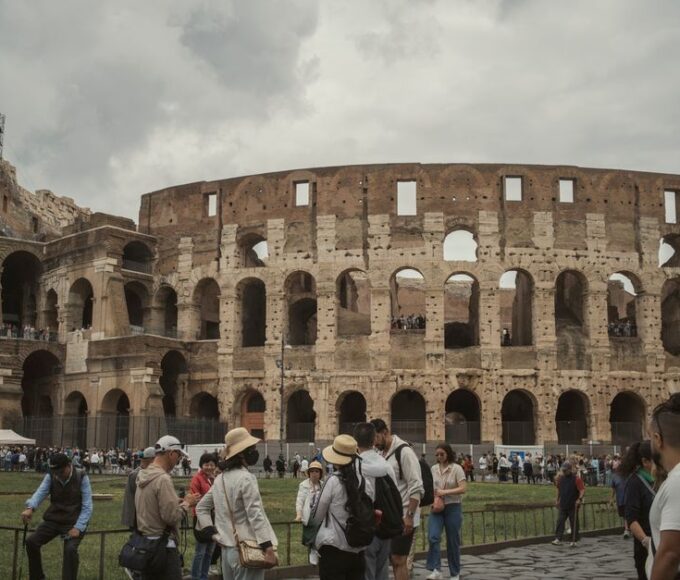


You’ve got a two-week holiday window, a burning desire to see Europe, and an Instagram feed full of impossibly perfect European backdrops. The temptation is strong to list every major city – Paris, Amsterdam, Rome, Vienna – and try to hit them all. After all, you’re already there, right? Why not see everything?
This is where many first-time planners for a multi-country Europe trip go wrong. They design an itinerary that looks fantastic on paper, a grand tour hitting four or five countries in 14 days, but completely underestimates the time lost to transit, checking in and out of hotels, and simply navigating new places. What looks like an efficient sprint often turns into a breathless, exhausting blur where every memory feels rushed and every photo taken through the window of a train.
The goal isn’t just to *see* Europe; it’s to *experience* it. It’s about savoring that espresso in a Roman piazza, wandering aimlessly through the canals of Amsterdam, or really feeling the history in a Parisian museum. An overpacked itinerary robs you of these moments, turning a dream trip into a series of logistics challenges. Let’s shift from the ‘if it’s Tuesday, it must be Belgium’ mindset to a more mindful, enriching journey.

Setting Realistic Expectations for Your European Adventure
Before you even open a map, a bit of upfront honesty with yourself about what’s achievable will save you a lot of grief. Here’s a quick overview of core principles for a successful multi-country Europe trip:
- Quality over Quantity: Focus on truly experiencing fewer places rather than merely checking off countries.
- Factor in Travel Time: Travel days aren’t sightseeing days. Allocate full days for moving between major destinations.
- Embrace Slow Travel: Give yourself at least 3-4 full days in major cities like Paris or Rome.
- Understand the Schengen Area: Most of Western and Central Europe is border-free, but be mindful of your 90-day visa-free limit if you’re a non-EU citizen.
- Prioritize Train Travel: For continental Europe, trains like those offered by Eurail passes are often more efficient and scenic than flying.
- Pack Light: Lugging heavy bags through train stations and cobblestone streets is no fun.
- Build Flexibility: Unexpected delays happen. A loose itinerary handles them better than a rigid one.
Crafting Your Route: Where to Go (and Where Not To)
Strategic Country Grouping
When planning a multi-country Europe trip, think geographically. Instead of bouncing from Portugal to Hungary, focus on contiguous regions. For example, a classic first-timer’s route might involve France and Italy, or the Netherlands and Belgium, or perhaps Austria and the Czech Republic. These countries often share good train connections and offer a diverse yet cohesive experience.
Consider the “hub-and-spoke” model: pick one major city, say Paris, and do day trips to nearby attractions (like Versailles or Mont Saint-Michel) before moving to your next hub. This minimizes hotel changes and reduces travel stress.
The Schengen Factor
The Schengen Area is a huge advantage for a multi-country Europe trip. For many non-EU citizens, it allows travel between 27 European countries without border checks for up to 90 days within any 180-day period. This means no immigration lines when you cross from France into Belgium by train, which saves invaluable time. Just keep an eye on your 90-day limit, especially for longer trips or if you plan to visit non-Schengen countries like Ireland or Croatia (though Croatia is now also Schengen).
The Art of European Transit: Trains, Planes, and Automobiles
Why Train Travel works best
For most multi-country Europe trips, especially those hitting popular city pairs like Paris to Amsterdam, train travel is your best friend. It’s often faster than flying once you factor in airport security, travel to and from airports, and baggage claim. Plus, you get to see the countryside instead of airport tarmacs. Services like SNCF in France, Trenitalia in Italy, or Deutsche Bahn in Germany are incredibly efficient.
A Realistic Seven-Day Itinerary for Busy Cities: Setup Guide for Families
For extensive travel, especially if you’re under 28, a Eurail Pass can be a cost-effective option, offering flexibility to hop on and off trains. However, remember that high-speed trains often require seat reservations, even with a pass, so factor in those small extra costs and book ahead.
When to Consider Flying
Sometimes, a flight is unavoidable or simply makes more sense. If you’re traveling a great distance – say, from Rome to Lisbon – flying with a budget airline like Ryanair or EasyJet can save a full day of travel. Just be mindful of their strict baggage policies and often remote airport locations, which can add to your total cost and travel time.
Renting a Car: A Niche Option
While great for exploring rural areas or specific regions (like Tuscany or the Scottish Highlands), renting a car for a multi-country Europe trip focused on major cities is generally impractical. Parking is expensive and difficult, city centers are often restricted, and trains are simply more efficient for inter-city travel.
Mindful City Exploration: Avoiding Tourist Burnout
How Many Days Per City?
This is crucial. For major capitals like Paris, Rome, or Vienna, budget at least 3-4 full days. This allows for one day of major sightseeing, one day for museums and specific attractions, and another for simply soaking in the atmosphere, wandering, or perhaps a half-day trip. For smaller cities like Amsterdam or Bruges, 2-3 full days is often sufficient.
A common mistake is thinking you can ‘do’ Paris in two days. You’ll see the Eiffel Tower and the Louvre, yes, but you won’t have time to enjoy a quiet picnic by the Seine or discover a charming neighbourhood. Aim for depth, not just highlights. This approach makes your multi-country Europe trip far more rewarding.

Building Rest Days Into Your Itinerary
Seriously, include rest days. Or at least ‘slow days’ where you have no major agenda. Travel is tiring, even when it’s exciting. A morning spent in a local café with a good book, an afternoon stroll through a park, or simply catching up on sleep can rejuvenate you for the next leg of your multi-country Europe trip. These are often the most cherished memories, offering a chance to truly feel like a local.
Packing Smart: Less is More (Seriously)
The Case for Carry-On Only
This cannot be stressed enough: pack light. Seriously light. Aim for a carry-on only if possible. Dragging a massive suitcase up flights of stairs in train stations, through cobblestone streets, and into tiny European hotel elevators is a nightmare. Plus, it makes navigating public transport a breeze.
Invest in versatile clothing that can be mixed and matched. Think layers. merino wool is excellent for travel as it’s lightweight, odor-resistant, and dries quickly. One pair of comfortable walking shoes (ideally waterproof) and one slightly dressier but still comfortable pair is usually plenty. You’re going to walk miles every day, so comfort over fashion is key.
Escape to Comfort and Adventure with Bookabach Holiday Rentals
Essential Items for Your Europe Trip
- Universal Adapter: With surge protection if possible.
- Portable Power Bank: For your phone and camera.
- Small Daypack: For daily excursions.
- Refillable Water Bottle: Saves money and reduces plastic waste.
- Copies of Important Documents: Keep digital and physical copies separate.
- Basic First-Aid Kit: Painkillers, plasters, antiseptic wipes.
- Quick-Dry Travel Towel: Handy for hostels or unexpected needs.
FAQ: Your Multi-Country Europe Trip Questions Answered
How many countries should you visit on a two-week Europe trip?
For a two-week multi-country Europe trip, it’s best to limit yourself to 2-3 countries, focusing on 1-2 major cities and perhaps a smaller town or region within each. This allows for genuine exploration, reduces travel fatigue, and ensures you experience rather than just see each destination, making for a more enjoyable and memorable trip.
Is a Eurail Pass worth it for a short multi-country Europe trip?
For a short 2-week multi-country Europe trip, a Eurail Pass might not always be the most cost-effective option. Individual point-to-point tickets, especially if booked in advance, can sometimes be cheaper, particularly for specific high-speed routes. Compare pass prices against estimated individual ticket costs for your planned itinerary before committing.
What’s the best way to carry money and stay safe in Europe?
For a multi-country Europe trip, a combination of methods is best: a primary credit/debit card (inform your bank of your travel dates), a backup card, and a small amount of local currency. Use an RFID-blocking wallet or money belt, be aware of your surroundings, and avoid flashing valuables, especially in crowded tourist areas.
How much does a 2-week multi-country Europe trip typically cost?
A 2-week multi-country Europe trip can range widely, from €1,500 for budget travelers (hostels, self-catering, public transport) to €4,000+ for mid-range (boutique hotels, restaurants, some tours). Flights to and from Europe are extra. Factors like travel style, chosen countries (Scandinavia is pricier), and booking lead time significantly impact the total.
Should I pre-book all my accommodation and trains?
For peak season or popular routes on a multi-country Europe trip, pre-booking accommodation and essential long-distance trains (especially high-speed ones like Paris to Amsterdam) is highly recommended. This secures better prices and ensures availability. For local trains or shorter hops, more flexibility is often possible, but always check local conditions.
Key Takeaways for Your Multi-Country Europe Trip
Planning a multi-country Europe trip doesn’t have to be overwhelming. The most important lesson is to **prioritize experiences over a checklist of destinations**. Resist the urge to cram too much into your itinerary. Instead, allow yourself the luxury of slow travel, giving each city and region the time it deserves.
Remember that **efficient logistics are key** to minimizing stress. Embrace train travel, pack light, and build in buffers for unforeseen delays or simply for rest. A well-planned itinerary accounts for more than just travel time; it includes time for getting lost, for unexpected discoveries, and for simply enjoying the moment.
By following these guidelines, your multi-country Europe trip will transform from a frantic rush into a truly enriching and memorable adventure, filled with authentic moments and lasting memories. Don’t just see Europe; live it.
Ready to plan smarter, more fulfilling adventures? Plan smarter trips with Le Daily Post.