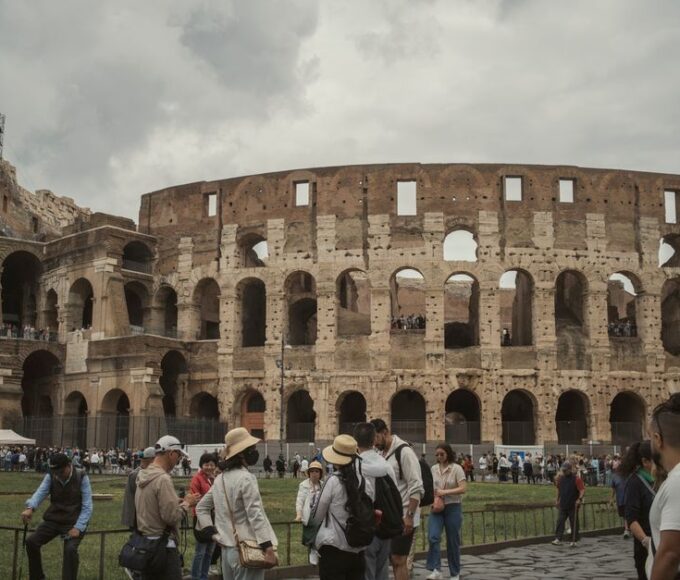

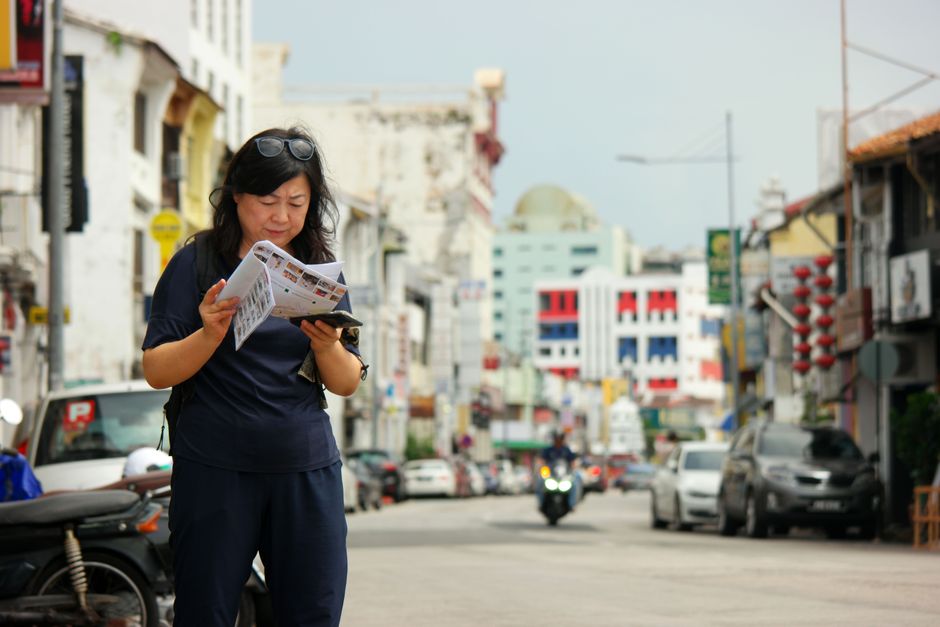
Yes, South America is generally safe for tourists in 2026, provided you exercise common sense, research your destinations, and take appropriate precautions. Like any major travel region, it has areas that require more vigilance and others that are quite tranquil. The key to a safe and enjoyable trip lies in understanding local nuances, being aware of your surroundings, and protecting your belongings, much like you would in any large city or unfamiliar country worldwide. Focusing on reputable areas and trusted operators significantly enhances your South America travel safety.
Vibrant cultures, breathtaking landscapes, and ancient histories—South America beckons with promises of unforgettable adventures. But for many first-time visitors or solo travelers, a crucial question often comes first: Is South America safe for tourists?
The short answer is yes, absolutely, but with the same caveats you’d apply to any significant international journey. It’s about being prepared, informed, and street-smart.
Think of it this way: you wouldn’t wander through a deserted alley in any major world city at 3 AM with your phone out, right? The same principle applies here. South America travel safety isn’t about fear; it’s about practical awareness, understanding local customs, and knowing where to go (and where not to go) to ensure your adventure is smooth and memorable for all the right reasons.
This guide will equip you with the knowledge to confidently plan your trip, highlighting specific country insights, common pitfalls to avoid, and essential tips for staying secure.
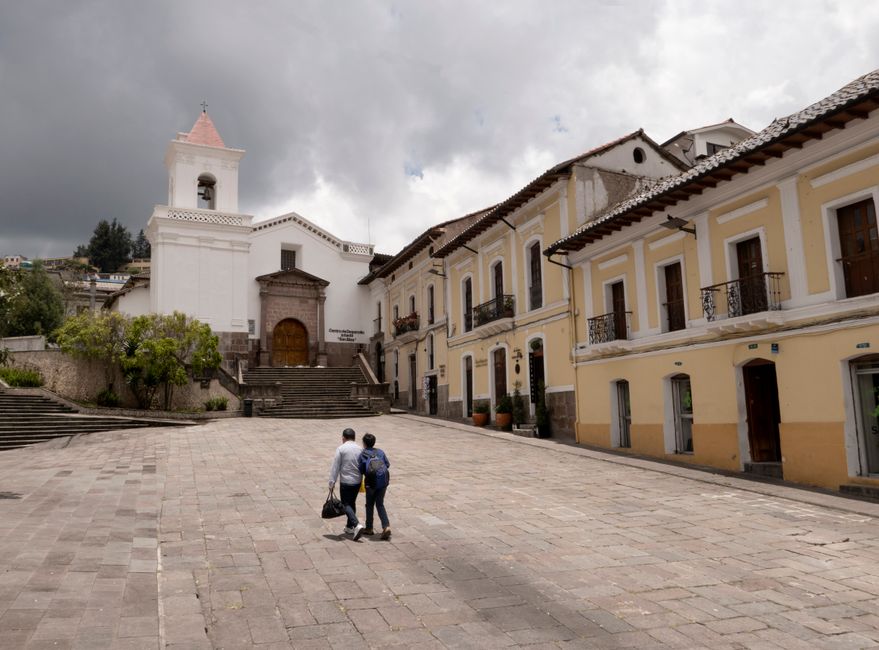
Understanding the Reality of South America Travel Safety
Generalizations about an entire continent are rarely helpful. South America is a vast, diverse place with varying levels of security from one country, or even one city, to the next. While headlines might occasionally paint a broad picture of danger, the reality on the ground for tourists in popular areas is often far different. Most incidents affecting tourists are opportunistic petty crimes, not violent confrontations, and many can be avoided with simple precautions.
The Perception vs. Reality Gap
Media often focuses on isolated incidents, creating a skewed perception. For instance, while certain neighborhoods in major cities like Rio de Janeiro (Brazil) or Bogotá (Colombia) might have higher crime rates, the main tourist zones—Copacabana, Ipanema, La Candelaria—are usually heavily policed and frequented by international visitors. Millions of tourists visit South America every year without incident, enjoying everything from the ancient wonders of Peru’s Machu Picchu to the cosmopolitan streets of Buenos Aires, Argentina.
Why Research is Your Best Friend
Before booking anything, spend time researching your specific destinations. Government travel advisories (like those from the US State Department or the UK Foreign Office) offer good baseline information, but always cross-reference with recent travel blogs, forums, and local news sources. What was true two years ago might have changed. Local insights are invaluable for understanding the current state of South America travel safety in your chosen areas.
Key Pillars of South America Travel Safety for Solo and First-Time Travelers
Whether you’re exploring the Amazon rainforest or hiking Patagonia, these core principles will serve you well.
1. Situational Awareness: Your Most Important Tool
- Stay alert: Avoid being overly engrossed in your phone, especially in crowded areas or when navigating. Be aware of who is around you.
- Blend in: Try not to look like an obvious tourist. Leave the expensive jewelry at home. Dress modestly, respecting local customs, which can also help you avoid unwanted attention.
- Trust your gut: If a situation or person feels off, remove yourself. Your intuition is a powerful safety mechanism.
2. Protecting Your Valuables and Documents
This is where most opportunistic crimes occur. Thieves are looking for easy targets.
Train vs Bus vs Budget Flight: How to Choose in Europe and the Americas
- Divide your cash: Don’t carry all your money or cards in one place. Keep some in a money belt under your clothes, some in a wallet for daily expenses, and a backup card hidden in your luggage.
- Use secure bags: Opt for cross-body bags with zippers or anti-theft backpacks (like Pacsafe) that are difficult to snatch or pickpocket.
- Be wary of ‘distraction’ scams: A common travel scam involves someone spilling something on you, or asking for directions while another person attempts to pickpocket you. Politely decline help and move away.
- Photocopy documents: Keep digital and physical copies of your passport, visa, and insurance policy separate from the originals. Carry a photocopy of your passport for daily use, leaving the original secured in your hotel.
3. Transportation Safety
Getting around safely is crucial for South America travel safety.
- Registered taxis/ride-shares: Always use official taxis (usually clearly marked or from designated stands at airports/bus terminals) or reputable ride-sharing apps like Uber or Cabify where available. Avoid unmarked cabs hailed on the street, especially at night.
- Public transport: During the day, public transport like subways and buses in major cities (e.g., Santiago, Chile, or Medellín, Colombia) are generally safe but can be crowded. Be extra vigilant about your belongings during rush hour.
- Long-distance buses: These are a popular and generally safe way to travel between cities. Choose reputable companies known for safety and comfort. Book directly at the bus terminal or through trusted agencies.
4. Accommodation Choices
Where you stay significantly impacts your South America travel safety.
- Read reviews: Use sites like Booking.com or TripAdvisor to find hotels or hostels with excellent safety reviews, especially regarding neighborhood security and staff vigilance.
- Secure rooms: Ensure your room has a working lock, and use any provided safe for valuables.
- Neighborhood matters: Opt for well-lit, busy neighborhoods, particularly if you plan to walk around at night.
Country-Specific South America Travel Safety Insights
While general tips apply, each country has its own nuances. Here’s a brief overview focusing on popular tourist destinations:
Colombia: A Story of Transformation
Colombia has undergone a remarkable transformation over the past two decades. Major cities like Medellín and Bogotá, and tourist hotspots like Cartagena, are now vibrant and welcoming. South America travel safety in Colombia has vastly improved. However, exercise caution with unsolicited invitations, be wary of ‘Scopolamine’ (burundanga) drug scams (where drinks or food are drugged), and avoid isolated rural areas not frequented by tourists.
Peru: Land of the Incas
Peru is generally very safe for tourists, especially in well-trodden paths like the Sacred Valley, Cusco, and Lima. Petty theft is the main concern in crowded markets and on public transport. Be particularly vigilant when withdrawing money from ATMs and avoid walking alone at night in less-populated areas of cities like Lima. When trekking, use reputable tour operators.
Chile: Stability and Natural Beauty
Chile is often cited as one of the safest countries in South America. Santiago, Valparaíso, and the Patagonia region are all popular and generally secure. That said, pickpocketing and bag snatching can occur in busy urban areas, particularly in Santiago’s central squares and markets. Be cautious around political demonstrations, which can sometimes turn unruly.
Argentina: Culture and Landscapes
Argentina offers incredible experiences from Buenos Aires’ tango halls to Iguazu Falls. In Buenos Aires, areas like Palermo, Recoleta, and San Telmo are generally safe, but pickpocketing is common in tourist-heavy zones. Be aware of fake taxi scams at airports where drivers overcharge or distract passengers. Outside the capital, regions like Patagonia are very safe, with the main risks being environmental due to the wild terrain.
Brazil: Vibrant and Diverse
Brazil is known for its stunning beaches and carnival, but also for higher crime rates in certain areas. In cities like Rio de Janeiro and São Paulo, muggings and petty theft are more prevalent, particularly at night. Stick to well-known tourist areas, avoid flashing expensive items, and use reputable transport. Always be aware of your surroundings, especially on crowded beaches or public transport. Research specific neighborhoods before venturing out.
Avoid Tourist Traps Without Overplanning Every Hour: A Practical Guide
Essential Safeguards: Travel Insurance and Emergency Plans
No matter how careful you are, unexpected situations can arise. This is where preparation truly pays off for your South America travel safety.
- Travel Insurance: This isn’t optional; it’s essential. A good policy from providers like Allianz Travel or World Nomads should cover medical emergencies, trip cancellations, lost luggage, and emergency evacuation. Read the fine print to understand what’s covered.
- Emergency Contacts: Know the local emergency numbers (police, ambulance) for each country you visit. Keep your embassy or consulate’s contact information handy.
- Inform Someone: Let a trusted friend or family member know your itinerary and check in regularly, especially if you’re traveling solo.
FAQs About South America Travel Safety
Is South America safe for solo female travelers?
Yes, many solo female travelers have incredible and safe experiences in South America. The key is thorough planning, choosing well-regarded hostels or hotels, sharing your itinerary with someone at home, and being aware of local customs regarding dress and social interactions. Sticking to well-trafficked areas and avoiding walking alone at night are universal safety rules.
What are the most common scams tourists face in South America?
Common scams include fake taxi drivers overcharging, distraction techniques (e.g., someone spilling something on you to pickpocket), ATM skimming, ‘friendly’ strangers offering drugged drinks (Scopolamine), and fake police officers demanding to see your passport or wallet. Always be wary of unsolicited help or attention, especially from strangers.
Which South American countries are considered the safest for tourists?
While safety can vary by region within any country, Chile, Uruguay, and parts of Argentina and Peru are generally considered among the safest for tourists due to lower rates of violent crime and stable political environments. These countries often have well-developed tourist infrastructures that prioritize visitor security.
How can I stay safe when using ATMs or handling money?
Always use ATMs located inside banks or in well-lit, busy areas, preferably during business hours. Cover the keypad when entering your PIN. Avoid withdrawing large sums of cash. When paying, keep your card visible, and be mindful of your surroundings. Consider using a separate travel money card with limited funds.
Should I learn some Spanish or Portuguese for better safety?
Absolutely. Even a basic understanding of Spanish (for most countries) or Portuguese (for Brazil) can significantly enhance your safety. It helps you communicate in emergencies, understand warnings, negotiate prices, and simply navigate daily interactions more effectively, reducing the chances of miscommunication or being taken advantage of.
What’s the best way to handle an unexpected emergency or crime?
If you experience a crime, prioritize your safety. Cooperate if confronted, as valuables can be replaced. Report the incident to local police as soon as it’s safe to do so. Contact your embassy or consulate, and notify your travel insurance provider immediately. They can assist with emergency travel documents, medical help, or legal advice.
Concluding Thoughts on South America Travel Safety
South America offers an unparalleled wealth of experiences, from scaling volcanic peaks to exploring bustling colonial cities and dancing the night away. By approaching your trip with a realistic, informed perspective on South America travel safety, you’re not just protecting yourself—you’re ensuring that the memories you make are pure joy, free from preventable worries. Be smart, be aware, and embrace the adventure.
Ready to explore with confidence? Plan smarter trips with Le Daily Post.