

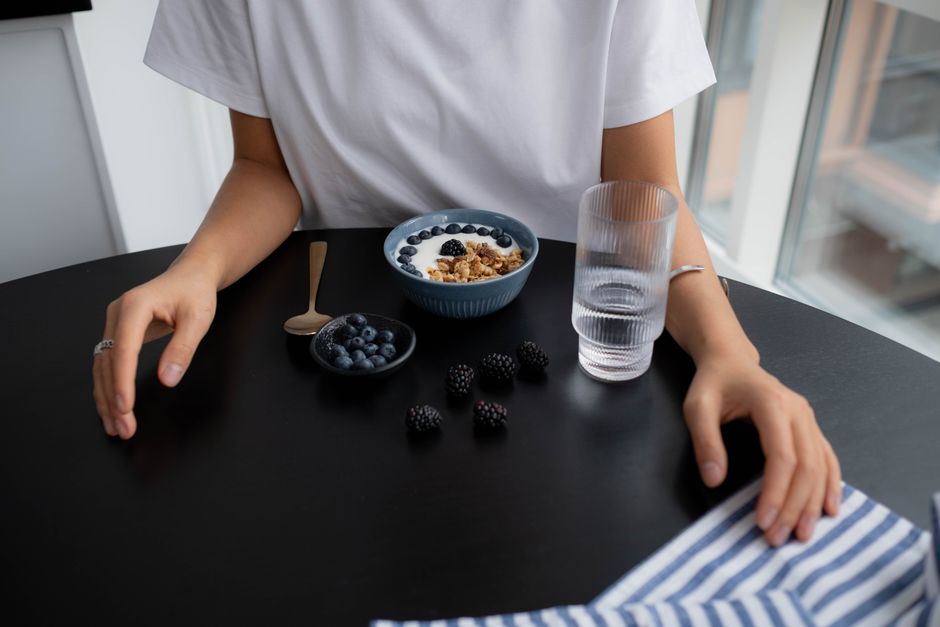
To effectively eat more protein without complicated meal prep, focus on incorporating readily available, high-protein foods into your existing meals and snacks. This involves choosing protein-rich options like Greek yogurt, cottage cheese, hard-boiled eggs, canned tuna or chicken, protein bars, and nuts. Prioritize simple additions to breakfast, lunch, and snacks rather than overhauling entire meals. Whether you’re in Europe, North America, or South America, these straightforward choices make increasing your protein intake achievable and sustainable for a busy lifestyle.
We’ve all been there: you know you should be eating more protein, whether it’s for satiety, muscle maintenance, or just feeling better overall. But the thought of meticulously planning meals, prepping every component, or spending hours in the kitchen can feel daunting. Especially when you’re navigating different cultures and grocery stores, perhaps hopping from a small market in Italy to a larger supermarket chain in the US.
It’s easy to get caught up in the idea that ‘healthy’ and ‘high protein’ automatically means elaborate dishes and a calendar full of meal prep slots. The reality, however, is far simpler for most of us. What actually helps when you need to eat more protein without complicated meal prep comes down to smart choices and understanding availability, not culinary gymnastics.
Forget the aspirational photos of perfectly portioned containers. Our goal here is practicality, to equip you with strategies that work whether you’re at home, traveling through Europe, exploring South America, or just trying to make healthier choices during a busy week in North America.
Why Bother with More Protein, Anyway?
Before diving into the ‘how,’ let’s briefly touch on the ‘why.’ Protein isn’t just for bodybuilders. It’s a foundational macronutrient essential for repairing tissues, making enzymes and hormones, and building muscle. Critically, it also helps you feel full and satisfied, which can be a huge benefit for managing weight or simply avoiding the dreaded mid-afternoon energy crash.
The Centers for Disease Control and Prevention (CDC) generally recommends that adults aim for 10-35% of their daily calories from protein. While specific needs vary based on age, activity level, and health goals, many people find that increasing their protein intake, especially at breakfast and lunch, can significantly improve energy levels and satiety. This isn’t about chasing extremes; it’s about optimizing what you already eat.
What Actually Helps When You Need to Eat More Protein Without Complicated Meal Prep: Actionable Tips
Here are some straightforward ways to boost your protein without becoming a full-time chef, perfect for anyone on the go or just short on time.
1. Embrace Dairy & Eggs: The Unsung Heroes
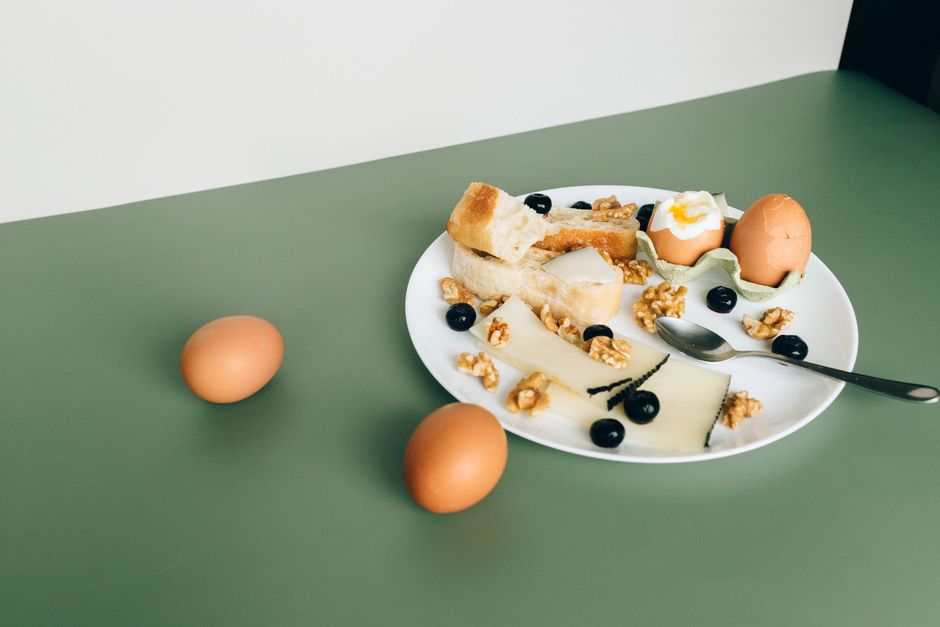
Greek yogurt, cottage cheese, and eggs are incredibly versatile. A single serving of Greek yogurt can pack 15-20 grams of protein. Top it with a few berries for flavor, or mix it into a smoothie. Cottage cheese, often overlooked, is another protein powerhouse, excellent with fruit or even savory options like black pepper and a drizzle of olive oil. Hard-boiled eggs are the ultimate grab-and-go protein: boil a batch once a week, and you have instant fuel for snacks or quick additions to salads.
How to Stay Healthy While Traveling Across Different Climates
2. Lean on Canned & Pouched Proteins
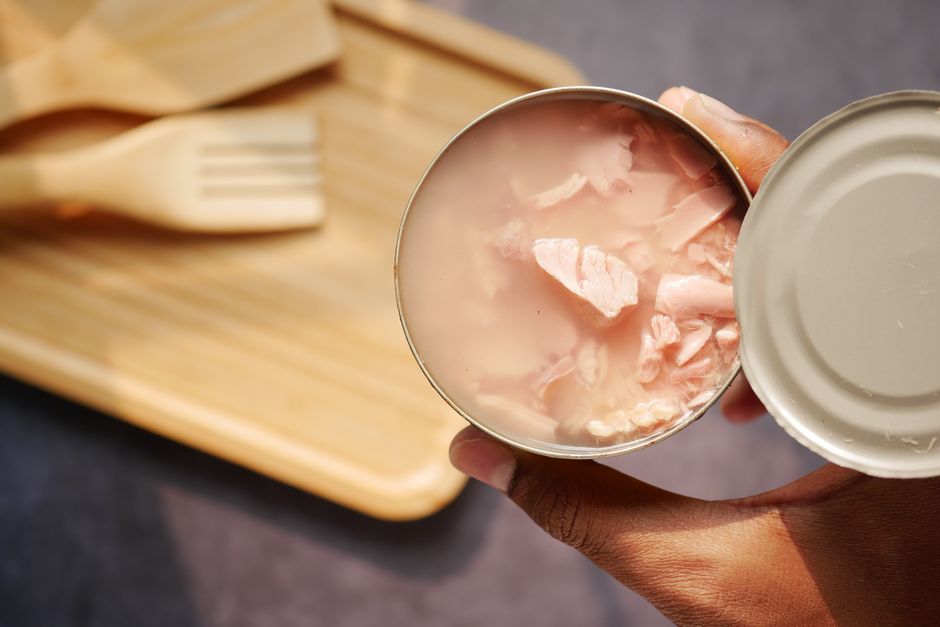
Don’t underestimate the convenience of canned tuna, salmon, or chicken. These are shelf-stable, require no cooking, and are packed with protein. A can of tuna (in water, usually) can offer around 30 grams of protein. Mix it with a little mustard and eat it straight, or add it to crackers, salads, or whole-wheat bread for a quick sandwich. Many brands now offer pouched versions, which are even more portable, perfect for a European train journey or a long flight.
3. Power Up Your Snacks with Nuts & Seeds
Almonds, walnuts, peanuts, pumpkin seeds, and chia seeds are excellent sources of protein and healthy fats. Keep a small bag in your backpack or desk drawer. A handful of almonds (about a quarter-cup) provides around 6 grams of protein. Peanut butter or almond butter can also be spread on apple slices, celery sticks, or whole-grain crackers for a satisfying snack.
4. Explore Legumes & Pulses with Minimal Fuss
Canned beans (black beans, chickpeas, kidney beans) are your friends. Rinse them well and add them directly to salads, soups, or even scrambled eggs. Lentils can be a bit more prep-intensive if starting from dry, but many stores offer pre-cooked, ready-to-eat lentils, which are fantastic additions to grain bowls or as a quick side dish.
5. Integrate Protein Powders Thoughtfully
While not a whole food, a good quality protein powder (whey, casein, soy, or plant-based like pea protein) can be a super simple way to increase your intake, especially if you struggle to eat enough. Blend a scoop into your morning smoothie, mix it with water or milk for a quick shake, or even stir unflavored varieties into oatmeal or yogurt. This is particularly useful when access to fresh protein sources is limited, like during a backpacking trip in South America.
6. Make Smart Restaurant Choices
When dining out, especially when traveling, prioritize protein. Look for grilled chicken, fish, or lean cuts of meat. Don’t shy away from asking for extra chicken or beans in your salad, or choosing a side of lentils instead of fries. In many European countries, a simple grilled fish with vegetables is a common and excellent protein-rich option.
7. The Mediterranean Diet’s Protein Approach
The Mediterranean diet, celebrated for its health benefits, naturally incorporates lean proteins without relying on heavy red meat consumption. It emphasizes fish, poultry, legumes, nuts, seeds, and moderate dairy. This eating pattern shows that a balanced approach, focusing on diverse, minimally processed protein sources, can be incredibly effective and delicious, aligning perfectly with the goal to eat more protein without complicated meal prep.
Comparing Protein Sources for On-the-Go Convenience
When you’re trying to add protein without hassle, not all sources are created equal. Here’s a quick comparison:
| Protein Source | Typical Protein per Serving (approx.) | Convenience Factor | Notes for Travelers |
|---|---|---|---|
| Greek Yogurt (1 cup) | 15-20g | High | Widely available in most grocery stores in North America and Europe. Look for plain, unsweetened. |
| Hard-boiled Eggs (2 large) | 12-14g | High | Many delis, convenience stores, and supermarkets sell pre-cooked eggs. |
| Canned Tuna/Salmon (3-4 oz) | 20-30g | Very High | Shelf-stable, no refrigeration needed until opened. Excellent for packing. |
| Cottage Cheese (1 cup) | 25-30g | Medium-High | Requires refrigeration. Good for hotel fridges or packing in a cooler. |
| Protein Bar (standard size) | 15-25g | Very High | Varies by brand (e.g., Quest Bars, KIND Protein). Check sugar content. |
| Nuts/Seeds (1/4 cup) | 6-9g | High | Excellent for sustained energy. Almonds, walnuts, pistachios are great choices. |
| Pre-cooked Lentils (1 cup) | 18g | Medium | Requires refrigeration. Some brands offer shelf-stable pouches. |
Common Mistakes to Avoid When Boosting Protein
While the goal is simplicity, it’s easy to fall into traps that either overcomplicate things or lead to less-than-ideal outcomes.
Air Quality and Allergies: What City Residents Should Track
A common mistake is assuming ‘more protein’ means ‘more meat.’ While lean meats are great, focusing solely on them can limit variety and might not always be the most convenient option, especially if you’re traveling or don’t have consistent access to cooking facilities. Diversifying your protein sources with dairy, eggs, legumes, and plant-based options will make it easier to meet your goals.
Another pitfall is relying too heavily on highly processed protein bars or shakes with excessive added sugars or artificial ingredients. While these can be convenient in a pinch, they shouldn’t replace whole-food sources. Always check the nutrition label; aim for bars with minimal added sugar and a good protein-to-calorie ratio. A good rule of thumb: if it looks like a candy bar, it probably isn’t the best choice.
Ignoring portion sizes is another frequent misstep. While protein is important, excessive intake can still contribute to overall calorie surplus. Pay attention to recommended serving sizes, especially for denser items like nuts or protein powders, to ensure you’re getting enough without overdoing it.
Finally, don’t overthink it. The beauty of these strategies is their simplicity. You don’t need a perfectly balanced macronutrient ratio at every single meal. Focus on adding a protein source to each meal and snack, and you’ll likely see a significant positive shift in your overall intake without the stress of complicated meal prep.
FAQ: Quick Answers to Your Protein Questions
Can walking help with protein absorption or utilization?
Walking itself doesn’t directly affect protein absorption, but regular physical activity, including walking, increases your body’s need for protein to repair and build muscle. This means that if you’re active, your body will be more efficient at utilizing the protein you consume, making your efforts to eat more protein even more impactful for muscle health.
What are some easy protein sources for someone traveling in Europe?
When traveling in Europe, excellent easy protein sources include Greek yogurt (often called ‘yogurt griego’), local cheeses, cured meats like prosciutto or jamón (in moderation), hard-boiled eggs from local markets, and canned fish like sardines or tuna, which are widely available. Many cafes also offer omelets or simple grilled chicken/fish dishes.
How does the Mediterranean diet integrate protein without being complicated?
The Mediterranean diet naturally integrates protein by prioritizing fish and seafood a few times a week, poultry, eggs, and dairy in moderation, and a strong emphasis on plant-based proteins like lentils, chickpeas, and nuts. This diverse approach ensures adequate protein intake through whole, unprocessed foods that are simple to prepare and widely available.
Are protein bars a good substitute for meals when I need more protein?
Protein bars can be a convenient substitute for a meal in a pinch, especially when you’re short on time or access to other food. However, they are best viewed as a supplement rather than a primary meal replacement. Choose bars with whole ingredients, lower sugar content, and a good balance of protein, fiber, and healthy fats for sustained energy.
What is the minimum amount of protein the CDC recommends for adults?
The CDC generally recommends that adults aim for 10-35% of their daily calories from protein. For a person consuming 2,000 calories per day, this would translate to approximately 50 to 175 grams of protein. Individual needs vary, so it’s always wise to consult with a healthcare professional for personalized advice.
Increasing your protein intake doesn’t have to be a monumental task involving hours of meal prep. By focusing on smart, simple additions to your daily routine, utilizing convenient options, and making mindful choices whether you’re at home or exploring a new city, you can easily achieve your protein goals. Remember, it’s about consistency and practicality, not perfection. For more health and wellness guides, read more health and wellness guides on Le Daily Post.