
When planning weekend trips from major European capitals, budget-aware families should first compare transportation costs and travel time, particularly favoring trains for convenience and often lower prices compared to short flights. Next, prioritize accommodation that offers family amenities like kitchenettes or extra space, often found in aparthotels or vacation rentals over traditional hotels. Finally, scout for free or low-cost activities like parks, free museums, and self-guided walking tours to keep everyone entertained without overspending. These initial comparisons lay the groundwork for an affordable and enjoyable family getaway.
So, you’ve got a couple of free days coming up, maybe a long weekend, and the idea of escaping the familiar hum of your home city is incredibly appealing. For families, especially those watching their budget, the thought of a quick European getaway can feel both exciting and daunting. But here’s the secret: weekend trips from major European capitals are not only doable but can be surprisingly affordable if you know what to compare first. It’s not just about booking the cheapest ticket; it’s about understanding the whole picture before you commit.
Think about it: you’re based in a vibrant hub like London, Paris, or Berlin. Within a few hours by train or a short, budget flight, a completely different culture, cuisine, and set of experiences await. But for families, ‘cheap’ often means ‘stressful’ if not planned right. We’re talking about more than just yourself; there are kids, bags, snacks, and nap schedules to consider. So, let’s break down the essential comparison points before you even open a booking app.

Weighing Your Transport Options: Train vs. Plane vs. Car
This is often the first big decision, and for good reason. How you get there directly impacts your budget, your travel time, and your sanity, especially with kids. For weekend trips from major European capitals, the choice is usually between train, plane, or sometimes a car.
The Unbeatable Charm and Practicality of Train Travel
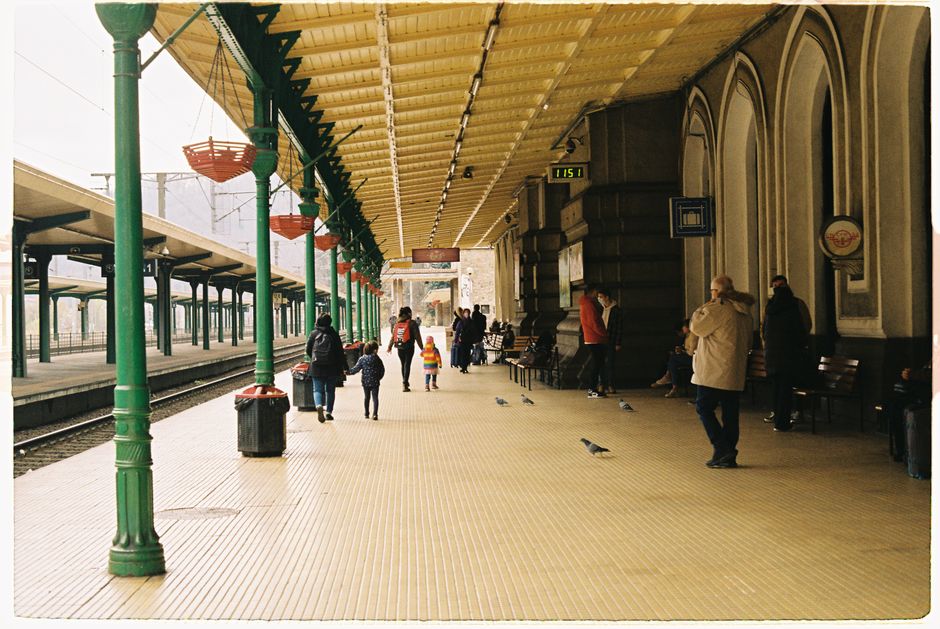
For most intra-European journeys, especially those under 4-5 hours, the train is almost always the superior choice for families. Why? Speed, comfort, and convenience. You don’t deal with airport security queues, baggage limits are usually more generous, and you arrive directly in the city center, saving on costly airport transfers. Companies like Eurostar connect London to Paris and Brussels effortlessly. Deutsche Bahn (DB) crisscrosses Germany and connects to neighboring countries. SNCF in France, Renfe in Spain, Trenitalia in Italy – these networks are extensive and efficient.
What to compare: Look at journey time versus airport faff. A 1-hour flight often means 3 hours at the airport, plus travel to and from. A 3-hour train ride is often just 3 hours. Compare ticket prices well in advance; booking 2-3 months out can yield significant savings, especially for family tickets or specific off-peak times. Factor in potential luggage fees for flights versus the free allowance on trains. For example, a family of four travelling from Brussels to Amsterdam via Thalys can often find tickets for less than a budget airline, with far less hassle.
Budget Airlines: The Double-Edged Sword
Yes, Ryanair and Wizz Air offer incredibly cheap fares sometimes. But families need to be cautious. The advertised price rarely includes all the add-ons you’ll inevitably need: seat selection (so you sit together), checked baggage, priority boarding (to get overhead bin space), and often expensive airport transfers from remote airports. A flight from London Stansted to Barcelona for £20 looks great until you add £50 for bags, £20 for seats, and £40 each way for the bus into the city. Suddenly, that £20 flight is well over £100 per person.
What to compare: Always do a ‘full cost’ comparison. Add up all potential extras. Also, consider the total travel time from your home to the destination city center, not just the flight duration. For destinations further afield, like Madrid from Berlin, a flight might still be quicker, but for shorter hops, trains often win out.
Driving: Freedom with a Price Tag
Driving can be great for flexibility, especially if you want to explore rural areas outside the main capital. However, for city-to-city weekend trips, it often doesn’t make sense. Parking in European cities is notoriously expensive and difficult to find. Factor in fuel costs, tolls, and potential congestion charges (like London’s ULEZ). A car might be ideal for a trip from Paris to the Loire Valley chateaux, but not for a quick visit to Amsterdam.
Accommodation: Beyond the Hotel Room
For families, space and amenities are gold. A cramped hotel room with two double beds often isn’t conducive to a relaxing weekend. This is where options beyond traditional hotels truly shine.
Your Ultimate Airport Transfer Guide: When to Use Train, Taxi, Shuttle, or Rideshare
Apartment Rentals: The Family Game Changer
Platforms like Airbnb, Booking.com’s apartment section, or local rental agencies offer a fantastic alternative. A two-bedroom apartment often costs less than two adjoining hotel rooms, provides a living area, and crucially, a kitchen. Being able to prepare breakfast and a few dinners significantly slashes food costs, which can quickly add up for a family of four or more. Plus, separate bedrooms mean parents can relax after the kids are asleep without having to sit in the dark.
What to compare: Always check the total price, including cleaning fees and service charges. Read reviews meticulously, especially regarding noise levels, safety, and proximity to public transport. Look for ‘family-friendly’ filters. A great example might be finding a spacious apartment in the Gràcia neighborhood of Barcelona, offering easy access to Gaudí’s Park Güell and plenty of local eateries.
Aparthotels and Budget Hotel Chains with Family Rooms
Some hotel chains cater specifically to families. Aparthotels combine hotel services (like reception and sometimes breakfast) with apartment amenities. Chains like Premier Inn (UK) often have dedicated family rooms with sofa beds, and their ‘Kids Eat Free’ policies can be a huge win. Accor’s Adagio Aparthotels or Marriott’s Residence Inn offer similar concepts across Europe.
What to compare: Check specific room layouts and amenities. Does the ‘family room’ truly provide enough space and beds for everyone, or is it just a slightly larger standard room? Does it include breakfast, or is it an expensive add-on? Sometimes, the extra cost of an aparthotel can be offset by the savings on food.
Activities & Entertainment: Free is Always Best
This is where budget-aware families can make or break their trip. Major European capitals are treasure troves of culture, but entry fees for attractions can skyrocket quickly. A family of four visiting the Louvre in Paris, the Sagrada Família in Barcelona, or the Rijksmuseum in Amsterdam could easily spend €100-€200 on entry tickets alone for just one attraction.
Embrace Parks, Playgrounds, and Public Spaces
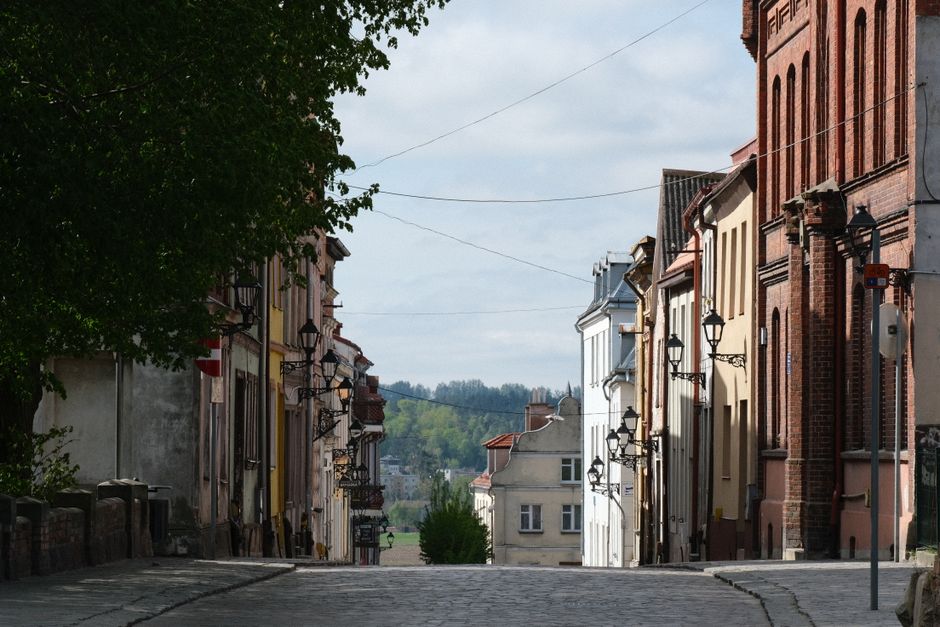
Europe’s cities are renowned for their beautiful parks. From Hyde Park in London to the Tiergarten in Berlin, the Vondelpark in Amsterdam, or the Retiro Park in Madrid, these green spaces offer hours of free entertainment. Pack a picnic, let the kids run wild in playgrounds, or simply enjoy people-watching. Many parks also host free events or have playgrounds that are better than anything at home.
Practical Tip: Always research the main park in your destination city. It’s a guaranteed hit with children and offers a free respite from city exploration.
Free Museums and Walking Tours
Many major European cities offer free entry to some of their world-class museums, or at least have free admission days/hours. London, for instance, has phenomenal free museums like the British Museum, the National Gallery, and the Natural History Museum. Berlin has several free galleries and historical sites. A bit of research beforehand can save a fortune.
Self-guided walking tours are another fantastic, free option. Many cities offer free walking tour apps or downloadable maps that allow you to explore neighborhoods at your own pace, stopping for gelato or playground breaks as needed. This way, you still soak in the atmosphere and history without paying a guide.
Local Markets and Window Shopping
Wandering through a local market, even if you’re just looking, is a vibrant and sensory experience. Markets like La Boqueria in Barcelona (though it can be very busy) or Borough Market in London offer a taste of local life without requiring an entry fee. Window shopping along grand boulevards or quaint side streets provides atmosphere and cultural immersion at no cost.
What Actually Helps When You Need to Compare Flights Beyond the Cheapest Fare
Food & Drink: Eating Like a Local, Affordably
Eating out for every meal as a family in a major European capital can quickly devour your budget. This is another area where smart comparisons and local choices pay off.
Supermarkets and Picnics
If your accommodation has a kitchen, leverage it! European supermarkets like Carrefour, Lidl, or Tesco are fantastic for picking up breakfast items, snacks, and picnic supplies. A baguette, some local cheese, ham, fruit, and a bottle of juice or wine can make for an incredibly enjoyable and cheap lunch in a park.
Street Food and Local Eateries
Avoid tourist traps near major attractions. Venture a few blocks away into residential areas, or seek out street food vendors. A falafel wrap in Berlin, a crêpe in Paris, or a slice of pizza in Rome from a local bakery will be far cheaper and often more authentic than a sit-down meal in a highly-trafficked area. Look for places busy with locals – that’s always a good sign.
Comparison point: Check menus displayed outside. If a restaurant near a major landmark has pictures of food and prices significantly higher than places a few streets away, you know it’s a tourist premium.
Additional Comparisons: Currency, Language, and Local Nuances
While Europe generally shares the Euro (and English is widely spoken in tourist areas), a few quick checks can prevent minor headaches.
- Currency: Is your destination in the Eurozone or does it use its own currency (e.g., British Pound, Swiss Franc, Hungarian Forint)? Factor in exchange rates and potential transaction fees.
- Language: While English is common, learning a few basic phrases in the local language (hello, please, thank you, excuse me) goes a long way and is appreciated.
- Public Transport: Almost all major European capitals have excellent public transport systems. Compare day passes or multi-day passes for families versus individual tickets. Rome’s metro or Paris’s RER are efficient ways to get around. Google Maps is your best friend for navigating these.
Beyond Europe: Comparing Global Weekend Trip Planning
While our focus here is on Europe, many of these comparison principles apply worldwide. Whether you’re considering a quick trip from New York to Philadelphia or Boston in North America, or from Buenos Aires to Colonia del Sacramento in South America, the core considerations remain:
- Transport: For New York to Boston, Amtrak is a strong competitor to short-haul flights. In South America, long-distance buses are often the most common and affordable inter-city option, though domestic flights can be competitive for longer distances.
- Accommodation: Apartment rentals are a global trend, offering flexibility and cost savings everywhere from Brooklyn to Palermo.
- Activities: Central Park in New York City is a prime example of a free, sprawling urban oasis. Recoleta Cemetery in Buenos Aires, while unique, is another fantastic free attraction.
The principles of comparing holistic costs, seeking out local experiences, and valuing family-friendly amenities are universal in savvy travel planning, no matter the continent.
FAQ: Weekend Trips From European Capitals
What is the cheapest way to travel between European cities for a weekend trip?
For most budget-aware families, booking train tickets well in advance (2-3 months out) for direct routes is often the cheapest and most convenient option. Budget airlines can appear cheaper, but hidden fees for baggage, seat selection, and airport transfers frequently make them more expensive than trains for short distances. Always compare the full, all-in cost.
How can families find affordable accommodation for a weekend trip in Europe?
Look for apartment rentals on platforms like Airbnb or Booking.com, or consider aparthotels. These options often provide more space, separate bedrooms, and kitchen facilities, allowing families to save on dining out by preparing some meals. Always check total prices including cleaning fees and read reviews carefully for suitability.
What are some free activities for families in major European capitals?
Many European cities offer abundant free activities. Explore large public parks (e.g., Hyde Park in London, Tiergarten in Berlin), seek out free-entry museums (like those in London), enjoy self-guided walking tours, or simply wander through vibrant local markets. Picnics in parks are a great way to combine sightseeing with an affordable meal.
Is it better to fly or take the train for weekend trips from European capitals?
For distances under 4-5 hours, the train is generally better for families. Trains offer city-center arrival, more generous luggage allowances, and avoid airport security hassles. For longer distances, or when train fares are disproportionately high, a flight might be quicker, but ensure you factor in all associated costs and travel time to and from airports.
How far in advance should I book transport and accommodation for a European weekend trip?
For the best prices, especially for budget-aware families, aim to book transport (trains, budget flights) and accommodation 2-3 months in advance. Popular routes and family-friendly accommodations fill up quickly, and last-minute bookings often come with a significant price premium, especially for peak seasons or public holidays.
Plan Smarter, Travel Happier
Ultimately, successful weekend trips from major European capitals for budget-aware families come down to diligent comparison and smart planning. It’s not just about the lowest sticker price on a flight or hotel; it’s about the total cost, the convenience, and the overall experience for everyone involved. By focusing on transport, accommodation with family-friendly amenities, and free or low-cost activities, you can craft memorable short breaks without breaking the bank. Ready to explore? Plan smarter trips with Le Daily Post.