

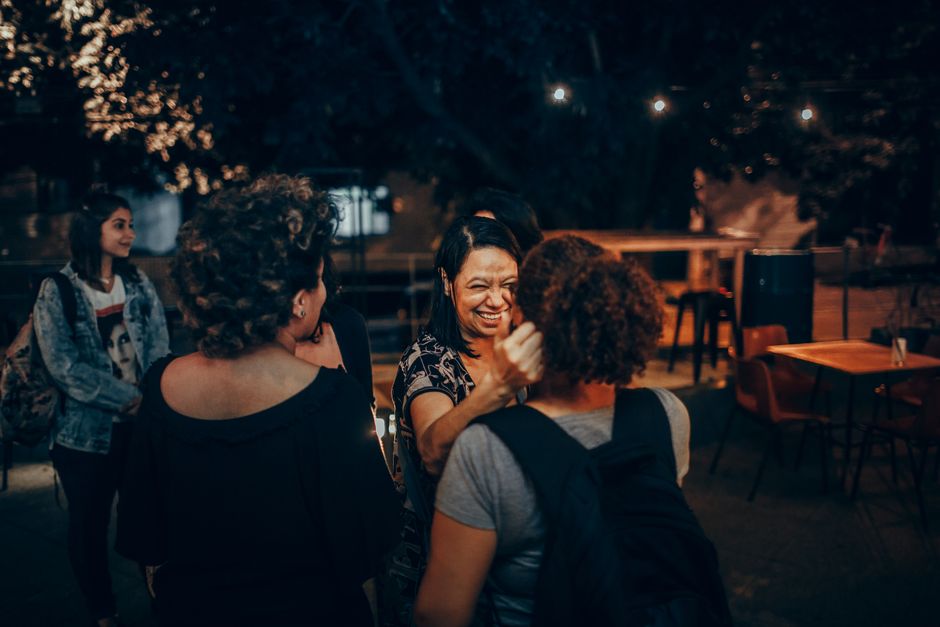
Adults can effectively make friends after moving abroad by proactively engaging in activities aligned with their interests, understanding that genuine connections take time. This involves stepping out of one’s comfort zone to join local clubs, attend language exchanges, participate in meetup groups, and frequent coworking spaces. Building a new social circle requires consistent effort, patience, and an open mind, focusing on shared experiences rather than immediate deep friendships, which naturally develop over time. Prioritizing routine social interaction significantly boosts success in making friends abroad.
That initial buzz of moving to a new country – the customs, the food, the sheer novelty – it’s exhilarating. You’ve navigated the visas, found a place, maybe even figured out the local grocery store. But then, as the weeks turn into months, a quiet reality often sets in: loneliness. Suddenly, your go-to friend group is thousands of miles away, and making new connections feels like a daunting task, like learning a new skill from scratch. Many of us arrive thinking friends will just appear, but in practice, building a social life abroad requires a conscious, consistent effort.
Whether you’re an expat starting a new job in Berlin, a student landing in Buenos Aires, or a remote worker setting up shop in Lisbon, the question of how to make friends abroad is universal. It’s not just about finding someone to grab a coffee with; it’s about building a support system, finding people who ‘get it,’ and truly integrating into your new home. This guide will walk you through practical, habit-focused strategies that genuinely work, drawing from common experiences across Europe, North America, and South America.
It’s a common misconception that making friends as an adult is harder than when you were younger. The truth is, the methods change, but the core need for connection remains. By being intentional and patient, you can absolutely build a fulfilling social life. The key isn’t to force friendships, but to create opportunities for them to naturally blossom.

Getting Started: Your Quick Checklist for Making Friends Abroad
Building a new social circle takes time and effort, but it doesn’t have to be overwhelming. Here’s a quick overview of key strategies:
- Be Proactive: Don’t wait for invitations; seek out opportunities.
- Embrace Local Culture: Show genuine interest in your new home’s customs.
- Leverage Online Tools: Use apps like Meetup or Bumble BFF to find groups.
- Join Communities: Sign up for clubs, classes, or volunteer work.
- Learn the Language: Even basic phrases open doors to local interaction.
- Be Consistent: Show up regularly to the same places or activities.
- Follow Up: Don’t let a good conversation end without suggesting a next step.
- Manage Expectations: Not every interaction leads to a deep friendship.
Establishing Your Routine: The Power of Regularity
One of the most effective ways to make friends abroad is to integrate social opportunities into your weekly routine. Random encounters are great, but sustained connections often come from repeated interactions. Think about it: you became friends with people in school or at work because you saw them regularly. Recreate that structure.
Leveraging Language Exchanges and Classes
Learning the local language is not just practical; it’s a social superpower. Many cities, from Madrid to Montreal, host language exchanges. Websites like Meetup.com often list free or low-cost language groups. Apps like Tandem or HelloTalk connect you with native speakers for conversation practice, and often, these online connections can translate into real-life meetups. Institutions like the Goethe-Institut in Germany, Alliance Française in France, or local universities often offer structured language classes. These are fantastic because you’re in a shared learning environment, you see the same faces weekly, and everyone has a built-in conversation topic.
Coworking Spaces: More Than Just Desks
For remote workers or digital nomads, coworking spaces like WeWork, Regus, or independent local spots (think Impact Hubs in various cities) are goldmines for expat social life. Beyond the Wi-Fi and coffee, these places often host social events, workshops, and even casual happy hours. You’re surrounded by other professionals, many of whom are also new to the city or looking to expand their network. It’s a low-pressure environment where you can strike up conversations over a shared kitchen or water cooler, leading to lunchtime outings or after-work drinks. For example, in Mexico City, numerous smaller coworking spaces foster close-knit communities, making it easier to connect than in a sprawling corporate office.
Small Apartment Living: Smart Storage and Design Ideas for Expensive Cities
Diving into Local Interests: Finding Your Tribe
Shared passions are a shortcut to connection. Instead of just looking for ‘friends,’ look for people who enjoy what you enjoy. This is where local clubs and groups become incredibly valuable.
Sports Teams and Fitness Groups
Joining a local sports team, whether it’s a casual five-a-side football league in Rio de Janeiro, a cycling club in Oregon, or a hiking group in the Alps, provides immediate camaraderie and a shared objective. You’re working towards something together, you have built-in conversations about the activity, and post-activity drinks or meals are natural follow-ups. Many gyms also offer group fitness classes (yoga, Zumba, spinning) which can be a consistent way to see familiar faces. Look for community centers or university recreational programs, even if you’re not a student.
Hobby Groups and Creative Workshops
Think about what you loved doing before you moved, or what you’ve always wanted to try. Cooking classes, book clubs, photography workshops, pottery studios, board game nights – the options are endless. These activities naturally foster interaction and provide a basis for conversation beyond just ‘where are you from?’ Sites like Meetup, Facebook Groups, and even local community bulletin boards (physical or online) are excellent resources. For example, in Buenos Aires, tango classes are a fantastic way to meet people and immerse yourself in local culture.

Leveraging Digital Connections and Expat Networks
While the goal is often face-to-face interaction, digital platforms are invaluable tools for making friends abroad, especially for finding like-minded individuals.
Expat-Specific Forums and Social Media Groups
Search for ‘Expats in [City Name]’ on Facebook. These groups are incredibly active and often organize meetups, ask for recommendations, and offer support. They’re a safe space to ask questions unique to your expat experience and find others who understand exactly what you’re going through. InterNations is another global network specifically designed for expats, offering events and forums in many cities worldwide. LinkedIn can also be useful for professional networking that sometimes leads to social connections.
Dating Apps (for friendships too!)
Beyond traditional dating, many apps now have dedicated ‘BFF’ modes. Bumble BFF, for instance, allows you to swipe specifically for platonic friendships. It’s a structured way to find individuals near you who are also looking to make friends, often with shared interests listed in their profiles. While it might feel a bit unusual at first, it can be surprisingly effective for making friends abroad, particularly for those who find traditional social settings intimidating.
The Art of the Follow-Up and Being Open
Meeting people is one thing; turning those initial interactions into lasting friendships is another. This requires a bit of courage and consistency.
Initiating and Following Up
When you have a good conversation, don’t let it just end. Suggest getting coffee, grabbing a drink, or doing the activity you just discussed. Exchange numbers or social media handles. A simple ‘It was great chatting with you, maybe we could grab a coffee sometime?’ is often all it takes. The burden of invitation usually falls on everyone, so don’t be afraid to take the lead sometimes. If you said you’d text, text! This consistency shows you’re genuinely interested.
Navigating Borders: How to Handle Life Admin Across Two Countries
Being Genuinely Open and Patient
Friendships take time to develop. Don’t expect deep bonds overnight. Be open to different types of people and different kinds of friendships. Some connections might be for specific activities, others might grow into deeper bonds. Remember that everyone is busy, and sometimes schedules don’t align immediately. Don’t take a ‘no’ as a personal rejection; just keep trying. The more you put yourself out there, the higher your chances of finding your people. Embrace the differences you encounter and learn from them; it’s part of the rich experience of moving abroad.
FAQ: Making Friends Abroad
How do adults make friends after moving abroad?
Adults make friends abroad by consistently putting themselves in social situations that align with their interests. This means joining local clubs, attending language exchanges, utilizing expat groups, and participating in coworking activities. It’s crucial to be proactive in inviting people for follow-up activities and to be patient as genuine connections take time to develop.
What is the biggest challenge for expats making friends?
The biggest challenge for expats making friends is often the initial barrier of an unfamiliar culture or language, coupled with the absence of pre-existing social networks. Many also struggle with vulnerability, the fear of rejection, or not knowing where to find relevant social groups, leading to isolation if not actively addressed.
Are expat groups good for making friends abroad?
Yes, expat groups are excellent for making friends abroad, especially initially. They provide a ready-made community of people who understand the unique challenges and joys of living in a new country. These groups often organize events, offer advice, and help bridge the gap while you’re still learning about local customs and navigating a new environment.
How long does it typically take to make friends in a new country?
The time it takes to make friends in a new country varies greatly. While casual acquaintances can form within weeks, developing deeper, more meaningful friendships often takes several months to a year, sometimes longer. Consistency in social interaction and shared experiences are key factors in accelerating this process.
What if I’m shy when trying to make friends abroad?
If you’re shy, focus on structured activities where interaction is naturally built-in, like language classes or hobby workshops. Start with small, low-pressure conversations. Bumble BFF can also be helpful for making friends abroad as it provides a structured way to connect with others also seeking friendships. Remember, most people are open to connection.
Key Takeaways for a Thriving Social Life Abroad
Making friends after moving to a new country is undoubtedly a journey, not a destination. It requires a blend of intentionality, vulnerability, and patience. The most successful strategies involve integrating social activities into your regular routine, whether that’s a weekly language exchange or a consistent coworking presence. By aligning your efforts with your genuine interests, you’ll naturally attract like-minded people.
Remember that every interaction, no matter how brief, is a step towards building your new community. Don’t be afraid to take the initiative, suggest a follow-up, and be open to different types of connections. The challenges of loneliness abroad are real, but with a proactive approach and a dose of resilience, you absolutely can build a rich and rewarding social life in your new home.
If you’re looking for more practical advice on navigating life in a new place, make sure to read more practical lifestyle guides on Le Daily Post.