

Ever return from a fantastic trip, only to find your favorite shirt looks like it’s been through a war? The dream of packing light often clashes with the reality of wearing the same few outfits repeatedly, leading to wrinkled, stained, and generally worn-looking clothes. Whether you’re exploring the vibrant streets of Sao Paulo, navigating the historic alleys of Madrid, or enjoying a chic weekend in Paris, maintaining your wardrobe’s freshness and longevity on the road is a universal travel challenge. It’s not just about getting clothes clean; it’s about applying smart travel laundry tips that truly keep them looking new, trip after trip.
The good news? With a bit of foresight and the right techniques, you can avoid that dreaded post-vacation laundry pile of sad-looking garments. This guide will walk you through practical clothing care strategies, from choosing the right fabrics to mastering on-the-go washing, ensuring your favorite pieces survive the journey as elegantly as you do.
Keeping your clothes looking new while traveling requires a strategic approach to washing, drying, and general clothing care on the go. This involves packing quick-drying fabrics, understanding local laundry options in places like Madrid or Sao Paulo, utilizing compact tools like travel-sized detergents and stain removers, and mastering hand-washing techniques. Proper preparation and mindful handling of your garments, from a student backpacking through Europe to a young professional on a North American business trip, will significantly extend their life and appearance, ensuring your wardrobe stays fresh and presentable throughout your adventures.
Essential Travel Laundry Tips: A Quick Overview
Before we dive deep, here’s a quick rundown of the fundamental principles that will improve your travel laundry routine and keep your clothing care on point:
- Prioritize Quick-Drying Fabrics: Merino wool, synthetics (polyester, nylon), and some bamboo blends are your best friends.
- Pack Multi-Purpose Detergent: Solid laundry sheets or concentrated liquid pods save space and prevent spills.
- Master Hand-Washing: It’s simpler than you think and often your only option.
- Invest in a Travel Clothesline: Lightweight and essential for drying almost anywhere.
- Tackle Stains Immediately: Don’t let a spill set; quick action is key to preventing permanent damage.
- Utilize Laundry Services Wisely: Know when to splurge on a professional service and what to expect.
- Learn Local Laundry Customs: From coin laundries in Europe to wash-and-fold services in South America.
- Air Out Clothes Between Wears: Often, a garment just needs a refresh, not a full wash.
Fabric Choices: The Foundation of Freshness
The journey to keeping clothes looking new begins long before you pack your bag. It starts with the fabrics you choose to travel with. This isn’t just about weight or wrinkle resistance; it’s profoundly about how well they handle repeated wear and washing on the go.
The Power of Merino Wool and Synthetics
For most travelers, especially those navigating varied climates in Europe or trekking through the Amazon rainforest in South America, merino wool and high-performance synthetics like polyester and nylon are game-changers. Merino wool is naturally odor-resistant, breathable, and surprisingly quick-drying. You can wear a merino tee for days without it smelling, drastically reducing your laundry load. Brands like Smartwool or Icebreaker are popular for good reason.
Synthetics, on the other hand, are engineered for quick drying, durability, and often have moisture-wicking properties. Think athletic wear from Patagonia or Columbia. They might not have the natural odor resistance of merino, but they wash and dry incredibly fast, often overnight, which is crucial when you’re moving between cities like New York and Montreal.
What to Avoid (or Pack Mindfully)
Heavy cottons (jeans, thick shirts) are slow to dry and take up a lot of space. While comfortable, they’re not ideal for extensive travel laundry. If you must bring cotton, opt for lighter weaves. Silk and linen can be beautiful but are often high-maintenance, requiring gentle washing and prone to wrinkles, making them less suited for frequent hand-washing in a hostel sink. Save these for special occasions where you know professional laundry is an option, like a fancy dinner in Paris.
On-the-Go Washing Techniques: Mastering the Art of the Sink Wash
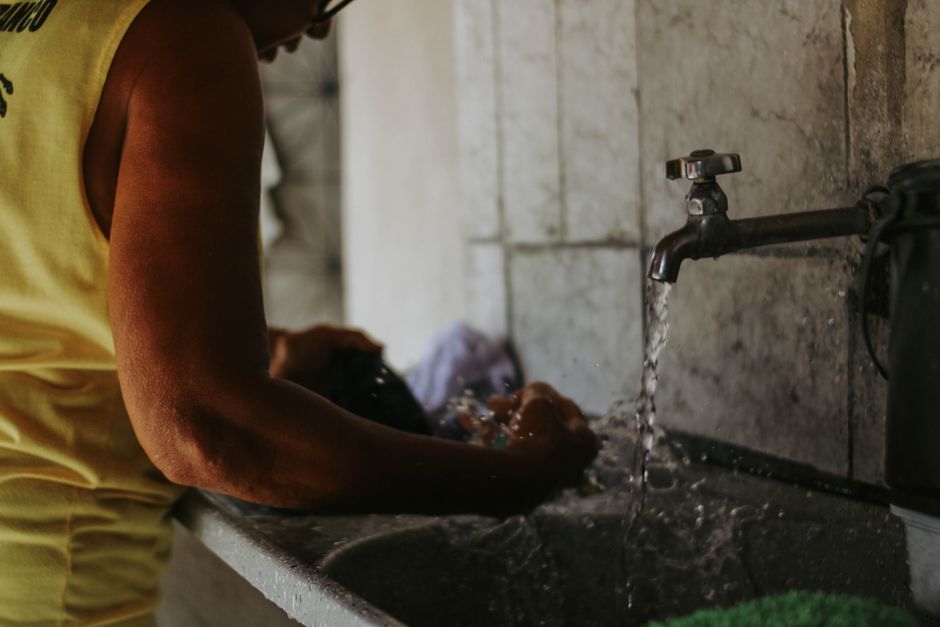
This is where the rubber meets the road for travel laundry. Whether you’re in a modest guesthouse in rural South America or a boutique hotel in North America, knowing how to hand-wash effectively is an indispensable skill.
The Sink or Bag Method
A clean sink or a dedicated dry bag (like a Scrubba Wash Bag) becomes your washing machine. Fill it with lukewarm water and a small amount of travel detergent. Submerge your clothes, gently agitate them, and let them soak for 10-15 minutes, depending on how soiled they are. Focus on one or two items at a time to ensure thorough cleaning. For heavier items, give them more time and more vigorous, but still gentle, scrubbing.
Fabrics for Humid Cities Like Miami, Lisbon, and Rio: The Practical Ranking for Beating the Heat
Rinse thoroughly under running water until all suds are gone. This is critical; leftover detergent can stiffen fabrics or irritate skin. When in doubt, rinse again.
Choosing the Right Detergent and Tools
Forget giant bottles. Your best friends are concentrated options: laundry sheets (like Tru Earth or Earth Breeze), liquid detergent pods, or small tubes of multi-purpose soap (Dr. Bronner’s is a classic). Solid bars like those from Sea to Summit are also excellent for stain removal and hand-washing. Pack a universal sink stopper – hotel ones often don’t seal well.
Effective Drying Strategies: Beyond the Hotel Towel
Washing is only half the battle. Drying your clothes efficiently and without damage is equally important, especially when you need them ready by morning.
The Squeeze and Roll Method
After rinsing, gently squeeze out as much water as possible without wringing vigorously (which can damage delicate fabrics). Lay the item flat on a clean, dry towel. Roll the towel up tightly with the garment inside, pressing down to transfer water from the garment to the towel. Repeat with a fresh, dry section of the towel if necessary. This significantly reduces drying time.
The Travel Clothesline and Hangers
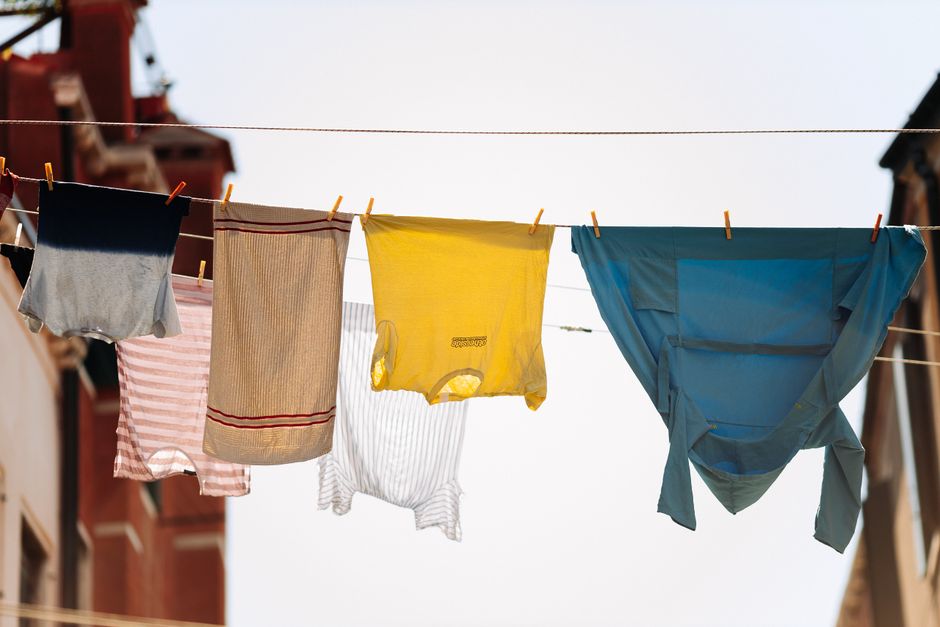
A braided elastic travel clothesline is a lightweight essential. It has built-in clips or loops, allowing you to hang clothes from almost anything – shower rods, bedposts, doorknobs. Look for one that doesn’t require clothespins. If you have a few lightweight hangers, they can also be invaluable, allowing air to circulate around garments more effectively than just draping them. In places with high humidity, like coastal Sao Paulo, maximizing airflow is key to preventing that damp, mildewy smell.
Harnessing Ventilation and Heat (Carefully)
Hang clothes near an open window or in front of a fan if available. Avoid direct sunlight for colored items to prevent fading. Never use hotel hairdryers directly on clothing unless it’s a quick spot dry on a durable fabric; intense heat can shrink or damage items. If you’re in a city like Madrid during summer, finding a shaded, breezy spot is often ideal for drying.
Stain Removal and Emergency Care: Saving Your Favorite Pieces
Accidents happen. A spill at a cafe in Paris, mud from a hike in Patagonia, or a dropped empanada in Buenos Aires – knowing how to react quickly can save your favorite shirt.
Immediate Action is Key
The golden rule of stain removal: act fast. The longer a stain sits, the harder it is to remove. As soon as a spill occurs, blot (don’t rub!) with a clean cloth or tissue. For liquid stains, try to absorb as much as possible.
Travel Stain Removers
Pack a travel-sized stain remover stick (like Tide To Go) or a small bottle of liquid spot treatment. For oil-based stains, a little dish soap or even hotel shampoo can work in a pinch. Apply the remover, let it sit briefly, then gently rub or blot before rinsing.
Dealing with Odors
Sometimes clothes aren’t dirty, just a bit stale. Airing them out (especially overnight), using a fabric refresher spray (many travel brands offer mini versions), or even a small sachet of baking soda in your luggage can help. Merino wool excels here, but even synthetics benefit from a good airing between wears.
Don’t Be ‘That Tourist’: Common Fashion Mistakes Travelers Make in Walkable Cities
Leveraging Local Laundry Services: When to Outsource
While hand-washing is empowering, sometimes you just need a machine, especially on longer trips. Understanding local laundry options can save you time and hassle.
Self-Service Laundromats (Laundrettes/Lavanderias)
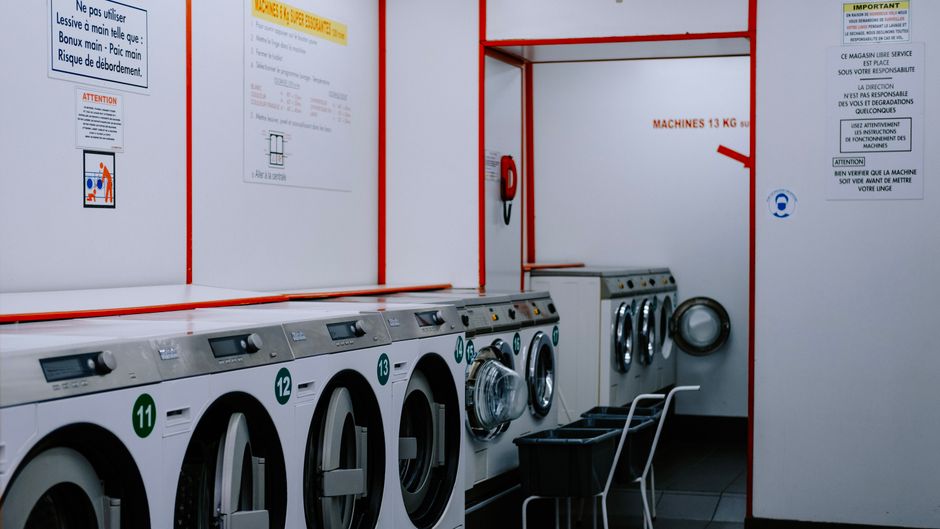
Common across Europe and North America, these offer a cost-effective way to do a full load. In Europe, especially in cities like Madrid, you’ll often find modern self-service laundromats (lavanderías automáticas) that take card payments. In North America, coin laundries are still prevalent. Always check machine settings and local detergent availability. Bring your own detergent if you have specific preferences for clothing care.
Wash-and-Fold Services
Prevalent in many parts of South America (including Sao Paulo) and Asia, these services wash, dry, and fold your clothes, often for a very reasonable price. They’re a huge time-saver. Just be clear about any delicate items, and consider separating them if you’re concerned. While generally reliable, double-check your items upon return. Sometimes, they might use harsher detergents or high heat, so only send durable items if you’re worried about specific fabrics.
Hotel Laundry Services
Convenient, but usually the most expensive option. Reserve these for emergencies or for very delicate items that require specific care you can’t provide. Always check the price list beforehand; you don’t want a surprise bill for a few socks!
FAQ: Answering Your Top Travel Laundry Questions
How do I prevent my clothes from smelling stale in my luggage?
To prevent stale odors, ensure clothes are completely dry before packing. Use packing cubes, and for added freshness, include a dryer sheet, a small sachet of lavender, or a few drops of essential oil on a cloth. Air out worn clothes between wears whenever possible instead of immediately packing them away.
Can I really wash everything by hand, even jeans?
Yes, you can hand-wash most items, including jeans. However, jeans are thicker and take significantly longer to dry, making them less ideal for frequent hand-washing on the go. Focus on thorough rinsing to avoid detergent residue, and use the towel roll method to extract as much water as possible.
What should I do if a hotel doesn’t have a sink stopper?
If your hotel sink doesn’t have a stopper, a universal silicone stopper is a cheap and lightweight travel essential. Alternatively, you can sometimes improvise with a plastic bag or even a washcloth pressed firmly into the drain, though these are less reliable solutions.
Are laundry sheets better than liquid detergent for travel?
For most travelers, laundry sheets are superior to liquid detergent due to their compact size, pre-measured portions, and zero risk of leaks. They dissolve easily in both hot and cold water and are effective for hand-washing. Liquid pods are also good but carry a slight leak risk.
How do I dry clothes quickly in a humid climate like Sao Paulo?
In humid climates like Sao Paulo, focus on maximizing airflow and water extraction. Use the squeeze and roll method with a towel multiple times. Hang clothes near a fan or in an air-conditioned room, if available. Space items out on your travel clothesline, avoiding overlapping, to promote quicker drying.
Key Takeaways for Fresh Travels
Keeping your clothes looking new while traveling isn’t about magic; it’s about making smart choices and adopting practical habits. Prioritize fabrics that are quick-drying and odor-resistant, like merino wool and synthetics. Master the art of hand-washing using compact, effective detergents, and always be prepared with a travel clothesline.
Remember that immediate stain treatment can save a garment from permanent damage. Don’t be afraid to leverage local laundry services when appropriate, but understand their nuances, whether it’s a self-service laundromat in North America or a wash-and-fold service in South America. By integrating these travel laundry tips into your routine, you’ll ensure your wardrobe stays fresh and presentable, allowing you to focus on the experiences, not laundry woes. Your clothes, and your wallet, will thank you.
Explore more practical style guides and travel insights on Le Daily Post.