So, you’ve made the leap. Whether it’s the cobblestone streets of London calling, the vibrant energy of Mexico City, or the professional buzz of Toronto, moving abroad is a monumental step. It’s an adventure, a career move, a fresh start – and for many, a significant financial shift. The currency changes, the banking systems differ, and suddenly, your carefully honed money habits from back home feel a bit… obsolete.
It’s easy to get bogged down in the details. You might find yourself juggling bank accounts in two or three countries, trying to decipher tax codes in a new language, or just wondering why your coffee costs what it does in a new currency. But building better money habits after moving abroad doesn’t have to be an exercise in frustration. It’s about laying a solid, practical foundation that adapts to your new reality, without needing an advanced degree in international finance.
This isn’t about grand, sweeping financial overhauls on day one. It’s about practical, actionable steps that busy professionals can implement to feel more in control of their money, regardless of whether they’ve landed in Europe, North America, or South America.
Your First Financial Check-In: Setting Up Strong Foundations
The moment you land, your immediate financial priorities shift. Forget complex investment strategies for a bit; your focus should be on the basics. This initial phase is critical for building better money habits after moving abroad.
Open a Local Bank Account – Pronto!
This is non-negotiable. Trying to rely solely on your home country’s bank for an extended period will cost you dearly in foreign transaction fees and unfavorable exchange rates. In Europe, many countries require a proof of address and a local tax ID (like an NIE in Spain or a NINO in the UK) to open an account. Banks like N26 or Revolut can be quicker options for initial setup, especially if you’re not yet fully settled, providing a local IBAN almost immediately. For those moving to Toronto, Canada’s ‘Big Five’ banks (RBC, TD, Scotiabank, BMO, CIBC) are prevalent, and many offer specific newcomer packages, often waiving fees for the first year. In Mexico City, banks like BBVA or Citibanamex are common, and you’ll typically need your passport, visa, and proof of address.
Practical Tip: Research bank requirements online before you arrive. Some allow you to start the application process remotely, saving you valuable time post-arrival. Always ask about monthly fees, international transfer costs, and ATM withdrawal limits.
Understand Currency Exchange and Transfer Fees
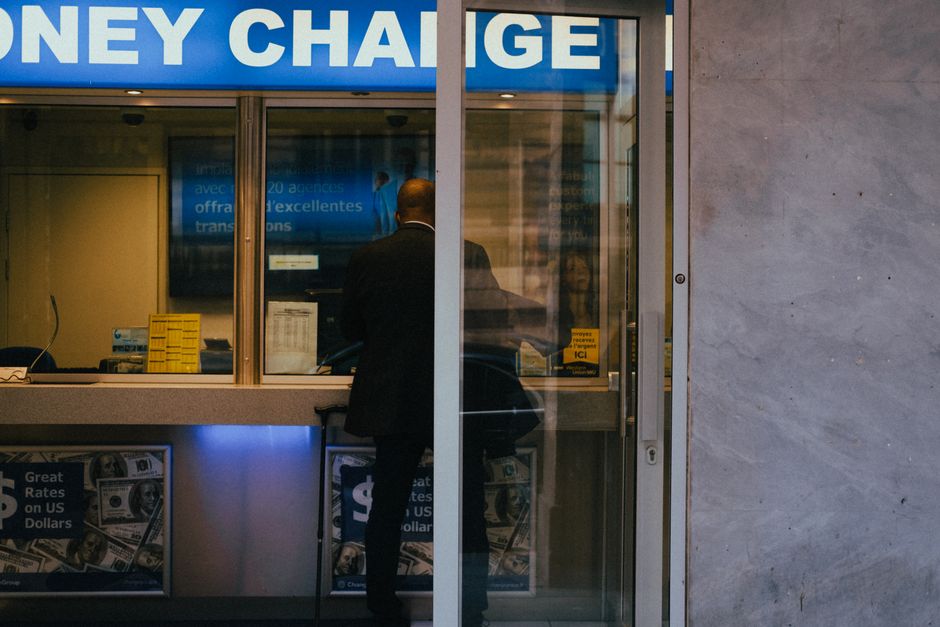
Currency conversion is where many expats lose money unknowingly. Your €10 coffee in Paris might feel like a steal, but factor in the hidden exchange rate markups and potential transaction fees from your foreign card, and it adds up. For international transfers, steer clear of traditional bank wire transfers unless absolutely necessary for large sums. Services like Wise (formerly TransferWise) or Remitly offer significantly better rates and lower fees for sending money between countries. This is a foundational habit for anyone looking to build better money habits after moving abroad.
Crafting a Realistic Budget in a New Currency
Your old budget spreadsheet, meticulously crafted in USD or GBP, won’t just translate by changing the currency symbol. Cost of living varies dramatically. A pint of beer in London will set you back more than in Lisbon, and rent in Toronto is a different beast from Mexico City.
Track Every Penny (Initially)
For the first few months, track every single expense. This isn’t about being restrictive; it’s about gaining awareness. Use apps like YNAB (You Need A Budget) or Mint, many of which can link to international bank accounts. Alternatively, a simple spreadsheet or even a small notebook can work. Categorize your spending: rent, groceries, transport, utilities, dining out, entertainment. This helps you grasp the actual cost of living in your new home, which is essential for building better money habits after moving abroad.
Example: You might discover that while groceries are cheaper in Europe than North America, eating out frequently in a major European city can quickly deplete your budget. Or perhaps public transport in Mexico City is incredibly affordable, freeing up more money for other experiences.
Smart Moves: Plan Errands Around Walkable Neighborhoods in Real Life
Set Realistic Spending Limits
Once you have a few months of data, you can start setting realistic limits. Don’t expect to live exactly as you did back home. Your ‘discretionary spending’ category might need a serious adjustment. Prioritize needs over wants, especially early on. Perhaps that expensive gym membership can wait, and you can explore local parks or free fitness groups instead.

Adapting Your Savings and Investment Strategy
Once you’ve got the basics down – local banking, a working budget – it’s time to revisit your long-term financial goals. This is where building better money habits after moving abroad truly takes shape beyond daily spending.
Automate Savings Early and Often
The ‘pay yourself first’ mantra is even more critical when living abroad. Set up automatic transfers from your primary checking account to a separate savings account immediately after your salary hits. Even a small amount, consistently transferred, will build up. Many European banks offer ‘pots’ or ‘spaces’ within your main account, making it easy to allocate funds for different goals – a travel fund, an emergency fund, a ‘getting home’ fund. For busy professionals in Toronto or London, this automation can be a lifesaver, ensuring savings accrue without active thought.
Review Your Investment Landscape
Your existing investment accounts back home might become complex due to tax implications or residency rules. For example, if you moved from the US to Europe, maintaining certain US-based investment accounts can create headaches with PFIC (Passive Foreign Investment Company) rules. Talk to a financial advisor who specializes in expat finances. They can help you navigate options for investing in your new country or optimizing your existing portfolio. This might mean opening local investment accounts or looking into platforms that cater specifically to expats.
Considerations:
- Tax Treaties: Understand if your home country has a tax treaty with your new country. This can prevent double taxation on income and investments.
- Local Options: Explore local retirement accounts or investment vehicles. In Europe, ISAs (Individual Savings Accounts) in the UK or similar tax-advantaged accounts in other EU countries can be very beneficial.
Navigating Taxes and Insurance Abroad
This is often the most daunting aspect, but ignoring it will only lead to bigger problems. Proactive engagement is a hallmark of building better money habits after moving abroad.
Understand Your Tax Obligations
Depending on your nationality and residency status, you might be liable for taxes in both your home and host countries. US citizens, for instance, have to file US taxes regardless of where they live. Canadians living abroad generally only pay taxes in their country of residence, but there are exceptions. It’s crucial to seek professional advice from a tax accountant specializing in international taxation. This upfront cost can save you thousands in penalties and ensure compliance.
Geo-specific Note: In countries like Mexico, the tax system can be complex. Understanding local VAT (IVA) and income tax rates is key, especially if you’re working as a contractor. In the UK, understanding National Insurance contributions is as important as income tax.
Healthcare and Other Insurances
Do not skimp on insurance. Your home country’s health insurance likely won’t cover you adequately (or at all) abroad. Understand the local healthcare system. Many European countries have solid public healthcare systems, but you might opt for supplemental private insurance. In places like Toronto, you’ll be covered by OHIP (Ontario Health Insurance Plan) once eligible, but understanding wait times and coverage limits is important. In South America, private health insurance is often a necessity. Also consider travel insurance for those initial months, and potentially contents insurance for your belongings.
Host Friends in a Small Apartment: A Realistic Checklist for Remote Workers
The Lifestyle Factor: Conscious Spending and Cultural Integration
Beyond the spreadsheets and bank accounts, building better money habits after moving abroad is deeply intertwined with your new lifestyle and cultural context.
Embrace Local Living
One of the best ways to save money and integrate is to live like a local. Shop at local markets instead of expensive imported supermarkets. Discover local eateries that offer delicious, affordable meals. Use public transport, walk, or cycle instead of relying on taxis. Not only does this save money, but it also enriches your experience and helps you appreciate your new surroundings.
Avoid Lifestyle Inflation
As your salary might be in a different currency or higher than before, it’s tempting to upgrade your lifestyle significantly. Resist this urge. Keep your initial spending conservative until you have a solid grasp of your income, expenses, and long-term goals in your new country. Lifestyle inflation can quickly erode the financial benefits of moving abroad.
Frequently Asked Questions About Managing Money Abroad
What’s the best way to send money home from abroad?
For most regular transfers, online services like Wise (formerly TransferWise) or Remitly are generally the most cost-effective. They offer competitive exchange rates and transparent fees, significantly beating traditional banks. For larger, infrequent transfers, comparing rates across several providers, including some specialist currency brokers, is wise.
How do I budget effectively when everything is in a new currency?
Start by tracking every expense for the first 1-3 months without judgment. Convert significant transactions to your home currency mentally if it helps, but prioritize learning the value of the local currency. Use budgeting apps that support multiple currencies, like YNAB or specific expat-focused tools, to categorize and set limits based on your actual local income and expenses.
Should I keep my old bank account from my home country?
It’s often wise to keep your home country bank account open, especially initially. It serves as a backup, makes it easier to pay bills or manage affairs in your home country, and can be useful for receiving income from old sources. However, minimize its active use to avoid foreign transaction fees and unfavorable exchange rates when living abroad.
What are the common financial mistakes expats make?
Common mistakes include not opening a local bank account quickly enough, failing to account for currency fluctuations in their budget, underestimating the cost of living, neglecting to understand their tax obligations in both countries, and not seeking professional financial advice regarding international investments and insurance.
How do I build an emergency fund while living abroad?
Start by determining what three to six months of essential living expenses looks like in your new country’s currency. Automate small, consistent transfers from your checking to a dedicated savings account each payday. Keep this fund in an easily accessible, local high-yield savings account and resist the urge to dip into it for non-emergencies.
Bringing It All Together: Your Financial New Beginning
Moving abroad is an incredible opportunity, and with a little intentional planning, managing your money doesn’t have to be a source of stress. The core principles of financial health – budgeting, saving, and smart spending – remain the same, but their application requires a fresh perspective. By proactively setting up local banking, tracking your new expenses, automating savings, and understanding your tax and insurance landscape, you’re not just surviving; you’re thriving.
Building better money habits after moving abroad without overcomplicating it is about adapting, being patient with yourself, and making informed choices. Take it one step at a time, celebrate your small victories, and remember that financial peace of mind is within reach, no matter where your global adventure takes you. To explore more practical lifestyle guides and make the most of your international experience, read more practical lifestyle guides on Le Daily Post.