

You can effectively meal plan without relying on food delivery by shifting your focus to local market shopping and seasonal ingredients. This involves creating a flexible meal plan based on what’s fresh and affordable at your local farmers markets, mercados, or produce stands. By dedicating a set time for shopping and some upfront prep, you gain control over ingredients, portion sizes, and your budget, significantly reducing the need for costly, often less healthy, delivered meals. It’s about building a sustainable routine that prioritizes fresh food and home cooking.
In our increasingly busy lives, the convenience of food delivery can feel like a lifeline. But for many, the escalating costs, inconsistent quality, and often unhealthy options make it a habit they’re eager to break. Imagine instead a fridge stocked with vibrant, fresh produce, meals that practically cook themselves, and a significantly healthier bank balance. This isn’t a fantasy; it’s the reality of embracing local market meal planning.
This approach isn’t just about saving money, though you will. It’s about reconnecting with your food, understanding where it comes from, and enjoying the process of creating nourishing meals for yourself and your family. It’s a practical skill, especially for busy households and young professionals, that pays dividends in health, finances, and even mental well-being.
Ditching the delivery apps and embracing your local market transforms your relationship with food. It brings an element of discovery, seasonality, and community back into your cooking, proving that healthy, budget-friendly eating is entirely achievable, even on the tightest schedules.
Why Local Markets Beat Delivery for Busy Lifestyles
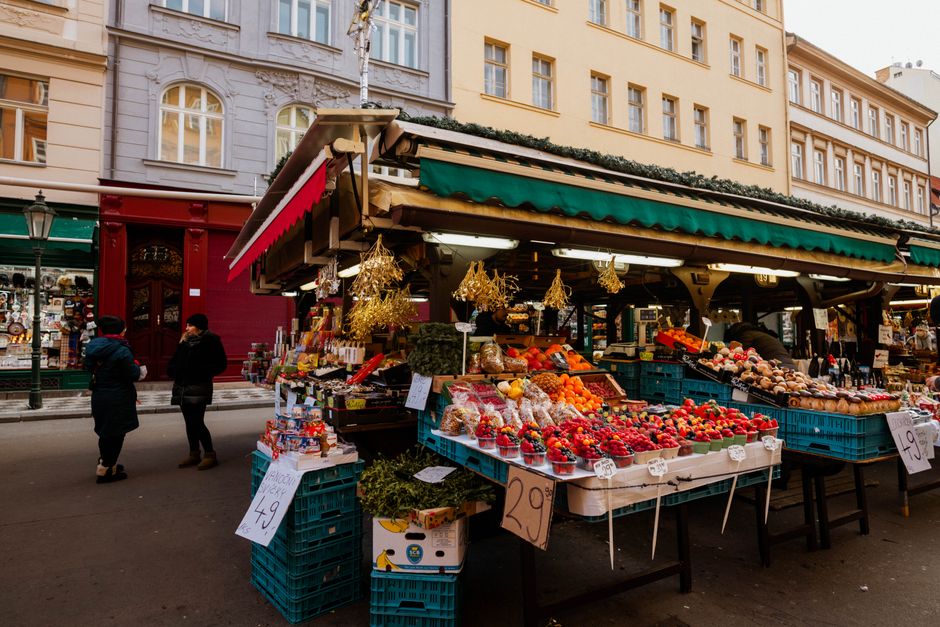
The allure of local markets over the delivery convenience isn’t just sentimental; it’s profoundly practical. When you commit to local market meal planning, you’re not just shopping; you’re making an investment in fresher ingredients, better nutrition, and often significant cost savings that delivery simply can’t match.
Fresher, Higher Quality Ingredients
Food at a farmers market or a dedicated fresh produce stall has typically traveled far less distance than supermarket or restaurant ingredients. This means longer shelf life once it’s in your fridge and superior flavor. Think about the difference between a grocery store tomato and one picked fresh from a local farm. The vibrant colors and solid flavors improve even simple dishes, making healthy eating more enjoyable. In regions like Europe, with its strong tradition of marchés and village food stalls, or Latin America, where mercados are central to daily life, this freshness is a cornerstone of the culinary culture.
Significant Cost Savings
Delivery fees, service charges, and menu markups add up fast. A typical delivered meal can cost 2-3 times more than preparing the same dish at home. By focusing on seasonal produce available at local markets, you’re tapping into the most abundant and thus most affordable ingredients. For instance, buying zucchini in summer when it’s plentiful in North American farmers markets will be far cheaper than buying it out of season, and certainly cheaper than a pre-made delivered meal featuring it. This strategic shopping is a cornerstone of creating healthy budget meals.
Support Local Economies & Sustainable Choices
When you buy from a local market, your money often goes directly to the growers and producers in your community. This strengthens local economies and encourages more sustainable agricultural practices, reducing the carbon footprint associated with long-distance food transport. It’s a small but impactful way to vote with your wallet and foster community resilience, whether you’re at a weekly market in a European city or a bustling tianguis in Mexico.
Building Your Local Market Meal Planning System
Transitioning to a market-centric meal plan doesn’t have to be overwhelming. It’s about establishing a routine and being flexible. The key here is not rigid adherence but smart adaptation.
Digital Minimalism: How to Reduce Screen Fatigue Without Going Offline
Scouting Your Local Food Scene
Before you even plan a meal, you need to know your resources. Where are the farmers markets (or ferias in South America, mercados in Spanish-speaking regions) near you? What days do they operate? Do you have access to a good butcher, fishmonger, or specialty grocer for other staples? Online searches for ‘farmers markets near me’ or asking local residents are excellent starting points. For example, in many North American cities, you might find weekly markets in public squares. In a place like Lisbon, Portugal, the Mercado da Ribeira (Time Out Market) is a vibrant option, while smaller neighborhood markets offer more traditional experiences.
The Power of the Flexible Framework: Weekly Meal Planning
Instead of detailed recipes, think broadly. What proteins do you want this week? What main vegetables are in season? A flexible framework allows you to adapt to market availability. For instance, if you planned for broccoli but the market has beautiful, fresh asparagus, swap it! This agility is central to successful local market meal planning. A common mistake is planning a rigid menu, then finding your key ingredients aren’t available or are too expensive. Embrace the seasonal bounty.
- Day 1-2: Fresh, quickly perishable items (e.g., delicate greens, fresh fish)
- Day 3-4: Items that hold well (e.g., chicken, heartier vegetables like bell peppers, zucchini)
- Day 5-7: Pantry staples, frozen items, or ingredients for slow-cooker meals (e.g., lentils, root vegetables)
This approach naturally promotes healthy budget meals by prioritizing what’s fresh and accessible.
Smart Shopping Strategies: From List to Load
Go to the market with a general idea, not a fixed list. See what’s beautiful, what’s a good price, and then let that inspire your week’s meals. Engage with vendors – they often have great tips on preparation and storage. Always bring reusable bags, and if possible, a cooler bag for perishables, especially if you’re shopping in warmer climates like those found across much of South America.
Recipes & Prep: Making Local Ingredients Shine
Once you’ve got your haul, the next step is making it work for your busy schedule. This is where smart cooking and prep come into play, turning your fresh finds into delicious, healthy budget meals.
Batch Cooking & Component Prep
Dedicated some time on a weekend or a quieter evening to do some prep. This could mean:
- Washing and chopping all your vegetables for the week.
- Cooking a large batch of grains (quinoa, brown rice) or legumes (lentils, chickpeas).
- Roasting a tray of versatile vegetables (like sweet potatoes, broccoli, or bell peppers) that can be added to salads, wraps, or as a side dish.
- Pre-cooking proteins like chicken breast or hard-boiled eggs.
This ‘mise en place’ approach reduces cooking time during busy weekdays. For example, a large roasted chicken can become dinner on Monday, then shredded for tacos on Tuesday, and added to a salad on Wednesday.
Versatile Meal Ideas Inspired by the Mediterranean & Latin America
Think about cuisines that naturally lean on fresh produce and simple preparations. The Mediterranean diet, with its emphasis on fresh vegetables, olive oil, whole grains, and lean proteins, is a perfect fit. Dishes like a simple Greek salad, a hearty minestrone soup, or roasted fish with seasonal vegetables are quick, nutritious, and flavorful.
Host Friends in a Small Apartment: A Realistic Checklist for Remote Workers
Similarly, Latin American cuisine offers a wealth of inspiration. Think about incorporating black beans, corn, fresh salsas (pico de gallo), and plantains. A simple weeknight meal could be pan-seared fish with a fresh mango salsa and a side of rice and beans. These are all inherently healthy budget meals when you’re sourcing ingredients from your local mercado.
Minimizing Waste & Maximizing Flavor
One of the beauties of local market meal planning is that you often buy exactly what you need, reducing food waste. But sometimes, you’ll have odds and ends. Don’t let them go to waste! Vegetable scraps can make excellent broth. Overripe fruits can become smoothies or compotes. Herbs that are starting to wilt can be blended into pesto or infused oils. This mindful approach extends your market investment.
FAQ: Your Questions About Local Market Meal Planning Answered
How can you meal plan without relying on food delivery?
To meal plan without relying on food delivery, focus on weekly trips to local markets or farmers markets. Base your meal ideas on seasonal produce, which is often fresher and more affordable. Dedicate time for bulk cooking or ingredient prep, like chopping vegetables and cooking grains, to assemble quick meals during the week, making home cooking a simple, appealing alternative.
What are the benefits of market shopping for meal planning?
Market shopping offers numerous benefits for meal planning, including access to fresher, higher-quality ingredients with a longer shelf life. It significantly reduces food costs compared to delivery and often supports local farmers and sustainable practices. The seasonal variety encourages diverse, healthy eating, making your meal planning more dynamic and cost-effective.
How do I find local markets in my area?
You can find local markets by searching online for ‘farmers markets near me,’ ‘mercados,’ or ‘ferias’ depending on your region. Many cities and towns also have dedicated websites or social media groups that list market locations and operating hours. Asking locals or checking community bulletin boards are also excellent ways to discover hidden gems.
Can I really save money by meal planning with local markets?
Absolutely. By purchasing ingredients directly from local markets, you often bypass several layers of distributors and retailers, leading to lower prices. Furthermore, focusing on seasonal produce means you’re buying items when they are most abundant and thus least expensive, allowing you to create healthy budget meals that are both nutritious and economical.
What if I don’t have much time for cooking during the week?
Even with limited time, local market meal planning is feasible. The trick is front-loading your prep. Dedicate an hour or two on your market day or the day after to wash and chop vegetables, cook grains, and prepare proteins. This way, during the week, you’re mostly assembling pre-prepped components, drastically cutting down active cooking time.
How can local markets help me eat healthier?
Local markets naturally encourage healthier eating by providing an abundance of fresh, unprocessed fruits and vegetables. This direct access to seasonal produce makes it easier to incorporate more plant-based foods into your diet. Furthermore, knowing where your food comes from often leads to more mindful eating habits, aligning well with principles like the Mediterranean diet.
Embrace the Market, Reclaim Your Kitchen
Steering away from the siren song of food delivery and toward the vibrant world of local markets is more than just a culinary shift; it’s a lifestyle upgrade. It empowers you to eat better, spend smarter, and feel more connected to the food that nourishes you. For busy households and young professionals across Europe, North America, and South America, mastering local market meal planning is a practical skill that pays dividends far beyond the dinner table. It’s about building sustainable habits that benefit your health, your wallet, and your community. Ready to explore more practical lifestyle guides? Read more practical lifestyle guides on Le Daily Post.