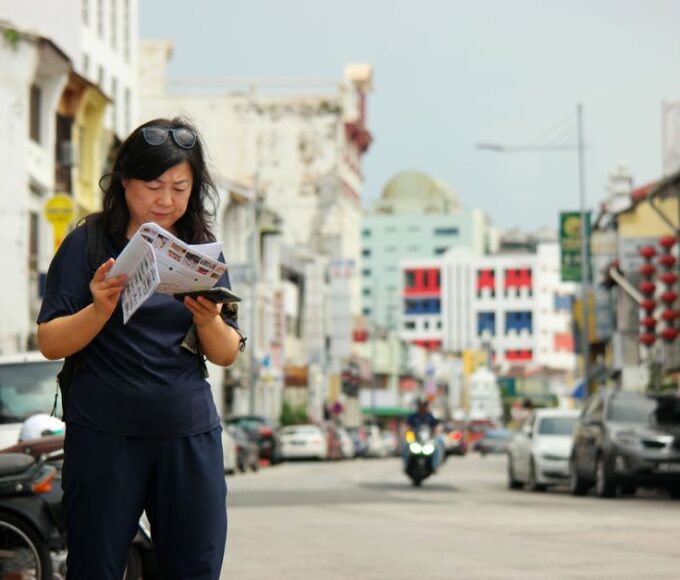

You’ve meticulously planned an adventure: a month-long solo trek through Europe, hopping from historical cities to coastal villages, or perhaps a whirlwind exploration of South American capitals. Your flight lands, you navigate immigration, grab your bag, and suddenly the reality of a new time zone, unfamiliar language, and the sheer logistics of getting to your accommodation hit. The excitement is palpable, but so is the exhaustion.
A common mistake is diving headfirst into a packed itinerary from day one. You arrive in Barcelona after an overnight flight, drop your bags, and immediately head to Sagrada Familia, followed by Park Güell, and then a bustling evening walk through Las Ramblas. By day three, you’re running on fumes, making decisions slower, and finding the vibrant energy of the city more overwhelming than invigorating. This is exactly where the concept of ‘recovery days into an ambitious trip’ becomes not just a nice-to-have, but a strategic imperative.
For solo travelers especially, who bear the full mental load of navigation, decision-making, and self-care, building in these deliberate pauses is the difference between an unforgettable journey and a regrettable grind. It’s about setting yourself up for success, ensuring sustained energy and enthusiasm throughout your entire adventure.
The Unseen Costs of Neglecting Early Trip Recovery
Ignoring the need for travel recovery days itinerary at the start of an ambitious trip often leads to a cascade of negative effects. Beyond the obvious physical fatigue, there’s mental exhaustion, a reduced capacity for problem-solving, and a diminished ability to truly appreciate the experiences you’ve worked so hard to create. You might miss subtle cultural nuances, make poor spending decisions, or even become more susceptible to minor illnesses, impacting your entire trip.
Think about a solo trip to New York City. The energy is electric, the possibilities endless. Without a recovery day, you might find yourself too tired to truly engage with a Broadway show, or too overwhelmed to fully appreciate the diverse neighborhoods from Brooklyn to the Upper West Side. The iconic yellow cabs and skyscraper views become a blur rather than distinct, cherished memories. Similarly, landing in Buenos Aires after a long haul from North America and immediately trying to master the Tango or explore every ‘barrio’ can be counterproductive. Your body is still on a different clock, and your mind is processing a wealth of new information. A strategic recovery day helps you transition gracefully, turning potential overwhelm into genuine discovery.
In practice, these initial recovery days aren’t about staying in your hotel room glued to a screen. They’re about gentle acclimatization. A slow morning with coffee and a local pastry, a stroll around the immediate neighborhood, maybe a quiet park visit – these are all ways to integrate yourself without demanding peak performance from a jet-lagged brain and body. It’s an investment in the quality of the rest of your trip.
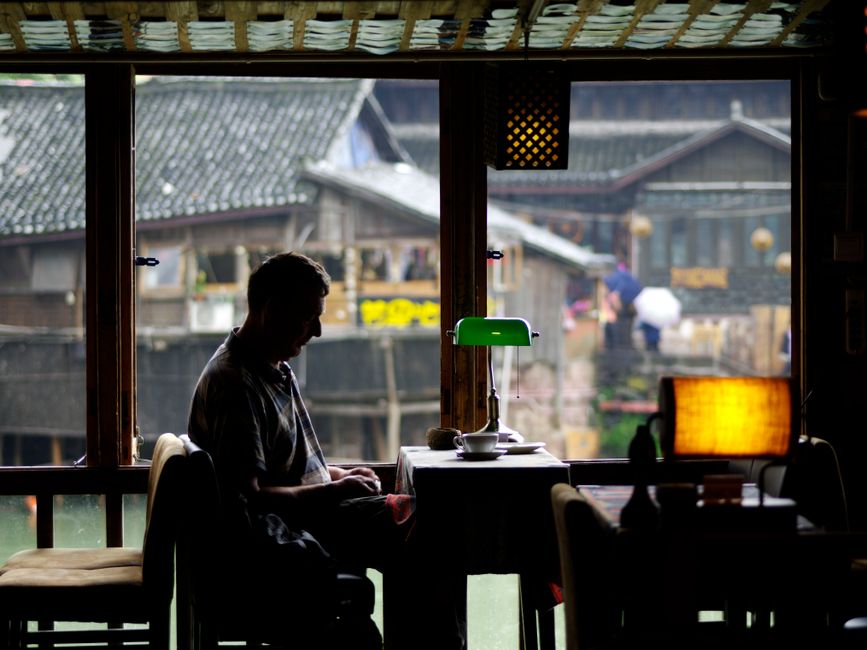
Caption: A solo traveler enjoys a quiet morning coffee, embracing a recovery day.
Crafting Your Ideal Travel Recovery Days Itinerary
Planning for recovery days isn’t just about blocking off a day; it’s about structuring that time effectively to recharge and prepare. Here’s how to build a realistic and beneficial setup for your ambitious solo trip:
1. Front-Load Your Recovery: The ‘Soft Landing’ Approach
Always schedule at least one, preferably two, dedicated recovery days immediately upon arrival, especially after a long-haul flight across multiple time zones. For instance, flying from North America to Europe (e.g., New York to Barcelona) involves a significant time change and often an overnight flight. Your first 24-48 hours should prioritize rest and gentle acclimatization. This means arriving, settling into your accommodation, and focusing on basic needs like hydration, a proper meal, and undisturbed sleep.
2. Keep it Local and Low-Key
During these initial recovery days, resist the urge to hit major landmarks or pre-booked tours. Instead, explore your immediate neighborhood on foot. Find a local cafe, a small park, or a market. This allows you to soak in the atmosphere, get a feel for your surroundings, and practice basic interactions (ordering food, asking directions) without the pressure of a ticking clock or a complex itinerary. In Barcelona, this might mean a leisurely wander through El Born or Gràcia, not a rush to the Gothic Quarter.
Best Shoulder Season Destinations in Europe and the Americas for Fewer Crowds
3. Prioritize Hydration and Nutrition
Jet lag and travel fatigue are exacerbated by dehydration and poor eating habits. Make a conscious effort to drink plenty of water and seek out fresh, healthy meals. Avoid excessive caffeine and alcohol, which can disrupt sleep patterns further. In Buenos Aires, while the steak and wine are tempting, balance them with fresh fruit and salads, especially during your initial recovery.
4. Embrace Flexible Sleep Schedules
Allow your body to adjust to the new time zone naturally. While it’s tempting to force yourself to stay awake until local bedtime, sometimes a short, restorative nap (20-30 minutes) can be more beneficial than pushing through extreme exhaustion. Set an alarm to prevent oversleeping and further disrupting your night cycle. Listen to your body’s cues.
5. Digital Detox (or Lite)
Minimize screen time, especially before bed. The blue light from phones and laptops can interfere with melatonin production, making it harder to sleep. Use these recovery days to disconnect slightly, letting your mind relax from constant information intake. This also helps you become more present in your new environment.
6. Light Physical Activity
A gentle walk, some stretching, or a yoga session can help combat stiffness from long flights and improve blood circulation. Avoid intense workouts, which can further tax an already tired body. A simple stroll through a local park in New York or along the waterfront in Barcelona can do wonders.
7. Plan for the Next Few Days, Not the Entire Trip
Use some of your recovery time for light planning, but only for the immediate future. Confirm your next day’s activities, check public transport options, or research a few dinner spots. Avoid overwhelming yourself with the entire multi-week itinerary. This provides a sense of control without adding undue stress.
Comparing Recovery Strategies: Solo vs. Group Travel
The approach to recovery days often differs significantly between solo and group travel. Understanding these nuances can help you tailor your strategy effectively, especially if you’re a solo traveler considering a group tour at some point.
| Aspect | Solo Travel Recovery | Group Travel Recovery |
|---|---|---|
| Flexibility | High: You dictate your entire schedule. Can change plans on a whim based on energy levels. | Low to Medium: Schedules are often pre-set. Recovery might mean opting out of group activities, which can feel isolating or like ‘missing out’. |
| Pacing | Fully customizable. Can spend hours in a museum or just read in a park. | Often dictated by the group’s slowest or fastest member, or tour operator. Pressure to keep up. |
| Responsibility | Solely yours for planning, decision-making, and self-care. Higher mental load initially. | Shared logistics, but less autonomy. Easier to follow, but less control over personal needs. |
| Social Aspect | Can feel lonely during recovery. Requires self-discipline to not over-schedule social engagements. | Built-in social interaction. Can feel pressured to socialize even when tired. |
| Cost Implications | Lost opportunity cost if pre-booked activities are missed. Accommodation cost is fixed. | May pay for activities you skip. Shared room costs could be fixed regardless of participation. |
For the solo traveler, the beauty of recovery days into an ambitious trip lies in complete autonomy. You can truly listen to your body and mind without external pressure. If you wake up feeling incredibly refreshed after a day in Barcelona, you can seize the day. If you’re still groggy in New York, you can opt for another low-key morning. This flexibility is a superpower.

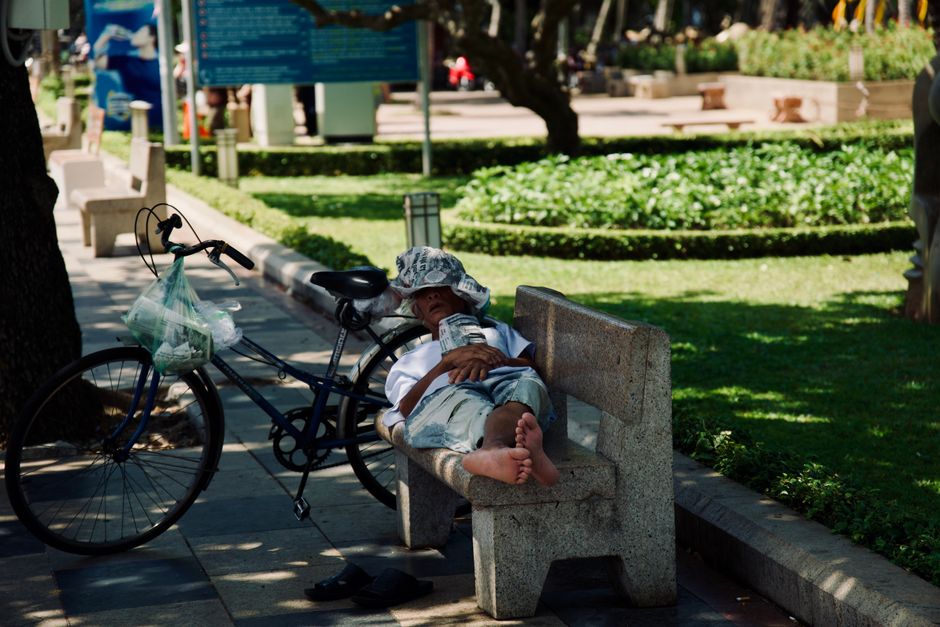
Caption: A quiet city park offers a serene spot for reflection and recovery.
Common Pitfalls to Avoid During Your Recovery Period
Even with the best intentions, it’s easy to stumble when trying to implement effective recovery days. Being aware of these common mistakes can help you sidestep them.
Escape to Comfort and Adventure with Bookabach Holiday Rentals
Firstly, don’t confuse a recovery day with a ‘do nothing’ day. While rest is paramount, complete idleness can sometimes exacerbate jet lag or make you feel even more sluggish. The goal is gentle activity and acclimatization, not complete stagnation. A leisurely walk, as mentioned, is far better than lying in bed all day staring at your phone.
Secondly, avoid over-planning your recovery day. The temptation to ‘make the most’ of every moment, even a recovery day, can lead to scheduling activities that are too demanding. Remember, this time is an investment in the rest of your trip. Don’t book a full-day museum visit or a long excursion; keep options flexible and easily adaptable.
A third pitfall is immediately succumbing to local nightlife or rich cuisine. While experiencing local culture is key, doing so intensely on your first night after a long flight can set you back significantly. Heavy meals, late nights, and excessive alcohol will disrupt your sleep cycle and worsen jet lag, essentially undoing your recovery efforts. Taste the local flavors, but do so in moderation, especially initially.
Lastly, don’t underestimate the mental load of solo travel. Even on a recovery day, you’re still responsible for all the small logistical details. Build in moments of genuine mental downtime – perhaps journaling, reading a book, or simply observing your surroundings without an agenda. For solo travelers in places like Buenos Aires, where the culture is vibrant and late-night, a structured, quiet recovery is even more essential to fully enjoy the city later.
FAQ: Your Questions About Travel Recovery Days Answered
What should readers know about travel recovery days itinerary?
Readers should understand that a travel recovery day itinerary isn’t a luxury, but a strategic necessity for solo travelers on ambitious trips. It involves deliberately slowing down upon arrival to allow your body and mind to adjust to new time zones and environments. This proactive approach prevents burnout, enhances enjoyment, and ensures you have the energy and mental clarity to fully engage with your adventure rather than just endure it.
How many recovery days are ideal for a long international trip?
For a long international trip, especially across multiple time zones (e.g., North America to Europe or South America), at least 1-2 full recovery days immediately upon arrival are ideal. For extremely ambitious itineraries or those with significant time differences, extending this to 3 days can be even more beneficial, allowing for a more gradual and complete adjustment before intensive sightseeing begins.
What activities are best for a travel recovery day?
Best activities for a travel recovery day include gentle exploration of your immediate neighborhood, finding a local cafe, visiting a quiet park, light stretching or walking, and focusing on healthy meals and hydration. The key is low-stress activities that allow for physical rest and mental decompression, without demanding significant energy or decision-making.
Can I combine a recovery day with some light sightseeing?
Yes, you can combine a recovery day with very light sightseeing, but choose carefully. For example, a leisurely walk to a specific viewpoint or a short visit to a local market can be fine, as long as it’s not time-pressured or physically demanding. Avoid major museums, complex tours, or anything that requires significant mental processing or navigation. The goal is gentle immersion, not ticking off major attractions.
How do recovery days benefit solo travelers specifically?
Recovery days are particularly beneficial for solo travelers because they bear the full mental and physical burden of their trip. Without a travel companion to share responsibilities or provide social support, the need for self-care and deliberate rest is amplified. Recovery days allow solo travelers to recharge independently, preventing decision fatigue and ensuring sustained enthusiasm for their self-planned adventures.
Is it worth ‘losing’ a day of my trip to recovery?
It’s not ‘losing’ a day; it’s an investment in the quality of all subsequent days. Skipping recovery often leads to suboptimal experiences – missed details, short tempers, exhaustion, and potentially illness – which can negatively impact many more days of your trip. A well-placed recovery day ensures you have the energy and presence of mind to truly savor every moment of your ambitious journey.
Ultimately, a successful ambitious solo trip isn’t just about how many places you visit, but how deeply you experience each one. Integrating recovery days into an ambitious trip, right from the start, is the smartest way to ensure you’re refreshed, engaged, and ready for whatever adventure comes next. Plan smarter trips with Le Daily Post.