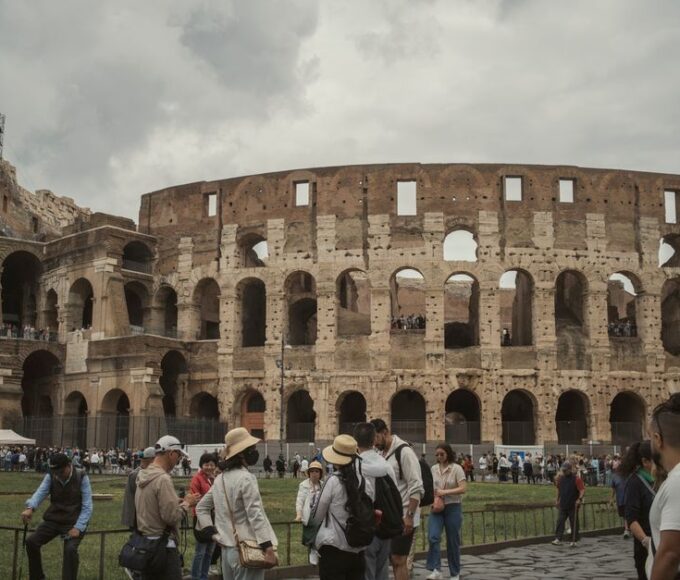

Shoulder season typically falls in the spring (April-May) and fall (September-October) in the Northern Hemisphere, and the reverse for the Southern Hemisphere. It’s the period between the peak summer and winter travel months when the weather is often still pleasant, but tourist numbers drop significantly. This allows for a more relaxed experience, easier access to attractions, and often better deals on flights and accommodation. Ideal shoulder season destinations include Portugal, Croatia, parts of Canada, Peru, Patagonia, and Mexico, offering diverse experiences from coastal relaxation to cultural exploration without the peak season crush.
There’s a persistent myth that the only way to experience the world’s most incredible places is by joining the throngs during peak summer or winter. We’ve all seen the pictures: Venice’s canals choked with gondolas, the Eiffel Tower swarming with selfie sticks, Machu Picchu trails backed up like rush hour traffic. It’s enough to make even the most enthusiastic traveler reconsider.
But what if you could have your cake and eat it too? What if you could visit these iconic locations, enjoy pleasant weather, and pay less for the privilege, all while avoiding the biggest crowds? This isn’t a fantasy; it’s the reality of embracing shoulder season travel.
As a seasoned traveler and editor, I’ve learned that timing is everything. Shifting your travel dates by just a few weeks can transform an overwhelming, expensive trip into a relaxed, memorable adventure. Let’s dig into how you can make the most of this often-overlooked travel window.
Understanding the Shoulder Season Advantage
Shoulder season is that sweet spot nestled between the high season and the low season. In practical terms, for much of Europe and North America, this generally means April-May and September-October. For destinations in the Southern Hemisphere like Peru or Patagonia, it would be the reverse: March-April and October-November. The precise timing can shift slightly depending on the specific microclimate of your chosen spot, but the core principle remains: you’re traveling when the destination is still vibrant, but the masses have either not yet arrived or have already departed.
The benefits are clear. You’ll often find better airfares and accommodation rates. Tour operators and local businesses, still keen for patronage but not overwhelmed, tend to offer more personalized service. Attractions are less crowded, allowing for a more intimate experience. Imagine strolling through a quiet ancient Roman forum instead of shuffling in a queue, or having a leisurely meal at a seaside taverna in Greece without having to book weeks in advance. It’s a genuine practical advantage for budget-aware travelers and families who want a quality experience without the peak-season price tag and frenzy.
Top Shoulder Season Destinations Across Europe and the Americas
Choosing the right shoulder season destinations requires a bit of research, but the rewards are substantial. Here are some of our top picks, designed to give you a fantastic experience with fewer crowds.
1. Portugal: Coastal Charms and Historic Cities (April-May, September-October)
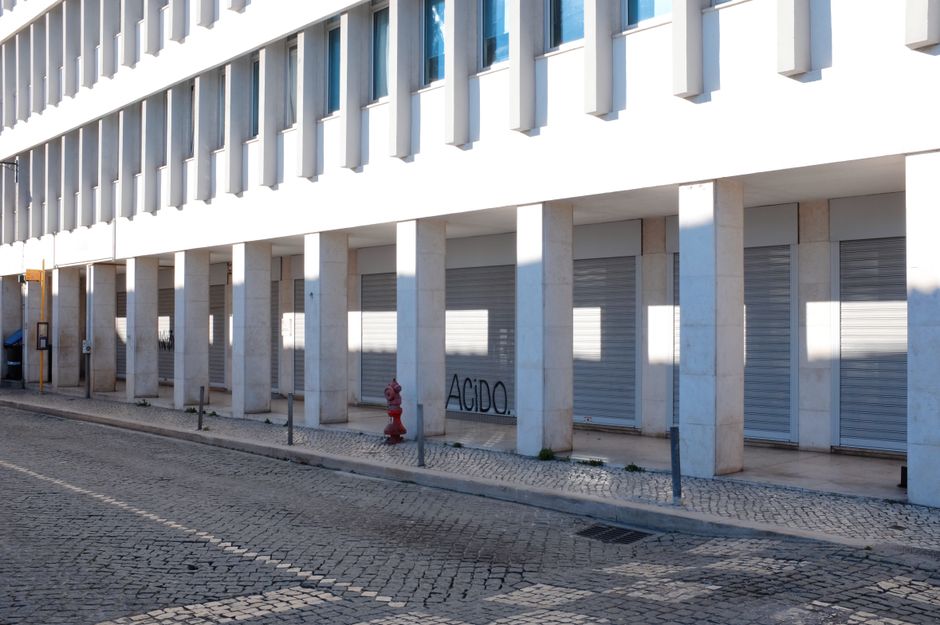
Portugal shines during its shoulder seasons. Lisbon and Porto offer comfortable temperatures for exploring historic neighborhoods, riding iconic trams, and enjoying delicious food and wine. The Algarve coast, while quieter, still boasts beautiful weather for beach walks and exploring charming towns like Lagos and Tavira. Prices for accommodation in boutique hotels and guesthouses are noticeably lower than in July and August. You’ll find it easier to get reservations at popular fado houses in Lisbon or enjoy a port tasting in Porto without the crush.
2. Croatia: Adriatic Beauty Without the Bustle (May, September)
Croatia in July and August is stunning but can be exceptionally crowded, especially in popular spots like Dubrovnik and Hvar. Visit in May or September, and you’ll find the weather warm enough for swimming in the crystal-clear Adriatic, but the island ferries are less packed, and the city walls of Dubrovnik are far more navigable. The national parks, like Plitvice Lakes, are breathtakingly beautiful with fewer visitors, allowing you to truly soak in the natural splendor. Many coastal restaurants are still open, offering fresh seafood without the premium prices.
3. Canada: Majestic Landscapes and Urban Explorations (May-June, September-October)
Canada’s vastness makes it a perfect shoulder season destination. The Rocky Mountains in Alberta (Banff, Jasper) are spectacular in late May/early June or late September. You’ll avoid the summer crush, and the changing fall foliage in September is simply magical. Prices for hotels and tour activities will be lower, and you’ll contend with fewer crowds on popular hiking trails. Similarly, cities like Vancouver, Toronto, and Montreal offer vibrant cultural scenes with pleasant weather during these periods, perfect for exploring without the intense heat or humidity of mid-summer.
4. Peru: Ancient Wonders and Andean Adventures (April-May, September-October)
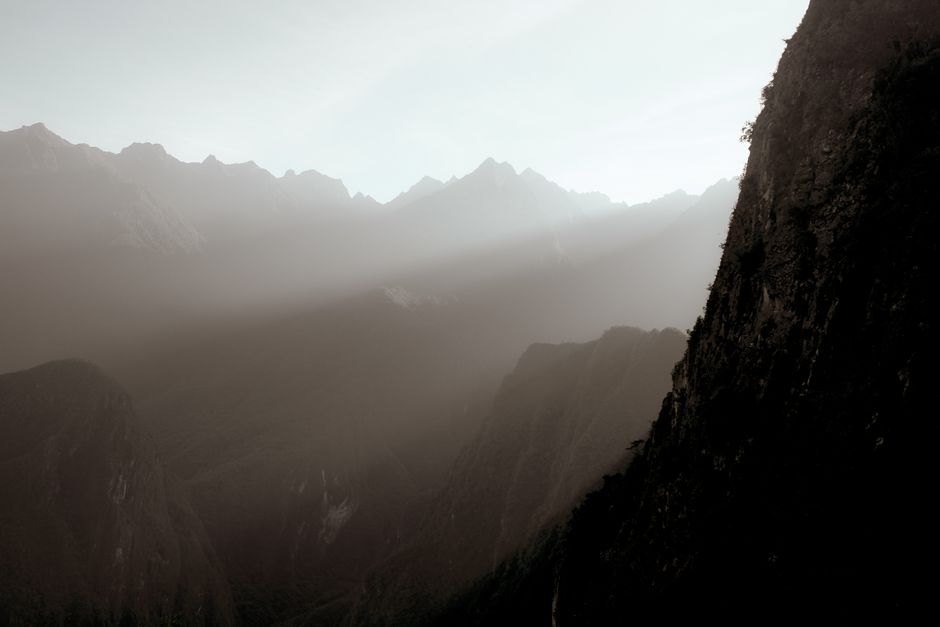
For those dreaming of Machu Picchu, the shoulder seasons in Peru offer a drier experience than the peak wet season (November-March) but with fewer trekkers than the height of dry season (June-August). April and May see lush green landscapes after the rains, and temperatures are mild. September and October are also excellent, with clear skies and comfortable trekking conditions. Flights and Inca Trail permits can be easier to secure and often at a better rate, making this an ideal time for a family adventure or a dedicated hiking trip.
5. Patagonia (Chile & Argentina): Rugged Beauty (October-November, March-April)
Patagonia, spanning Chile and Argentina, experiences its summer from December to February, which is peak season. For a truly special experience, aim for October-November (spring) or March-April (fall). In spring, you’ll witness wildflowers blooming, and the ice will be melting, creating dramatic landscapes. In fall, the Lenga forests turn brilliant reds and oranges. While the weather can be unpredictable year-round, these months offer fewer hikers on popular trails like those in Torres del Paine or El Chalten, and you’ll find better prices on accommodations and guided excursions.
6. Mexico: Cultural Richness Beyond the Beaches (Late April-May, Late September-November)
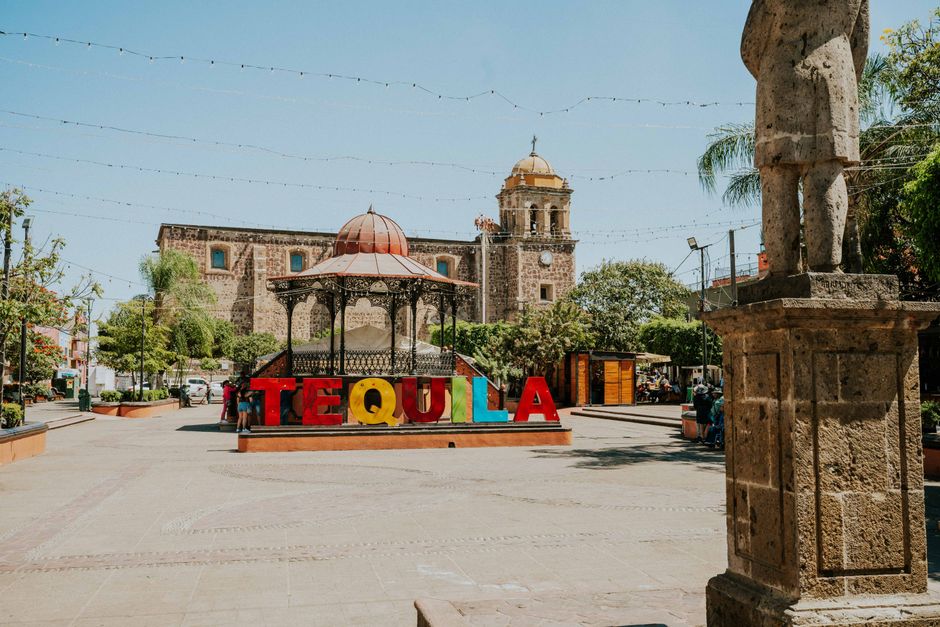
Beyond the packed spring break beaches, Mexico offers incredible cultural and historical experiences during shoulder season. Cities like Oaxaca and San Miguel de Allende are vibrant, with temperate weather perfect for exploring markets, museums, and colonial architecture. The end of May can get warm, but late April is lovely. In the fall, post-hurricane season (November is often perfect), you’ll find excellent value. Even coastal areas like Tulum or Playa del Carmen will see fewer crowds, allowing for a more serene beach experience or easier access to Mayan ruins like Chichen Itza and Coba without the suffocating heat and tourist numbers of high season.
Comparing Shoulder Season Opportunities
To help you visualize the best timing, here’s a quick comparison of various destinations and their optimal shoulder seasons for balancing weather and crowds.
| Destination | Ideal Shoulder Seasons | Key Benefits | Considerations |
|---|---|---|---|
| Portugal | April-May, Sep-Oct | Mild weather, fewer crowds in Lisbon/Porto, good for coastal exploration | Easter/local holidays can increase prices in April |
| Croatia | May, September | Warm enough for swimming, less crowded islands, good ferry access | Some smaller businesses might be closed in early May/late Sep |
| Canada (Rockies) | Late May-June, Late Sep-Oct | Stunning scenery, hiking without peak crowds, fall foliage | Early season snow still possible in mountains; some higher trails closed |
| Peru | April-May, Sep-Oct | Drier than wet season, lush landscapes, comfortable trekking | Need to book Inca Trail permits well in advance, even in shoulder season |
| Patagonia | Oct-Nov, March-April | Wildflowers (spring), fall colors, fewer hikers | Weather is always unpredictable; some remote services may have reduced hours |
| Mexico (Central/South) | Late Apr-May, Late Sep-Nov | Pleasant city exploration, good beach deals, cultural festivals | May can be hot in some regions; hurricane season risk (late summer/early fall) |
Common Mistakes to Avoid When Planning Shoulder Season Travel
While shoulder season offers fantastic advantages, it’s not without its nuances. A common mistake is assuming that ‘fewer crowds’ means ‘no crowds’ or ‘everything is open’. Research is key.
Firstly, don’t confuse shoulder season with off-season or deep winter/summer. While prices may drop further in the true off-season, many attractions, restaurants, and transportation options might be closed or operate on significantly reduced schedules. Always check opening hours and availability for specific sites and tours, especially in smaller towns or islands.
Escape to Comfort and Adventure with Bookabach Holiday Rentals
Secondly, weather can be more variable. In May or September, you might get glorious sunshine, but you could also encounter cooler temperatures, rain, or even an early/late season storm. Pack layers! Be prepared for anything from a warm afternoon to a chilly evening. This is particularly true for destinations like Patagonia or the Canadian Rockies, where mountain weather can shift rapidly.
Another pitfall is assuming that popular holidays disappear during shoulder season. Easter in Europe, for instance, often falls in April and can temporarily create peak season-like crowds and prices, particularly in religious destinations or major cities. Always cross-reference your chosen dates with local public holidays and school breaks to avoid unexpected surges in visitor numbers and costs.
Finally, while last-minute deals can sometimes be found, don’t rely on them for flights and popular accommodations. Especially for international travel or sought-after destinations, booking a few months in advance for shoulder season still provides the best balance of price and availability. This is particularly true for things like unique stays or specific tour bookings (e.g., the Inca Trail).
Frequently Asked Questions About Shoulder Season Travel
What exactly is shoulder season and where should you travel?
Shoulder season refers to the periods just before and after the peak travel season in a given destination. In the Northern Hemisphere, this is typically April-May and September-October. Ideal shoulder season destinations include Portugal, Croatia, parts of Canada (like the Rockies), Peru, Patagonia (Chile/Argentina), and various regions of Mexico, offering good weather and fewer crowds.
When are the best months to travel to Europe for fewer crowds?
For most of Europe, the best months to experience fewer crowds are April, May, September, and October. During these months, the weather is generally pleasant for sightseeing, and the major summer rush has not yet begun or has already ended, leading to a more relaxed atmosphere and often better prices.
Is off-season travel the same as shoulder season travel?
No, off-season travel is distinct from shoulder season travel. Off-season refers to the absolute lowest period of tourism (e.g., deep winter in a beach destination, or extreme summer heat in a desert). While prices are lowest, many attractions, hotels, and restaurants may be closed, and the weather can be unfavorable. Shoulder season offers a balance of good weather, open attractions, and reduced crowds/prices.
What are the benefits of traveling during shoulder season?
Traveling during shoulder season offers several key benefits: significantly fewer crowds at popular attractions, generally lower prices for flights and accommodation, more personalized service from local businesses, and often pleasant weather that avoids the extremes of peak summer heat or winter cold. It allows for a more authentic and relaxed travel experience.
Are flights cheaper during shoulder season?
Yes, flights are generally cheaper during shoulder season compared to peak travel times. With less demand, airlines often lower fares to fill seats. This applies to both international and domestic routes. However, prices can still fluctuate, so booking a few months in advance is usually the best strategy to secure good deals, even during shoulder season.
Embracing shoulder season travel isn’t just about saving money; it’s about gaining a richer, more authentic experience. It’s about seeing the world at a more human pace, connecting with destinations rather than just passing through them. So, ditch the peak-season rush and plan smarter trips with Le Daily Post.