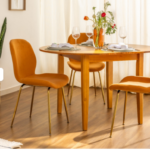

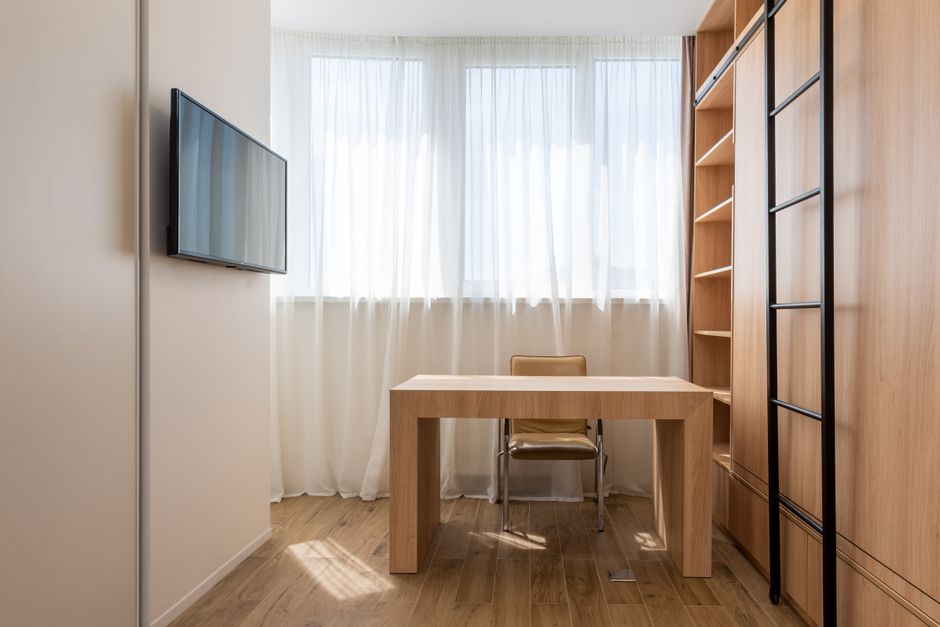
Creating a practical home office setup for small rooms hinges on smart space utilization, multi-functional furniture, and thoughtful organization. The goal is to establish a dedicated, ergonomic workspace without overwhelming the living area. This often involves vertically oriented storage, collapsible desks, and strategic lighting, ensuring productivity and comfort even in the tightest corners. For anyone frequently relocating or living in urban centers like New York, Madrid, or Lisbon, a well-planned small home office setup is essential for maintaining work-life balance and efficiency.
When you’re constantly on the move, whether it’s from a sprawling house in North America to a charming, compact apartment in Europe, or navigating the dynamic rental markets of cities like New York, Madrid, or Lisbon, the idea of a dedicated workspace can feel like a luxury. Many of us have cobbled together makeshift offices on kitchen tables, ironing boards, or even the corner of a sofa. While these temporary fixes might get you through a few emails, they rarely foster long-term productivity or comfort.
The real trick isn’t about finding a cavernous room; it’s about making the most of every square foot you have. It’s about designing a practical home office setup for small rooms that feels intentional, supports your work, and doesn’t make your living space feel like a corporate annex. This guide is for the digital nomad who just landed in Barcelona, the expat working remotely from a studio in Berlin, or anyone in a compact urban dwelling across South America or North America needing a functional workspace without sacrificing their entire living area.
The Unique Challenges of Small Space Productivity
Small living spaces, while often charming and centrally located, present distinct challenges for remote work. Noise can be a significant factor in a studio apartment where your ‘office’ is just steps from your kitchen. The temptation to let work bleed into personal time is also much higher when there’s no clear physical separation. Furthermore, clutter accumulates quickly, turning an otherwise efficient workspace into a source of stress. For those who frequently move, the practical home office setup for small rooms also needs to be adaptable, portable, and easily reconfigured.
Consider the typical European apartment in cities like Madrid or Lisbon: often older buildings with character, but smaller rooms and less built-in storage than one might find in newer North American constructions. This means furniture choices are critical – items need to earn their spot. In dense urban centers like New York, every inch comes at a premium, making ingenious solutions not just desirable, but necessary. Understanding these constraints is the first step toward crafting a truly effective workspace.
Crafting Your Ideal Small Home Office Setup
Building a functional home office in a limited area requires strategic thinking. It’s not just about cramming a desk into a corner; it’s about creating an ecosystem that supports focus and well-being.
1. Embrace Vertical Space with Shelving and Wall Mounts
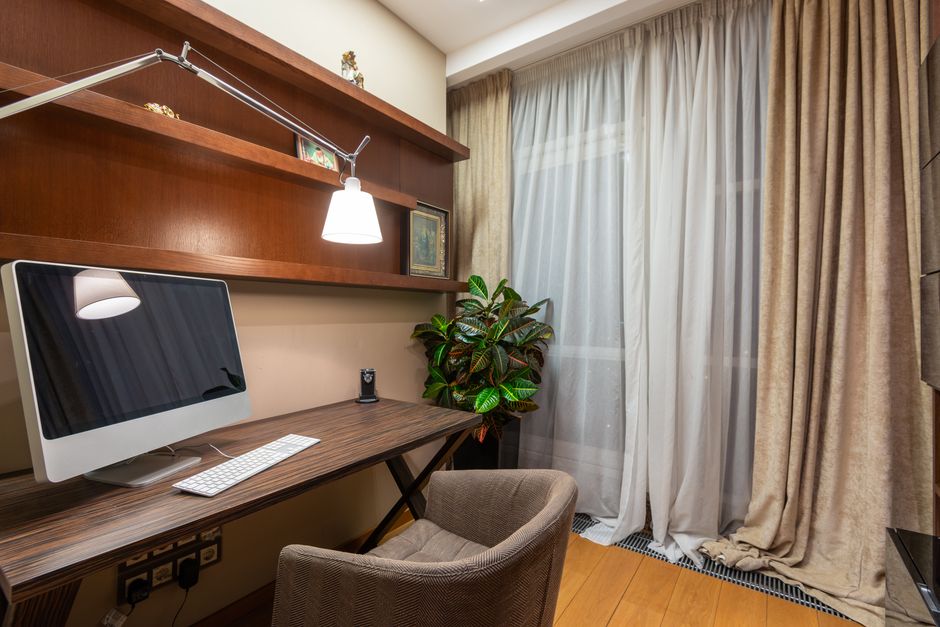
In a small room, horizontal real estate is precious. Look up! Floating shelves, wall-mounted monitors, and tall, narrow bookcases can hold books, files, and equipment without taking up valuable floor space. Brands like IKEA are excellent for modular shelving systems (e.g., KALLAX or BILLY) that adapt to various wall sizes. A monitor arm that clamps to your desk and suspends your screen frees up significant desk surface, a small but mighty win.
2. Invest in Multi-Functional Furniture
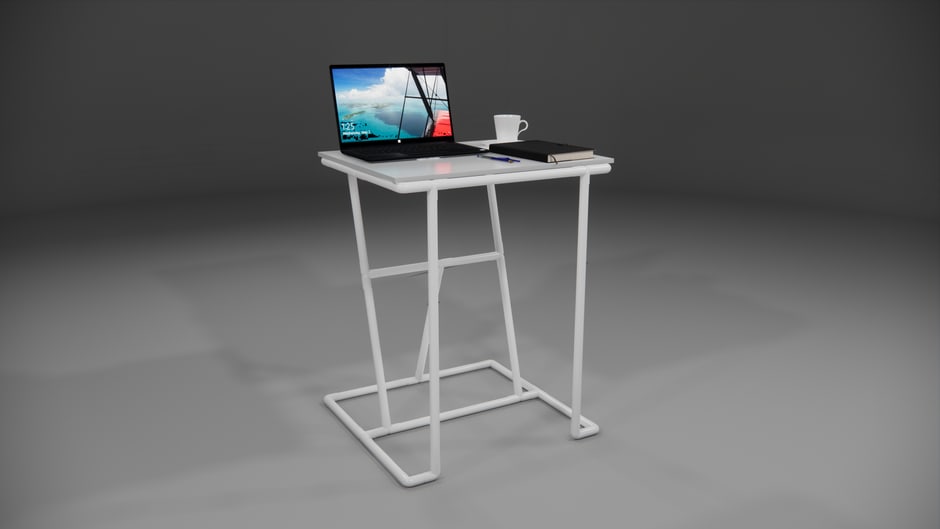
Every piece of furniture should ideally serve more than one purpose. A desk that folds away when not in use is a lifesaver. Think about brands like HOMIDEC or Tribesigns for compact, often collapsible desks available on Amazon or local European retailers. A storage ottoman can double as extra seating and hide office supplies. A console table behind a sofa can transform into a standing desk for short bursts of work. For expats, consider furniture from retailers like JYSK (popular in Europe) or similar local brands that offer flat-pack, easy-to-move solutions.
3. Prioritize Ergonomics, Even in a Tight Squeeze
Just because your space is small doesn’t mean your body should suffer. A comfortable, ergonomic chair is non-negotiable. Look for armless chairs or those with adjustable arms that can tuck neatly under your desk when not in use. Herman Miller or Steelcase are top-tier, but more budget-friendly options from brands like SIHOO or Secretlab offer excellent support. Adjust your monitor height so the top third of the screen is at eye level, and ensure your feet are flat on the floor or a footrest.
Smart Moves: Plan Errands Around Walkable Neighborhoods in Real Life
4. Smart Cable Management is Crucial
Nothing clutters a small space faster than a tangle of wires. Cable ties, cable sleeves, and under-desk cable management trays (like those from IKEA’s SIGNUM series) are inexpensive but incredibly effective. Wireless peripherals – mouse, keyboard, and even a wireless charger for your phone – reduce clutter immediately.
5. Leverage Lighting Strategically
Good lighting reduces eye strain and can make a small space feel larger and more inviting. Avoid relying solely on overhead lighting. Add a task lamp directly on your desk, ideally one with adjustable brightness and color temperature. Consider a thin LED light strip under a shelf to brighten your workspace without taking up valuable surface area.
6. Define Your Space with Visual Cues
Even without walls, you can delineate your office area. A small rug under your desk, a contrasting wall color (if you’re allowed to paint), or even a strategically placed plant can signal a boundary between work and leisure. This psychological separation is incredibly powerful for maintaining focus and achieving work-life balance.
7. Think About Portability for Frequent Moves
If you’re an expat or frequent mover between continents like Europe, North America, and South America, the ability to pack up your office essentials easily is key. Opt for lightweight monitors, a laptop stand that collapses flat, and small, solid peripherals. Cloud storage for documents means less physical clutter.
Comparing Compact Desk Solutions
Choosing the right desk is fundamental to a practical home office setup for small rooms. Here’s a quick comparison of common types suitable for limited spaces:
| Desk Type | Pros | Cons | Best For |
|---|---|---|---|
| Wall-Mounted/Floating Desk | Zero floor footprint, clean aesthetic, can be custom-height | Permanent installation, less flexible placement, limited weight capacity | Minimalists, truly tiny rooms, permanent residents |
| Fold-Away/Convertible Desk | Disappears when not in use, highly versatile, often portable | Might feel less sturdy, requires set-up/tear-down, limited surface area | Multi-purpose rooms, frequent movers, occasional remote work |
| Corner Desk | Maximizes often-unused corner space, good surface area, can feel tucked away | Requires a specific corner, can be awkward to fit, can feel isolated | Dedicated corner space, those needing more desktop for monitors/peripherals |
| Narrow Console/Sofa Table Desk | Blends into living room, can double as entryway table, often sleek | Very limited depth/surface area, not ideal for multiple monitors, often shallow | Laptop users, light work, blending into living spaces |
Common Mistakes to Avoid in Your Small Home Office Setup
Navigating a small space can be tricky, and some common pitfalls can turn your efficient setup into a frustration. Understanding these can save you time, money, and sanity.
A common mistake is over-accessorizing your desk. While a few personal touches are nice, a small desk quickly becomes overwhelmed with knick-knacks, leaving no room for actual work. Keep surfaces as clear as possible, opting for items that are both functional and aesthetic, like a minimalist desk lamp or a small potted plant.
Another pitfall is neglecting proper storage. Even with a small desk, documents, cables, and stationery accumulate. Without designated homes, these items will spill onto your workspace, creating visual clutter. Use drawer organizers, magazine files for papers, and small baskets to contain smaller items. Think about where every single item belongs before it enters your workspace.
Practical Self-Care That Does Not Require a Perfect Schedule
Trying to fit too much technology into too little space is also a frequent misstep. While you might want dual monitors, a printer, and a large speaker system, a small home office setup for small rooms often demands compromise. Prioritize essential equipment and consider cloud-based solutions or multi-functional devices (e.g., an all-in-one printer if absolutely necessary). Ask yourself if you truly need a dedicated printer if you’re only printing documents once a month.
Finally, ignoring the impact of natural light and fresh air is a mistake. Positioning your desk near a window can boost your mood and provide natural light, reducing eye strain. Even in a compact apartment in New York or a tight space in South America, try to open a window regularly. If natural light is scarce, compensate with good artificial lighting, as discussed earlier.
Frequently Asked Questions About Small Home Office Setup
What’s the best way to make a small home office feel larger?
To make a small home office feel larger, utilize light colors on walls and furniture, incorporate mirrors to reflect light, and choose transparent or minimalist furniture (like an acrylic chair). Good lighting, both natural and artificial, is key. Keep clutter to an absolute minimum, and use vertical storage to free up floor space.
How can I achieve good ergonomics in a tiny workspace?
Achieving good ergonomics in a tiny workspace involves choosing an adjustable chair that fits your body and tucks under the desk. Use a monitor arm to position your screen correctly and consider a compact ergonomic keyboard and mouse. A footrest can also help maintain proper posture when your feet don’t reach the floor.
What are essential items for a small home office for an expat?
For an expat’s small home office, essential items include a compact, sturdy desk (possibly collapsible), an ergonomic chair, a reliable laptop or tablet, a noise-canceling headset, and universal power adapters. Cloud storage is crucial for documents, and a portable monitor can be a practical advantage for productivity.
Can I have a standing desk in a very small room?
Yes, you can have a standing desk in a very small room, but opt for compact models or standing desk converters that sit atop your existing desk. Some wall-mounted desks can also be installed at standing height. Consider a manual crank standing desk over an electric one to save on potential power cord clutter.
How do I manage distractions when my office is in my living space?
To manage distractions when your office is in your living space, use noise-canceling headphones, establish clear work-life boundaries (even if just a visual cue like turning your chair away from the living area), and communicate your work hours to housemates. Creating a distinct ‘power-down’ routine at the end of your workday also helps.
What are space-saving tech accessories for a compact office?
Space-saving tech accessories include a compact docking station, a wireless keyboard and mouse, a monitor arm, and a multi-port USB charger instead of multiple wall adapters. Consider a portable external hard drive rather than a bulky desktop unit, and cloud services for most of your storage needs.
Creating an efficient and comfortable practical home office setup for small rooms is entirely achievable, even if you’re living in a compact space in New York, a cozy flat in Madrid, or a charming studio in Lisbon. It’s about smart choices, thoughtful planning, and a commitment to making your space work for you, not against you. For more practical lifestyle guides, read more practical lifestyle guides on Le Daily Post.