
Moving to a new city, whether it’s the bustling streets of New York or a tranquil corner in Europe, often means adapting to a new space. For many expats and frequent movers, the bedroom can become an afterthought, a temporary landing pad rather than a sanctuary. Yet, the quality of your rest directly impacts your ability to thrive in a new environment, to tackle a demanding job in Berlin, or simply to enjoy the cultural richness of Madrid.
Think about the last time you truly woke up feeling refreshed, not just awake. Chances are, that feeling wasn’t a fluke. It was likely influenced by your immediate surroundings, by a bedroom that actively supported rest rather than merely housing a bed. We often overthink design, assuming it requires a complete overhaul or a substantial budget, when in reality, the most impactful changes are often the simplest.
The goal isn’t to create a showroom, but a personal haven. It’s about practical adjustments that make a tangible difference in how quickly you fall asleep, how deeply you stay asleep, and how you feel when you greet the morning. Let’s explore how to achieve this without adding more stress to your already busy life.
Understanding the Psychology of a Restful Retreat
Before diving into specific recommendations, it’s helpful to understand why certain design elements contribute to a calm bedroom for better rest. Our brains are constantly processing stimuli, even when we’re trying to unwind. A cluttered space, harsh lighting, or an uncomfortable bed sends subconscious signals of disarray or discomfort, making it harder to switch off.
Conversely, a space that feels ordered, soft, and secure signals safety and tranquility. This isn’t just about aesthetics; it’s about neurobiology. Colors, textures, lighting, and even the scent of a room can influence our parasympathetic nervous system, responsible for ‘rest and digest’ functions. For someone living between continents, from South America to North America, establishing this psychological anchor can be incredibly grounding. It’s about crafting an environment where your mind feels permitted to relax, rather than remaining on high alert. This awareness is foundational to making informed choices that genuinely support your sleep health, regardless of your current address.

Practical Steps to Design a Calm Bedroom for Better Rest
Achieving a serene sleep space doesn’t require a design degree or an unlimited budget. Here are actionable tips to help you design a calm bedroom for better rest:
1. Embrace the Power of Neutral Colors
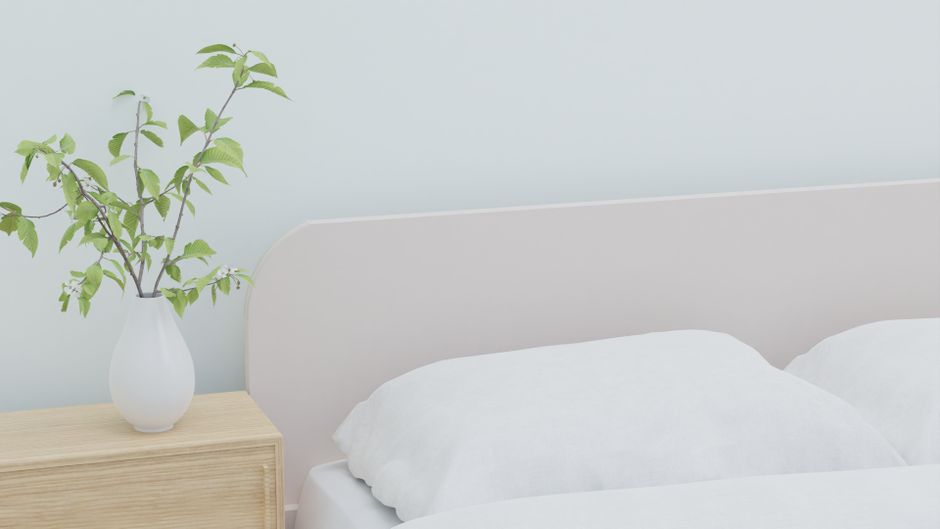
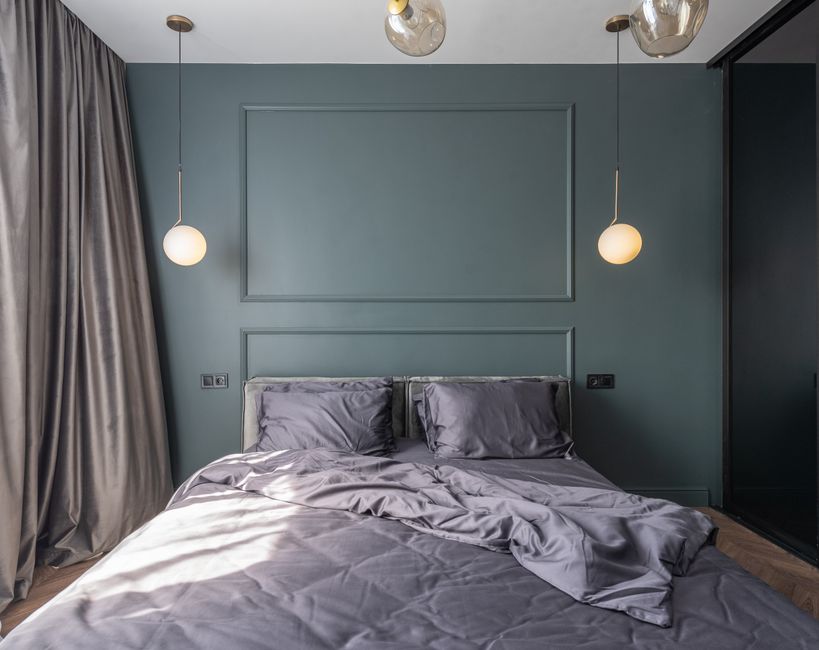
Forget vibrant reds or aggressive patterns for your bedroom walls. Think soft, muted tones. Gentle blues, calming greens, warm grays, or creamy off-whites are your allies. These colors are known to promote relaxation and reduce visual stimulation. For a rental in New York, where painting might not be an option, focus on bedding, curtains, and artwork in these soothing palettes. A subtle beige duvet cover or a set of pale grey sheets can transform the feel of the room more than you might imagine.
2. Declutter Ruthlessly, Maintain Mindfully
This is perhaps the single most impactful step. Visual clutter equals mental clutter. Your bedroom should not be an extension of your office or a dumping ground for laundry. Keep surfaces clear. A common mistake is to let nightstands accumulate books, gadgets, and miscellaneous items. Designate a specific spot for essentials like a water glass, a book, and an alarm clock, and put everything else away. Regularly clear out anything that doesn’t belong. For expats, this often means being intentional about what you bring into your smaller Berlin apartment or your spacious house in Europe – only keep what truly serves you.
Smart Moves: Plan Errands Around Walkable Neighborhoods in Real Life
3. Prioritize Quality Bedding and a Supportive Mattress
Your bed is the centerpiece of your calm bedroom for better rest. Invest in the best mattress you can afford; it’s an investment in your health. Beyond that, consider your sheets, pillows, and duvet. Natural fibers like cotton or linen are breathable and regulate temperature better than synthetics. Look for a thread count that feels soft, not scratchy. Pillows should support your neck and head comfortably. Don’t underestimate the cumulative effect of a great mattress paired with soft, inviting bedding – it signals comfort and luxury, even if you’re living modestly.
4. Master Light and Sound Control
To truly rest, your room needs to be dark and quiet. Blackout curtains are non-negotiable for blocking out streetlights in a busy city like Madrid or the early morning sun. Consider a white noise machine or a quiet fan if external noise is an issue. Even small light sources, like indicator lights on electronics, can disrupt melatonin production. Cover them or remove them. The goal is an environment where light and sound are under your control, not the other way around.
5. Introduce Soft Textures and Natural Elements
Tactile comfort is powerful. Add a plush rug beside your bed for a soft landing in the morning. Layer your bedding with a cozy throw blanket. Incorporate natural elements like a small, easy-to-care-for plant (snake plant, ZZ plant, or peace lily are great options) or a simple wooden picture frame. These elements bring a sense of organic calm and warmth, counteracting any starkness. For those living in compact spaces, even a small pot of lavender can make a difference.
6. Mindful Lighting Choices
Overhead lights can be harsh. Opt for bedside lamps with warm, diffused light. Dimmers are excellent for creating a gradual transition from wakefulness to sleep. Avoid blue-light-emitting screens (phones, tablets, laptops) for at least an hour before bed. If you must use them, consider blue-light-filtering glasses. The shift from bright, stimulating light to soft, amber tones signals to your brain that it’s time to wind down.
Comparing Approaches to a Calm Bedroom
| Approach | Pros | Cons | Best For |
|---|---|---|---|
| Minimalist Zen | Extremely uncluttered, promotes clear mind, often budget-friendly (less to buy). | Can feel sterile if not balanced with textures, requires strict maintenance. | Those who thrive on extreme simplicity and clean lines; small apartments. |
| Cozy Comfort | Warm, inviting, focuses on soft textures and layered bedding, very relaxing. | Can lean towards clutter if not managed, may require more textiles. | Individuals seeking a deeply nurturing and enveloping sleep space. |
| Natural & Earthy | Connects with nature, uses organic materials, promotes grounding and tranquility. | Can be limited by availability of specific items, some materials are delicate. | Eco-conscious individuals, those who find peace in natural aesthetics. |
| Personalized Sanctuary | Incorporates meaningful items and unique character, deeply personal. | Risk of clutter if not curated carefully, can be harder to achieve ‘calm’ with too many personal items. | Anyone wanting to infuse their space with personality while maintaining peace. |
Common Mistakes to Avoid When Designing for Rest
While the path to a calm bedroom for better rest seems straightforward, there are a few common pitfalls that can undermine your efforts. Being aware of these can save you time and frustration.
First, overstuffing the room with furniture. Just because a piece fits doesn’t mean it belongs. A room that’s too crowded feels visually heavy and restricts movement, making it feel less like a haven and more like a storage unit. For a smaller apartment in Berlin or a temporary setup in South America, prioritizing essential pieces like a bed, nightstand, and perhaps a small dresser is crucial. Resist the urge to add an armchair if it compromises floor space or creates a sense of squeeze.
Another frequent error is neglecting window treatments. Relying solely on thin blinds or sheer curtains lets in too much light and often offers little sound insulation. As mentioned, proper blackout curtains are vital, especially if you’re dealing with city lights or unfamiliar morning sun patterns. They also add a layer of privacy, which is particularly important for those in ground-floor apartments or densely populated areas.
Digital Minimalism: How to Reduce Screen Fatigue Without Going Offline
Bringing work into the bedroom is a habit many struggle with. Your bed should be associated only with sleep and intimacy, not emails or spreadsheets. If you must have a workspace in your bedroom due to limited space, try to create a clear visual separation—even a foldable screen or a strategic placement of furniture can help define boundaries and prevent work stress from spilling over into your sleep space.
Finally, ignoring temperature control. A room that’s too hot or too cold significantly disrupts sleep. Invest in a good fan if you’re in a warm climate without air conditioning, or use breathable bedding that helps regulate your body temperature. Conversely, for colder regions, ensure adequate insulation and warm bedding without overheating the room. The ideal sleep temperature is typically between 18-20°C (65-68°F).
FAQ: Designing a Calm Bedroom for Better Rest
What are the best colors for a calm bedroom?
The best colors for a calm bedroom are soft, muted tones like pale blues, greens, warm grays, and off-whites. These colors promote relaxation and reduce visual stimulation, helping the mind to unwind. Avoid bright, aggressive colors that can heighten alertness.
How can I declutter my bedroom effectively?
To effectively declutter, start by removing everything that doesn’t belong in the bedroom. Then, focus on clear surfaces, keeping only essential items like a lamp, a book, and a glass of water on your nightstand. Implement a ‘one in, one out’ rule for new items to maintain order.
Is it worth investing in expensive bedding for better sleep?
Investing in quality bedding, particularly a supportive mattress and breathable sheets (like cotton or linen), is highly recommended. While ‘expensive’ is relative, comfortable and durable bedding directly contributes to sleep quality by regulating temperature and providing physical comfort.
How can I control light and sound in a city apartment?
For light control, install blackout curtains or blinds that completely block external light. For sound, consider a white noise machine, earplugs, or even thick rugs and upholstered furniture to absorb ambient noise. Double-glazed windows, if an option, are also very effective.
Should I have plants in my bedroom?
Yes, certain plants can enhance a calm bedroom for better rest. Snake plants, peace lilies, and ZZ plants are low-maintenance options that can improve air quality and add a touch of nature, promoting a sense of tranquility. Just avoid heavily scented varieties that might disrupt sleep.
Designing a calm bedroom for better rest is a journey, not a destination. It involves mindful choices and regular adjustments to suit your evolving needs, especially for those navigating new locales from South America to Europe. By focusing on simplicity, comfort, and sensory management, you can create a personal sanctuary that truly supports your well-being. Read more practical lifestyle guides on Le Daily Post.