
Moving into a new place, especially as a remote worker constantly evaluating your living situation, often comes with a distinct challenge: how do you make it truly feel like home without starting from scratch? The instinct to hit up the nearest big box store for a complete decor overhaul is strong, but it’s rarely the most sustainable, budget-friendly, or even effective path to creating a space that genuinely reflects who you are. We’ve all been there, standing amidst a sea of moving boxes, staring at bare walls, and feeling the pressure to “decorate.”
But what if the key to a truly personal space isn’t about buying new, but about seeing what you already have with fresh eyes, and strategically filling the gaps? For those balancing a demanding work schedule with the desire for a soulful, unique living environment, especially in diverse urban centers like New York, Madrid, or Lisbon, the idea of cultivating a distinctive personal style for your home without buying everything new offers both a practical and fulfilling alternative. It’s about being deliberate, thoughtful, and ultimately, smarter with your setup.
The Smarter Setup: Your Blueprint for a Unique Home
Building a home that feels authentic and looks great doesn’t require an endless budget or an army of decorators. It requires intention. Here’s a quick overview of how to approach “The Smarter Setup”:
- Audit What You Own: Before buying anything, truly assess your current belongings.
- Define Your Aesthetic: Get clear on the look and feel you want to achieve.
- Embrace Secondhand & Vintage: Discover the unique charm and value of pre-loved items.
- Focus on Function & Flow: Arrange furniture for practicality and ease of movement.
- Layer Textures & Personal Touches: Add depth and individuality with soft furnishings and art.
- Smart Storage Solutions: Keep clutter at bay while adding to your home’s character.
- Patience is Key: A truly personal home evolves over time, not overnight.
Understanding Your Personal Home Style Budget
What should readers know about personal home style budget? It’s not about how much you spend, but how wisely you allocate. A personal home style budget isn’t just about saving money; it’s about investing in items that truly resonate with you and will last, rather than falling for fleeting trends. For most remote workers, especially those moving between cities like New York or Madrid, flexibility and value are paramount. This means prioritizing pieces that can adapt to different spaces and aesthetics. Think about the cost per use or the longevity of an item rather than just the initial price tag. Sometimes, a slightly higher investment in a durable, timeless piece from a local artisan in Europe might be more economical in the long run than repeatedly buying cheap, disposable items. For example, a quality wooden chest from a flea market in Lisbon could serve as a coffee table, extra seating, or storage for years, making it a better value than a flat-pack particle board alternative.
The Value of Secondhand and Repurposed Items
One of the foundational pillars of “The Smarter Setup” is embracing the world of secondhand and repurposed goods. Forget the dusty, dilapidated images; today’s vintage markets, online marketplaces, and charity shops are treasure troves. In New York, places like The Housing Works Thrift Shops offer everything from unique artwork to quality furniture, directly supporting a good cause. In Madrid, El Rastro flea market is a weekend institution where you can find antique lamps, ceramic tiles, or even ornate mirrors that tell a story. Across North America, platforms like Facebook Marketplace, Craigslist, and local buy-nothing groups are excellent for finding free or low-cost items that just need a new home.
The beauty of secondhand isn’t just the price; it’s the character. A vintage dresser from a small town in South America brings a history and charm that mass-produced items simply can’t replicate. With a bit of sanding, a fresh coat of paint, or new hardware, these pieces can be utterly transformed to fit your aesthetic perfectly. This approach drastically reduces your personal home style budget while adding depth and individuality to your space.
Defining Your Aesthetic: Beyond Pinterest Boards
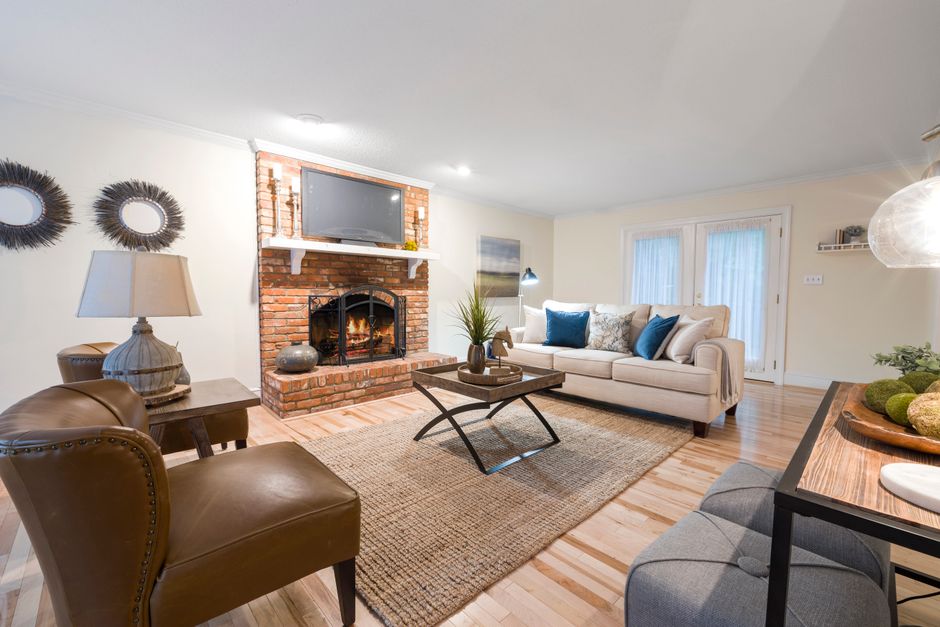
Before you even think about shopping, take some time to truly understand what “personal style” means to you. It’s more than just a collection of images from Pinterest. It’s about how you want to feel in your space. Do you crave calm and minimalist serenity, like a Scandinavian-inspired retreat you might find in Lisbon? Or a vibrant, eclectic energy reminiscent of a busy market in Rio de Janeiro? Perhaps a sophisticated, classic vibe that wouldn’t be out of place in a pre-war New York apartment?
How to Make Friends After Moving to a New Country
Practical Steps to Pinpoint Your Look
- Mood Boarding (Digital & Physical): Collect images of rooms, colors, textures, and even fashion that appeal to you. Look for common threads. Do you repeatedly save images with natural wood, bright pops of color, or industrial elements?
- Reflect on Your Life: What are your hobbies? Where do you travel? What makes you feel relaxed, energized, or creative? Your home should support these aspects of your life. A remote worker who loves to read might prioritize a cozy reading nook and ample bookshelf space, while someone who practices yoga needs open floor space and calming elements.
- Consider Your Existing Pieces: What do you already own that you love? Can these items be integrated into your desired aesthetic, or do they need to be rehomed? Sometimes that old armchair just needs a new slipcover to fit right in.
Strategic Curation: Less is Often More
Once you have a clearer vision, the next step is strategic curation. This involves a critical assessment of your current belongings and any new acquisitions. The goal isn’t to fill every corner, but to ensure every item in your home serves a purpose or brings you joy. This is particularly important for remote workers who might find themselves living in smaller spaces or needing flexible arrangements.
The Art of the Edit and Intelligent Placement
Start by decluttering mercilessly. If an item doesn’t add value or beauty, consider donating, selling, or repurposing it. Then, think about how your remaining items can be arranged to create distinct zones within your home. In a studio apartment in New York, a clever rug placement or a strategically placed bookshelf can delineate a sleeping area from a living area. In a larger space, say a suburban home in North America, you might create a dedicated work zone that feels separate from your relaxation space, even if it’s in the same room. Intelligent placement also involves playing with scale. A large mirror can make a small room feel expansive. A gallery wall of personal photos and art can turn a blank wall into a focal point.
Layering Textures and Personal Touches
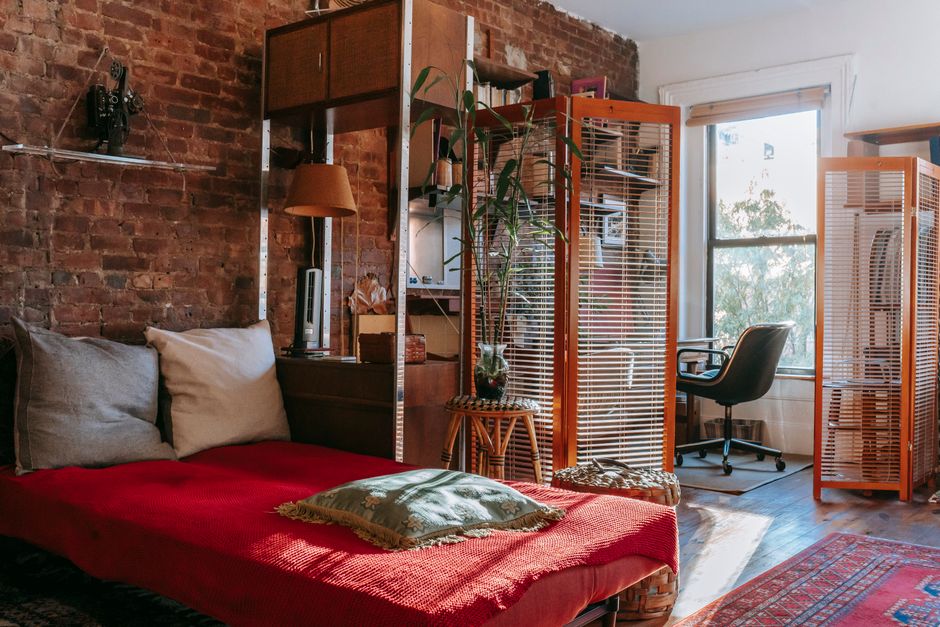
This is where your home truly starts to feel like yours. Once the larger furniture pieces are in place (many of which, ideally, are secondhand finds or existing items), it’s time to add the soft furnishings, art, and accessories that inject personality. This is often the most budget-friendly part of creating a personal style for your home without buying everything new, as many items can be DIY or inexpensive.
Injecting Your Personality Through Detail
- Textiles: Think throws, pillows, curtains, and rugs. These instantly add warmth, color, and texture. A vibrant Moroccan rug, perhaps sourced from a specialty store in Europe or online, can anchor an entire room. Plush velvet cushions on a thrifted sofa in your Madrid apartment can transform its look.
- Art & Photography: Frame personal photos, travel prints, or even your children’s artwork. Explore local artists, student exhibitions, or free online resources for unique prints. A single, impactful piece of art can be more powerful than a dozen small, generic prints.
- Lighting: Don’t underestimate the power of good lighting. A mix of ambient, task, and accent lighting creates mood and functionality. A vintage lamp with a unique shade, perhaps from a market in South America, can be a conversation starter.
- Greenery: Plants bring life and freshness into any space. Consider low-maintenance options if you travel frequently, a common occurrence for remote workers.
- Collected Curiosities: Display items from your travels, inherited heirlooms, or small collections. These are the details that tell your story and make your home uniquely personal.
Maximizing Space and Storage: The Remote Worker’s Friend
For remote workers, particularly those in bustling cities, space is often at a premium. Integrating smart storage solutions and making your furniture multitask is crucial for maintaining a clutter-free and aesthetically pleasing environment. This is a practical aspect of cultivating a personal style for your home without buying everything new.
Smart Storage for Dynamic Lifestyles
- Multipurpose Furniture: An ottoman with storage, a coffee table that lifts to reveal a workstation, or a bed with built-in drawers are invaluable. A vintage trunk can double as a coffee table and storage.
- Vertical Space: Use tall bookshelves, wall-mounted shelving, and vertical organizers to keep items off the floor. This is especially effective in smaller rental apartments in places like New York or Lisbon, where floor space is scarce.
- Hidden Storage: Baskets, decorative boxes, and under-bed containers keep unsightly items out of view while maintaining a clean aesthetic. Think about using a stylish old suitcase for extra blanket storage.
- Declutter Regularly: A “one in, one out” policy can help prevent accumulation. If you buy a new book, consider donating an old one. This discipline helps maintain your personal home style budget over time, as you won’t need to constantly buy more storage solutions.
FAQ: Your Smarter Setup Questions Answered
Here are some frequently asked questions about building a personal home style budget and making the most of your existing setup:
How can I make my rental apartment in New York feel more personal without major renovations?
Focus on non-permanent solutions: use removable wallpaper or command strips for art, invest in quality textiles like rugs and curtains, and bring in plants. Strategic lighting, unique secondhand furniture, and displaying personal collections can drastically transform a rental without violating lease agreements. These changes are easily reversible when you move.
Digital Minimalism: How to Reduce Screen Fatigue Without Going Offline
What are some budget-friendly ways to update an older home in Madrid?
In Madrid, consider updating light fixtures, which are often overlooked but make a big impact. Paint walls in fresh, light colors, or use vibrant Spanish-inspired textiles for throws and cushions. Explore local markets like El Rastro for unique tiles or decorative items that add character and history without a high cost.
How can I find good quality secondhand furniture in Lisbon or other European cities?
Look beyond traditional stores. In Lisbon, explore local flea markets like Feira da Ladra, browse online platforms such as OLX, and check out charity shops. Many smaller vintage stores or brocantes in Europe offer well-made, often antique, pieces that can be given a new lease on life with minor restoration.
Is it possible to create a cohesive look if all my furniture is from different sources?
Absolutely. Cohesion comes from repeating elements like a consistent color palette (e.g., using similar accent colors across different rooms), similar textures (e.g., natural wood, metal), or a unified style (e.g., all mid-century modern, or a blend of rustic and industrial). Strategic placement and thoughtful layering tie disparate pieces together.
What’s the most important thing to remember when trying to create a personal home style budget?
The most important thing is patience and intention. A truly personal home evolves over time as you find pieces that genuinely speak to you. Avoid impulse buys and prioritize quality over quantity. Focus on items that you love and that serve a purpose, rather than just filling space. This approach naturally saves money.
Key Takeaways for Your Smarter Setup
Building a personal style for your home without buying everything new is a journey of creativity, resourcefulness, and self-discovery. It’s about seeing the potential in what you already possess and making thoughtful additions that truly reflect your life and values. This approach not only saves money, contributing positively to your personal home style budget, but also fosters a deeper connection with your living space.
Remember, your home is a reflection of you. Whether you’re a digital nomad bouncing between continents or a settled remote worker in a beloved city, every piece, every arrangement, contributes to the narrative of your life. Embrace the hunt for secondhand treasures, unleash your inner DIY enthusiast, and let your space tell your unique story. The “Smarter Setup” isn’t just about saving money; it’s about crafting a home with soul.
For more practical lifestyle guides that help you live smarter, read more practical lifestyle guides on Le Daily Post.