


To effectively plan errands around walkable neighborhoods in real life, students and young workers should start by mapping out their regular needs and the proximity of services. This involves identifying key destinations like grocery stores, pharmacies, and banks that are within a comfortable walking distance of home or work. Grouping these tasks by location, rather than urgency, allows for a single, efficient outing. For instance, combine a trip to the local market with picking up dry cleaning if both are on the same street, minimizing travel time and making the most of your urban environment.
It’s a common scenario for many living in vibrant cities: your weekend arrives, and suddenly, what was supposed to be a relaxing break turns into a mad dash of errands. One minute you’re trying to grab groceries, the next you’re across town at the bank, then back again for that package you needed to pick up. This fragmented approach isn’t just time-consuming; it’s often more expensive when you factor in public transport fares or ride-share costs, not to mention the mental fatigue of constant travel.
For students balancing classes and part-time jobs, or young professionals navigating their first few years in a bustling metropolis, time is a precious commodity. Every hour spent traveling inefficiently is an hour lost from studying, socializing, or simply recharging. The good news is that living in an urban environment often provides a built-in solution: the walkable neighborhood.
Mastering the art of how to plan errands around walkable neighborhoods in real life isn’t just about convenience; it’s about reclaiming your time and making your city work for you. By thinking strategically about your weekly tasks, you can transform stressful chores into efficient, even enjoyable, parts of your routine.
Getting Started: A Quick Guide to Walkable Errand Planning
Before diving into the specifics, here’s a quick overview of what you should know about planning errands around walkable neighborhoods:
- Assess Your Current Habits: Understand where you currently go and why.
- Map Your Neighborhood: Identify essential services within a 15-20 minute walk.
- Group Tasks Logically: Combine errands that are geographically close.
- Embrace Off-Peak Hours: Go when fewer people are out to save time.
- Leverage Technology: Use apps for store hours, inventory, and payment.
- Consider Carrying Capacity: Plan for what you can realistically carry.
- Be Flexible: Sometimes a quick bus ride saves more time than a long walk.
- Reward Yourself: Acknowledge the benefits – more free time, less stress.
Mastering Your Local Landscape: Mapping and Grouping
The first step in making the most of your walkable neighborhood is truly knowing what’s available. Don’t assume you know everything; take a dedicated look. Open Google Maps, Apple Maps, or even a traditional paper map if you’re old school, and pinpoint your home or workplace. Now, draw a mental circle – or an actual one, if you’re keen – representing a 15-20 minute walking radius. This is your prime errand zone.
Identifying Key Destinations
What are your non-negotiables? For most, this includes a grocery store, a pharmacy (like Boots in the UK or CVS in the US), a bank or ATM, and perhaps a post office. In London, for example, many neighborhoods have a Tesco Express or Sainsbury’s Local within a few blocks, along with numerous Lloyds Bank or Barclays branches. In Sao Paulo, you might find a Pão de Açúcar or Carrefour Express, coupled with Banco do Brasil or Itaú branches. In Toronto, a Metro or Loblaws, and a Scotiabank or TD Canada Trust, are common.
The Art of Task Grouping
Once you’ve identified these spots, the magic happens in grouping. Instead of thinking, “I need to buy milk,” think, “I need to buy milk, pick up my dry cleaning from that spot two doors down from the grocery store, and then drop off a letter at the post box on the way back.” This isn’t just about proximity; it’s about flow. Can you create a natural loop? A common mistake is tackling tasks in the order they come to mind, rather than their geographical logic. For instance, if your bank, pharmacy, and a café are all on the same street, make one trip that hits all three.
Timing is Everything: Optimizing Your Walkable Routes
Walking might seem straightforward, but timing your errands can significantly impact your experience. Nobody enjoys battling rush hour crowds or waiting in long lines, especially when you’re on foot and carrying bags.
The Real Cost of Living Abroad: Europe vs. Canada vs. Latin America
Leveraging Off-Peak Hours
In practice, this means avoiding Saturday mornings for grocery shopping if you can, or skipping lunchtime visits to the bank. Early mornings (just after opening) or late evenings (an hour before closing) are often far less crowded. This applies whether you’re navigating the bustling streets of European cities, the vibrant energy of South American metropolises, or the structured grids of North American urban centers. A quiet Tuesday afternoon walk to the market in a London borough like Islington or a Saturday morning stroll through the residential areas of Toronto’s Annex neighborhood can be genuinely pleasant.
Route Efficiency Beyond the Obvious
Consider not just the shortest route, but the most pleasant or practical. Is there a park you can cut through? Is one street notoriously steep or crowded? While a straight line on a map might seem best, a slightly longer route that avoids a major intersection or offers a more scenic walk can sometimes be more efficient in terms of overall stress and enjoyment. Perhaps you pass a charming independent bookstore in Sao Paulo’s Vila Madalena district on your chosen path – a bonus for your mental well-being!
Technology as Your Ally: Smart Tools for Urban Living
Even the most dedicated pedestrian can benefit from a little digital assistance. Smart tools can make planning errands around walkable neighborhoods a breeze.
Essential Apps and Websites
- Mapping Apps: Google Maps, Apple Maps, or Citymapper (especially useful in major cities like London) provide real-time public transport information, walking directions, and estimated travel times. They can also show you store hours and contact details.
- Store-Specific Apps: Many grocery chains (like Walmart in North America or Continente in Portugal) have apps that allow you to check inventory, create shopping lists, and sometimes even pay ahead, streamlining your in-store experience.
- Banking Apps: Most major banks offer solid mobile apps for checking balances, transferring money, and even depositing cheques, reducing the need for physical visits to an ATM or branch.
- Local Business Directories: Websites like Yelp or TripAdvisor can help you discover smaller, independent businesses that might be closer than you think.
Practical Application
Before heading out, a quick check of an app can confirm that the specific item you need is in stock, or that the bank isn’t closing for a holiday you forgot about. This prevents wasted trips and keeps your walk productive. Imagine you’re in Toronto, and you need a specific type of coffee bean. A quick check on your Loblaws app can confirm if your closest location has it, saving you a wasted walk.

The Real-Life Logistics: Carrying Capacity and Contingency
One of the practical realities of walkable errands is what you can actually carry. You might be able to walk to the supermarket, but can you walk back with a week’s worth of groceries, a gallon of milk, and a bag of cat litter?
Planning for the Load
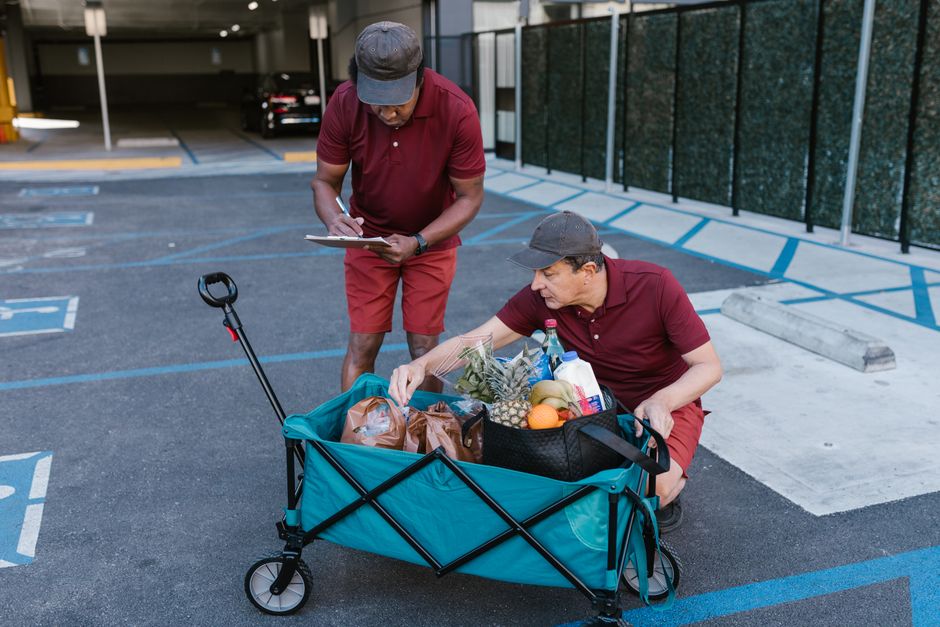
This is where strategic thinking really comes into play. If you live alone or with one other person, a weekly grocery shop might be manageable with a sturdy reusable bag or a small wheeled trolley. For larger households or bulkier items, consider splitting your shopping. Maybe you walk to get the fresh produce and daily essentials, and then take public transport or a short ride-share for the heavier, less frequent items. Alternatively, many stores now offer click-and-collect services, where you walk to the store, and they bring your pre-ordered items out – a perfect hybrid solution.
When to Flex Your Plan
Sometimes, a short bus or subway ride is simply more efficient than a long walk, especially if the weather is bad or you have a particularly heavy load. Don’t be a purist to your detriment. For example, if you live in the downtown core of Sao Paulo, and need to visit a specialist store on Paulista Avenue that’s just a bit too far for a comfortable walk with bags, a quick ride on the Metrô might be the sensible choice. The goal is efficiency and convenience, not just hitting a step count.
Beyond the Chore: The Lifestyle Benefits
Beyond saving time and money, integrating errands into your walking routine offers significant lifestyle benefits that students and young workers often overlook.
How to Build a Slower Morning Routine That Actually Works in Busy Cities
Physical and Mental Well-being
Regular walking is an excellent form of low-impact exercise. Those daily trips add up, contributing to your overall fitness without needing dedicated gym time. Furthermore, getting outside, even for short bursts, can improve mood and reduce stress. Instead of seeing errands as a burden, they become opportunities to get some fresh air and clear your head. Navigating the charming streets of a European city like Lisbon or the leafy avenues of a Toronto suburb on foot can be a truly calming experience.
Connecting with Your Community
Walking regularly through your neighborhood helps you discover local businesses you might have missed by car or public transport. You’ll become more familiar with your surroundings, perhaps discover a new coffee shop, or stumble upon a community event notice. This fosters a deeper connection to your local area, making your city feel more like home. You might even find yourself recognizing local shopkeepers, building small but meaningful community ties.
FAQ: Walkable Neighborhood Errands
What are the benefits of planning errands around walkable neighborhoods?
Planning errands around walkable neighborhoods saves time, reduces transportation costs (no gas, fares, or parking fees), and incorporates regular physical activity into your day. It also fosters a stronger connection to your local community and can lessen your environmental impact by reducing reliance on vehicles.
How can I find out what services are available in my walkable area?
Use online mapping tools like Google Maps or Apple Maps to search for specific services (e.g., “grocery store near me,” “pharmacy”) within a 15-20 minute walking radius of your home. You can also simply walk around and observe local businesses, which often reveals hidden gems.
What should I do if a crucial errand destination isn’t walkable?
If a crucial destination is outside your walkable radius, consider combining that trip with public transport or a ride-share for maximum efficiency. For example, group all non-walkable errands for one single outing using public transit, or use hybrid solutions like click-and-collect where you pick up pre-ordered items at a nearby store.
How do I manage carrying heavy items when planning walkable errands?
For heavy items, consider using a wheeled shopping trolley, splitting your shopping into smaller, more frequent trips, or opting for grocery delivery or click-and-collect services where available. Some items might necessitate a short bus or taxi ride on occasion.
Can planning errands this way save me money?
Absolutely. Eliminating transport costs like gas, parking, or public transit fares for multiple trips adds up significantly. Additionally, by being more aware of local stores, you might discover more affordable independent grocers or other businesses, helping you save money over time.
Key Takeaways for Smart Urban Living
Successfully integrating errands into a walkable lifestyle is more than just a logistical exercise; it’s a strategic approach to urban living. By taking the time to understand your neighborhood and your needs, you can transform weekly chores into efficient, often enjoyable, activities. Remember to:
- Map and group effectively: Know your local services and create logical routes.
- Leverage technology: Use apps for timing, inventory, and directions.
- Be practical: Balance walking with other transport methods when necessary, especially for heavy loads or long distances.
- Embrace the benefits: Enjoy the health, financial, and community advantages of a more pedestrian-focused lifestyle.
Ultimately, learning how to plan errands around walkable neighborhoods in real life empowers you to live a more mindful, efficient, and connected urban life. It’s about making your city work smarter for you, allowing more time for what truly matters.
Ready for more practical tips to enhance your daily routine? Read more practical lifestyle guides on Le Daily Post.