


To plan a workcation that does not feel like a bad vacation in real life, you need a clear strategy that balances work commitments with genuine leisure. This involves selecting a destination conducive to both productivity and exploration, setting realistic work hours, establishing boundaries with your team, and intentionally scheduling time for local experiences. The goal is to avoid the common trap of working more or enjoying less by integrating your professional responsibilities into a new environment without letting them overshadow your desire to unwind and discover. Think of it as a strategic blend of your best self at work and your most adventurous self at play.
You’ve seen the Instagram posts: laptops open on a balcony overlooking the Mediterranean, or a video call taken from a vibrant co-working space in a historic city. The allure of the workcation is powerful – the promise of escaping the daily grind, swapping commutes for cultural immersion, and tackling your to-do list while truly living. But here’s the often unacknowledged reality: without a thoughtful plan, that dream can quickly turn into a nightmare. Instead of feeling refreshed and productive, you might find yourself hunched over a tiny hotel desk, battling unreliable Wi-Fi, and realizing you haven’t seen anything beyond your screen. That’s how you get a workcation that does not feel like a bad vacation in real life – because it often feels worse.
The problem isn’t the concept itself; it’s the execution. Many people jump into a workcation hoping for the best, only to realize too late that they’ve simply moved their office to a more aesthetically pleasing, but equally demanding, location. The magic of a workcation lies in its ability to blend productivity with genuine relaxation and exploration, giving you a renewed sense of purpose and creativity. To achieve that balance, you need to be deliberate, not just optimistic.
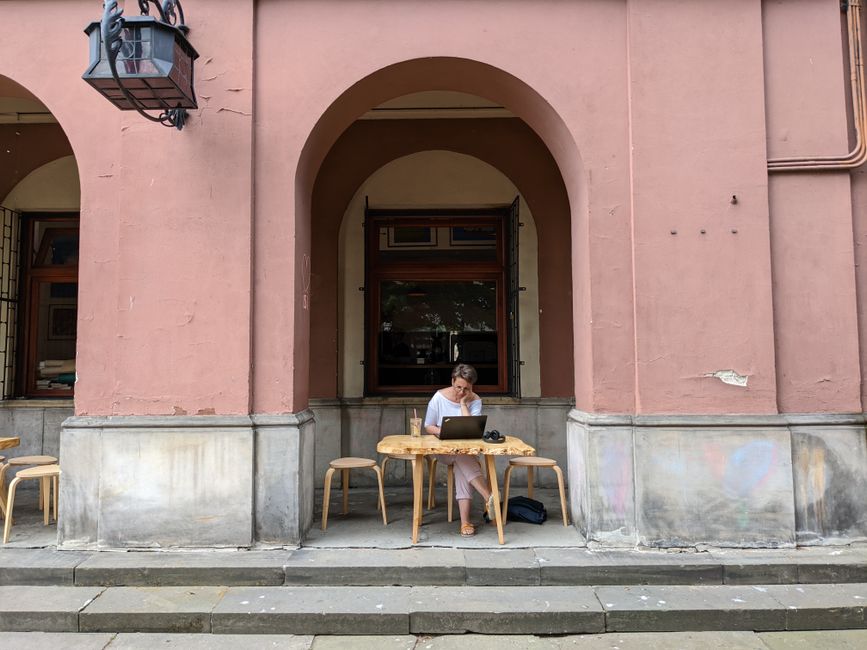
Quick Overview: Essentials for a Successful Workcation
Before diving into the nitty-gritty, here are the core principles that underpin any successful workcation:
- Define Your Goals: What do you want to achieve, both professionally and personally?
- Choose Wisely: Select a destination that supports both your work and leisure needs.
- Pre-Trip Prep: Handle as much as possible before you leave, both at work and home.
- Schedule Intentionally: Create a daily routine that carves out dedicated work and free time.
- Set Boundaries: Communicate expectations with your team and stick to your off-hours.
- Embrace Local Life: Make time for immersion, not just sightseeing.
- Tech Check: Ensure reliable internet and appropriate equipment for your tasks.
- Budget Smart: Account for both living costs and potential activity expenses.
1. Choosing the Right Destination: More Than Just a Pretty Picture
Your destination is the foundation of your workcation. It needs to inspire you, offer practical amenities, and align with your budget and travel style. A common mistake is picking a place solely for its Instagrammability without considering the practicalities of working there.
Prioritizing Infrastructure and Connectivity
Reliable internet is non-negotiable. Don’t assume every charming village in Europe or picturesque beach town in South America has fiber optics. Research co-working spaces, inquire about hotel Wi-Fi speeds, and consider purchasing a local SIM card with a solid data plan upon arrival. For example, a city like Lisbon in Portugal is a popular choice for digital nomads precisely because it boasts excellent infrastructure, numerous co-working spaces (like Second Home Lisboa), and a strong expat community. This makes finding reliable internet and a productive environment much easier than, say, a remote Greek island.
Cost of Living vs. Your Budget
A workcation isn’t a traditional vacation where you splurge daily. You’ll be there for an extended period, so daily expenses add up. Research the average cost of groceries, public transport, dining out, and accommodation. Paris, while undeniably beautiful and offering strong internet, can be an expensive city for an extended stay, especially for accommodation and daily meals. You might find better value in a city like Mexico City, which offers an incredible cultural experience, delicious and affordable food, and a vibrant co-working scene, allowing your budget to stretch further for a longer stay.
Cultural Immersion and Activities
What do you want to do when you’re not working? Do you dream of hiking, exploring ancient ruins, taking cooking classes, or simply relaxing on a beach? Your destination should offer activities that genuinely excite you and are easily accessible. If your goal is to learn Spanish, a workcation in Cartagena, Colombia, or Oaxaca, Mexico, might be more fulfilling than one in a non-Spanish speaking country. Conversely, if you want to explore art museums and charming cafes, Paris would be an obvious choice, but be prepared for the higher cost.
2. Mastering the Art of Pre-Trip Preparation: Setting Yourself Up for Success
The success of your workcation often hinges on the work you do before you even leave. This isn’t just about packing your bags; it’s about minimizing distractions and ensuring a smooth transition.
Work Responsibilities and Communication
Before you go, have a clear conversation with your manager and team about your workcation plans. Set expectations regarding your availability, working hours (accounting for time zone differences), and how you’ll handle urgent tasks. Proactively finish any time-sensitive projects and delegate what you can. Create a shared document outlining your schedule and communication preferences. For instance, if you’re in Europe and your team is in North America, you might work later in the day to overlap with their afternoons.
Logistics: Accommodation, Visa, and Insurance
Book your accommodation well in advance, specifically looking for places with dedicated workspaces (a desk, not just a bedside table) and strong Wi-Fi. Airbnb and Booking.com often allow you to filter for these amenities. Check visa requirements for your chosen country; many countries offer tourist visas that allow stays of up to 90 days, but always verify. Travel insurance is crucial – don’t skip it. It covers medical emergencies, trip interruptions, and lost luggage, offering peace of mind while you’re away from home.
Digital Nomad Cities: Better Value Than the Usual Hotspots
Digital Detox & Connectivity Plan
While you’re working remotely, consider how you’ll handle your personal digital life. Do you need a separate phone for your local SIM card? Download offline maps and entertainment for travel days. Ensure your laptop, charger, power adapters, and any necessary external monitors or keyboards are packed. Having a backup power bank is also a smart move, especially in places where power outages might be more frequent.
3. Structuring Your Day: The Work-Life Integration Blueprint
This is where many workcations falter. Without a clear structure, work can bleed into leisure time, leaving you feeling perpetually ‘on’ and never truly relaxed. The goal is to create distinct boundaries.
Dedicated Work Blocks
Treat your workcation work schedule as seriously as you would your office schedule. Identify your most productive hours and dedicate them to focused work. Perhaps you work from 9 AM to 2 PM, take a long break for lunch and exploration, and then do another focused session from 5 PM to 7 PM to catch up with colleagues in different time zones. In Lisbon, you might start your day early, knock out a few hours of work, then explore the historic Alfama district in the afternoon, finishing with an evening work session from a cafe overlooking the Tagus River. This allows for both deep work and cultural immersion.
Non-Negotiable Leisure Time
Just as important as your work blocks are your leisure blocks. Schedule them. Make an appointment with yourself to visit a museum, take a cooking class, or simply wander through a new neighborhood. These aren’t just ‘breaks’; they are the essence of the workcation experience. They prevent burnout and remind you why you chose this adventure in the first place. You might decide that every Thursday afternoon is reserved for an excursion, or that every evening after 6 PM is strictly for personal time.

Flexibility and Adaptability
While structure is key, don’t be rigid to the point of missing out. If a local festival suddenly pops up or a new friend invites you on an impromptu day trip, be prepared to shift your schedule slightly. The beauty of remote work is its flexibility. Just remember to make up the work hours later or communicate any changes to your team. The point isn’t to work less, but to integrate work smoothly into a richer life experience. If you’re in Mexico City, you might adjust your schedule to attend a Lucha Libre match on a Tuesday night, knowing you’ll start your Wednesday a bit earlier or manage your tasks more efficiently throughout the week.
4. Staying Productive Abroad: Tools and Mindset
Your environment changes, but your professional responsibilities don’t. Staying productive requires the right tools and a disciplined mindset.
Essential Tech and Software
Beyond your laptop, consider noise-canceling headphones for busy co-working spaces or cafes. A portable monitor can significantly boost productivity if you’re used to a dual-screen setup. Cloud-based tools (Google Workspace, Microsoft 365, Slack, Zoom) are critical for seamless collaboration and file access. Ensure all your essential software is updated and working before you leave. Use a VPN for secure internet access, especially on public Wi-Fi networks.
Creating a Productive Workspace
Even if it’s a small corner of your Airbnb, designate a specific spot for work. Clear it of clutter, ensure good lighting, and make it as comfortable as possible. This mental separation helps you ‘switch on’ for work and ‘switch off’ when you’re done. Avoid working from bed – it blurs the lines between relaxation and work. Many hotels, particularly those catering to business travelers, will have better desk setups than a typical tourist rental.
Managing Time Zones and Communication
Time zones are perhaps the biggest logistical hurdle. Use tools like World Clock or Google Calendar’s time zone features to schedule meetings effectively. Be proactive in communicating your availability. Over-communicating is better than under-communicating when you’re geographically dispersed. Remember, your team needs to know when they can reach you and when they can expect responses. This is particularly important when traveling between continents, say from North America to Europe, where time differences can be significant.
5. Embracing the Experience: Beyond the Screen
A workcation that does not feel like a bad vacation in real life means truly experiencing your new surroundings, not just working from them.
Intentional Exploration
Don’t just randomly wander; plan specific activities. Research local markets, historical sites, cooking classes, or unique tours. For example, if you’re in Paris, make sure to dedicate an afternoon to the Louvre or a long evening enjoying a local bistro without the laptop open. These planned experiences become the highlights of your trip, giving it depth beyond your work tasks.
What Actually Helps When You Need to Compare Flights Beyond the Cheapest Fare
Connecting with Locals and Other Nomads
Seek out opportunities to meet people. Co-working spaces are excellent for networking with other remote professionals. Local meet-up groups, language exchanges, or even just frequenting the same local cafe can lead to genuine connections. These interactions enrich your travel experience and can offer insights you wouldn’t get from a guidebook.
The Art of Unplugging
When your designated work hours are over, close your laptop. Put your phone away. Resist the urge to check emails or slack messages. This is crucial for mental well-being and to genuinely enjoy your destination. If you’re constantly connected, you’re never truly on vacation, even if you’re abroad. Allow yourself to be present in the moment, whether you’re savoring street food in Mexico City or strolling along the Seine in Paris.
FAQ: Workcation Planning Guide
Here are some frequently asked questions about planning a productive and enjoyable workcation.
How far in advance should I start planning my workcation?
It’s advisable to start planning at least 2-3 months in advance, especially for international workcations. This allows ample time to research destinations, secure accommodations with good Wi-Fi, check visa requirements, arrange travel insurance, and communicate your plans effectively with your workplace. Last-minute trips are possible but often add unnecessary stress.
What’s the ideal duration for a first-time workcation?
For a first-time workcation, a duration of 2-4 weeks is often ideal. This provides enough time to settle into your new environment, establish a routine, and truly experience the local culture without feeling rushed, while also being manageable from a work perspective. Shorter trips might feel too much like a standard business trip, while longer ones require more extensive planning.
How do I manage time zone differences with my team?
Managing time zone differences requires clear communication and strategic scheduling. Identify the overlapping work hours, and schedule important meetings during those times. Be flexible, sometimes starting your day earlier or ending later. Use scheduling tools that automatically convert time zones, and always inform your team of your working hours and expected response times.
Should I tell my employer I’m going on a workcation?
Yes, absolutely. Always be transparent with your employer about your workcation plans. Discuss your remote work policy, confirm necessary approvals, and clarify expectations regarding your availability and productivity. Transparency builds trust and helps prevent misunderstandings, ensuring your workcation is a positive experience for both you and your company.
What are some good tools for finding work-friendly accommodations?
For finding work-friendly accommodations, popular platforms like Airbnb and Booking.com allow you to filter for amenities such as ‘dedicated workspace,’ ‘Wi-Fi speed,’ and ‘kitchen.’ Co-living spaces (e.g., Selina, The Collective) are also excellent options designed specifically for remote workers, often offering built-in co-working facilities and community events.
Key Takeaways: Your Blueprint for a Better Workcation
To truly plan a workcation that does not feel like a bad vacation in real life, you need intentionality at every step. It’s about more than just a change of scenery; it’s about a thoughtful integration of your professional life with a desire for personal growth and exploration. Start by choosing your destination wisely, prioritizing infrastructure and cost alongside cultural appeal. A city like Lisbon offers a great balance, while Mexico City provides incredible value and vibrant culture, and Paris enchants with its classic charm if your budget allows.
Secondly, prepare meticulously before you leave. This means clear communication with your team, sorting out all logistics like visas and insurance, and ensuring your tech setup is solid. Once you’re there, structure your days with discipline, carving out dedicated work blocks and, crucially, non-negotiable leisure time for true immersion. Remember, the goal isn’t to work more, but to work smarter so you can genuinely enjoy your new environment, whether that means exploring ancient ruins, trying local delicacies, or simply relaxing by a new beach.
Finally, embrace the experience beyond your screen. Seek out local connections, unplug when work is done, and allow yourself to be present. A successful workcation rejuvenates you, sparks creativity, and offers a fresh perspective, ultimately making you a more effective and happier professional. It’s a strategic investment in yourself.
Ready to turn those workcation dreams into a well-executed reality? Plan smarter trips with Le Daily Post.