

Ever tried to cram every museum, monument, and must-eat spot into a single city trip? For many families, this often leads to exhaustion, squabbles, and memories of rushing from one place to the next rather than truly experiencing a destination. The idea of a ‘holiday’ quickly evaporates when you’re navigating crowded subways with tired kids, desperately searching for a bathroom, and realizing you’ve overscheduled yourselves again.
The truth is, busy cities can be incredibly overwhelming, especially for budget-aware families. High-energy environments, endless options, and the pressure to ‘make the most’ of limited time often backfire. What you really need is a practical, sustainable approach – a realistic seven-day itinerary that respects your family’s pace and preferences, ensuring genuine enjoyment without the typical travel burnout.
This guide isn’t about telling you what to see, but how to see it effectively. We’ll focus on setting up a realistic seven-day city itinerary that allows for spontaneity, downtime, and authentic engagement with places like Rome, Barcelona, or New York, rather than just ticking boxes.

The Core Principles of a Realistic City Itinerary
Before diving into specific examples, let’s lay down the groundwork. A successful realistic seven-day city itinerary hinges on a few fundamental ideas:
- Less is More: Pick 2-3 major attractions per day, maximum. Leave room for spontaneous discoveries.
- Pace Yourself: Mix intense sightseeing days with lighter, more relaxed ones. Build in daily downtime.
- Local Integration: Seek out local parks, markets, and neighborhoods where families live and play.
- Food as Experience: Don’t just eat; experience local cuisine, whether it’s street food or a family-friendly trattoria.
- Smart Transportation: Research public transport options or walking routes extensively before you arrive.
- Flexibility is Key: Weather changes, kids get tired, things close unexpectedly. Have backup plans.
- Budget Awareness: Integrate free activities and plan meals that don’t break the bank.
- Accommodation Matters: Choose a place that’s well-connected and offers space for your family to unwind.
Day-by-Day Planning Framework for Families
Here’s how to structure a realistic seven-day city itinerary, breaking down the week into manageable segments.
Day 1: Arrival and Neighborhood Exploration
Upon arrival, your family will likely be tired. Resist the urge to hit a major landmark immediately. Instead, focus on settling in and getting your bearings. Find your accommodation, unpack, and then head out for a gentle walk around your immediate neighborhood. Locate essentials like a grocery store, pharmacy, and a casual restaurant. This low-key introduction helps everyone adjust to the new environment without feeling overwhelmed.
Days 2-3: Major Landmarks and Culture
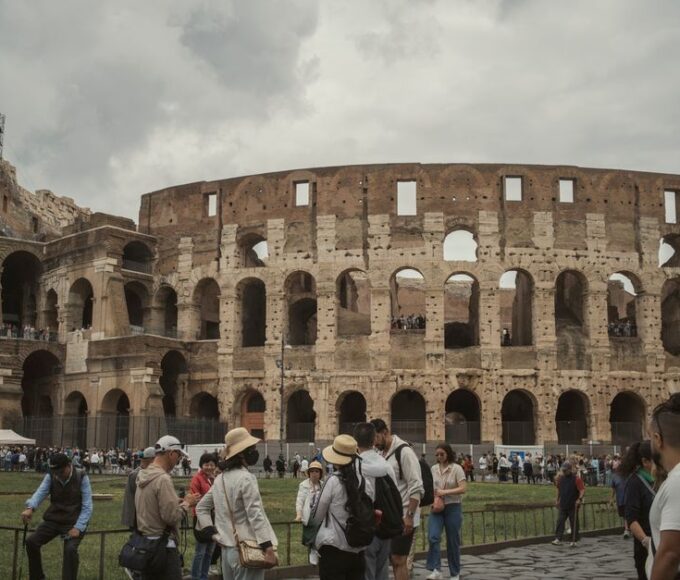
These are your prime sightseeing days. Pick one iconic site per day, like the Colosseum in Rome, Sagrada Familia in Barcelona, or the Empire State Building in New York. Combine it with a smaller, related attraction or a free activity nearby. For instance, after visiting the Colosseum, consider a stroll through the Roman Forum (which is free from outside viewing points) or a gelato break. Book tickets for major attractions well in advance, especially during peak season, to save time and secure entry. Consider purchasing city passes if they truly align with your chosen attractions and offer real value.
Your Ultimate Airport Transfer Guide: When to Use Train, Taxi, Shuttle, or Rideshare
Example: Rome with Kids
- Day 2: Morning at the Colosseum (pre-booked tickets are a must!). Afternoon: picnic at Villa Borghese and explore the park, perhaps renting bikes or paddle boats.
- Day 3: Morning: Vatican City (St. Peter’s Basilica is free, but consider a guided tour for the Vatican Museums if your kids have the stamina). Afternoon: visit Castel Sant’Angelo or simply wander the charming streets of Trastevere, enjoying a relaxed dinner.
Day 4: A Change of Pace and Local Flavor
By now, everyone might be feeling the pace. This is an ideal day for something different. Think about activities that offer a break from traditional sightseeing but still immerse you in the local culture. This could be a cooking class (many cities offer family-friendly options), a visit to a unique local market, or exploring a less-touristy neighborhood. This day is crucial for refreshing energy levels.

Example: Barcelona with Kids
- Day 4: Morning: Explore La Boqueria Market for vibrant colors and snacks, then take a funicular ride up Montjuïc for panoramic views and explore the castle or gardens. Afternoon: relax at a local beach like Barceloneta or visit Ciutadella Park for playgrounds and the Arc de Triomf.
Day 5-6: Deeper Dives or Day Trips
Depending on your family’s interests, these days can involve either diving deeper into a specific area of the city you enjoyed, or taking a manageable day trip outside the city. A day trip offers a complete change of scenery and often a different pace. When considering a day trip, factor in travel time carefully – an hour or two each way is usually the maximum before it becomes too tiring for younger children.
Example: New York City with Kids
- Day 5: Morning: American Museum of Natural History (especially the dinosaur exhibits!). Afternoon: explore Central Park, finding playgrounds, or even rowing a boat on the lake.
- Day 6: Morning: Statue of Liberty & Ellis Island (book ferry tickets far in advance). Afternoon: explore the High Line and Chelsea Market for unique food options and local crafts.
Day 7: Revisit Favorites or Last-Minute Souvenirs and Departure
Use your final morning to revisit a favorite spot, grab those last-minute souvenirs, or simply enjoy a leisurely breakfast at a café you loved. Don’t plan anything strenuous. Allow ample time to pack and get to the airport or train station without stress. This relaxed ending helps solidify positive memories of the trip.
Finding Your Home Away From Home: Best Neighborhoods for Local Food, Transit, and Real-World Living
FAQ: Realistic Seven-Day City Itinerary
Q: How do I balance sightseeing with kids’ needs in a busy city?
Prioritize flexibility and downtime. Plan one major activity per day, maximum two. Incorporate playgrounds, parks, and snack breaks frequently. Let children have a say in some activities, even if it’s just picking the next gelato flavor. Use public transport as an adventure, and don’t be afraid to cut activities short if energy levels dip.
Q: What are some budget-friendly activities for families in cities like Rome, Barcelona, or New York?
Many fantastic experiences are free! In Rome, enjoy the Pantheon, Trevi Fountain, and people-watching in Piazza Navona. Barcelona offers exploring La Rambla, Gothic Quarter streets, and the beaches. In New York, walk the Brooklyn Bridge, explore Central Park, or browse Times Square. Picnics in parks save on meal costs significantly.
Q: Is public transportation safe and easy for families in major cities?
Generally, yes! Major cities in Europe and North/South America have extensive and safe public transport networks. It’s often the most efficient way to get around. Research specific city passes (e.g., Roma Pass, T-Casual in Barcelona, MetroCard in NYC) beforehand. Be mindful of rush hour crowds, and always keep an eye on children and belongings.
Q: How much walking should we expect, and how can we prepare?
Expect a significant amount of walking in any busy city. Wear comfortable, broken-in shoes for everyone. Consider a sturdy stroller for younger children who might tire quickly. Plan routes with breaks and incorporate public transport to cover longer distances, saving feet for exploring specific areas.
Q: What about food allergies or picky eaters while traveling abroad?
Always carry allergy cards translated into the local language. Major cities are generally accommodating. For picky eaters, balance trying local cuisine with familiar options. Grocery stores are your friend for snacks and simple meals. Many restaurants offer pasta, pizza, or chicken options that appeal to most children.
Key Takeaways for Your Realistic Seven-Day City Itinerary
Building a realistic seven-day city itinerary for your family is less about seeing everything and more about creating meaningful, enjoyable experiences. Remember to prioritize quality over quantity, allowing for ample downtime and flexibility. Booking key attractions in advance saves stress and time, while integrating local, free activities helps stretch your budget and immerse you in the city’s true character. Whether you’re navigating the ancient streets of Rome, the vibrant avenues of Barcelona, or the towering skyscrapers of New York, a well-planned, adaptable itinerary will ensure your family truly enjoys their adventure.
Ultimately, the goal is to return home refreshed, with fond memories, rather than exhausted and regretting the rushed pace. Plan smarter trips with Le Daily Post.