
Living in an apartment, especially in a dense urban setting like London, Toronto, or Sao Paulo, often means making peace with less-than-ideal natural light. That dream of a lush, vibrant indoor jungle can feel pretty far-fetched when your windows face a brick wall or your only light source is an anemic north-facing pane. But here’s the thing: you absolutely can keep plants alive in apartments with bad light without the usual guesswork and endless cycles of ‘why is this one dying now?’
The key isn’t to force sun-loving plants into a dark corner, but to work with what you have. This means selecting the right plants and adjusting your care routine to match their needs, not your aspirations for a brighter apartment. We’ll explore practical strategies, specific plant recommendations, and even some clever tricks to make the most of minimal light, no matter where your apartment is situated.
It’s about understanding the specific challenges of low-light environments and adapting. Forget the Pinterest-perfect sun-drenched plant shelves for a moment and focus on real-world solutions that truly work for urban families navigating smaller spaces and dimmer interiors.
Understanding ‘Low Light’ in an Apartment Setting
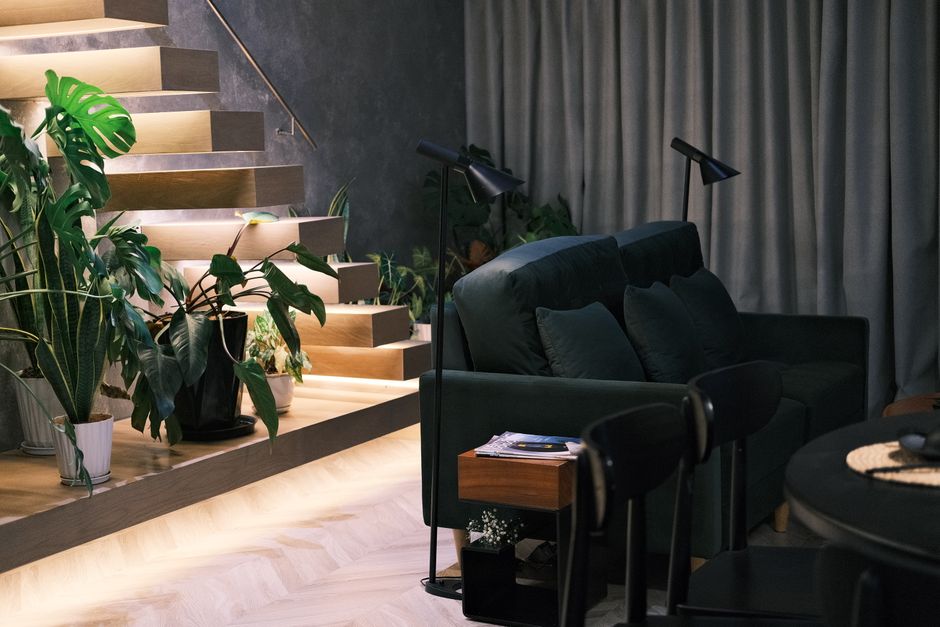
Before you even pick out a plant, it’s crucial to understand what ‘low light’ actually means in the context of your living space. It’s not just about a lack of direct sun; it’s about ambient brightness. A room might feel bright to your eyes, but to a plant, it could be quite dim. Think of it this way: if you can comfortably read a book without turning on a lamp, that’s generally medium light. If you struggle to read, it’s low light. If you need a lamp even in the middle of the day, it’s very low light.
Defining Your Apartment’s Light Zones
- Very Low Light: Areas far from any window, or rooms with small, north-facing windows completely obscured by buildings. Think bathrooms without windows, or hallways.
- Low Light: Rooms with north-facing windows, or areas in east/west-facing rooms that are more than 10-15 feet from the window. The light is diffused and indirect.
- Medium Light: Areas near east or west-facing windows receiving a few hours of gentle morning or late afternoon sun, or a bright, indirect spot in a south-facing room.
For most urban apartments, especially in high-density areas of Europe like Paris or North America like New York City, the dominant condition will be low to very low light. Don’t underestimate how much a neighboring building can block the sky, even if your window faces south. This foundational understanding will save you a lot of heartache and dead plants.
The Best Plants to Keep Plants Alive in Apartments With Bad Light
This is where smart choices truly pay off. Certain plants are simply better equipped to handle less light because of their natural habitats and physiological adaptations. Forget Fiddle Leaf Figs; they’re sun worshipers. Instead, turn to the true champions of the shade.
Hardy & Forgiving Low-Light Heroes
These are the workhorses that can tolerate significant dimness and often forgive a missed watering or two. They’re excellent for beginners or anyone who’s had bad luck with plants in the past.
Practical Self-Care That Does Not Require a Perfect Schedule
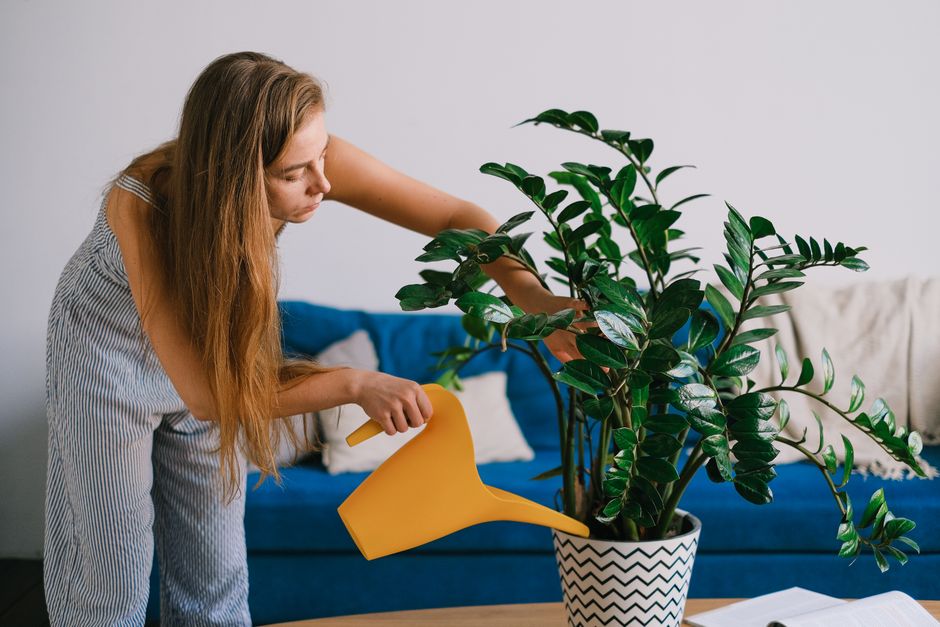
- ZZ Plant (Zamioculcas zamiifolia): The undisputed king of low light. It thrives on neglect and can handle incredibly dim conditions. You can find these everywhere from small florists in Berlin to large garden centers in Toronto. They require very infrequent watering – sometimes only once a month or less in low light.
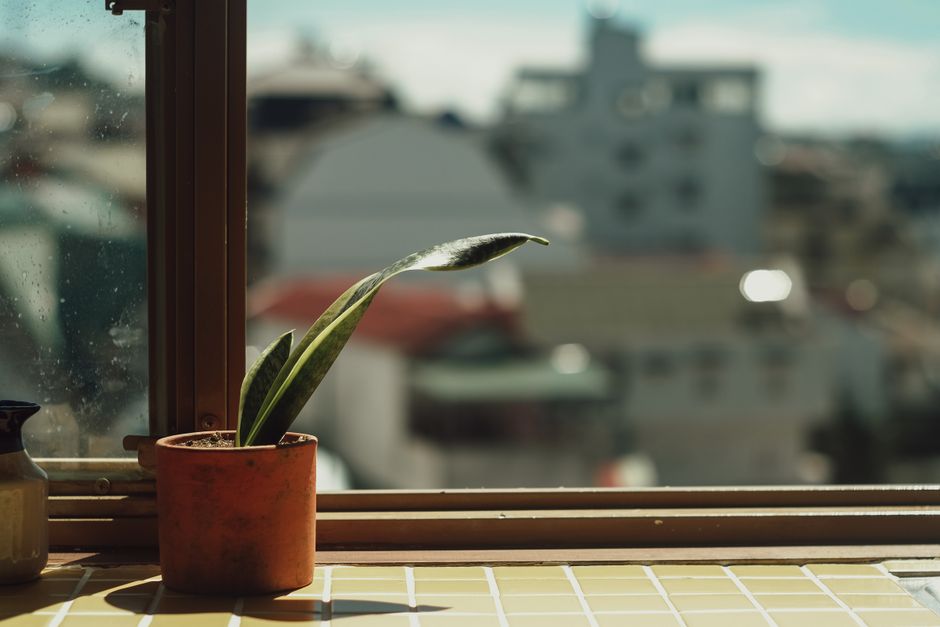
- Snake Plant (Sansevieria trifasciata): Another champion of neglect. Snake Plants come in various patterns and sizes, all boasting impressive resilience. They are incredibly popular in South America, particularly in Brazil, for their hardy nature. They also purify air, which is a nice bonus for urban living.
- Pothos (Epipremnum aureum): Extremely versatile and forgiving, Pothos will vine beautifully even in moderate low light. Varieties like ‘Marble Queen’ or ‘Neon’ might lose some variegation in very dim spots, but the plant itself will survive. Just don’t let it sit in soggy soil.
- Peace Lily (Spathiphyllum): While they prefer medium light for flowering, Peace Lilies will happily survive and grow foliage in low light. They’re dramatic about watering (they’ll droop significantly when thirsty), making it easy to know when they need a drink.
- Cast Iron Plant (Aspidistra elatior): Its name says it all. This plant is incredibly tough and tolerant of deep shade, irregular watering, and even cool temperatures. It’s a slower grower but remarkably dependable for those truly dark corners.
Making the Most of Limited Light: Placement & Reflection
Even a tiny bit of light can be optimized. Think of your apartment as a canvas where you can subtly manipulate available light.
- Proximity to Windows: Even if a window is north-facing or partially blocked, placing a plant as close as possible to it will make a huge difference. Every foot away drastically reduces light intensity.
- Reflective Surfaces: White walls, mirrors, or even light-colored furniture can bounce ambient light around the room, effectively increasing the overall brightness for your plants. A large mirror strategically placed opposite a window can work wonders.
- Clean Windows: It sounds simple, but dirty windows can block a significant amount of light. A quick clean can give your plants a noticeable boost, especially in a city like London where grime can build up quickly.
Adjusting Your Care Routine for Low-Light Plants
This is where most people go wrong. Caring for a plant in low light isn’t the same as caring for it in bright light. The biggest mistake is treating a low-light plant like it’s getting ample sun.
The Golden Rules of Low-Light Plant Care
Less light means less energy for the plant, which fundamentally changes its needs.
- Water Less Frequently: This is arguably the most critical adjustment. In low light, soil takes much longer to dry out, and overwatering is the quickest way to kill a plant. Always check the soil moisture deeply before watering. For many low-light plants, letting the top two inches of soil dry out completely (or even more for ZZ and Snake plants) is ideal. A moisture meter can be a helpful tool, especially in a diverse climate like that of Sao Paulo where humidity can vary.
- Reduce Fertilization: Plants in low light grow much slower. They simply don’t need as many nutrients. Fertilizing heavily will lead to nutrient burn and can damage the roots. Fertilize once or twice a year, if at all, during the growing season (spring/summer).
- Accept Slower Growth: Don’t expect rapid growth or prolific flowering. Low-light plants will grow at a much more subdued pace. This is normal and healthy for their conditions.
- Dust Leaves Regularly: Dust can block precious light from reaching the leaves, hindering photosynthesis. Gently wipe down leaves with a damp cloth every few weeks. This is particularly important in urban environments where dust and pollution can be higher.
- Rotate Your Plants: Even in low light, plants will lean towards the strongest light source. Rotating them periodically ensures more even growth and prevents them from becoming lopsided.
When to Consider Supplemental Lighting
While the goal is to keep plants alive in apartments with bad light naturally, sometimes, especially in extremely dim areas or if you want slightly more demanding plants, a grow light can be a practical advantage. These aren’t the bulky, hot lights of old; modern LED grow lights are sleek, energy-efficient, and come in various forms.
Types of Supplemental Lights for Apartments
- Small LED Grow Bulbs: These screw into standard light fixtures and provide a spectrum beneficial for plants. Perfect for a single plant or small grouping. Many are discreet enough for a Toronto condo living room.
- LED Light Strips/Bars: Great for shelves or under-cabinet lighting. They provide even light distribution and are nearly invisible once installed.
- Full-Spectrum Grow Lights: For a more dedicated setup or if you’re trying to grow something a bit more challenging (like herbs). Look for lights with timers to ensure consistent light exposure.
Remember, even a few hours under a grow light can make a big difference for plants struggling in perpetual shade. It doesn’t have to be on all day; even 4-6 hours can provide the necessary boost.
Troubleshooting Common Low-Light Plant Problems
Even with the right approach, issues can arise. Knowing what to look for and how to react is key to keeping your plants healthy.
Identifying and Addressing Stress Signals
- Yellowing Leaves (especially lower ones): Often a sign of overwatering. Check soil moisture. Less commonly, it could be under-fertilization, but in low light, overwatering is far more likely.
- Brown, Crispy Tips: Usually indicates low humidity or inconsistent watering. While low light doesn’t directly cause this, dry apartment air (especially in winter with heating on, common in many North American cities) can be a factor.
- Stunted Growth or Legginess: This is the classic sign of insufficient light. The plant is stretching towards the light source, resulting in sparse, elongated stems. Move the plant closer to a window or consider supplemental lighting.
- Drooping: For Peace Lilies, it means thirsty. For most other plants, it can be a sign of either overwatering (root rot) or underwatering. Check the soil and the plant’s typical behavior.
The trick is to be patient and observe. Plants communicate their needs, but you need to learn their language, especially in the nuanced environment of a low-light apartment.
Mastering Remote Work Boundaries That Work in Small Apartments
Frequently Asked Questions About Low Light Apartment Plants
How do I know if my apartment is truly low light?
If you can’t comfortably read a book without artificial light in the middle of the day, even near a window, your space is likely low light. Another good test: hold your hand about a foot above where you want to place a plant. If your hand casts a soft, blurry shadow or no shadow at all, it’s low light.
Can I use regular light bulbs instead of grow lights for my plants?
While regular LED bulbs provide some light, they lack the specific spectrum needed for optimal plant growth. Plants primarily use blue and red wavelengths for photosynthesis. Most household bulbs are designed for human vision and don’t provide enough of these specific wavelengths to truly help a struggling plant thrive, though they might prevent outright death.
How often should I water a low-light plant?
There’s no single answer, as it depends on the plant species, pot size, and ambient humidity. However, as a rule of thumb, you will water significantly less often than a plant in bright light. Always check the soil moisture (stick your finger 2-3 inches deep) before watering. For many low-light plants, waiting until the soil is mostly dry is best.
My low-light plant is not growing. Is that a problem?
Not necessarily. Plants in low light conditions naturally grow much slower than those in brighter environments. This is a survival mechanism to conserve energy. As long as the leaves look healthy and the plant isn’t showing signs of distress (yellowing, drooping), slow or minimal growth is perfectly normal and expected.
Are there any plants that truly thrive in no natural light?
No plant can truly thrive without any light at all for extended periods. Even the hardiest low-light plants still need some ambient light to perform photosynthesis. If you have an area with absolutely no natural light, you’ll need to provide supplemental artificial grow lighting for any plant to survive and grow.
Do low-light plants attract more pests?
Low-light conditions themselves don’t directly attract pests, but overwatering, which is common in low-light scenarios, can create a damp environment that fungus gnats love. Also, plants under stress (from too little light or improper watering) can be more susceptible to infestations, as their natural defenses are weaker.
Embrace the Green, Even in the Dim
The myth that you need a sun-drenched apartment to have happy houseplants is just that—a myth. By understanding the specific challenges of low light and making smart choices in plant selection and care, you can absolutely keep plants alive in apartments with bad light without the usual guesswork. It’s about working with nature, not against it, and accepting that ‘thriving’ in these conditions often means slow, steady, and resilient growth. From the bustling flats of London to the cozy high-rises of Toronto or the vibrant apartments of Sao Paulo, green is possible. For more practical lifestyle guides, read more practical lifestyle guides on Le Daily Post.