

To plan a comfortable red-eye flight routine, prioritize pre-flight preparation, in-flight comfort, and post-arrival recovery. This means adjusting your sleep schedule gradually before departure, packing essential comfort items like noise-canceling headphones and an eye mask, selecting strategic seats, and managing your environment to maximize rest. Upon arrival, immediately synchronize with the local time zone by exposing yourself to daylight and avoiding naps to combat jet lag effectively. A smarter approach ensures you arrive ready for your next adventure in places like Vancouver or across Europe.
That familiar feeling: the late-night departure board, the hushed terminal, the promise of waking up in a new city without having lost a day. Red-eye flights hold a unique appeal for many, especially for digital nomads chasing sunshine or clients across continents. They’re a clever hack for maximizing time, allowing you to work a full day, catch a flight, and land ready to hit the ground running. Think about leaving Lisbon after a day of co-working, and arriving in a bustling North American hub like New York or Toronto just as the morning breaks.
However, the romantic notion often clashes with the reality of trying to sleep upright in a confined space. Without a deliberate, well-executed strategy, that time-saving red-eye can quickly turn into a two-day recovery mission, eroding productivity and enjoyment. The key isn’t just surviving the red-eye; it’s about mastering it so you arrive feeling refreshed, not depleted. This is particularly true for those who frequently cross time zones, perhaps flying from Mexico City to Vancouver, or hopping between European capitals.
The goal is to trick your body into thinking it’s sleeping in its own bed, or at least a reasonable facsimile. This isn’t about expensive upgrades (though they help!); it’s about leveraging smart choices, simple tools, and a bit of psychological conditioning to transform a potentially miserable experience into a surprisingly restorative one.
Understanding the Red-Eye Challenge and Why a Routine Matters
Red-eye flights are designed to maximize daylight hours at your destination by traveling overnight. They’re common routes, especially between major business hubs or popular tourist destinations that are geographically separated. For example, you’ll find plenty of red-eyes connecting Europe’s west coast, like Lisbon, to cities on the East Coast of North America, or routes spanning vast distances within North America, such as Vancouver to Toronto, or from South American hubs like São Paulo to Miami.
The core challenge is biological. Your circadian rhythm, your internal body clock, is hardwired to expect sleep during specific hours, usually dictated by your departure time zone. When you’re trying to sleep at 30,000 feet while your body thinks it’s still afternoon or late evening, it creates a physiological conflict. This conflict, coupled with the inherent discomforts of air travel – noise, light, cramped seats, dry air – makes quality sleep elusive. A structured routine is your best defense. It prepares your body and mind for the unusual sleep environment, minimizes disruptions, and accelerates your adaptation to the new time zone upon arrival, crucial for digital nomads who need to remain sharp.
Crafting Your Smarter Red-Eye Flight Routine
Mastering the red-eye isn’t about luck; it’s about methodical preparation and execution. Here’s a breakdown of how to craft a routine that works.
1. Pre-Flight Sleep Preparation is Key
This is arguably the most overlooked step. Don’t just show up tired. If possible, try to shift your sleep schedule slightly in the days leading up to your flight. If you’re flying eastward, for instance, try going to bed an hour earlier and waking up an hour earlier for two to three days. Conversely, flying westward, go to bed and wake up later. Even a small adjustment helps cushion the time zone shift. Also, make sure you’re well-rested the night before your red-eye; don’t pull an all-nighter trying to finish a project before your flight to Mexico City.
2. Choose Your Seat Wisely
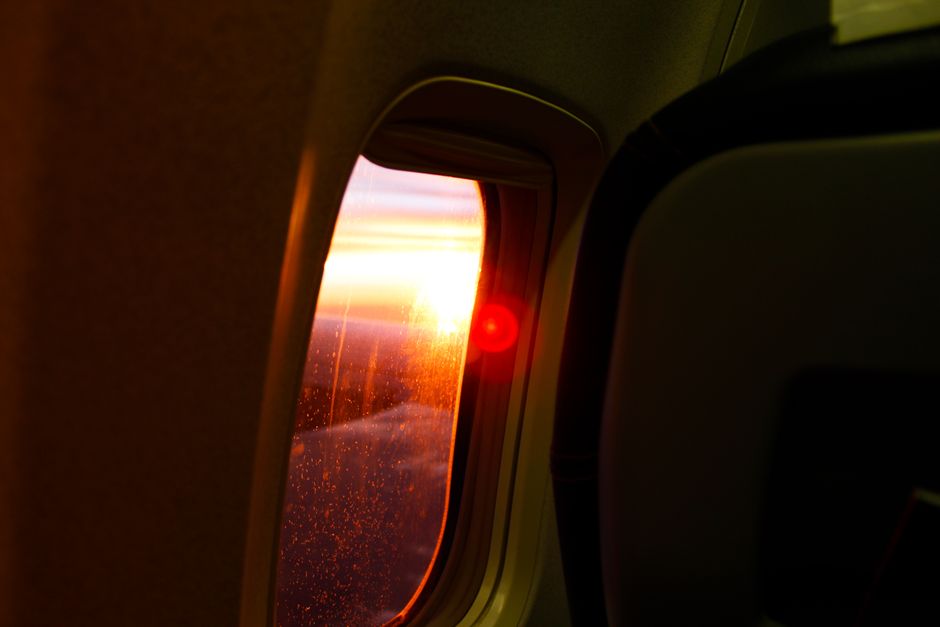
For red-eyes, window seats are generally superior. You get a wall to lean against, you’re less likely to be disturbed by aisle traffic (passengers going to the lavatory, flight attendants), and you have control over the window shade. If comfort is paramount and budget allows, consider premium economy or business class for the extra recline and legroom. On routes like those from Santiago to Miami, these upgrades can be a practical advantage for sleep quality.
Create Memorable Vacations with Bookabach Holiday Home Rentals
3. Optimize Your Packing for Comfort
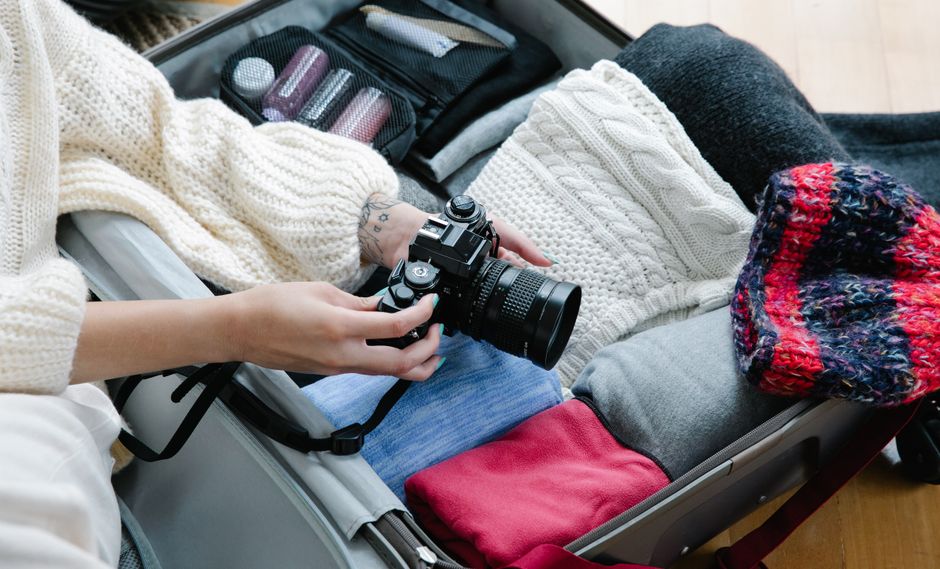
Your personal comfort kit is vital. Think of it as your portable sleep sanctuary. This should include:
- Noise-Canceling Headphones: Bose QuietComfort or Sony WH-1000XM series are industry leaders for a reason. They drastically reduce engine hum and cabin chatter, creating a calmer environment.
- Comfortable Eye Mask: Not just any mask. Look for one that completely blocks light and doesn’t put pressure on your eyes. Manta Sleep Masks are often recommended.
- Neck Pillow: An inflatable or memory foam neck pillow can prevent awkward neck kinks. Brands like Cabeau Evolution are popular.
- Lightweight Blanket or Large Scarf: Cabin temperatures can fluctuate. A personal blanket offers warmth and a sense of coziness.
- Loose, Comfortable Clothing: Layers are your friend. Avoid tight waistbands, restrictive fabrics, and anything that will dig in. Think soft joggers, a loose t-shirt, and a cozy cardigan or hoodie.
- Hydration: A reusable water bottle is a must. Stay hydrated to combat cabin dryness.
4. Manage Light Exposure
As soon as you board, if it’s already dark outside, put on your eye mask. If it’s still light, try to avoid bright screens and opt for reading a physical book. Once airborne and the cabin lights dim, keep your mask on. Upon arrival, expose yourself to natural light as quickly as possible, especially if you’re flying into an earlier time zone. This signals to your body that it’s daytime, helping to reset your circadian rhythm.
5. Create a Pre-Sleep Ritual
Mimic your home routine as much as possible. A quick face wash in the lavatory, changing into comfortable socks, listening to calming music or a sleep podcast (downloaded beforehand), and then putting on your eye mask and headphones. This routine signals to your brain that it’s time to wind down, even in an unfamiliar setting.
6. Food and Drink Considerations
Avoid heavy meals, excessive sugar, alcohol, and caffeine before and during the flight. These can disrupt sleep and hydration. Opt for light, easily digestible snacks. If your airline provides a meal, eat it early if possible, then transition into your sleep routine. Hydrate with water or herbal tea.
7. Strategic Use of Supplements (Optional)
Some travelers find melatonin helpful for adjusting to new time zones. If you choose to use it, consult a doctor first, especially if you have other medical conditions or are taking other medications. Always test it at home before using it on a flight to understand its effects on you.
Comparing Red-Eye Strategies: A Quick Look
Different approaches work for different people. Here’s a brief comparison of common red-eye strategies:
| Strategy | Pros | Cons | Best For |
|---|---|---|---|
| Full Sleep Attempt | Arriving refreshed, minimal jet lag. | Requires significant preparation, not always achievable. | Those prioritizing immediate productivity, frequent red-eye travelers. |
| Power Nap & Relax | Better than no sleep, feels somewhat refreshed. | Risk of grogginess if naps are too long, less effective for jet lag. | Travelers who struggle with full sleep on planes, shorter red-eyes. |
| Work Through It | Maximizes work time, some people prefer staying awake. | High risk of severe jet lag, exhaustion upon arrival. | Rarely recommended, only for those truly unable to sleep on planes and with flexible arrival schedules. |
| Medical Aids (e.g., Prescription Sleep Aids) | Can induce deeper sleep for some. | Potential side effects, grogginess, dependency, requires medical consultation. | Specific situations, under strict medical advice. |
Common Red-Eye Mistakes to Avoid
Even with the best intentions, it’s easy to fall into traps that derail your red-eye comfort. A common mistake is treating the red-eye like any other flight, neglecting specific preparations needed for overnight travel. This often leads to arriving significantly more tired than necessary.
Another pitfall is relying solely on alcohol or caffeine to manage energy levels. While a glass of wine might seem relaxing, alcohol disrupts sleep cycles and dehydrates you, exacerbating jet lag. Similarly, too much caffeine pre-flight can prevent you from dozing off, while relying on it post-flight can mask exhaustion without truly solving it, especially when trying to adjust to local time in a new place like Lisbon or across South America.
Escape to Comfort and Adventure with Bookabach Holiday Rentals
Overpacking your carry-on with unnecessary items, or conversely, forgetting essential comfort items, is another frequent error. You want quick access to your eye mask, headphones, and neck pillow without having to rummage through a heavy bag or retrieve items from the overhead bin. A small personal item bag dedicated to your sleep essentials can make a big difference.
Finally, neglecting post-arrival strategy is a major misstep. Many travelers land and immediately want to nap, especially after a long flight from Europe to North America. While tempting, napping can confuse your body clock further. Instead, force yourself to stay awake until a reasonable local bedtime, get outside for some natural light, and hydrate. This aggressive approach, though challenging, accelerates your circadian rhythm’s adjustment.
FAQ: Your Red-Eye Flight Questions Answered
What should readers know about red eye flight routine?
Readers should know that a red-eye flight routine is crucial for comfort and productivity. It involves strategic pre-flight preparation, optimizing your in-flight environment with comfort items like noise-canceling headphones and an eye mask, and disciplined post-arrival acclimatization to the new time zone to minimize jet lag and maximize readiness for work or exploration.
How do I prepare for a red-eye flight to minimize jet lag?
To minimize jet lag, gradually adjust your sleep schedule by an hour or two in the days before your flight. Ensure you’re well-rested before departure. Upon arrival, immediately synchronize with the local time by exposing yourself to daylight and avoiding naps until the local bedtime. Stay hydrated and avoid heavy meals or excessive alcohol.
What are the must-have items for a comfortable red-eye flight?
Essential items for a comfortable red-eye flight include high-quality noise-canceling headphones (e.g., Bose QuietComfort), a comfortable eye mask (e.g., Manta Sleep Mask), an ergonomic neck pillow (e.g., Cabeau Evolution), a light blanket or large scarf, comfortable and loose clothing, and a reusable water bottle to stay hydrated.
Can I really sleep well on a red-eye flight?
Achieving deep, restorative sleep on a red-eye is challenging but possible with the right routine. Focus on creating a dark, quiet, and comfortable environment using eye masks and noise-canceling headphones. Seat choice, pre-flight rest, and avoiding stimulants like caffeine and alcohol also significantly contribute to better sleep quality.
How do digital nomads manage red-eyes between different continents?
Digital nomads often manage red-eyes between continents like Europe and North America by meticulously planning their sleep routine, investing in high-quality comfort gear, and prioritizing immediate time zone adjustment upon arrival. They leverage flexible schedules to recover from jet lag effectively, often allowing a buffer day before demanding work, and strategically choose flights that align best with their body clock.
Is it better to stay awake or try to sleep on a red-eye?
For most people, especially digital nomads, it is always better to try and get some sleep on a red-eye. Even broken sleep is better than none. Staying awake through the night can lead to severe exhaustion and significantly worse jet lag, making it harder to function and adapt to your destination’s time zone, whether it’s Mexico City or Lisbon.
A well-executed red-eye routine isn’t just about surviving the flight; it’s about optimizing your travel experience so you arrive ready to embrace your next adventure or client project. By taking a smarter approach, you can transform these overnight journeys into efficient leaps across time zones, ready to explore bustling markets in South America or tranquil coastlines in Europe. Plan smarter trips with Le Daily Post.