
Imagine planning a family adventure that hops from the high-altitude sunshine of Mexico City to the misty shores of Vancouver, then perhaps across the Atlantic to the historic hills of Lisbon. Sounds incredible, right? Now, imagine trying to pack for all of that without needing a separate suitcase for each climate zone. This isn’t about magical packing dust; it’s about smart strategy so you can pack for mixed weather across two continents without the usual guesswork, keeping everyone comfortable and your budget intact.
For budget-aware families, avoiding airline excess baggage fees is as crucial as remembering passports. The goal is a carry-on friendly approach that caters to everything from a cool European evening to a warm South American afternoon, all without sacrificing comfort or style. It’s entirely possible to streamline your family’s travel wardrobe, making multi-climate trips less about luggage Tetris and more about enjoying the journey.
A common mistake is packing ‘just in case’ items that rarely see the light of day. Instead, think ‘what if?’ and then choose the most adaptable solution. We’ll dive into practical examples, drawing on real-world scenarios in Europe, North America, and South America, ensuring your family is prepared for anything from unexpected downpours to sudden heatwaves.
The Core Philosophy: Layer, Adapt, Repeat
The golden rule for packing for mixed weather across two continents is layering. It’s not just about adding or removing clothes; it’s about creating a flexible system. Think of your wardrobe as building blocks. Start with a moisture-wicking base layer (like merino wool or synthetic blends), add insulating mid-layers (a fleece or light sweater), and top it off with a protective outer layer. This strategy is particularly effective for destinations with unpredictable weather patterns, common in places like Vancouver or even the seasonal shifts in Lisbon.
Building Your Versatile Travel Wardrobe
- Base Layers: T-shirts and long-sleeved tops made from quick-drying, breathable fabrics. Brands like Uniqlo’s Heattech or Airism lines offer affordable and effective options. For kids, look for durable cotton blends that can withstand frequent washing.
- Mid-Layers: A light fleece jacket, a cardigan, or a denim jacket. These add warmth without bulk and can easily be tied around the waist when temperatures rise. For a family of four, aim for 1-2 versatile mid-layers per person.
- Outer Layer: A packable, waterproof and windproof jacket is non-negotiable. Patagonia’s Torrentshell or Columbia’s various rain jackets are excellent, though Decathlon also offers budget-friendly alternatives that perform surprisingly well. This is your shield against unexpected showers in places like the Pacific Northwest or a sudden cold snap in the Andes.
Smart Fabric Choices for Diverse Climates
The type of fabric you choose dramatically impacts comfort and packing space. Heavy cotton might be fine for a single climate, but it takes ages to dry, is bulky, and isn’t ideal for fluctuating temperatures. Synthetics, merino wool, and even specialized travel cotton blends are your allies.
Why Fabric Matters for Multi-Continent Travel
- Merino Wool: Excellent for temperature regulation (keeps you warm when it’s cool, cool when it’s warm), naturally odor-resistant, and dries relatively quickly. Smartwool or Icebreaker offer great options, even for kids’ socks and base layers.
- Synthetics (Polyester, Nylon): Quick-drying, lightweight, and durable. Think athletic wear or travel-specific clothing from brands like REI or Lululemon. Ideal for hiking in a national park in North America or exploring ruins in South America.
- Blends: Often the best of both worlds, offering comfort and performance. Look for wrinkle-resistant options to keep your family looking presentable, even after a long flight.
Footwear: The Foundation of Family Comfort
Your shoes are arguably the most important items when you pack for mixed weather across two continents. Blisters or wet feet can derail an entire day. Each family member needs two pairs of shoes: a comfortable, supportive walking shoe and an open-toed option (sandals or flip-flops) for warmer climates or hotel relaxation.
Shoe Strategies for Varying Terrain and Weather
- Waterproof Walking Shoes: Essential for European city exploration or hiking in North American parks. Look for lightweight hikers or sneakers with Gore-Tex or similar waterproof membranes. Merrell, Keen, or even waterproof versions of popular brands like Adidas Terrex are good bets.
- Versatile Sandals: Chacos or Tevas for more active families, or simple Birkinstocks for casual wear. These can handle warm days in Lisbon or Mexico City and offer a breathable alternative to closed-toe shoes.
- Rule of Thumb: Have everyone try on new shoes and break them in before the trip to avoid any surprises.
Destination-Specific Considerations: Mexico City, Vancouver, Lisbon
Let’s apply these principles to our specific destinations to truly pack for mixed weather across two continents without the usual guesswork.
A Realistic Seven-Day Itinerary for Busy Cities: Setup Guide for Families
Mexico City: High Altitude, Mild Days, Cooler Evenings
Mexico City sits at over 7,000 feet, meaning while days can be pleasant and sunny, evenings and mornings can be surprisingly cool, even chilly. Afternoon showers are also common, especially during the rainy season (May-October).
- What to pack: Light layers are key. Breathable t-shirts for daytime, a light sweater or fleece for evenings, and your waterproof jacket for unexpected rain. Comfortable walking shoes are a must for exploring sites like Teotihuacan or the historic center. Jeans or comfortable travel pants are perfect.
- Local tip: A light scarf can be incredibly versatile – for warmth, sun protection, or even a touch of style when visiting nicer restaurants.
Vancouver: Temperate Rainforest, Variable Conditions
Vancouver is known for its stunning natural beauty and, often, its rain. It’s a city where you might experience all four seasons in a single day, particularly outside of peak summer.
- What to pack: Your waterproof outer layer is absolutely crucial here, both jacket and potentially waterproof shoes. Layering is paramount. Think quick-drying long-sleeved tops, a warm fleece, and comfortable pants that can handle getting a little wet, like travel-friendly synthetics or treated jeans. A warm hat and gloves might even be useful if you venture into the mountains or visit during cooler months.
- Local tip: Don’t forget layers for kids – they’ll be happier playing in Stanley Park or exploring Granville Island if they’re dry and warm.
Lisbon: Mediterranean Charm, Hilltop Breezes, Warm Sun
Lisbon generally enjoys a mild climate, with warm, sunny summers and mild, wet winters. The city is famous for its seven hills, meaning a lot of walking up and down, and coastal breezes can make evenings feel cooler.
- What to pack: Comfortable, broken-in walking shoes are essential for navigating the cobbled streets and steep climbs. Think breathable fabrics for daytime. A light sweater or cardigan for evenings, especially if dining outdoors or taking a tram ride up to a viewpoint. Sun protection (hat, sunglasses, sunscreen) is important. You might still want your packable rain jacket, especially if traveling outside of summer, but it won’t be as critical as in Vancouver.
- Local tip: For families, having comfortable shoes for everyone will make exploring castles and historic districts much more enjoyable.
Smart Packing Techniques for Families
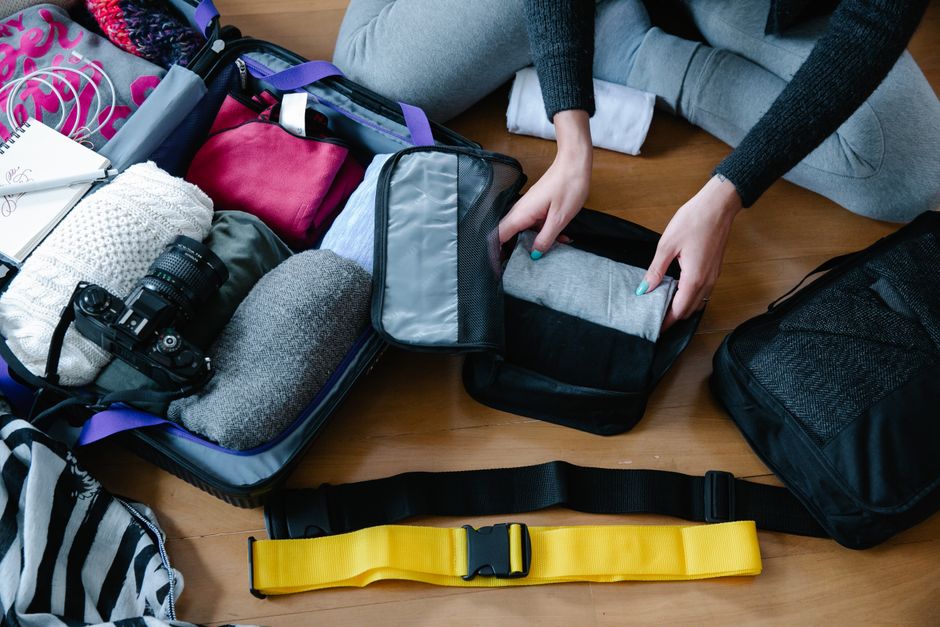
Now that you know what to pack for mixed weather across two continents, let’s talk about how to fit it all in without resorting to extra bags. Space is at a premium, especially when you’re traveling with kids.
Maximizing Space and Minimizing Wrinkles
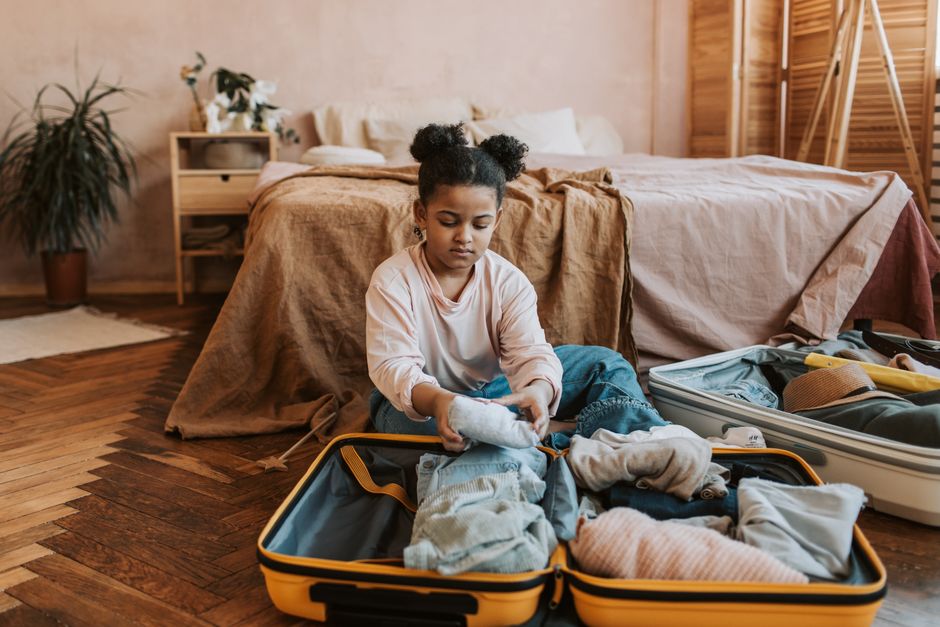
- Packing Cubes: These are a practical advantage for organizing and compressing clothes. Give each family member their own color or set to keep things tidy. They make it easy to find specific items without rummaging and compress clothing surprisingly well.
- Rolling vs. Folding: Rolling clothes tightly can save space and minimize wrinkles more effectively than traditional folding, especially for t-shirts and soft garments.
- Wear Your Bulkiest Items: Always wear your heaviest shoes and your largest jacket on travel days. This frees up significant space in your luggage.
- Laundry on the Go: Plan to do a small load of laundry halfway through your trip. Many hotels offer services, or you can find laundromats, particularly in European cities. Even hand-washing quick-dry items in a sink can extend your wardrobe. Travel-sized detergent sheets are handy.
Beyond Clothing: The Essential Travel Kit
Packing for mixed weather isn’t just about clothes. A few other items are critical for comfort and convenience.
- Reusable Water Bottles: Staying hydrated is important, especially in Mexico City’s altitude or during long days of sightseeing. Many airports and public places have refill stations.
- Travel-Sized Toiletries: Decant your favorites into reusable containers to save space and comply with carry-on liquid limits.
- First-Aid Kit: Small cuts, blisters, or headaches can happen anywhere. Include band-aids, antiseptic wipes, pain relievers, and any personal medications.
- Portable Power Bank: For keeping phones and tablets charged, especially on long travel days or when out exploring.
FAQ: Packing for Mixed Weather Travel
Can I really pack a family for two continents in carry-ons?
Yes, with strategic planning, it’s entirely possible to pack a family for two continents using only carry-on luggage. The key is focusing on versatile, layered clothing, quick-drying fabrics, and rolling clothes tightly. Prioritize essentials and plan for laundry to minimize the number of outfits needed.
Finding Your Home Away From Home: Best Neighborhoods for Local Food, Transit, and Real-World Living
What’s the best fabric for mixed weather travel?
Merino wool and synthetic blends (like polyester or nylon) are superior for mixed weather travel. Merino wool excels at temperature regulation and odor resistance, while synthetics are lightweight, durable, and dry quickly. Avoid heavy cotton which retains moisture and takes longer to dry.
How many shoes should each person bring for a multi-climate trip?
Each person should bring a maximum of two pairs of shoes: one comfortable, supportive, and ideally waterproof walking shoe or sneaker, and one versatile open-toed option like sandals or flip-flops for warmer climates or casual wear. Wear the bulkiest pair on travel days.
How can I keep my kids comfortable in varying temperatures?
Keeping kids comfortable in varying temperatures relies on effective layering. Dress them in breathable base layers, add a fleece or light jacket as a mid-layer, and always have a waterproof outer layer readily available. Frequent checks and adjustments to their clothing are key to prevent them from getting too hot or cold.
Are packing cubes worth it for family travel?
Absolutely, packing cubes are highly recommended for family travel. They help organize clothes, compress items to save space, and make it easier to locate specific outfits for each family member. This prevents rummaging and keeps luggage tidy, which is invaluable when traveling with children.
Should I pack specific outfits for nice dinners or special occasions?
Instead of specific ‘nice’ outfits, opt for versatile pieces that can be dressed up or down. A dark pair of jeans or travel pants with a nicer top and a simple accessory can often serve for a pleasant dinner in Lisbon. For kids, a clean, wrinkle-resistant shirt can transform an everyday outfit.
Final Thoughts on Smart Travel
Packing for mixed weather across two continents might seem like a Herculean task, but with a focus on layers, versatile fabrics, and smart packing techniques, your family can travel comfortably and efficiently. Whether you’re navigating the urban sprawl of Mexico City, enjoying the natural beauty of Vancouver, or soaking in the history of Lisbon, being prepared for varied climates means more time making memories and less time worrying about luggage. Start planning smarter trips today with Le Daily Post.