

Many coastal cities excel in offering exceptional culinary experiences, pedestrian-friendly environments, and efficient public transit systems, making them ideal for travelers seeking a hassle-free and enriching city break. Destinations like Barcelona, with its extensive metro and bus network, incredible tapas, and beachfront promenades, or Lisbon, known for its tram routes, seafood, and historic hillsides, perfectly illustrate this balance. Even larger hubs like Vancouver or Buenos Aires provide accessible waterfronts, diverse food scenes, and reliable transportation, ensuring visitors can navigate and savor their surroundings with ease, focusing on exploration rather than logistics.
There’s a particular satisfaction in arriving in a new city, dropping your bags, and knowing you won’t need to touch a car key for your entire stay. It’s about the freedom to wander, to stumble upon a hidden cafe, to follow the scent of fresh pastries or grilled seafood down a winding alley, and then, when your feet are tired, hop on a tram or a subway without a second thought. For many frequent travelers, this combination of great food, inviting walks, and efficient public transit is the holy grail of urban exploration.
Coastal cities often deliver this experience in spades. They come with the added bonus of sea air, scenic waterfronts, and sometimes even sandy beaches accessible by the same transit system that takes you to a Michelin-starred restaurant or a bustling local market. It’s a dynamic blend that elevates a standard city break into something truly memorable.
Why Coastal Cities Nail the Food, Walks, and Transit Trifecta
Coastal cities naturally possess an inherent advantage when it comes to delivering on the promise of great food, walks, and easy transit. The proximity to the sea means a fresh, often vibrant, seafood scene is almost guaranteed, forming the backbone of local culinary traditions. Think of the bacalhau in Lisbon, the paella in Barcelona, or the Dungeness crab in Vancouver – these are flavors deeply tied to their maritime heritage.
Beyond the plate, the geography itself often dictates walkable urban layouts. Many older European coastal cities, for instance, developed organically around ports and defensive structures, leading to dense, pedestrian-friendly centers. Even newer cities on coastlines tend to embrace their waterfronts with promenades, parks, and accessible public spaces that encourage walking and cycling.
Finally, transit. Historically, ports were crucial hubs, and modern coastal cities often maintain excellent infrastructure to move both goods and people. This legacy often translates into comprehensive public transportation networks – trams, metros, ferries – that connect diverse neighborhoods, cultural sites, and, crucially, those inviting waterfront areas, making it simple to explore without relying on private vehicles.
Plan Family Travel Without Overloading the Schedule: Better Habits and Common Traps

Our Top Picks: Coastal Cities for Food, Walks, and Easy Transit
- Barcelona, Spain: A Tapestry of Tastes and Metro Lines
Barcelona is almost synonymous with effortless urban exploration. Its metro system is extensive, clean, and incredibly efficient, easily connecting you from Gaudi’s Sagrada Familia to the Gothic Quarter’s labyrinthine streets and down to the beaches of Barceloneta. The food scene is legendary, from casual tapas bars serving patatas bravas and fresh seafood to world-class fine dining. Walking is a joy, whether you’re strolling Las Ramblas (mind your wallet!), exploring the whimsical Parc de la Ciutadella, or taking a sunset promenade along the Mediterranean. - Lisbon, Portugal: Hills, Tiles, and Trams to Delight
Lisbon offers a distinctly European charm. Its iconic yellow trams, like Tram 28, are not just transit; they’re tourist attractions in themselves, rattling through historic neighborhoods like Alfama and Bairro Alto. The city’s hilly terrain means every walk offers new viewpoints, revealing colorful tiled buildings and the sparkling Tagus River. Culinary delights include pasteis de nata, grilled sardines, and a plethora of seafood, all easily accessible via tram, metro, or simply by foot up and down its famous seven hills. - Vancouver, Canada: Nature, Nosh, and a SkyTrain Ride
For North American travelers, Vancouver presents an unbeatable package. Nestled between mountains and the Pacific Ocean, it boasts an incredible food scene, from fresh Pacific seafood to diverse Asian cuisine. The city is incredibly walkable, particularly its downtown core, Stanley Park, and False Creek seawall. Its SkyTrain system is efficient and connects major hubs, while the SeaBus offers a scenic commute across the Burrard Inlet. You can easily spend a day cycling Stanley Park, enjoying a sushi lunch, and then taking transit to explore Granville Island Market. - Buenos Aires, Argentina: Tango, Steaks, and a Subte System
Shifting to South America, Buenos Aires, though a river port rather than strictly coastal, feels distinctly maritime and offers an urban experience that checks all these boxes. Its ‘Subte’ (subway) system is historic and covers key areas, supplemented by an extensive bus network. The city is famous for its parrillas (steakhouses), empanadas, and vibrant cafe culture. Walking through neighborhoods like Palermo with its parks, Recoleta with its grand architecture, or the colorful La Boca is a key part of the experience, offering a different vibe around every corner. - Sydney, Australia: Harbour Views, Dining, and Ferry Adventures
Sydney takes full advantage of its stunning harbor. While it’s a sprawling city, its public transport, including trains, buses, and especially its iconic ferries, makes getting around efficient and scenic. Imagine commuting to work by ferry past the Opera House! The food scene is globally influenced and vibrant, from fresh seafood at Circular Quay to trendy cafes in Surry Hills. Walking paths around the harbor, through the Royal Botanic Garden, and along Bondi Beach offer breathtaking views and easy access to dining. - San Francisco, USA: Hills, Cable Cars, and Culinary Innovation
Back in North America, San Francisco offers a unique blend. Its famous cable cars and Muni transit system can navigate its iconic hills, making challenging walks optional. The city is a culinary mecca, known for sourdough, Dungeness crab, and a perpetually innovative dining scene, from Chinatown dim sum to Mission District burritos. While hilly, many districts are highly walkable, and the Golden Gate Bridge offers one of the world’s most epic strolls.
Comparing Coastal City Transit, Walkability, and Food Scenes
To give you a clearer picture, here’s a quick comparison of some standout coastal cities for food, walks, and easy transit:
| City | Transit Accessibility | Walkability Score | Food Scene Highlights |
|---|---|---|---|
| Barcelona, Spain | Excellent Metro & Bus | High (Flat city center, extensive pedestrian zones) | Tapas, Paella, Seafood, Catalan cuisine |
| Lisbon, Portugal | Good Metro & Iconic Trams | Medium-High (Hilly, but many charming walking routes) | Bacalhau, Pasteis de Nata, Seafood, Traditional Portuguese |
| Vancouver, Canada | Excellent SkyTrain & SeaBus | High (Seawall, parks, compact downtown) | Pacific Seafood, Asian Cuisine, Farm-to-Table |
| Buenos Aires, Argentina | Good Subte & Bus Network | High (Flat, broad boulevards, distinct neighborhoods) | Argentinian Steak, Empanadas, Malbec wine |
| Sydney, Australia | Good Train, Bus & Ferry Network | Medium (Central areas highly walkable, vast city) | Fresh Seafood, Modern Australian, International cuisine |
| San Francisco, USA | Good Muni & Cable Car, BART for region | Medium-High (Hilly, but many pedestrian-friendly areas) | Dungeness Crab, Sourdough, Californian cuisine, diverse ethnic food |

Common Mistakes to Avoid When Planning Coastal City Trips
Even in cities with great food, walks, and transit, a little planning goes a long way. A common mistake is assuming that ‘walkable’ means ‘flat’. Lisbon, for example, is incredibly walkable in terms of density and interest, but its hills can be challenging if you have mobility issues or aren’t prepared for the workout. Always check the topography of specific neighborhoods you plan to explore.
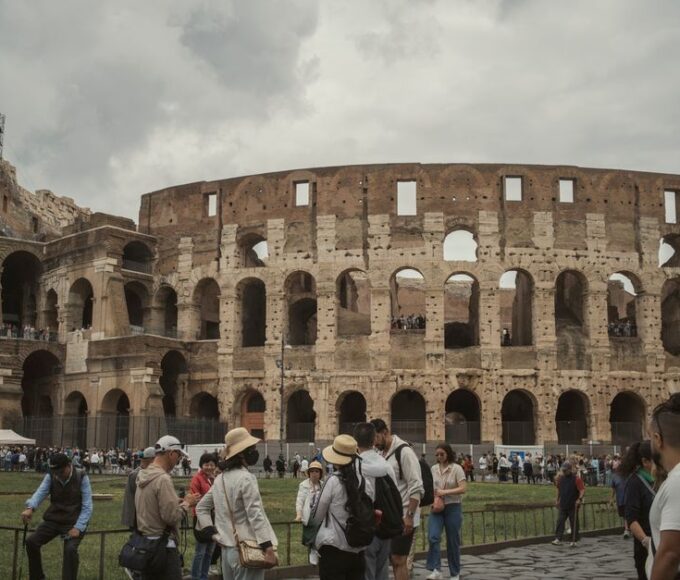
Another pitfall is underestimating the sheer size of some coastal cities. While central areas might be well-covered by transit, extending your exploration to far-flung beaches or suburbs might require more travel time than anticipated. For instance, Rome, while not strictly coastal, is a prime example of a city where its ancient core is walkable, but reaching areas like the Vatican or Trastevere might involve a metro ride and a subsequent walk. Barcelona’s beaches are integrated, but getting to Park Güell from the city center requires a dedicated metro or bus trip, often with an uphill walk.
Regarding food, don’t exclusively rely on tourist traps. Many popular areas, like Times Square in New York, will have easily accessible food, but it’s often overpriced and caters to a generic palate. New York’s true culinary gems are found by venturing into neighborhoods like Greenwich Village, the Lower East Side, or Flushing, Queens, which are all well-served by its extensive subway. Always seek out local recommendations or use trusted food blogs to find authentic experiences.
Finally, always check transit hours, especially late at night or on holidays. While many major cities offer extensive late-night services, some smaller systems or specific routes might shut down earlier than expected, leaving you reliant on taxis or ride-shares. Also, be aware of peak hours; what’s an easy ride at 10 AM can be a packed sardine can at 5 PM.
Escape to Comfort and Adventure with Bookabach Holiday Rentals
FAQ: Making the Most of Coastal City Exploration
Is Rome considered a coastal city for food, walks, and transit?
While Rome itself is inland, about 20km from the Tyrrhenian Sea, it offers an incredible experience for food and walks, with its historic center being a UNESCO World Heritage site perfect for pedestrians. Its public transit system (metro, tram, bus) is extensive. You can reach the coastal town of Ostia Lido by train for a beach day, but Rome’s core appeal isn’t directly coastal.
What makes Barcelona an ideal coastal city for these interests?
Barcelona excels due to its brilliant integration of urban life with its Mediterranean coastline. Its efficient metro system provides easy access to all major attractions and beaches. The city is largely flat and exceptionally walkable, featuring stunning architecture and vibrant neighborhoods. Its culinary scene, renowned for tapas, paella, and fresh seafood, is easily enjoyed throughout its accessible districts.
How does New York City fare as a coastal city for food, walks, and transit?
New York City, bordered by the Atlantic Ocean, offers unparalleled food diversity and iconic walks (e.g., Central Park, Brooklyn Bridge). Its extensive 24/7 subway system makes transit incredibly easy. While it has beaches (like Coney Island), its primary coastal appeal lies more in its waterfront promenades and ferry connections rather than direct beach culture within Manhattan, but it absolutely shines for food, walks, and transit.
Are coastal cities in South America good for food, walks, and transit?
Absolutely. Cities like Buenos Aires (technically a river port with strong maritime ties) and Rio de Janeiro offer fantastic options. Buenos Aires has excellent food (steaks, empanadas), walkable, beautiful neighborhoods, and a comprehensive ‘Subte’ (subway) system. Rio boasts iconic beaches, a metro system, and incredible local cuisine, though walkability varies by neighborhood.
What should readers know about coastal cities for food, walks, and transit?
Readers should know that these cities offer a unique blend of urban culture, culinary delights, and natural beauty. The key benefits are reduced reliance on rental cars, opportunities for serendipitous discovery on foot, and access to fresh, local seafood. Researching specific neighborhoods for walkability and transit links, and always seeking out authentic local eateries, will enhance the experience significantly.
Planning smarter trips to these incredible destinations can truly improve your travel experience. To dive deeper into making the most of your explorations, plan smarter trips with Le Daily Post.