

Successful digital nomad city planning for first-time international travelers involves understanding visa regulations, calculating the cost of living, and researching local culture and infrastructure. For cities like Lisbon, Medellin, Mexico City, and Montreal, this means looking into specific digital nomad visas, comparing monthly expenses for accommodation and food, and assessing internet reliability. It’s crucial to prioritize legal entry, financial stability, and a supportive environment to make the transition smooth and sustainable. A common mistake is underestimating the non-obvious costs and overestimating visa simplicity.
So, you’re eyeing that first big jump into the digital nomad lifestyle. The allure of working from a sun-drenched cafe in Lisbon, exploring the vibrant streets of Mexico City, or perhaps enjoying the unique blend of cultures in Montreal is strong. For many, the idea of packing up their laptop and setting off is exhilarating, but the practicalities can feel daunting. This isn’t just about booking a flight; it’s about setting up a new life, even if temporary, in a foreign land.
Moving abroad, even for a few months, requires a different kind of planning than a typical vacation. You’re not just a tourist; you’re trying to integrate, work, and live in a new environment. This guide will walk you through the essential considerations for digital nomad planning, focusing on what you need to know about Lisbon, Medellin, Mexico City, and Montreal, and how to avoid common pitfalls for first-time international travelers.
Let’s skip the fluffy ‘travel dreams’ and get to the concrete steps. You need to know about visas, how much money you’ll realistically spend, and what daily life actually looks like in these diverse hubs. Think of it as a playbook for your inaugural international remote work adventure.
Visa Realities for Remote Workers: Don’t Get Caught Off Guard
One of the biggest hurdles, and often the most overlooked, is securing the correct legal status. You can’t just show up on a tourist visa and start working remotely for your US or European company. That’s illegal, and while some get away with it, it’s a risky game to play. Countries are increasingly aware of digital nomads and are adapting their immigration policies. Understanding the visa landscape for Europe, South America, and North America is critical.
Navigating European Entry: The Case of Lisbon
Lisbon, Portugal, has become a magnet for digital nomads, and for good reason. It offers a relatively low cost of living compared to other Western European capitals like Rome or New York, a fantastic climate, and a welcoming culture. Crucially, Portugal was one of the first European countries to introduce a specific Digital Nomad Visa (D8 Visa) in late 2022. This visa allows non-EU/EEA citizens to reside and work remotely in Portugal for up to a year, with the possibility of renewal, or even apply for a residence permit.
- Requirements: You’ll typically need proof of income (often around four times the national minimum wage, so roughly €3,040 per month as of early 2024), proof of accommodation in Portugal, health insurance, and a clean criminal record.
- Process: Apply at a Portuguese consulate in your home country. It can take several weeks or even months, so plan well in advance. Don’t expect to apply in Lisbon on a tourist visa.
South American Flexibility: Medellin’s Appeal
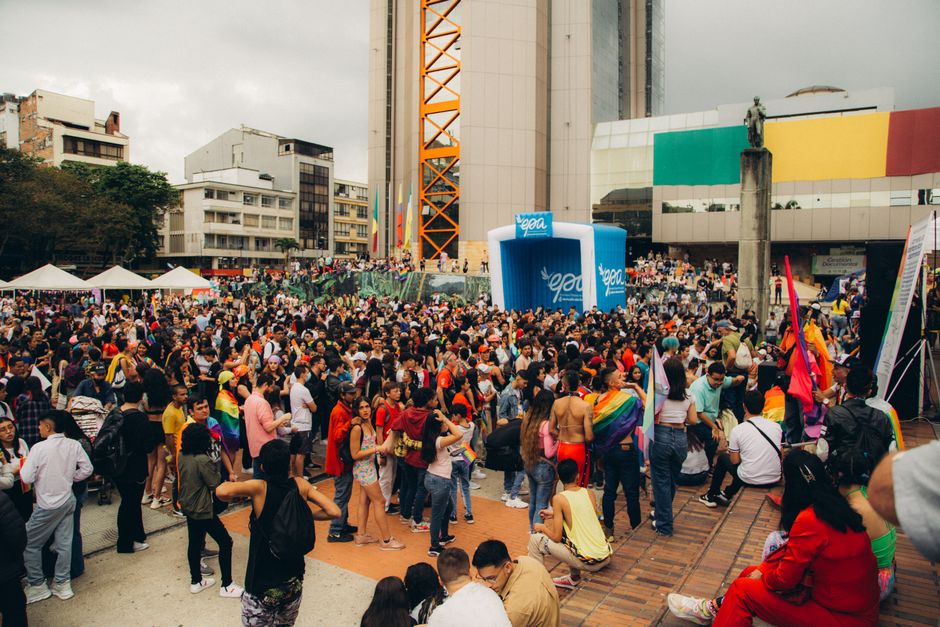
Medellin, Colombia, offers a different flavor. Known for its ‘eternal spring’ climate and burgeoning tech scene, it’s a popular choice for those looking for a lower cost of living and a vibrant culture. Colombia also has a Digital Nomad Visa (V-type visa) that came into effect in late 2022. This permits stays of up to two years.
- Requirements: Similar to Portugal, you’ll need proof of income (usually three times the Colombian minimum wage, around COP 3.9 million or approximately $1,000 USD per month), health insurance, and a valid passport.
- Process: The application can often be done online through the Colombian Ministry of Foreign Affairs website, making it somewhat more accessible than some European options. However, ensure all your documents are translated and apostilled if required.
North American Gateway: Mexico City and Montreal
Mexico City, a sprawling metropolis, doesn’t have a specific digital nomad visa, but its Temporary Resident Visa can work for many. This visa typically requires proving solvency (a certain amount in your bank account over several months or consistent monthly income) and allows stays longer than the standard 180-day tourist visa. The application is usually done at a Mexican consulate outside Mexico.
Montreal, Canada, presents a more challenging landscape for long-term remote work without a direct work permit or permanent residency. While Canada has announced plans for a digital nomad stream, it’s still evolving. Currently, most non-Canadians can visit for up to six months as tourists. If your stay exceeds this, or if you intend to work for a Canadian company, you’ll generally need a work permit, which is tied to a specific employer and significantly more complex than a digital nomad visa. The key here is not to conflate visiting on an eTA or visitor visa with having the legal right to work remotely for an extended period.
Understanding the True Cost of Living: Beyond Rent
When you’re doing your digital nomad planning, it’s easy to focus solely on rent. But a realistic budget includes everything from groceries to local transport, co-working spaces, and that all-important travel insurance. A common mistake is underestimating daily incidentals.
Budgeting for Europe: Lisbon’s Charm
Lisbon remains relatively affordable for Western Europe, but prices have been increasing. For a comfortable life, expect to spend:
- Accommodation: A decent 1-bedroom apartment can range from €800-€1,500 per month, depending on location and amenities. Airbnb or local rental sites like Idealista are good starting points.
- Groceries: €200-€350 per month. Supermarkets like Pingo Doce or Continente offer good value.
- Eating Out: A meal at a local ‘tasca’ can be €10-€15, while a mid-range restaurant might be €25-€40 per person.
- Transport: A monthly Navegante pass for public transport is around €40.
- Co-working: €100-€250 per month, with options like Heden or Avila Spaces.
Total monthly estimate: €1,500 – €2,500.
South American Value: Medellin’s Economy
Medellin offers excellent value for money, especially when compared to North American or European cities. Even Buenos Aires can feel pricier for certain amenities.
A Realistic Seven-Day Itinerary for Busy Cities: Setup Guide for Families
- Accommodation: A nice 1-bedroom apartment in popular areas like El Poblado or Laureles can be COP 1.5 million – COP 3 million (approx. $400-$800 USD) per month.
- Groceries: COP 800,000 – COP 1.2 million (approx. $200-$300 USD) per month. Exito or Jumbo are large supermarket chains.
- Eating Out: A local ‘menu del día’ can be as little as COP 15,000 ($4 USD), while a good restaurant might be COP 50,000-COP 100,000 ($13-$26 USD).
- Transport: Metro rides are cheap, around COP 3,000 ($0.80 USD). A monthly transport budget of COP 100,000-COP 200,000 ($26-$50 USD) is sufficient.
- Co-working: COP 400,000 – COP 800,000 (approx. $100-$200 USD) per month, with spots like Impact Hub or Selina.
Total monthly estimate: $1,000 – $1,800 USD.
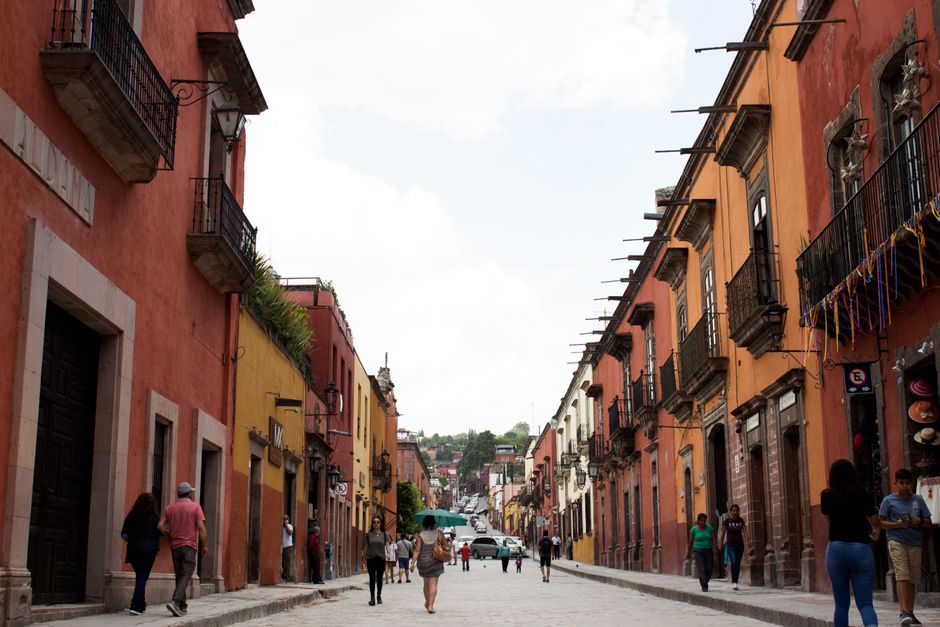
North American Nuances: Mexico City & Montreal
Mexico City can be surprisingly affordable for a mega-city, but it’s not as cheap as Medellin. Montreal, on the other hand, is firmly in the higher-cost North American bracket, though often cheaper than major US cities like New York.
- Mexico City Accommodation: A 1-bedroom in popular areas like Roma Norte or Condesa might be MXN 15,000 – MXN 30,000 (approx. $900-$1,800 USD). Look on platforms like Inmuebles24.
- Mexico City Groceries: MXN 4,000 – MXN 7,000 (approx. $240-$400 USD). Superama or Mercado de Medellín are good options.
- Mexico City Eating Out: Street food is incredibly cheap (MXN 50-MXN 100 for a meal). Mid-range restaurants are MXN 300-MXN 600.
- Mexico City Transport: The Metro is extremely cheap at MXN 5 per ride. A monthly budget of MXN 300-MXN 500 is common.
- Mexico City Co-working: MXN 2,500 – MXN 5,000 (approx. $150-$300 USD) per month.
Mexico City Total monthly estimate: $1,500 – $2,800 USD.
- Montreal Accommodation: A 1-bedroom in central areas can be CAD 1,400 – CAD 2,200 (approx. $1,000-$1,600 USD). Kijiji or Centris are common rental sites.
- Montreal Groceries: CAD 400 – CAD 600 (approx. $300-$450 USD). IGA, Metro, or Jean Coutu for pharmacy.
- Montreal Eating Out: A casual lunch might be CAD 20-CAD 30. Dinner at a good restaurant CAD 50-CAD 80+.
- Montreal Transport: A monthly STM pass is CAD 97.
- Montreal Co-working: CAD 250 – CAD 500 (approx. $180-$370 USD). Options like WeWork or Halte 24-7.
Montreal Total monthly estimate: $2,000 – $3,500 USD.
Connectivity, Co-working, and Community: Setting Up Your Workspace
Reliable internet is non-negotiable for digital nomads. Beyond that, finding a comfortable workspace and connecting with like-minded individuals can make or break your experience. Think about your routine: do you thrive in cafes, need a dedicated co-working space, or prefer working from your apartment?
Lisbon’s Digital Infrastructure
Portugal generally has excellent internet speeds. Wi-Fi is widely available in cafes, and home internet packages are reliable. Lisbon has a thriving digital nomad community, and numerous co-working spaces cater to different needs:
- Heden: Multiple locations, popular, good community events.
- Avila Spaces: More corporate feel, professional services.
- Impact Hub Lisbon: Focus on social impact, collaborative environment.
Meetup groups and Facebook groups are active for connecting with other remote workers.
Medellin’s Growing Tech Scene
Medellin has invested heavily in its tech infrastructure, and internet speeds are generally very good, especially in areas popular with expats like El Poblado and Laureles. Co-working spaces are plentiful and often more affordable:
- Impact Hub Medellín: Part of a global network, good for networking.
- Selina: Combines co-working with accommodation, often bustling.
- Collabora: Modern, well-equipped space.
The digital nomad scene is strong, with many active online and in-person communities.
Mexico City’s Dynamic Hub
Internet in Mexico City is generally good in central areas, though it can vary. Many cafes offer decent Wi-Fi. The city’s sheer size means there are options for every preference:
- WeWork: Several locations across the city, reliable and professional.
- Impact Hub Ciudad de México: Similar to its global counterparts.
- Público: Trendy, design-focused co-working.
For community, look to specific neighborhood groups on Facebook or dedicated digital nomad Mexico City meetups.
Montreal’s Urban Connection
Canada boasts solid internet infrastructure. Montreal is no exception, with fast and reliable internet readily available. The city has a strong entrepreneurial spirit, reflected in its co-working spaces:
Create Memorable Vacations with Bookabach Holiday Home Rentals
- WeWork: Multiple locations downtown.
- Halte 24-7: Popular for its modern facilities and central location.
- Crew Collective & Café: A stunning former bank building that’s both a cafe and co-working space, perfect for short stints or a professional vibe.
Montreal has a vibrant expat community, though perhaps less focused purely on digital nomadism than Lisbon or Medellin. Language can be a factor – while many speak English, French is the official language and knowing some will enhance your experience.
Cultural Immersion and Local Etiquette
Beyond the practicalities, understanding and respecting local culture is key to a rewarding experience. This isn’t just about avoiding offense; it’s about enriching your time and making genuine connections.
Lisbon: Laid-back but Punctual
Portuguese culture is generally warm and welcoming. While they have a relaxed pace of life, don’t confuse it with a lack of punctuality for professional meetings. Learn a few basic Portuguese phrases – even ‘Olá’ (hello) and ‘Obrigado/a’ (thank you) go a long way. Dining culture is communal, and tipping around 5-10% for good service is appreciated.
Medellin: Warmth and Formality
Colombians are incredibly friendly and proud of their city. Expect greetings with ‘Hola’ and ‘Cómo estás?’. Politeness is highly valued, and addressing people formally until invited otherwise is common. Spanish is essential here. Be mindful of personal space; people tend to stand closer than in some Western cultures. Tipping is customary, often 10% in restaurants.
Mexico City: Vibrant and Respectful
Mexico City is a city of contrasts, blending ancient history with modern dynamism. Respect for elders and family is paramount. Learning Spanish is crucial for navigating daily life and showing respect. The culture is expressive and communal. When dealing with bureaucracy, patience is a virtue. Tipping is expected for most service industries, typically 10-15% in restaurants.
Montreal: Bilingual Blend
Montreal is a unique blend of French and North American cultures. French is the official language, and while most people in tourist and business areas speak English, making an effort with French is highly appreciated. Politeness and reserved friendliness characterize interactions. Punctuality is generally expected. Tipping culture is similar to the rest of North America, typically 15-20% in restaurants.
FAQs on Digital Nomad City Planning
What’s the best way to find long-term accommodation for digital nomads?
For longer stays, beyond a few weeks, consider local rental platforms like Idealista (Lisbon), Fincaraiz (Medellin), Inmuebles24 (Mexico City), or Kijiji/Centris (Montreal) for direct landlord contact. Facebook groups for expats or digital nomads in each city often have listings, and dedicated platforms like HousingAnywhere can also be useful for furnished options.
Do I need travel insurance if I have local health insurance for a visa?
Yes, comprehensive travel insurance is still highly recommended. While local health insurance might cover medical emergencies, travel insurance often provides broader protection, including trip cancellations, lost luggage, medical evacuation, and personal liability, which are not typically covered by standard local health plans.
How can I build a community quickly in a new digital nomad hub?
Utilize platforms like Meetup.com and Facebook groups (search for ‘Digital Nomads [City Name]’ or ‘Expats in [City Name]’). Attend co-working space events, join local language exchange groups, or participate in local hobby clubs. Be proactive, introduce yourself, and invite people for coffee or co-working sessions.
Is it safe to be a digital nomad in these cities?
Generally, yes, but like any large city, awareness is key. Lisbon and Montreal are very safe. Medellin and Mexico City have areas with higher crime rates, but popular digital nomad neighborhoods are usually safe during the day and with standard precautions at night. Always research specific neighborhoods, avoid walking alone at night in unfamiliar areas, and be mindful of your belongings.
What’s the best way to handle money and banking abroad?
Consider opening a local bank account if your visa allows for longer stays, especially in places like Portugal. For day-to-day spending and ATM withdrawals, services like Wise (formerly TransferWise) or Revolut offer good exchange rates and low fees. Always inform your home bank of your travel plans to avoid card freezes.
What are the biggest challenges for first-time international digital nomads?
The biggest challenges often include navigating visa complexities, underestimating the true cost of living, dealing with culture shock and homesickness, and managing time zones for remote work. Patience with bureaucracy, flexibility, and a proactive approach to solving problems are essential for a smooth transition.
Your Next Chapter Awaits: Smart Digital Nomad Planning
Embarking on a digital nomad journey to places like Lisbon, Medellin, Mexico City, or Montreal is an incredible opportunity for personal and professional growth. It demands thorough digital nomad planning, from securing the right visas and understanding your financial commitments to embracing local cultures and building new connections. By taking the time to research, prepare, and adapt, you can transform these vibrant cities into your temporary home and office. Don’t just dream about it; plan smarter trips with Le Daily Post.
Ready to turn your remote work aspirations into reality? Plan smarter trips with Le Daily Post for more insights and guides.