

There’s nothing quite like the mild panic that sets in when your smartphone battery icon turns red, especially when you’re navigating an unfamiliar city in Europe, trying to find your way through a bustling market in South America, or keeping kids entertained on a long drive across North America. In our increasingly connected world, a dead phone isn’t just an inconvenience; it can be a real problem.
Many of us have learned this lesson the hard way – perhaps after missing an important email, being unable to access digital boarding passes, or losing GPS navigation in a crucial moment. That’s why choosing a power bank for travel and daily carry isn’t a luxury; it’s a fundamental part of modern preparedness. But with so many options, how do you pick the right one?
Understanding the Basics: Capacity, Ports, and Power Delivery
Before you even look at a specific model, it helps to understand the core specifications that define a power bank’s utility. These aren’t just technical terms; they directly impact how well a power bank serves your needs, whether you’re topping up your Apple iPhone on the go or keeping a Microsoft Surface Go charged during a flight.
Battery Capacity (mAh)
This is arguably the most important number. mAh (milliampere-hours) indicates how much charge the power bank can hold. A higher mAh means more charges for your devices. A standard smartphone battery today is typically in the 3,000-5,000mAh range. Here’s a rough guide:
- 5,000mAh: Good for a single full smartphone charge, ideal for light daily carry or emergencies.
- 10,000mAh: Offers 1-2 smartphone charges. A popular choice for daily use and short trips.
- 20,000mAh: Provides 3-5 smartphone charges, or enough to charge a tablet once. Excellent for longer travel or if you carry multiple devices.
- 25,000mAh and above: Designed for charging laptops or multiple devices repeatedly. These are often heavier and bulkier.
Remember, the stated capacity isn’t what you’ll get. Energy is lost during conversion, so expect about 70-85% of the power bank’s stated capacity to be usable.
Output Ports and Connectivity
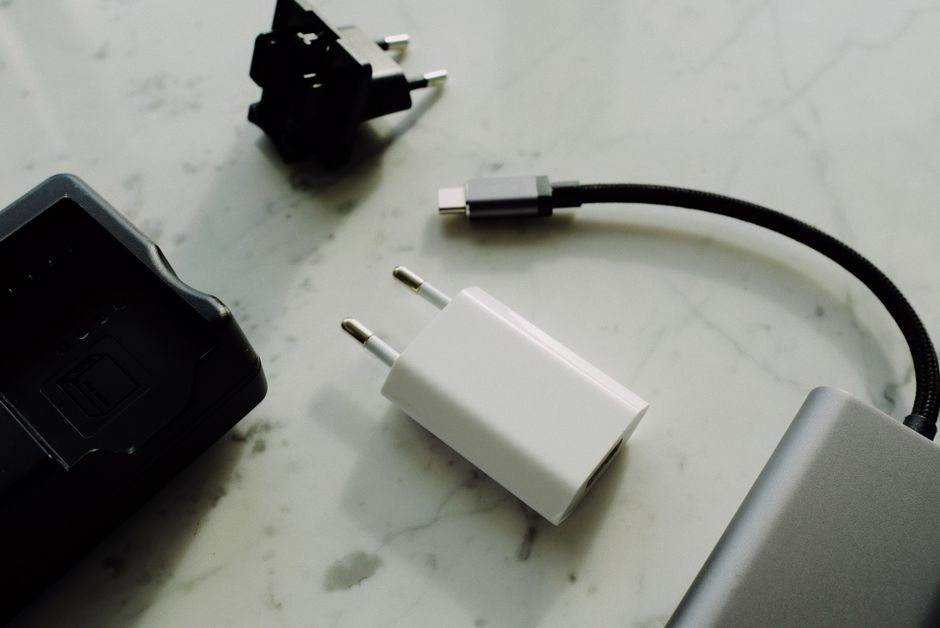
The type and number of ports determine what you can charge and how efficiently. Most modern power banks will feature:
- USB-A: The traditional rectangular port, still common for older devices and accessories.
- USB-C: The reversible, oval-shaped port. This is key for fast charging modern devices and often serves as both input (to charge the power bank) and output (to charge your phone/tablet/laptop).
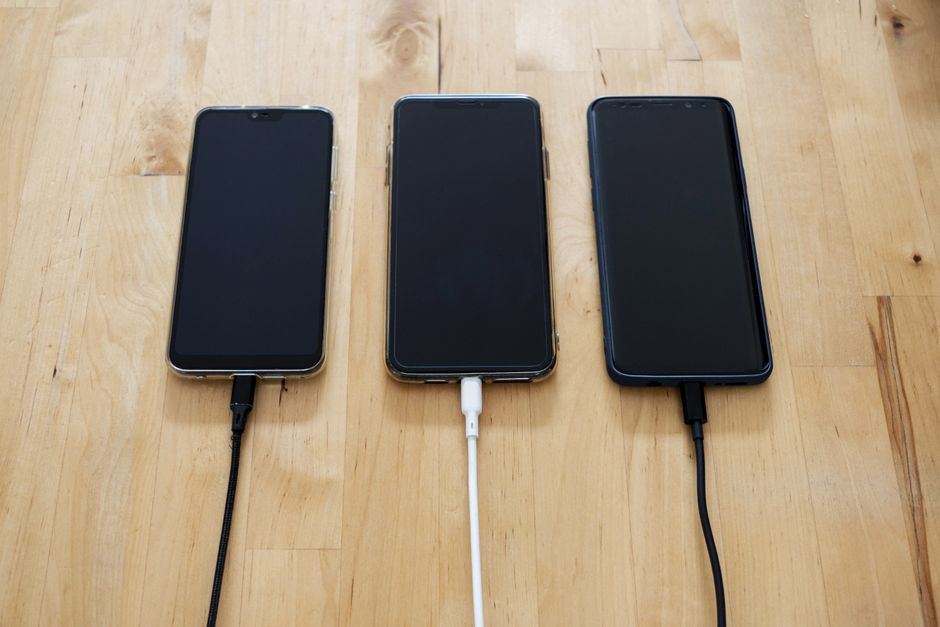
For Apple users, while older iPhones use Lightning, newer models like the iPhone 15 and beyond have moved to USB-C. Android phones have largely adopted USB-C as well. Many tablets and even some lightweight laptops (like the MacBook Air or Microsoft Surface Go) can be charged via USB-C Power Delivery.
Power Delivery (PD) and Quick Charge (QC)
These are fast-charging protocols. USB-C Power Delivery (PD) is the industry standard for rapid charging a wide range of devices, from smartphones to laptops. Look for power banks that support at least 18W or 20W PD for fast phone charging, and 30W+ if you plan to charge a tablet or a small laptop. Quick Charge (QC) is Qualcomm’s proprietary fast-charging tech, common in many Android devices. Some power banks support both.
Practical Tips for Choosing a Power Bank for Travel
With the basics covered, let’s dive into practical considerations for how to choose a power bank for travel and daily carry that truly fits your lifestyle.
1. Assess Your Device Portfolio
Before you buy, list every device you plan to charge: phone, tablet, e-reader, earbuds, smartwatch, portable Wi-Fi 7 hotspot, action camera, even a small laptop. Note their battery capacities and their charging port types (USB-C, Lightning, micro-USB). This dictates the power bank’s necessary capacity and port configuration.
How to Build a Simple Digital Filing System Without Overcomplicating It
2. Consider Your Travel Style and Duration
Are you a weekend warrior, a transatlantic traveler, or a daily commuter? A 10,000mAh Anker PowerCore Slim 10000 PD might be perfect for a weekend trip to a European city, offering one to two full smartphone charges without adding much weight. For a two-week family vacation traversing South America, where power outlets might be scarce, a 20,000mAh or 25,000mAh model from brands like Poweradd or RAVPower would be more suitable, especially if you’re charging multiple devices.
3. Prioritize USB-C PD for Speed and Versatility
As mentioned, USB-C Power Delivery is the future. If your phone, tablet, or laptop supports it, ensure your power bank does too. A 20W PD output can charge an iPhone 15 or many Android phones to 50% in about 30 minutes. This is invaluable when you’re grabbing a quick coffee between connections.
4. Check for Pass-Through Charging
Some power banks can charge your device while the power bank itself is being charged. This ‘pass-through’ functionality is incredibly useful in hotels or at home, allowing you to use a single wall outlet to charge both the power bank and your phone overnight.
5. Don’t Overlook Portability and Weight
A 25,000mAh power bank might seem ideal, but if it weighs a pound and is the size of a brick, you might leave it behind. For daily carry, something slim and light, like the Zendure SuperMini 10K, is often preferred. For travel, balance capacity with the ease of fitting it into your carry-on or backpack. Most airlines have restrictions on lithium-ion batteries in checked luggage, generally requiring them to be in carry-on and not exceeding 100Wh (watt-hours), which typically translates to about 27,000mAh for common voltage power banks. Always confirm with your airline, especially for very high-capacity models.
6. Safety Features are Non-Negotiable
Look for power banks with built-in protections against overcharging, over-discharging, short-circuiting, and overheating. Reputable brands like Anker, Belkin, Jackery, and Goal Zero usually adhere to international safety standards. Counterfeit power banks often lack these crucial safeguards.
7. Consider Built-in Cables or Wireless Charging
Some power banks come with integrated cables (Lightning, USB-C, or micro-USB), which can reduce cable clutter. Others offer Qi wireless charging, letting you simply place your compatible phone (like an Apple iPhone or Samsung Galaxy) on the power bank. This is convenient but often slower than wired charging and can be less efficient.
8. Budget and Brand Reputation
While it’s tempting to go for the cheapest option, a quality power bank from a reputable brand usually offers better performance, durability, and safety features. Think of it as an investment in keeping your crucial devices alive. Read reviews, especially from travelers, to gauge real-world performance.
Comparing Popular Power Bank Options
To give you a better idea of what’s out there, here’s a quick comparison of typical power bank categories. These are representative examples, and specific models will vary.
| Feature | Compact Daily Carry | Balanced Travel | High-Capacity / Laptop Ready |
|---|---|---|---|
| Capacity (mAh) | 5,000 – 10,000 | 10,000 – 20,000 | 20,000 – 27,000+ |
| Size/Weight | Pocket-friendly, lightweight | Palm-sized, moderate weight | Larger, heavier |
| Primary Use | Single phone charge, emergency, very light daily use | Multiple phone charges, tablet, short trips, daily use | Multiple devices, laptop charging, extended travel, camping |
| Key Features | 1 USB-A, 1 USB-C (18W PD) | 1-2 USB-A, 1 USB-C (20-30W PD) | 2+ USB-A, 1-2 USB-C (45-100W PD), sometimes AC outlet |
| Typical Brands | Anker, Belkin, Samsung | Anker, RAVPower, Zendure | Jackery, Goal Zero, OmniCharge |
For most families traveling across North America or exploring a European capital for a week, a 20,000mAh power bank with 20W USB-C PD like the Anker PowerCore III Elite 20000mAh or the RAVPower PD Pioneer 20000mAh 60W is an excellent all-rounder.
Common Mistakes to Avoid When Choosing a Power Bank
Even with all this information, it’s easy to make missteps. Here are a few common pitfalls to steer clear of:
Don’t Toss It! Smart Ways to Make an Old Phone Useful Again in Real Life
1. Buying Solely on Price: While budget is a factor, ultra-cheap power banks often exaggerate their capacity, use low-quality components, and lack essential safety features. This can lead to poor performance, premature failure, or even safety risks like overheating.
2. Ignoring Input Speed: A powerful output is great, but how long does it take to charge the power bank itself? A large capacity power bank with slow input charging (e.g., only 5W micro-USB) can take 12-24 hours to fully recharge, which is impractical for fast-paced travel. Look for USB-C PD input for faster recharging of the power bank.
3. Not Checking Airline Regulations: As mentioned, high-capacity power banks (typically over 27,000mAh or 100Wh) may have restrictions or require airline approval for carry-on luggage. Never put lithium-ion batteries in checked luggage. A quick search of ‘airline name + power bank policy’ before your trip will save you headaches at the airport, whether you’re flying within Europe or to South America.
4. Forgetting About Cables: A power bank is useless without the right cables. Always carry a sturdy USB-C to USB-C cable for fast charging, and potentially a USB-A to Lightning/USB-C for older devices or accessories. Investing in durable, high-quality cables is just as important as the power bank itself.
5. Overestimating Needs for Daily Carry: For just a few hours out and about, a massive 25,000mAh power bank is overkill and unnecessarily heavy. A compact 5,000-10,000mAh unit is usually sufficient to give your phone a critical boost during the day.
FAQ: Answering Your Power Bank Questions
What capacity power bank do I need for international travel?
For international travel, a 20,000mAh power bank is generally ideal. It offers multiple charges for a smartphone, can power a tablet, and usually falls within airline carry-on limits (typically 100Wh or ~27,000mAh). This capacity provides sufficient backup for long flights, layovers, and times when power outlets are scarce, like during train travel in Europe or remote excursions in South America.
Can I charge my Apple iPhone with any power bank?
Yes, you can charge your Apple iPhone with virtually any power bank, provided you have the correct cable (Lightning for older iPhones, USB-C for iPhone 15 and newer). For fast charging, however, you’ll want a power bank with USB-C Power Delivery (PD) output of at least 20W. This will charge your iPhone significantly faster than older, standard USB-A outputs.
Is Wi-Fi 7 relevant to choosing a power bank?
Wi-Fi 7 itself isn’t directly relevant to choosing a power bank, as it’s a wireless connectivity standard. However, if you use a portable Wi-Fi 7 hotspot device, you’ll need a power bank to keep it charged. The power bank’s capacity and output ports should match the hotspot’s charging requirements, typically a standard USB-C connection.
What should I look for in a power bank if I want to charge a Microsoft Surface tablet?
To charge a Microsoft Surface tablet (like a Surface Go or Surface Pro that supports USB-C charging), look for a power bank with a high-wattage USB-C Power Delivery (PD) output, typically 30W or higher. The Surface series often requires more power than a smartphone, so a 20,000mAh or larger capacity power bank with sufficient PD output is recommended to effectively charge it.
Are power banks safe to carry on airplanes?
Yes, power banks are generally safe and required to be carried on airplanes in your carry-on luggage, not checked baggage. Most airlines permit power banks up to 100Wh (watt-hours) without special approval, which covers most power banks up to approximately 27,000mAh. Always check your specific airline’s regulations before flying, especially if your power bank is larger than 20,000mAh, to ensure compliance.
Choosing a power bank for travel and daily carry doesn’t have to be complicated. By understanding your needs and the key specifications, you can select a reliable companion that keeps your devices powered up, no matter where your adventures take you. From navigating busy streets to capturing unforgettable family moments, a well-chosen power bank offers peace of mind. Read more useful technology guides on Le Daily Post.