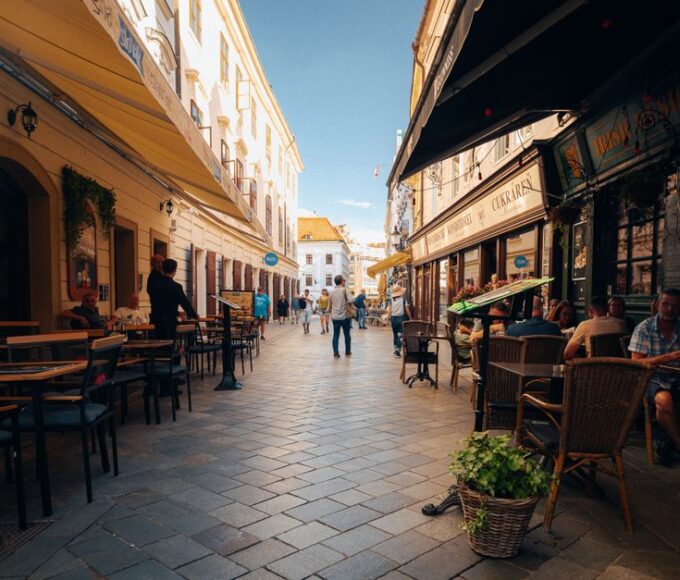


Making the leap to live in a new city or even a new continent – whether that’s bustling Berlin, vibrant Buenos Aires, or tranquil Toronto – is often seen as a grand adventure. And in many ways, it absolutely is. The promise of new experiences, career opportunities, and personal growth is incredibly alluring. Yet, beneath the surface of excitement and independence, a quieter, often more challenging reality can emerge: the profound impact of living far from family on your mental health.
That familiar comfort of a Sunday dinner at your parents’ house, the impromptu coffee with a sibling, or just knowing your best friend is a short drive away – these are anchors we often don’t fully appreciate until they’re gone. When these foundational relationships are suddenly thousands of miles and several time zones away, feelings of loneliness, isolation, and even anxiety can creep in. The good news is that you don’t need radical life changes or complex therapeutic frameworks to navigate this. There are straightforward, practical ways to effectively support your mental health when living far from family without overcomplicating it.
This isn’t about ignoring those feelings; it’s about acknowledging them and then equipping yourself with a toolkit of actionable strategies. It’s about building resilience and finding new ways to foster connection and well-being, no matter where your journey has taken you.

Quick Strategies to Boost Your Well-Being
Before diving into the deeper strategies, here’s a quick overview of key practices that can immediately make a difference in supporting your mental health when living far from family:
- Scheduled Check-ins: Plan regular video calls with family and close friends. Consistency is key.
- Local Community: Actively seek out local groups, clubs, or volunteer opportunities.
- Movement Matters: Incorporate daily physical activity, even just a walk around your neighborhood.
- Healthy Habits: Prioritize good sleep, balanced nutrition, and limited screen time.
- Digital Boundaries: Avoid endless social media scrolling that can amplify feelings of missing out.
- Self-Compassion: Acknowledge that it’s normal to feel lonely sometimes; don’t judge yourself for it.
- Explore Your Surroundings: Be a tourist in your own city to foster a sense of belonging.
Rebuilding Your Support Network: The Local Family
One of the most significant challenges when living far from family is the sudden void left by that immediate, unconditional support. You can’t just pop over to your sister’s house when you’ve had a bad day, or rely on your parents for an emergency pick-up. This is where the concept of building a ‘local family’ becomes paramount.
Finding Your Tribe in a New City
Think about what you enjoyed doing back home. Did you play a sport? Love reading? Enjoy cooking? Your new location, whether it’s a bustling European capital, a vibrant South American hub, or a sprawling North American metropolis, likely has communities built around those same interests. Join a local sports team, a book club at a neighborhood café, a hiking group exploring nearby trails, or even a language exchange if you’re in a country with a different primary language.
Apps like Meetup or local community boards (online and physical) are fantastic resources. For example, in Lisbon, you might find expat groups organizing potlucks; in Medellín, there are often salsa dancing classes; and across Canada, local libraries host numerous social events. These are low-pressure ways to meet people who share your passions and understand the unique experience of being new to an area. Don’t expect instant best friends; just focus on making connections. Over time, some of these acquaintances will blossom into genuine friendships, providing that much-needed local support.
Leveraging Technology for Connection, Not Isolation
In an age where video calls are commonplace, it’s easy to assume that staying connected with family is a given. Yet, many people struggle to maintain meaningful contact. The key is to be intentional and establish rhythms that work for everyone.
Scheduled Calls and Digital Rituals
Instead of vague promises to call ‘sometime soon,’ schedule regular check-ins. A weekly Sunday morning video call with your parents, a bi-weekly evening chat with your best friend, or a monthly ‘family news’ group video call can create a predictable routine. This consistency signals to both you and your loved ones that these connections are a priority. Use platforms like WhatsApp, Google Meet, or Zoom. Consider creating a shared family album on Google Photos or a private Instagram group where everyone can easily share updates and feel included in daily life, even from afar.
Building a Realistic Fitness Routine Without a Gym: What Actually Works
Beyond scheduled calls, think about digital rituals. Could you watch a favorite TV show together simultaneously and chat about it? Or play an online game with a sibling? These shared experiences, however small, mimic the casual togetherness you’d have if you were physically closer, helping to support mental health living far from family.
The Power of Movement: More Than Just Exercise
Physical activity is a well-documented antidote to stress and a powerful mood booster. When you’re feeling down or isolated, it’s often the last thing you want to do, but it’s precisely what can help.
Walking Your Way to Well-Being
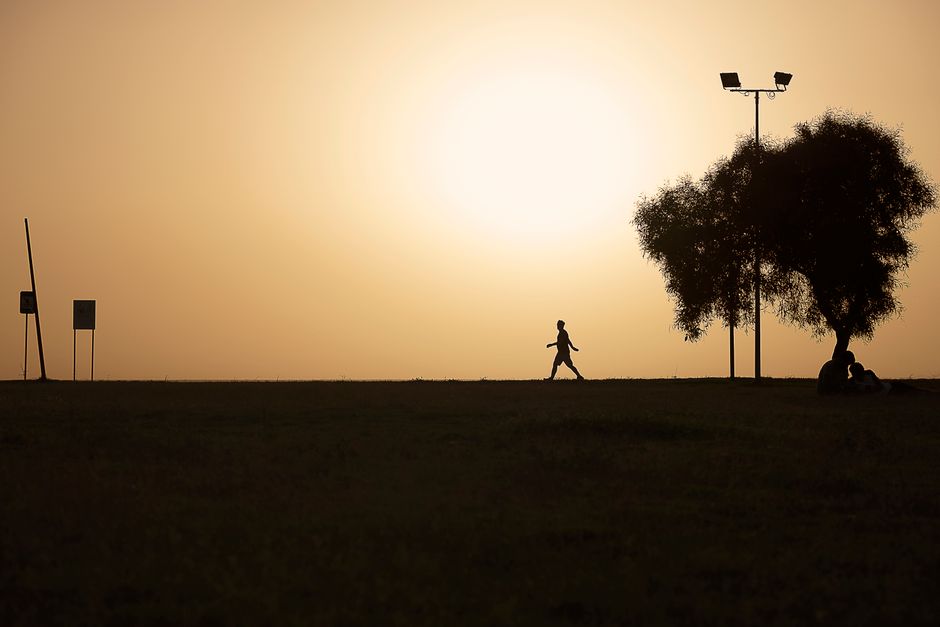
The CDC recommends adults get at least 150 minutes of moderate-intensity aerobic activity each week. For many, this sounds daunting. But breaking it down into daily walks is incredibly effective and accessible. A brisk 30-minute walk, five days a week, meets this recommendation. It doesn’t require a gym membership, special equipment, or even a specific route. Just step outside.
Walking isn’t just about physical health; it’s a mental health lifeline. It gets you out of your living space, exposes you to natural light (crucial for mood regulation), and offers a chance to observe your new surroundings. You might discover a charming local cafe, a beautiful park, or a vibrant street art installation. These small discoveries help build a sense of familiarity and belonging in your new home. Whether you’re strolling along the Seine in Paris, through Ibirapuera Park in São Paulo, or by the waterfront in Vancouver, walking is a simple, powerful tool to support mental health when living far from family.
Nourishing Your Body and Mind: Beyond Comfort Food
When loneliness strikes, it’s easy to reach for comfort food – often high in sugar and unhealthy fats. While occasional indulgences are fine, consistent poor nutrition can exacerbate feelings of lethargy and sadness.
Embracing Balanced Eating
Focus on a balanced diet rich in whole foods. Consider adopting elements of the Mediterranean diet, which emphasizes fruits, vegetables, whole grains, legumes, nuts, seeds, and olive oil, with moderate amounts of fish and poultry. This eating pattern is not only linked to improved physical health but also better mental well-being due to its anti-inflammatory properties and nutrient density.
Cooking can also be a mindful activity. Trying new recipes from your local cuisine, or even recreating a beloved family dish from home, can be a grounding and satisfying experience. If you’re in Europe, explore local markets for fresh produce. In North America, many grocery stores offer online ordering for convenience. In South America, discover the amazing variety of fresh, tropical fruits. Cooking for yourself is an act of self-care and a tangible way to support mental health when living far from family.
Setting Boundaries and Practicing Self-Compassion
Living far from family also means navigating expectations – both yours and theirs. It’s crucial to set healthy boundaries and to be kind to yourself through the inevitable ups and downs.
Managing Expectations and Practicing Self-Kindness
Family members, with the best intentions, might not always understand the nuances of your new life. They might expect you to be available at inconvenient times due to time differences or simply not grasp the challenges you face. It’s okay to say no to a video call if you’re exhausted, or to explain that you need to prioritize your local commitments. Clear, kind communication is vital. For instance, explaining, “I’d love to chat, but it’s 2 AM here, can we schedule for Saturday morning my time?” can prevent resentment.
Travel Vaccines and Health Prep: What to Check Before Visiting the Americas
Equally important is self-compassion. There will be days when you feel incredibly lonely, miss home intensely, or doubt your choices. These feelings are normal, not a sign of weakness. Instead of criticizing yourself, acknowledge the feeling, allow it to pass, and remind yourself that you are doing something brave and challenging. Treat yourself with the same kindness and understanding you would offer a friend in a similar situation. Perhaps a cozy evening with a good book, a comforting meal, or a warm bath is exactly what you need.
FAQ: Supporting Your Mental Health When Living Far From Family
What are the immediate steps I can take to feel less lonely?
Start by scheduling regular video calls with family and friends to maintain consistent connection. Simultaneously, actively seek out local social groups or clubs based on your interests, like sports, hobbies, or volunteering, to build new in-person friendships and a local support system. Even small, consistent efforts help.
How can I deal with time zone differences for family calls?
Establish a mutually agreed-upon schedule that works for both parties, even if it’s not always ideal. Use world clock apps to easily visualize time differences. Prioritize calls that genuinely fit into your routine rather than forcing inconvenient times, which can lead to burnout. Quality over quantity often helps.
Is it normal to constantly miss my family, even after a long time?
Yes, it’s absolutely normal. Missing family, especially during holidays or significant life events, is a natural human emotion and can persist for years. It doesn’t mean you’re unhappy or made a wrong choice; it simply reflects the depth of your connections. Acknowledge these feelings without judgment.
What if I struggle to make new friends in my new location?
Friendship building takes time and repeated effort. Be patient with yourself. Try various avenues like local classes, community events, or expat groups. Don’t be afraid to initiate contact or suggest activities. Rejection is a part of the process for everyone, so focus on the connections that do develop, however slowly.
How does regular walking help my mental health when living far from family?
Regular walking, as suggested by the CDC, releases endorphins, reduces stress hormones, and improves mood. It also provides a low-pressure way to explore your new surroundings, get fresh air and sunlight, and feel more connected to your local environment, combating feelings of isolation and disorientation.
Key Takeaways for Maintaining Your Well-Being Abroad
Living far from family presents unique challenges to mental health, but it’s entirely possible to thrive with intentional effort. The core principle is to actively rebuild and nurture your support systems, both through consistent virtual connections with loved ones and by diligently cultivating new friendships in your local community. This ‘family of choice’ becomes a crucial buffer against loneliness and isolation.
Remember the powerful impact of simple, consistent self-care routines. Daily movement, like walking, along with mindful eating habits, are not just about physical health; they are fundamental to emotional resilience. Don’t underestimate the power of a regular stroll to clear your head and connect with your new surroundings, whether you’re in Europe, North America, or South America.
Finally, practice self-compassion and set healthy boundaries. It’s okay to feel lonely, to miss home, and to protect your energy. Your journey is unique and challenging, and treating yourself with kindness is perhaps the most important strategy of all. By implementing these practical approaches, you can effectively support your mental health when living far from family without overcomplicating it, creating a fulfilling life wherever you are.
Read more health and wellness guides on Le Daily Post.