

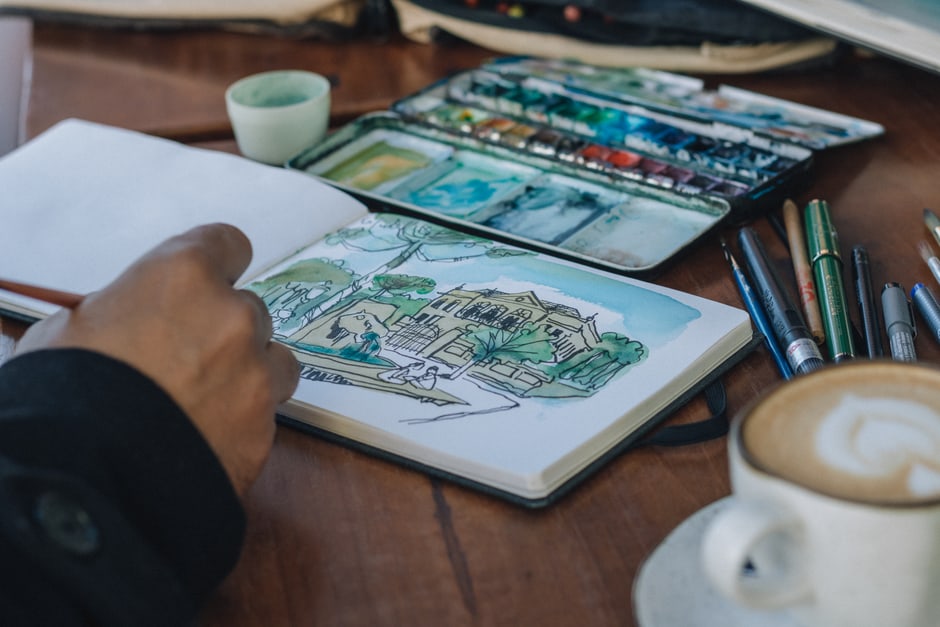
Remote workers can make time for hobbies by shifting their mindset from productivity-driven outcomes to process-oriented enjoyment. This involves consciously scheduling dedicated, non-negotiable blocks of time for leisure activities, treating them as essential for well-being rather than optional extras. The key is to detach hobbies from any pressure to achieve or monetize, allowing for pure engagement and stress relief. Prioritizing these activities in your daily or weekly routine helps combat burnout and strengthens work-life boundaries, making them feel less like tasks and more like vital self-care.
The flexibility of remote work is often lauded, promising a golden age of work-life balance. Yet, for many, the reality is a constant struggle to define where work ends and personal life begins. Suddenly, that pottery class you always wanted to take, or the guitar lessons you swore you’d restart, become just another task vying for your attention, infused with the subtle pressure of ‘optimization’ or ‘personal development.’ The joy drains out, and what was meant to be a relaxing escape feels like another item on an endless checklist.
This isn’t about fitting more into an already packed schedule. It’s about fundamentally changing how you approach leisure. It’s about remembering why you wanted to pursue those interests in the first place: for the sheer, unadulterated pleasure they bring, not for their potential to become a side hustle or an impressive resume bullet point. The smarter approach helps you consciously make time for hobbies without turning them into tasks, especially vital for those navigating the often nebulous boundaries of working from home.

Redefining ‘Productivity’ in Your Personal Life
For many remote workers, the very concept of free time has become entangled with productivity. We track our steps, our sleep, our reading lists, and even our meditation minutes. This data-driven approach, while useful for work metrics, can suffocate the organic joy of a hobby. When you knit, do you feel compelled to finish a sweater by a deadline? When you hike, are you constantly checking your fitness tracker for distance and elevation? This constant evaluation transforms a pastime into a performance.
To genuinely make time for hobbies without turning them into tasks, you need to consciously detach them from the work mindset. This means letting go of the need for measurable outcomes, external validation, or even internal pressure to improve rapidly. Your hobby isn’t a project with a deliverable; it’s an experience. The goal is the process, the engagement, and the simple pleasure, not the end result. Think of it as ‘unproductive productivity’ – dedicating time to something that yields no tangible output but enriches your life significantly.
Scheduling Joy, Not Just Appointments
One of the most effective strategies is to intentionally schedule your hobbies. This doesn’t mean treating them like a client meeting, but rather carving out dedicated, non-negotiable blocks of time. For someone working from their apartment in Mexico City, this might mean blocking off Saturday mornings for exploring a new neighborhood with a camera, or Monday evenings for a virtual language exchange. The crucial part is to treat these slots with the same respect you’d give a work commitment.
- Start Small: Don’t commit to three hours daily right away. Begin with 30-60 minute increments a few times a week. Consistency beats intensity when building a new habit.
- Be Specific: Instead of ‘I’ll read more,’ try ‘I’ll read for 45 minutes every Tuesday and Thursday evening after dinner.’
- Protect the Time: Tell your family, housemates, or even close colleagues about your dedicated hobby time. Set your ‘do not disturb’ status if you need to. This creates a boundary and reinforces the importance of your leisure.
The Geographical Advantage (and Disadvantage) of Remote Work
Remote work means you could be anywhere, from a bustling apartment in London to a tranquil village in rural Europe. This freedom impacts how you access and engage with hobbies.
Smart Moves: Plan Errands Around Walkable Neighborhoods in Real Life
Embracing Local Opportunities
In densely populated areas like London, Europe, or Sao Paulo, South America, you’re spoiled for choice. From improv classes in Shoreditch to samba lessons in Lapa, the options are endless. The key is to actively seek them out:
- Community Boards & Local Groups: Check notice boards at local cafes, community centers, or online platforms like Meetup.com. Many cities have specific groups for everything from urban gardening to board games.
- Local Workshops: Craft studios, cooking schools, and art galleries often offer one-off workshops that are perfect for dipping your toes into a new hobby without a long-term commitment. In a city like Sao Paulo, a capoeira workshop could be an invigorating break from the screen.
- Outdoor Pursuits: If you’re in a city with green spaces or easy access to nature, make the most of it. Hiking trails in the Pacific Northwest of North America, or simply walking in one of Europe’s historic parks, can be a profound hobby in itself.
Navigating Isolation and Digital Overload
Conversely, remote work can lead to isolation, and more screen time, making physical hobbies seem harder to initiate. You might find yourself in a quieter locale in South America or North America, with fewer immediate in-person options. This is where a hybrid approach shines:
- Online Communities: Many hobbies have thriving online communities. Whether it’s a Discord server for tabletop role-playing games, a subreddit for amateur photography, or a virtual book club, these platforms can provide connection and inspiration.
- Virtual Classes: Sites like Skillshare, MasterClass, or even local instructors offering Zoom lessons mean you can learn a new skill from anywhere. Imagine learning to draw from a Parisian artist without leaving your home office in Mexico City.
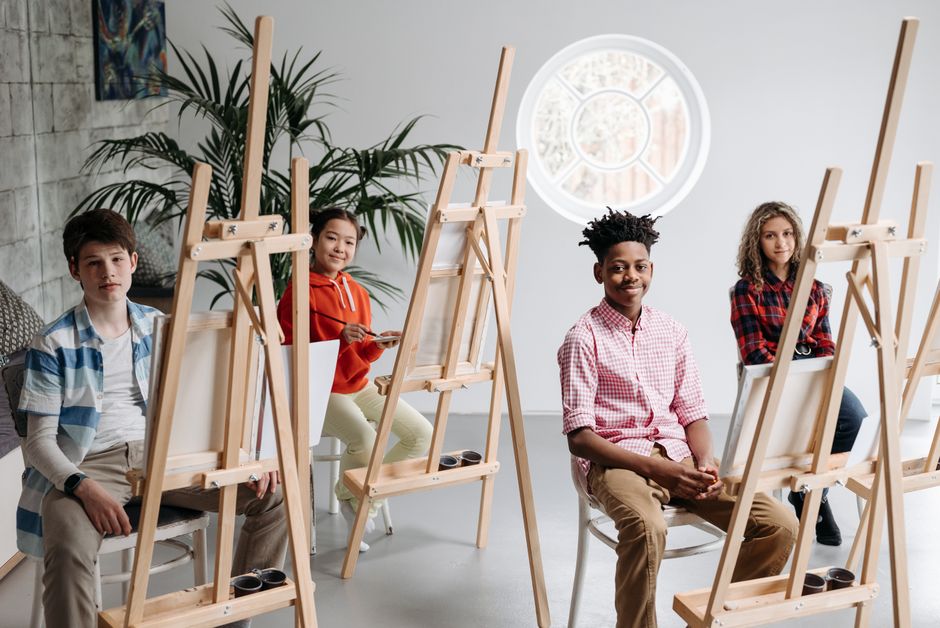
Setting Realistic Expectations (and Ditching the ‘Expert’ Pressure)
One of the fastest ways to turn a hobby into a task is to expect immediate mastery. We live in a culture that often celebrates experts and prodigies, leading us to believe that if we’re not instantly good at something, it’s not worth pursuing. This couldn’t be further from the truth when it comes to hobbies.
When you start a new hobby, give yourself permission to be a beginner. Embrace the learning curve, the mistakes, and the awkward stages. If you pick up a ukulele, don’t expect to be performing like a professional in a week. The joy should come from the strumming, the trying, and the small improvements, not from reaching a mythical level of perfection. This mindset shift is critical to make time for hobbies without turning them into tasks, as it removes the performance anxiety.
The Power of Analog: Unplugging to Recharge
While digital tools can facilitate some hobbies, many remote workers benefit immensely from pursuits that require unplugging. The irony of spending eight hours on a laptop only to spend another two hours scrolling through social media or playing video games is not lost on many. Consider hobbies that get you away from screens:
- Crafts: Knitting, painting, woodworking, pottery, journaling – these tactile activities engage different parts of your brain and offer a tangible break from digital life.
- Gardening: Even a small balcony garden can provide immense satisfaction. The act of nurturing plants, feeling the soil, and watching things grow is incredibly grounding.
- Physical Activity: Running, cycling, swimming, yoga, dancing – these not only benefit your physical health but are fantastic for mental well-being, especially after long hours at a desk.
These analog hobbies often provide a sense of accomplishment that isn’t tied to work, offering a pure, unadulterated form of relaxation and self-expression. They help strengthen the boundary between your digital work life and your analog personal life.
Building Accountability (Without the Pressure)
While the goal is to avoid turning hobbies into tasks, a touch of gentle accountability can help you stick with them. This isn’t about setting strict deadlines, but rather about creating structures that support your intentions.
Practical Self-Care That Does Not Require a Perfect Schedule
- Find a Buddy: If you’re learning a new language, find a friend or online partner to practice with. If you enjoy hiking, plan a weekly walk with a neighbor. Shared experiences make it easier to commit.
- Join a Class: The commitment of a weekly class (whether online or in-person) can provide just enough external structure to keep you going. Knowing you’ve paid for a course, or that others are expecting you, can be a gentle nudge.
- Create a Dedicated Space: Even a small corner of your home, like a drawing table in your apartment in Mexico City, or a designated craft box, can signal to your brain that it’s ‘hobby time.’
Remember, the accountability here is for consistent engagement, not for performance. It’s about showing up for yourself and your joy, not for a report card.
FAQ: Making Time for Hobbies as a Remote Worker
How can I find time for hobbies when my remote work schedule is unpredictable?
Even with unpredictable schedules, aim for micro-sessions. A 15-minute drawing sketch during a lunch break or a 20-minute walk before starting work can be surprisingly effective. The key is consistent, small bursts rather than waiting for large, perfect blocks of free time that may never materialize.
What if my hobby starts to feel like a chore?
If your hobby feels like a chore, take a break. It’s perfectly fine to step away for a while. Re-evaluate why you started it and what brings you joy. Perhaps try a different aspect of the hobby, or even switch to a completely new one, allowing yourself the freedom to explore without guilt.
Should I try to monetize my hobbies?
While some people successfully turn hobbies into businesses, it’s crucial to separate this intention from the initial pursuit of joy. If monetizing adds pressure and diminishes your enjoyment, don’t do it. Your hobbies are valuable as sources of relaxation and personal fulfillment, irrespective of their market potential.
How do I choose a new hobby if I’m not sure where to start?
Think about what you enjoyed as a child, or what activities leave you feeling energized rather than drained. Experiment with low-commitment options like a single workshop, borrowing a book on a new topic from the library, or watching a few YouTube tutorials to gauge your interest without significant investment.
Is it okay to have multiple hobbies that I cycle through?
Absolutely! Many people thrive on variety. Cycling through multiple hobbies based on your mood or season keeps things fresh and prevents burnout. There’s no rule that says you must stick to one hobby indefinitely. Embrace the fluidity and let your interests guide you.
What role does self-compassion play in making time for hobbies?
Self-compassion is vital. Recognize that sometimes life gets in the way, and you might miss a hobby session. Don’t beat yourself up about it. Instead of dwelling on missed opportunities, gently recommit to your next scheduled time. Treat yourself with the same understanding you would offer a friend.
The Untapped Power of Unscheduled Joy
To truly make time for hobbies without turning them into tasks, the ultimate shift is one of perspective. It’s about recognizing that these moments of pure, unadulterated engagement aren’t luxuries; they are fundamental to your well-being, your creativity, and your overall happiness, especially as a remote worker navigating a world designed to blur the lines between work and life. They are the moments that recharge you, that remind you who you are beyond your job title, and that make the daily grind feel manageable. So, pick up that paintbrush, plant that seed, or learn that chord. Do it for the joy of it. For more practical lifestyle guides that resonate with your experiences, you can read more practical lifestyle guides on Le Daily Post.