

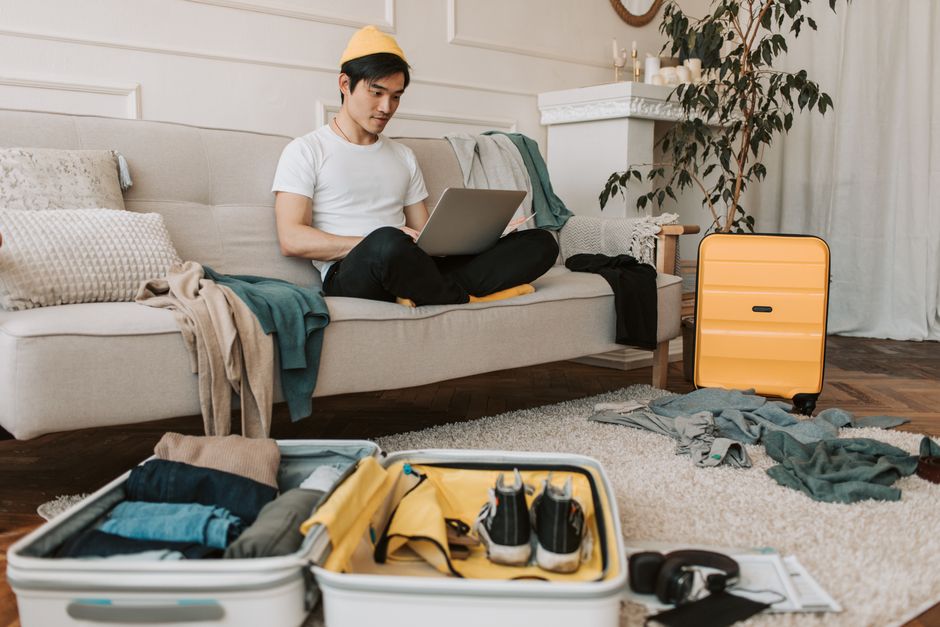
That moment when you walk through your front door after a long journey—whether it was a weekend getaway to the Cotswolds or a transcontinental relocation from London to Buenos Aires—it hits differently. Sometimes it’s relief, often it’s a wave of exhaustion, and almost always, it’s a mental list of everything that needs doing. Laundry, groceries, emails, unpacking… it can be genuinely overwhelming.
This is precisely why a dedicated personal reset day after travel isn’t just a nice idea; it’s a non-negotiable strategy for sanity, especially for those of us who travel frequently, move between countries, or simply deal with the inevitable chaos of a life lived on the go. Forget the ‘power through it’ mentality; that only leads to burnout. What we need is a plan.
Think of it as your strategic reintegration into home life. It’s about more than just emptying your suitcase; it’s about reclaiming your mental space, your physical environment, and your daily rhythm. And it absolutely works, provided you approach it with a clear head and realistic expectations.

The Immediate Arrival: Your First 90 Minutes Back Home
The first hour or two back in your space can dictate the tone for the entire reset. This is not the time to dive headfirst into a mountain of tasks. Instead, focus on critical, mood-boosting immediate actions.
De-Laminate the Luggage and Self-Care First
Before you even think about sorting socks, attend to yourself. For many frequent travelers, particularly those who’ve endured long-haul flights from, say, Berlin to São Paulo, the first priority is a shower. Get rid of the plane grime. Change into comfortable clothes—real clothes, not just the ones you slept in on the flight. Hydrate heavily. Water, not coffee, is your friend right now. This simple act of physical refreshment helps signal to your brain that the travel part is over and the recovery part has begun.
The Quick Tidy-Up: Just the Essentials
Resist the urge to fully unpack immediately. Instead, deal with the absolute essentials: dirty clothes go directly into the laundry hamper (or straight into the machine if you’re ready). Perishables from your carry-on go into the fridge. Passports, wallets, and keys go back to their designated spots. Everything else? It can wait. A common mistake here is to try and do too much, too soon, leading to an immediate sense of exhaustion rather than relief.
Setting the Scene: Environment and Expectations
Your surroundings play a huge role in how quickly you feel ‘home’ again. And your mindset about what you can achieve is just as important.
Reclaiming Your Space: Light, Scent, and Sound
Open curtains, let in natural light. If you’ve been away for a while, especially in places like London where the weather can be temperamental, a fresh air circulation helps immensely. Diffuse a familiar essential oil, light a candle, or put on some background music you enjoy. These small sensory cues help re-establish a sense of comfort and familiarity. For those who’ve just moved continents, say from Europe to North America, making your new apartment feel like a sanctuary is even more vital.
The Power of the Minimal To-Do List
Your reset day is not for tackling your entire inbox or planning your next three months. Create a tiny, achievable to-do list for the day. Think 3-5 critical items. Examples: do one load of laundry, buy fresh groceries for dinner, empty one suitcase. Crossing off these few items provides a psychological boost without creating overwhelm. This is about building a personal reset day after travel that feels restorative, not like another stressful day.
Mastering Remote Work Boundaries That Work in Small Apartments
Practicalities: What Actually Works (and What Doesn’t)
This is where the rubber meets the road. Specific actions make a tangible difference.
Laundry Logic: Prioritize Smart, Not Hard
For most people, laundry is the top priority. Start with the essentials: underwear, socks, the clothes you’ll need for the next day. Don’t feel compelled to wash every single item of clothing you packed. Sometimes, items are clean enough to fold away, especially if you practiced smart packing while traveling. For those living in smaller European apartments, managing laundry can be an art form. Prioritize what’s truly needed. A useful tip for frequent travelers: keep a small mesh bag in your suitcase specifically for dirty items to prevent them from mingling with clean ones.
Grocery Gambit: Freshness Over Full Pantry
A bare fridge is a common post-travel reality. Instead of a full supermarket sweep, aim for a smaller trip to get fresh, easy-to-prepare food. Think ingredients for a simple salad, some fresh bread, fruits, and essentials like milk or eggs. You want healthy, comforting food that requires minimal effort. A quick stop at a local corner shop in Toronto or a small ‘feira’ in São Paulo can be more effective than a massive grocery store trip.
Managing the Digital Detritus: Emails & Time Zones
If you’re an expat or a digital nomad, the inbox can be a beast. Dedicate a specific, short block of time (30 minutes, max) to triage urgent emails. Do not get sucked into deep replies. Delete spam, flag important items for later, and send brief acknowledgements if absolutely necessary. If you’ve been battling significant time zone changes, like flying from North America to Europe, give yourself grace. Most things can wait a day.
The Mental & Emotional Reintegration
A reset day isn’t just physical. It’s also about grounding yourself mentally.
Reconnecting with Home: Pets, People, Places
Spend quality time with your pets. Catch up briefly with loved ones, but avoid lengthy social obligations. Take a short, familiar walk around your neighborhood. These small acts reconnect you with the comforting routines and presences of home. For someone who has just resettled from, say, London to another major city, finding a new favorite walking route or coffee shop can be part of this reintegration.
Mindful Unwinding: Hobbies and Relaxation
Engage in a low-energy hobby you enjoy. Read a book, listen to a podcast, draw, or simply sit quietly with a cup of tea. Avoid screens that demand a lot of attention. The goal is to gently ease back into your routine, not to force it. This mindful unwinding is crucial for letting your mind process the transition from travel mode to home mode. This is a core component of building a personal reset day after travel that actually leaves you feeling restored.
Common Pitfalls to Avoid on Your Reset Day
Even with the best intentions, it’s easy to fall into old habits that sabotage your reset.
Over-scheduling and ‘Catching Up’
Resist the urge to pack your day with appointments, social events, or a massive amount of work. Your reset day is specifically for resetting, not catching up. Pushing too hard too soon will only extend your fatigue and make the next few days harder.
Small Apartment Living: Smart Storage and Design Ideas for Expensive Cities
Excessive Screen Time and Social Media Scrolling
While a quick check-in is fine, aim to minimize mindless scrolling or hours spent watching TV. These activities can be mentally draining and often lead to comparing your return with someone else’s highlight reel. Focus on your own space and needs.
Ignoring Sleep Debt
If you’ve been battling jet lag, prioritize sleep. Don’t try to power through with caffeine if your body is screaming for rest. A good night’s sleep is one of the most effective ways to recover from travel fatigue and truly build a personal reset day after travel.
FAQ: Your Post-Travel Reset Questions Answered
What is the most important thing to do on a reset day after travel?
The most important thing to do on a reset day after travel is to prioritize self-care and essential tasks that restore a sense of order and comfort. This means showering, hydrating, starting a load of laundry, and getting fresh, easy-to-prepare food. Focus on activities that reduce stress and help you gently transition back to your home environment.
How do I combat jet lag effectively during my reset day?
To combat jet lag, immediately adjust to your new time zone’s light cycle. Get natural light exposure in the morning, avoid caffeine and heavy meals late in the day, and aim for a consistent bedtime. Short naps (20-30 minutes) can help, but avoid long naps that interfere with night sleep. Hydration is key.
Should I unpack everything on my first day back?
No, you absolutely do not need to unpack everything on your first day back. Focus on unpacking only the absolute necessities, such as dirty laundry, perishables, and immediate essentials like toiletries. The rest of your luggage can wait until you’re feeling more rested and less overwhelmed, typically the next day.
How can expats make their reset day easier after moving internationally?
Expats can make their reset day easier by establishing a pre-travel routine that sets them up for success upon arrival. This includes having a ‘first night’ box with essentials, knowing where key items are in their new home, and prioritizing unpacking the items that make a space feel familiar and personal, like photos or a favorite mug.
Is it okay to order takeout on my reset day after travel?
Yes, absolutely! Ordering takeout is completely acceptable and often recommended on your reset day after travel. The goal is to minimize effort and stress. If preparing a meal feels like too much, a simple, comforting takeout meal can be a perfect solution, freeing up your energy for other restorative activities.
What if I don’t have a full day for a reset after traveling?
If you don’t have a full day, condense your reset into a few hours. Focus on the most critical tasks: a quick tidy, laundry, and hydration. Prioritize self-care over productivity. Even an hour of focused, intentional resetting can make a significant difference in how you feel, so don’t dismiss the smaller blocks of time.
The True Value of a Deliberate Return
Building a personal reset day after travel isn’t about being lazy; it’s about being strategic. It’s an investment in your well-being, especially for those of us navigating life across continents or managing frequent business trips. By prioritizing rest, essential tasks, and mental decompression, you’ll find yourself not just recovering, but truly thriving upon your return.
Ready to make your post-travel routine work for you? Read more practical lifestyle guides on Le Daily Post.