


Big city life, with its undeniable buzz and endless possibilities, often comes with a hefty price tag. You know the drill: rent eats up a huge chunk, transport costs add up, and then there’s the general higher expense of everything from groceries to entertainment. But for many urban dwellers, especially families juggling work and life, the biggest budget leak isn’t always the obvious big-ticket items. Instead, it’s a silent, insidious drain caused by what we’ve come to call ‘convenience habits’.
Think about it: that daily latte, the quick takeout dinner after a long day, the Uber when you’re running late – each feels like a small, justifiable expense. But these aren’t isolated incidents. They’re ingrained patterns, almost reflexes, designed to save you a few minutes or a bit of effort. The real cost of convenience habits in big cities isn’t just the sticker price; it’s the opportunity cost, the cumulative impact on your financial goals, and the subtle shift in your values towards immediacy over long-term stability. This article will help you identify these hidden drains and offer practical ways to reclaim your urban budget.
Understanding and addressing the real cost of convenience habits in big cities is crucial for sustainable urban living. For instance, a daily €4 coffee in Berlin adds up to over €1,400 annually. Similarly, in New York, a few weekly Seamless orders can easily exceed $300 a month, totaling over $3,600 a year. These seemingly small transactions, when habitual, create significant financial outflows that often go unnoticed until a budget crisis hits. They impact savings potential and overall financial well-being, diverting funds that could otherwise contribute to rent, education, or even a down payment.

Image Caption: A bustling city street at rush hour, symbolizing the constant motion and quick decisions that often lead to convenience spending.
Quick Overview: Where Convenience Costs You Most
Before we dive deep, here’s a snapshot of common areas where the real cost of convenience habits in big cities tends to manifest:
- Food & Drink: Daily coffee runs, frequent takeout/delivery, pre-made meals.
- Transportation: Ride-sharing apps (Uber, Lyft, Bolt), taxis over public transport for short distances.
- Household & Personal Care: Impulse buying at corner stores, laundry services, recurring subscription boxes for basic necessities.
- Entertainment & Leisure: Last-minute concert tickets with hefty service fees, premium streaming add-ons.
- Time-Saving Services: Dry cleaning, house cleaning, personal shoppers (when not strictly necessary).
- Unplanned Purchases: Grabbing things at airport kiosks or train stations due to lack of preparation.
The Takeout Trap: Your Kitchen’s Undersung Value
For many urban families, the evening ritual often involves a quick scroll through Uber Eats, Deliveroo, or DoorDash. After a long day, the thought of cooking seems daunting. In cities like Madrid, where tapas culture makes eating out incredibly appealing, or bustling New York with its endless culinary options, the temptation is constant. A family dinner from a local spot might seem like a manageable €30-€50, but do that three times a week, and you’re looking at €360-€600 a month. That’s a significant chunk of change, especially when groceries for the same meals might cost half that.
Hidden Fees and Markups
It’s not just the base price. Delivery apps often add service fees, small order fees, and surge pricing during peak hours. Plus, restaurants frequently mark up their menu prices on these platforms compared to dining in or direct pickup. A €15 burger in the restaurant could easily become a €22 delivery order once all the surcharges are tallied. Over time, these small increments create a substantial financial drain, eroding your budget and highlighting the real cost of convenience habits in big cities.
Practical Trade-offs: Meal Prep and Smart Shopping
The solution isn’t to never eat out again. It’s about being strategic. Dedicating an hour or two on a Sunday to meal prep can revolutionize your week. Cook a large batch of a staple like quinoa or rice, chop vegetables, and pre-portion proteins. In European cities like Berlin, discount supermarkets like Lidl or Aldi offer fantastic value for fresh produce, making home cooking even more economical. Even a simple shift from daily takeout to cooking at home three times a week can save hundreds each month. Consider batch cooking for your family – making larger portions of a stew or pasta bake that can last for several meals.
The Daily Grind: Coffee, Commutes, and Quick Fixes
That morning coffee ritual is sacrosanct for many. Whether it’s a Starbucks latte in Manhattan or a cortado from a charming café in a Madrid plaza, it’s a small indulgence that signals the start of the day. But at $5-$7 a pop, five times a week, that’s $100-$140 a month. Over a year, you’re looking at $1,200-$1,680 – enough for a nice weekend getaway or a significant contribution to your savings.
Building a Personal Reset Day After Travel: What Actually Works (and What Doesn’t)
Ride-Sharing vs. Public Transport
Similarly, hailing an Uber or Cabify for a short hop instead of taking the metro or walking is a common urban habit. In North American cities, this is particularly prevalent, but even in South American metropolises like Santiago or Buenos Aires, ride-sharing has become the go-to. A quick €10 ride across town might save you 15 minutes, but if you do that twice a day, five times a week, it’s €100 weekly, or €400 a month. Public transport, with its monthly passes, offers a dramatically cheaper alternative. In Berlin, a monthly ABC ticket is around €86. Even factoring in a few occasional rides, the difference is stark.
The real cost of convenience habits in big cities often hides in these micro-transactions. The trade-off is often time versus money. While some days genuinely demand the speed of a ride-share, a conscious effort to utilize public transport or even walk for shorter distances can significantly reduce this expenditure.
Impulse Buys and Subscriptions: The Creeping Costs
Urban environments are designed for impulse. Pharmacies, bodegas, and convenience stores are everywhere, tempting you with snacks, drinks, and forgotten essentials at marked-up prices. Grabbing a €3 bottle of water and a €5 snack at a train station in Europe before a journey adds up. If you did that even twice a week, that’s €832 a year. A reusable water bottle and packed snacks from home cost virtually nothing.
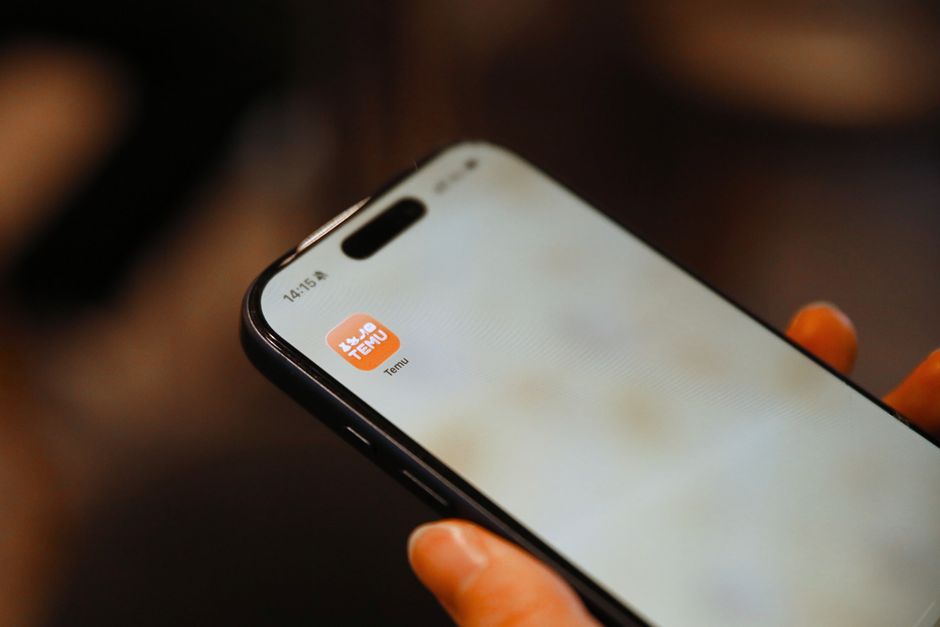
Image Caption: A person in a modern city using a mobile app on their phone, illustrating the digital nature of many convenience-driven transactions.
The Subscription Overload
Then there are the subscriptions. Beyond your Netflix and Spotify, how many others do you have? Food boxes, streaming services you barely watch, fitness apps you rarely use, even premium news subscriptions. Each might be a manageable $10-$20 a month, but collectively they can form a ‘subscription bloat’ that siphons funds. Do a quarterly audit of your subscriptions. You’ll likely find several you can cancel without missing them, putting more money back into your pocket and reducing the real cost of convenience habits in big cities.
The ‘I’ll Buy It’ Mentality: When Planning Pays Off
This category encompasses anything you buy because you didn’t plan ahead. Forgot your lunch? Buy one. Realized you need a specific tool for a DIY project right now? Head to the nearest hardware store, likely paying full price without comparing. In a city like New York, with its endless array of shops, it’s easy to fall into this trap. But a little foresight can save a lot of money.
Planning for Urban Life
This isn’t about being perfectly organized all the time, but about building small, sustainable habits. Keep a reusable shopping bag in your backpack. Charge your portable power bank. Pack snacks and drinks when heading out for a long day. These small actions directly combat the ‘I’ll buy it because I need it now’ impulse that often leads to overspending. For urban families, teaching children to pack their own snacks or water bottles for outings can instill valuable habits early on.
Laundry, Cleaning, and Other Time-Savers: Weighing the Worth
For some urban dwellers, especially in smaller apartments, sending out laundry or hiring a cleaning service becomes a routine convenience. In many European cities, particularly those with older buildings, communal laundromats or professional services are common. While these services undeniably save time and effort, they come at a significant financial cost. A weekly laundry service might cost €20-€30, adding up to over €1,000 annually. Similarly, regular cleaning services can easily be €100-€200 a month.
The Real Value of Your Time
The question here isn’t just about money, but about the true value you place on your time. If spending two hours doing laundry prevents you from earning more income, spending time with family, or pursuing a crucial personal goal, then the service might be justified. However, for many, these services become a default rather than a conscious choice. Weigh the actual time saved against the financial cost. Could you do laundry while working from home? Or split cleaning duties with family members? This introspection helps identify where the real cost of convenience habits in big cities might be disproportionately impacting your budget versus your needs.
What to Automate in Your Personal Life and What to Keep Manual: The Smarter Checklist
FAQ: Unpacking Urban Convenience Costs
Here are some common questions about the real cost of convenience habits in big cities:
What are the biggest financial drains from convenience habits in big cities?
The biggest financial drains typically come from frequent food delivery/takeout, daily purchased beverages (like coffee), excessive use of ride-sharing services instead of public transport, and impulse purchases at convenience stores. These small, recurring expenses quickly accumulate to significant amounts over weeks and months, impacting your overall budget and savings.
How much can I save by reducing convenience spending?
The savings can be substantial, often hundreds to over a thousand dollars or euros per month for an average urban family or individual. For example, cutting out daily coffee and two weekly takeout meals could save upwards of $200-$300 monthly. Over a year, this translates to thousands, creating significant financial flexibility or savings potential.
Are convenience habits always bad for urban residents?
No, not always. Convenience habits offer time savings and stress reduction, which can be valuable in a busy urban life. The key is balance and intentionality. Strategically using a delivery service on an exceptionally hectic day or a ride-share for a late-night journey is different from making these services a daily default without considering the financial implications.
How can I track my convenience spending effectively?
Effective tracking involves using budgeting apps like Mint or YNAB, reviewing bank and credit card statements regularly, or simply keeping a dedicated spreadsheet. Categorizing expenses helps identify patterns. Many banking apps in Europe and North America now offer automated spending categorization, making it easier to pinpoint areas where convenience spending is highest.
What are some easy swaps for expensive convenience habits?
Easy swaps include making coffee at home, bringing lunch and snacks from home, planning meals and grocery shopping in advance, using public transport or walking for shorter distances, and performing a monthly audit of all your digital subscriptions to cancel unused ones. These small changes lead to significant long-term savings.
Key Takeaways: Reclaiming Your Urban Budget
Living in a vibrant city doesn’t have to mean constantly feeling the pinch of high costs. The real cost of convenience habits in big cities is often hidden in plain sight, a sum of small, seemingly insignificant decisions that accumulate into substantial financial outflows. By identifying these patterns, you empower yourself to make more conscious choices.
Ultimately, it’s about intentionality over impulse. It’s not about depriving yourself entirely, but about asking: Is this convenience truly worth the financial trade-off? Could I achieve a similar outcome with a little planning, saving that money for something more impactful, like a family vacation, investment, or simply a larger emergency fund?
Taking control of your convenience habits in cities like New York, Berlin, or Madrid can dramatically improve your financial health and reduce stress. It allows you to enjoy the best of urban living without constantly feeling financially stretched. Start with one or two small changes, track your progress, and watch your savings grow.
Ready to master your urban finances and live a more intentional lifestyle? Read more practical lifestyle guides on Le Daily Post.