
To effectively prevent dehydration during long city walks, especially for remote workers exploring new locales, the key is proactive hydration rather than reactive thirst-quenching. This means consistently sipping water throughout your journey, even before feeling thirsty. Common pitfalls include relying solely on sugary drinks, waiting too long to drink, or not factoring in heat and humidity. Adopting habits like carrying a reusable water bottle, knowing where to refill, and incorporating electrolyte-rich foods can make a significant difference in your travel health and enjoyment.
There’s nothing quite like the freedom of exploring a new city on foot. Whether you’re a remote worker discovering the historic cobblestone streets of Rome, navigating the bustling avenues of New York City, or soaking in the vibrant energy of Buenos Aires, long city walks are often the best way to truly experience a place. The problem is, these enjoyable excursions can quickly turn uncomfortable, even dangerous, if you’re not mindful of one critical aspect of your health: hydration.
It’s easy to get caught up in the sights, sounds, and smells, pushing through hours of walking without realizing just how much fluid you’re losing. That slight headache, the sudden fatigue, or the feeling of lightheadedness? Those are often early warning signs of dehydration, a condition that can severely impact your ability to enjoy your travels and, more importantly, your overall well-being. Preventing dehydration during long city walks isn’t just about carrying a water bottle; it’s about a mindful approach to your fluid intake before, during, and after your adventures.
For most readers, especially those accustomed to long periods of walking for work or leisure, the challenge isn’t ignorance about water’s importance, but rather the practical application of hydration strategies in dynamic, often warm, urban environments. You might think you’re drinking enough, but the cumulative effect of heat, humidity, physical exertion, and even air conditioning can strip your body of essential fluids and electrolytes faster than you realize.
Quick Overview: Staying Hydrated on City Walks
Before diving into the specifics, here are the essential habits you should adopt to prevent dehydration during long city walks:
- Pre-Hydrate: Drink water before you even leave your accommodation.
- Carry Water: Always have a reusable water bottle filled and with you.
- Sip Regularly: Don’t wait until you’re thirsty; sip every 15-20 minutes.
- Electrolytes Matter: Balance water with electrolyte-rich foods or drinks.
- Avoid Sugary Drinks: Sodas and excessive coffee can actually dehydrate you.
- Know Refill Spots: Identify public fountains or cafes for refills.
- Dress Appropriately: Light, breathable clothing helps reduce fluid loss from sweat.
- Listen to Your Body: Pay attention to early signs of thirst, fatigue, or dizziness.
The Myth of “Thirst First” and Proactive Hydration
A common mistake many people make is waiting to drink until they feel thirsty. In reality, by the time your body signals thirst, you’re already in a mild state of dehydration. This reactive approach is particularly problematic during long city walks where you might be several kilometers from your next water source.
Why Thirst is a Late Indicator
Your body is incredibly efficient, but its thirst mechanism isn’t always perfectly calibrated for strenuous activity or hot climates. When you’re constantly moving, especially in the sun or humid conditions prevalent in many European cities like Athens or during a summer stroll through Rio de Janeiro, your body loses fluids through sweat at an accelerated rate. The Centers for Disease Control and Prevention (CDC) emphasizes that proactive hydration is key, especially for active individuals and those in warmer environments, to avoid heat-related illnesses.
Building a Proactive Hydration Strategy
The solution is simple: sip consistently. Aim to drink a small amount of water every 15-20 minutes, even if you don’t feel parched. This steady intake helps your body maintain fluid balance without overwhelming your system. Think of it like topping off your car’s fuel tank before it’s completely empty. Consider setting a reminder on your phone if you’re prone to forgetting.
Choosing Your Hydration Arsenal: Beyond Plain Water
While plain water is the gold standard for hydration, it’s not always sufficient, especially on very long walks or in extremely hot and humid conditions. When you sweat, you don’t just lose water; you lose electrolytes like sodium, potassium, and magnesium, which are crucial for nerve and muscle function.
Building a Realistic Fitness Routine Without a Gym: What Actually Works
Electrolytes: The Unsung Heroes
For most day-to-day activities, a balanced diet provides sufficient electrolytes. However, during extended periods of sweating – say, a full day exploring the expansive National Mall in Washington D.C. or hiking the steep hills of Lisbon – you might need a boost. Consider electrolyte tablets (like Nuun or Liquid IV) that you can drop into your water bottle, or pre-mixed electrolyte drinks (such as Gatorade or Powerade, though watch for high sugar content). Natural sources include coconut water or diluted fruit juices.
The Mediterranean Diet Connection
Interestingly, the principles of the Mediterranean diet, often lauded for its health benefits, also indirectly support hydration. Rich in fresh fruits, vegetables, and whole grains, this diet provides a significant amount of water and electrolytes through food. Eating a light, fruit-heavy lunch (think juicy watermelon or crisp cucumber) during your city walk can contribute significantly to your overall fluid intake, aligning nicely with the hydration habits the CDC recommends.
Navigating Urban Landscapes: Finding Water and Refueling
One of the biggest hurdles to staying hydrated on city walks is simply knowing where to find clean, accessible water. While some cities are better equipped than others, a little planning goes a long way.
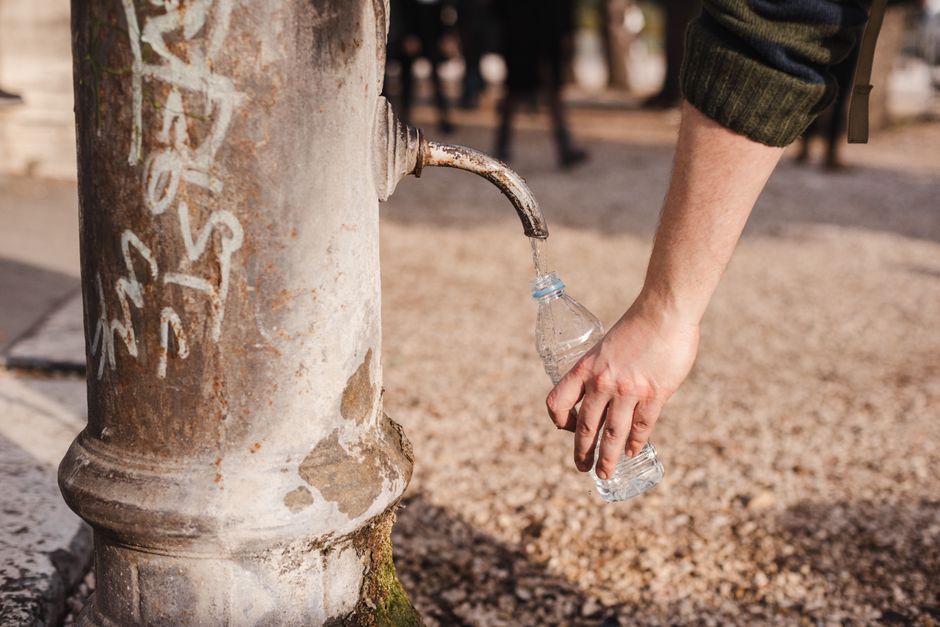
Public Water Fountains and Refill Stations
Many major cities in Europe, like London or Berlin, have increasing numbers of public water fountains and refill stations, often marked on apps like ‘RefillMyBottle’ or ‘Tap.’ In North America, particularly in parks or university campuses, you’ll also find water fountains. However, the availability can be inconsistent, especially in older districts. Always check if the water is potable before drinking. In some parts of South America, especially smaller towns, tap water might not always be safe to drink, so relying on bottled water or purifying tablets is a safer bet.
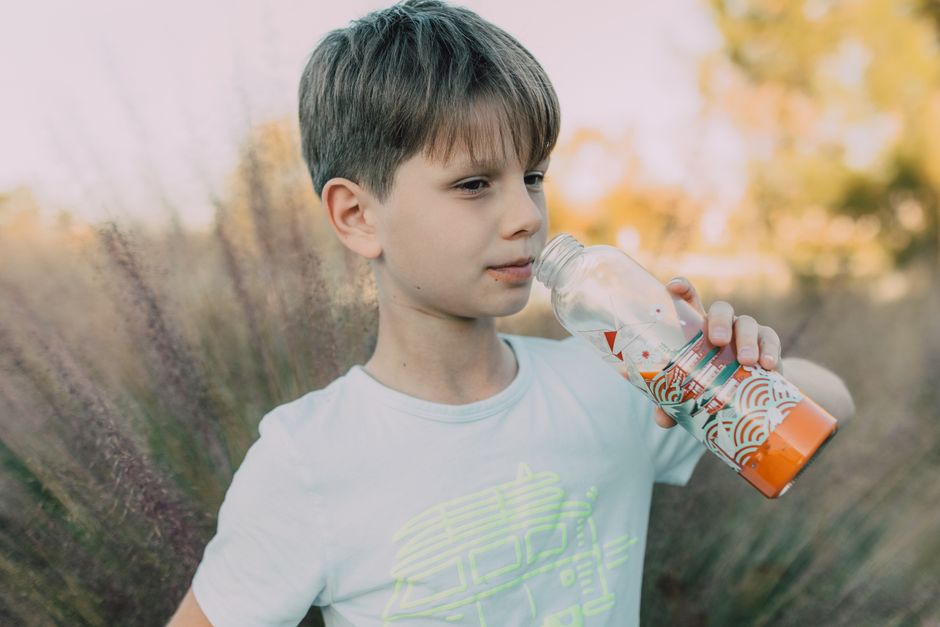
Cafes, Restaurants, and Convenience Stores
When public fountains are scarce, cafes and convenience stores become your best friends. Most cafes, especially those in North America and Western Europe, will gladly refill your reusable water bottle for free, or for a small fee. Brands like Starbucks often have water available. In South America, it’s common to buy large bottles of water from ‘bodegas’ or supermarkets to refill your personal bottle. Don’t be shy about asking – a polite request for ‘agua para rellenar’ (water to refill) in Spanish-speaking countries or ‘água para encher’ in Portuguese-speaking ones usually works.
Common Hydration Mistakes to Actively Avoid
Beyond simply not drinking enough, there are several subtle traps that can lead to dehydration during your city explorations.
Over-Reliance on Sugary Drinks and Coffee
That delicious gelato in Florence or the sweet street juice in Mexico City can feel refreshing, but sugary drinks can actually worsen dehydration due to their osmotic effect, drawing water out of your cells. Similarly, while a morning coffee might be a ritual, excessive caffeine acts as a diuretic, increasing urine output and accelerating fluid loss. Enjoy these in moderation, but don’t count them towards your primary hydration goals.
Ignoring Environmental Factors
Humidity, sun exposure, and wind can all contribute to faster dehydration. A breezy day might feel cooler, but the wind can increase the rate of sweat evaporation, making you lose fluids faster without even realizing it. Always factor in the weather forecast for your destination – a sweltering summer day in Seville or a humid afternoon in Miami demands significantly more water than a cool autumn stroll in Vancouver.
Practical Gear and Habits for Optimal Hydration
Beyond the actual act of drinking, a few smart habits and the right gear can make all the difference in preventing dehydration during long city walks.
The Reusable Water Bottle: Your Best Friend
Invest in a good quality reusable water bottle. Stainless steel bottles (like Hydro Flask or S’well) keep water cool for hours, which is a blessing on a hot day. Opt for a size that’s manageable but holds enough water to last you between refill points – typically 750ml to 1 liter for longer walks. A carabiner clip can attach it to your backpack, making it easily accessible.
Strategic Clothing Choices
Wear light-colored, loose-fitting, breathable fabrics like cotton or moisture-wicking synthetics. These help your body regulate temperature more effectively, reducing excessive sweating. A wide-brimmed hat and sunglasses also offer protection from direct sun, which can contribute to heat stress and increased fluid loss.
FAQ: Prevent Dehydration City Walking
Q: How much water should I drink on a long city walk?
A: While individual needs vary, a good rule of thumb is to aim for at least 0.5 to 1 liter per hour of moderate walking in mild conditions. Increase this significantly in hot or humid weather, potentially up to 1.5-2 liters per hour, by continuously sipping.
Q: Can I get all my electrolytes from food?
A: For most casual walks, a balanced diet rich in fruits (bananas, oranges), vegetables (spinach, avocado), and whole grains can provide sufficient electrolytes. For very long, strenuous walks or in extreme heat, supplementing with an electrolyte drink or tablet is often advisable.
Q: Does coffee count towards my daily fluid intake?
A: While coffee contains water, its diuretic effect means it shouldn’t be considered a primary source of hydration. Enjoy your coffee, but balance it with plenty of plain water to prevent dehydration.
Q: What are the early signs of dehydration I should watch for?
A: Early signs include increased thirst, dry mouth, infrequent urination, dark-colored urine, mild fatigue, and headache. If you experience these, stop, find shade, and rehydrate immediately.
Q: Are sugary sports drinks good for hydration on city walks?
A: While some sports drinks offer electrolytes, many are high in sugar, which can hinder optimal hydration. Opt for low-sugar electrolyte options or dilute regular sports drinks with water. Plain water with electrolyte tablets is often a better choice.
Key Takeaways: Keep Walking, Stay Hydrated
Exploring the world on foot offers unparalleled experiences, but maintaining your health and energy requires a conscious effort, especially when it comes to hydration. Remember that preventing dehydration during long city walks is about being proactive, not reactive. Don’t wait for thirst to kick in; make consistent sipping a habit from the moment you step out the door.
Equip yourself with the right tools – a reliable reusable water bottle, an awareness of electrolyte needs, and knowledge of where to find potable water – whether you’re wandering through the ancient ruins of Athens, navigating the modern marvels of Toronto, or soaking in the vibrant street art of Medellín. By avoiding common pitfalls like excessive sugary drinks and recognizing the subtle cues your body sends, you ensure your adventures remain enjoyable and safe.
Ultimately, a well-hydrated traveler is a happy and healthy traveler. So, pack your bags, lace up your comfortable shoes, and make hydration a priority as you discover the incredible cities of Europe, North America, and South America, one fascinating step at a time. Read more health and wellness guides on Le Daily Post.